Most people think of Shikoku and picture a lone pilgrim in white robes walking the 88 Temple circuit. That's part of its soul, sure. But the island's beating heart is in its cities—vibrant, historic, and surprisingly diverse urban centers that most international tourists rush past on their way to Kyoto or Tokyo. That's a mistake. Shikoku cities offer a slice of Japan that feels more authentic, less crowded, and deeply connected to local culture and cuisine. I've spent weeks there, not just as a tourist but trying to live like a local, and the difference is palpable.
Explore Shikoku Cities
Here's the thing many guides gloss over: each of Shikoku's four prefectures has a capital city with a distinct personality. Takamatsu is the elegant gateway with world-class art. Matsuyama is the classic castle town with a timeless onsen culture. Kochi is the boisterous, food-obsessed heart of the south. Tokushima is the traditional home of wild festival spirit. Treating them as mere transport hubs misses the entire point.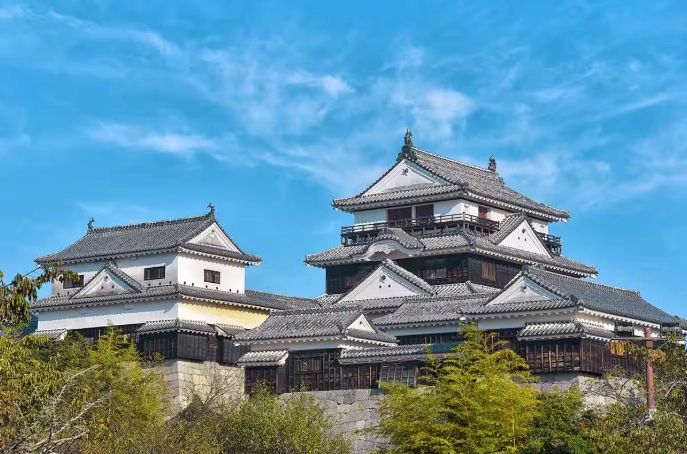
The Four Core Shikoku Cities: A Breakdown
Let's get specific. Vague descriptions don't help you plan a trip. Here’s what you actually need to know about each major city, warts and all.
Takamatsu (Kagawa Prefecture): The Refined Gateway
Takamatsu is often your entry point if you come by train or ferry from Okayama. It feels more orderly and less hectic than other Japanese cities.
Don't just visit Ritsurin Garden. Yes, it's one of Japan's most beautiful strolling gardens (Address: 1-20-16 Ritsurin-cho, Takamatsu. Hours: 7:00 AM-5:00 PM, varies seasonally. Admission: ¥410). But here's a local tip: go as soon as it opens. You'll have the iconic pine trees and ponds almost to yourself for an hour. The tea house inside serves decent matcha, but the real treat is the view from the former feudal lord's villa at the garden's rear.
The city's real secret is its role as a hub for the Setouchi Art Islands. Naoshima, Teshima, and Inujima are all accessible via ferries from Takamatsu Port (about 50 minutes, ¥520 one-way to Naoshima). This isn't a day trip; it's the core of a modern art pilgrimage. Many visitors make the error of trying to squeeze Naoshima into half a day. You need a full day, minimum.
For dinner, skip the generic shopping mall restaurants. Head to the backstreets near Kawaramachi Station for Sanuki Udon. I'm partial to a place called "Kamadoka" – no fancy sign, just incredible handmade, chewy noodles in a simple broth for under ¥500. That's the Takamatsu way.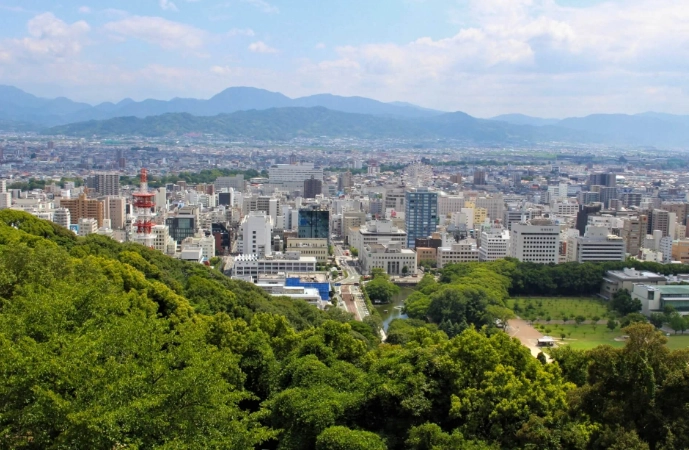
Takamatsu in a Nutshell:
Vibe: Calm, artistic, gateway to the islands.
Top Experience: Early morning at Ritsurin Garden followed by a ferry to Naoshima.
Common Mistake: Treating it only as a transit city. Give it two nights.
My Personal Take: It's the most "accessible" Shikoku city for first-timers, but its quiet charm is its strength.
Matsuyama (Ehime Prefecture): The Castle & Onsen Capital
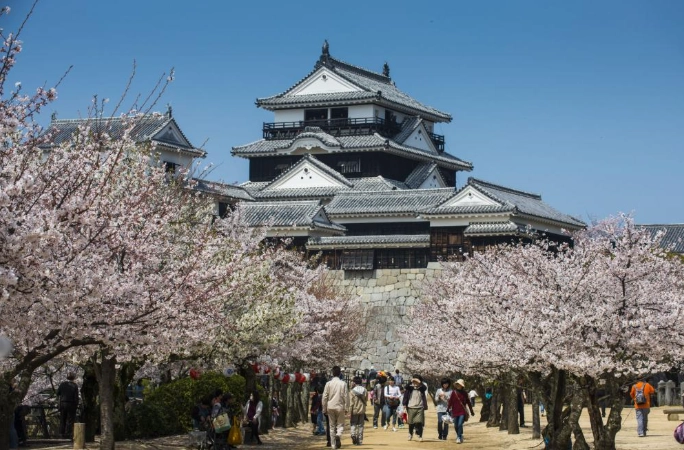
Matsuyama is Shikoku's largest city, and it feels like it has everything: a magnificent original castle, one of Japan's oldest onsens, and a delightful vintage tram network.
Matsuyama Castle (Address: 1 Marunouchi, Matsuyama. Hours: 9:00 AM-5:00 PM. Admission: ¥510 for castle keep, plus ¥510 for ropeway round-trip if you don't want to hike) is the real deal. It's not a concrete reconstruction. The hike up is steep but shaded; the ropeway is easier. The view from the top over the Seto Inland Sea is worth every yen.
Then there's Dogo Onsen Honkan (Address: 5-6 Dogo Yunomachi, Matsuyama. Hours: 6:00 AM-11:00 PM, last entry 10:30 PM. Bath fee from ¥420). This is the bathhouse that inspired Miyazaki's Spirited Away. It's touristy, yes. But go late in the evening after 8 PM. The day-trippers are gone, and you can soak in the historic wooden building in relative peace. Don't bother with the expensive "Kami-no-Yu" special tour unless you're a die-hard architecture fan.
The tram system (¥160 per ride) is a joy. It clatters through the city, connecting the castle, Dogo Onsen, and the port. Buy a one-day pass (¥600) if you're hopping around.
Kochi (Kochi Prefecture): The Lively Food Haven
Kochi is different. The people are more direct, the weather is warmer, and the love for food is obsessive. This is the city to eat.
Kochi Castle (Address: 1-2-1 Marunouchi, Kochi. Hours: 9:00 AM-5:00 PM. Admission: ¥420) is another well-preserved keep. Its unique feature is that you can walk all the way around the top floor for a 360-degree view.
The real action is at Hirome Ichiba (Address: 2-3-1 Obihiro-cho, Kochi. Hours: 8:00 AM-11:00 PM, varies by stall). This is a massive indoor food hall. Pull up a plastic stool at a communal table, grab a beer, and order from different stalls. You must try Katsuo no Tataki – bonito seared over straw so the outside is charred and the inside is rare. It's served with garlic, ginger, and ponzu. It's smoky, savory, and unforgettable. A plate costs around ¥800-¥1200.
If you're there on a Sunday, the Kochi Sunday Market (along Otakasa Avenue, 5:00 AM-ish to 6:00 PM) stretches for over a kilometer. It's chaotic, friendly, and full of local farmers, snacks, and trinkets. Go in the morning.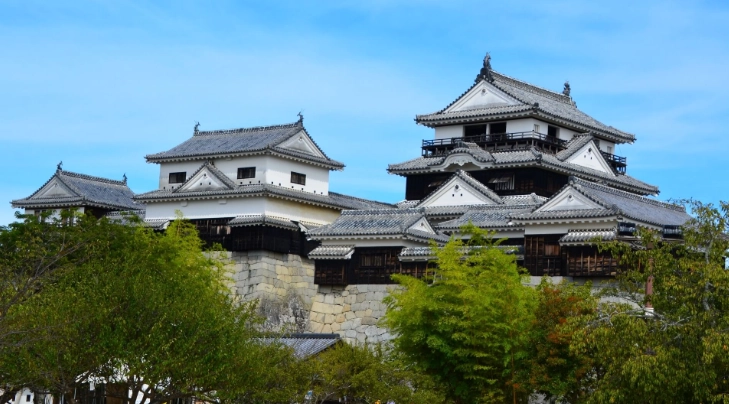
Tokushima (Tokushima Prefecture): The City of Dance
Tokushima is known for the insane, hypnotic Awa Odori dance festival in August. But what do you do the other 11 months?
Visit the Awa Odori Kaikan (Address: 2-20 Shinmachi, Tokushima. Hours: 9:00 AM-5:00 PM. Admission: ¥300 for exhibition, ¥600 for dance performance). You can see short dance performances several times a day and try the basic steps yourself. It's kitschy but fun.
Tokushima is also the gateway to the Naruto Whirlpools (access via bus to Naruto Park or a sightseeing boat). Check the tide timetable—they're only visible at certain times. The view from the Uzunomichi walkway under the Naruto Bridge is impressive (and free).
The city itself is quieter. Explore the Bizan mountain area via ropeway for a panoramic view. Food-wise, seek out restaurants serving sudachi (a local citrus) flavored dishes or soba.
How to Plan Your Shikoku Cities Trip
Throwing a map on the table and drawing a circle isn't a plan. Shikoku's geography and transport demand strategy.
The Golden Rule: Don't try to do one city per day. The travel time between them eats up half your daylight. Takamatsu to Matsuyama by limited express train is about 2.5 hours. Matsuyama to Kochi is another 2.5 hours. You need to base yourself for multiple nights.
Here’s a sample 7-day framework that actually works:
- Days 1-3: Base in Takamatsu. Day 1: Arrive, explore Ritsurin, eat udon. Day 2: Full-day trip to Naoshima art island. Day 3: Morning market, then travel to Matsuyama in the afternoon (check into hotel, visit Dogo Onsen at night).
- Days 3-5: Base in Matsuyama. Day 4: Matsuyama Castle, explore the city by tram. Day 5: Day trip possibilities—maybe to the historic Uchiko town (30 mins by train) or travel onwards to Kochi in the afternoon.
- Days 5-7: Base in Kochi. Day 6: Kochi Castle, Hirome Ichiba, relax. Day 7: Sunday Market (if applicable), then depart from Kochi Ryoma Airport or take a train/bus back to Takamatsu for your exit.
Where's Tokushima? It's a bit off the main loop. If the Awa Odori festival or whirlpools are a must, add 2 nights at the start or end, accessing it directly via bus from Kansai Airport or by train from Takamatsu.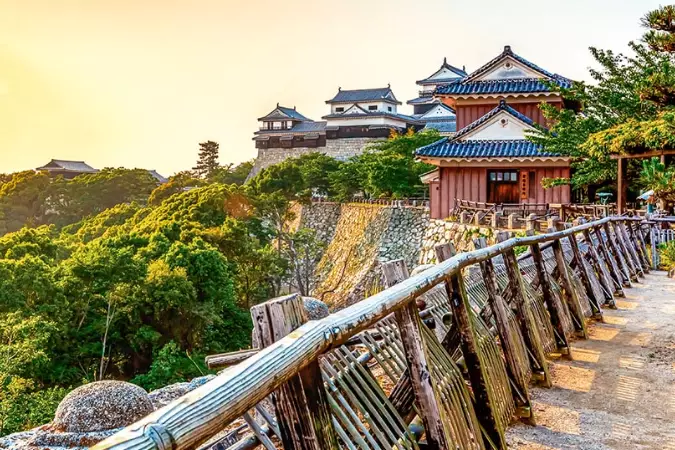
My Non-Consensus Itinerary Tip: Most guides will tell you to rent a car to "see the real Shikoku." For the remote Iya Valley or the Shimanto River, absolutely. But for connecting the four major cities? The train network is excellent, and parking in these cities is expensive and a hassle. The freedom of a car is negated by the stress of navigating narrow urban streets and finding parking. Stick to public transport for a city-focused trip. Rent a car only for specific 1-2 day excursions into the countryside from one of your city bases.
What is the Best Way to Get Around Shikoku Cities?
Transportation is the key that unlocks Shikoku. Here’s a detailed comparison of your main options for inter-city travel, based on actual cost and time from Takamatsu Station.
| Destination | By Limited Express Train | By Highway Bus | Notes & Recommendation |
|---|---|---|---|
| Matsuyama | ~2 hrs 30 min, ¥6,170 (Shiokaze train) | ~3 hrs, ¥4,100 - ¥5,000 | Train is best. More frequent, comfortable, scenic coastal route. Use JR Pass. |
| Kochi | ~2 hrs 20 min, ¥5,800 (Nanpu train) | ~2 hrs 45 min, ¥3,500 - ¥4,200 | Bus is a strong budget option. Saves money, time difference is minimal. Buses are comfortable. |
| Tokushima | ~1 hr, ¥2,470 (Uzushio train) | ~1 hr 15 min, ~¥2,000 | Either is fine. Train is slightly faster, bus is slightly cheaper. Frequency is good for both. |
| Key Purchase: | JR Shikoku Rail Pass (3, 4, 5, or 7 consecutive days). If you're doing Takamatsu-Matsuyama-Kochi by train, a 4-day pass usually pays off. Calculate your planned trips on the JR Shikoku website. For bus-heavy itineraries, look into the "Shikoku Highway Bus Pass." | ||
Within the cities: Matsuyama's trams are fantastic. Kochi and Tokushima have bus systems that require a bit more planning. Takamatsu's city center is fairly walkable, with a tram line for longer distances. Taxis are a viable option for short hops, especially in groups of 3-4, as base fares are lower than in Tokyo.
Where to Eat and Stay in Shikoku Cities
Accommodation is where you can feel the slower pace and value of Shikoku. You get more space for your money compared to Osaka or Tokyo.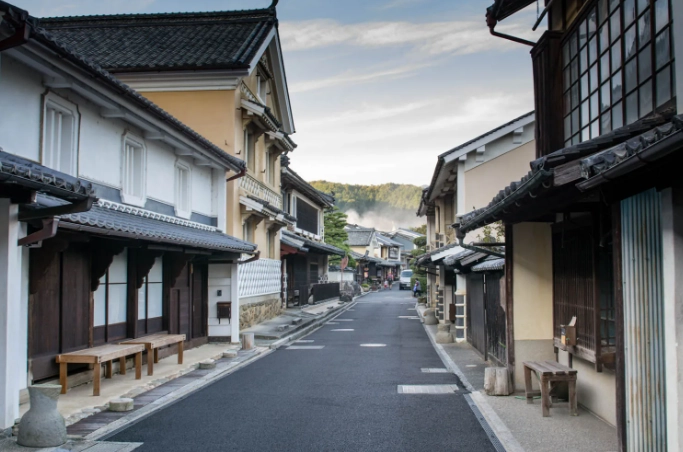
Takamatsu: Stay near the port or JR Takamatsu Station for convenience. There's a cluster of business hotels like Dormy Inn Takamatsu (has a rooftop onsen!) or APA Hotel Takamatsu-Ekimae. For a unique experience, consider a ryokan (traditional inn) in the Ritsurin Garden area, though they are pricier.
Matsuyama: The area around Dogo Onsen is atmospheric but can be noisy with tourists. Staying near Matsuyama City Station (the main JR station) gives you better tram access to both the castle and the onsen. The Dogo Onsen Hotel is a historic landmark, but book well in advance.
Kochi: You want to be walking distance to Hirome Ichiba. The Hotel Nikko Kochi or the Richmond Hotel Kochi Ekimae are both solid, modern choices right in the action.
On Food: I've mentioned the must-tries. But here's a deeper cut: in each city, find the local shotengai (covered shopping arcade). That's where the salarymen and grandmas eat. In Takamatsu, it's the "Sunport" and "Kawaramachi" arcades. In Kochi, it's the "Harimayabashi" area. Menus will be only in Japanese, prices will be low, and the food will be honest. Pointing at pictures is perfectly acceptable.
Your Shikoku Cities Questions Answered
Frequently Asked Questions About Visiting Shikoku Cities
 Shikoku’s cities aren't just stops on a map. They are destinations rich with their own history, food, and rhythm. They offer a chance to engage with a Japan that operates at a more human scale. Forget the idea that you need to be a pilgrim to appreciate this island. Come for the castles, the onsens, the art, and the incredible food. Stay for the feeling of discovering a part of Japan that still feels genuinely, unapologetically itself. Start planning your trip around these urban gems—you won't regret looking beyond the trail.


Comments