Quick Overview
So you're thinking about experiencing the famous cherry blossom season in Japan? Good call. It's one of those things that absolutely lives up to the hype, but let me tell you, it's not as simple as just booking a flight in spring and hoping for the best. I learned that the hard way on my first trip, showing up a week too early in Kyoto and seeing more buds than blooms. The whole thing can feel overwhelming with the crowds, the precise timing, and the unspoken rules of hanami (flower viewing). This guide is what I wish I'd had back then – a straight-talking, detail-packed resource to cut through the noise and help you plan a trip you'll actually enjoy, not just survive.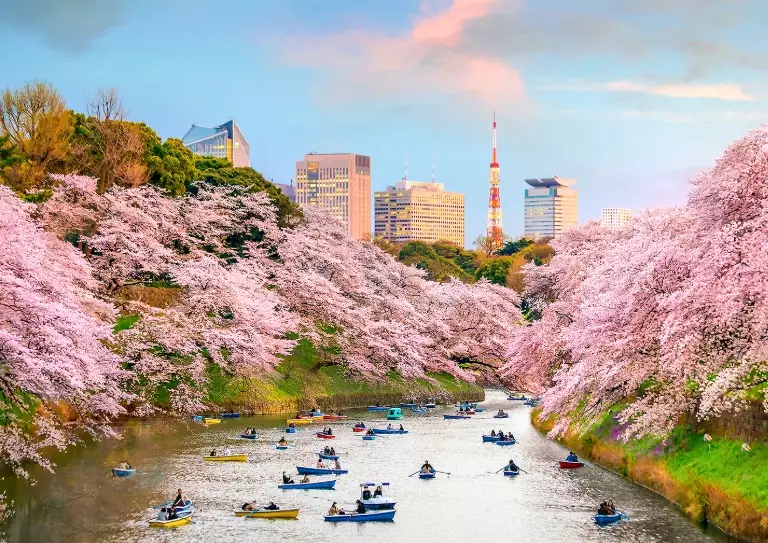
We're going to get into the nitty-gritty: how the bloom forecasts actually work (and why they're sometimes wrong), the specific spots that are worth the hype versus the ones you can skip, how to navigate the insane crowds without losing your mind, and what to actually do when you're sitting under those pink clouds. Forget the generic listicles. This is about practical, usable info for your cherry blossom season Japan adventure.
Getting the Timing Right: It's More Than Just "Spring"
This is the million-dollar question, isn't it? "When is the best time to go?" The answer is frustratingly fluid. The cherry blossom season in Japan isn't a fixed calendar event; it's a moving target dictated by winter weather. A warm winter means an early bloom. A cold snap in February can push everything back. The whole country watches the "sakura zensen" or cherry blossom front, as it slowly moves north from Kyushu to Hokkaido.
Your trip hinges on nailing this timing.
The Japan Meteorological Corporation (JMC) and weather agencies release multiple forecast updates starting in January. Don't just look at the first one. Bookmark the JMC's official English page or the Japan Meteorological Agency for the most reliable updates. These are the authoritative sources, not random travel blogs guessing.
To give you a concrete idea, here's a table based on average dates. Use this as a starting framework, but always, always check the current year's forecast before finalizing anything.
| Major City/Region | Average First Bloom | Average Full Bloom | Typical Best Viewing Week |
|---|---|---|---|
| Tokyo | Late March | Early April | Last week of March - First week of April |
| Kyoto & Osaka | Last week of March | Early April | Last few days of March - First 10 days of April |
| Yoshino (Nara) (Famous for mountains of trees) | Early April | Mid-April | Second week of April |
| Kanazawa | Early April | Mid-April | Second week of April |
| Sendai & Fukushima | Mid-April | Late April | Third week of April |
| Sapporo (Hokkaido) | Late April / Early May | Early May | First two weeks of May |
See how it stretches? If you miss the window in Tokyo, you can chase it north. That's a solid Plan B a lot of people don't consider.
Where to Go: Top Hanami Spots and Hidden Gems
Now, the fun part. Where do you actually go to see these things? Every park, temple, and riverbank seems to have cherry trees. But some experiences are genuinely transcendent, while others are just... nice. I'll break it down by vibe and crowd level.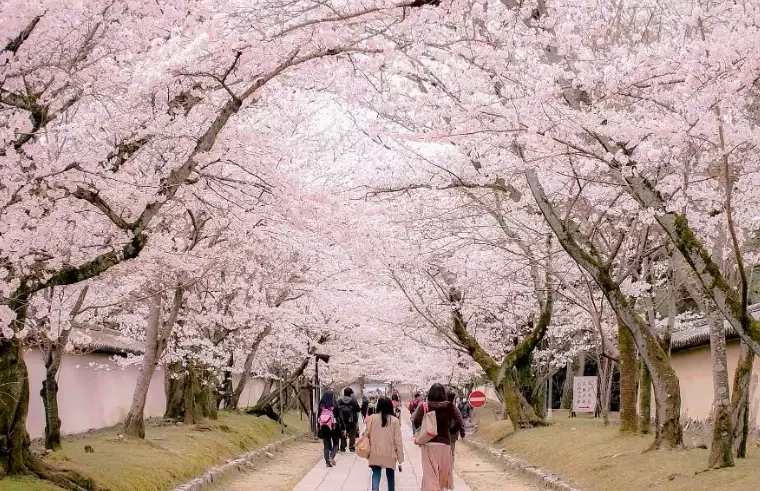
Tokyo's Must-See & Local Favorites
Ueno Park is the legendary, chaotic, glorious epicenter. Hundreds of trees line the central path. It's packed, loud, and full of energy. People spread blue tarps from dawn. It's less about serene contemplation and more about a massive, joyful street party under the blossoms. Go for the spectacle, not for peace and quiet.
Shinjuku Gyoen is the elegant, spacious counterpoint. You pay a small entry fee, which filters the crowds. It has over a thousand trees of early and late-blooming varieties, so your chances of catching something in bloom are higher. It's where families and couples go for a more relaxed picnic. You can actually find a spot to breathe here.
My personal favorite? Chidorigafuchi Moat near the Imperial Palace. Renting a rowboat and paddling under the canopy of blossoms that hang over the water is pure magic. The line for boats is insane, though. Get there before they open.
Kyoto's Classic Beauty
Kyoto and cherry blossoms feel like they were made for each other. The contrast of pink against ancient temples and wooden machiya houses is unforgettable.
Maruyama Park next to Yasaka Shrine is Kyoto's version of Ueno's party scene, centered around a giant, weeping cherry tree that's lit up at night. The Philosopher's Path is a lovely canal-side walk, but again, packed during the day. Go very early in the morning if you want a semblance of tranquility.
For a slightly less frantic (but still popular) experience, try Daigo-ji Temple in the southeast. It's a sprawling complex with different varieties and stunning landscapes. Arashiyama, famous for its bamboo grove, also has beautiful cherry trees along the river, offering a different scenic combo.
Beyond the Big Cities: Worth the Trip?
If you want to escape the urban crowds, you have options. Yoshinoyama (Mount Yoshino) in Nara is the holy grail for sakura purists. Thousands of trees carpeting several mountainsides. It's breathtaking. But it's also a major domestic tourist destination, so you're trading city crowds for mountain crowds. The infrastructure—buses, cable cars—gets overwhelmed.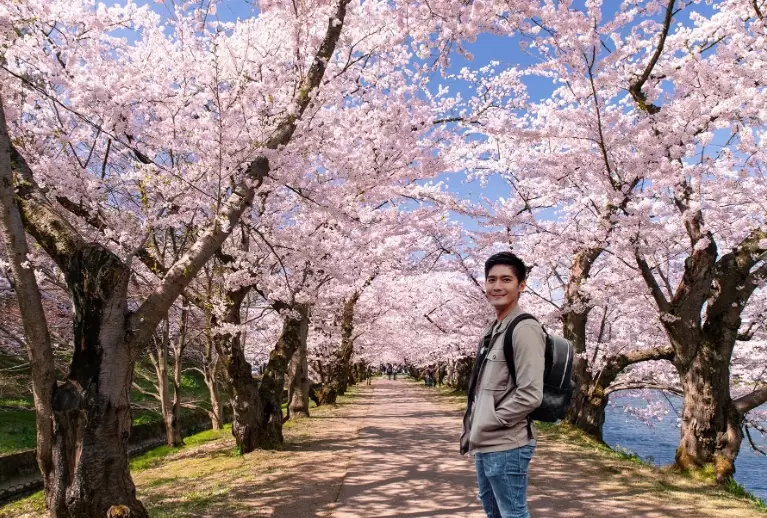
For a truly different vibe, head north to Hirosaki Park in Aomori. The castle, moats, and over 2,500 trees create a fairytale scene. Because it blooms in late April/early May, it attracts fewer international tourists, but plenty of Japanese ones. The scale and setting are hard to beat.
Sometimes the best spot is the unplanned one.
Seriously. On my last trip, some of my favorite moments were stumbling upon a small neighborhood shrine or a quiet stretch of riverbank lined with just a few trees, with no one else around. Keep your eyes open beyond the guidebook listings.
The Hanami Culture: How to Do It Right (and Not Be "That" Tourist)
Experiencing cherry blossom season in Japan isn't just sightseeing; it's participating in a centuries-old social ritual. Hanami literally means "viewing flowers," but in practice, it's about gathering with friends, family, or colleagues to eat, drink, and celebrate under the trees.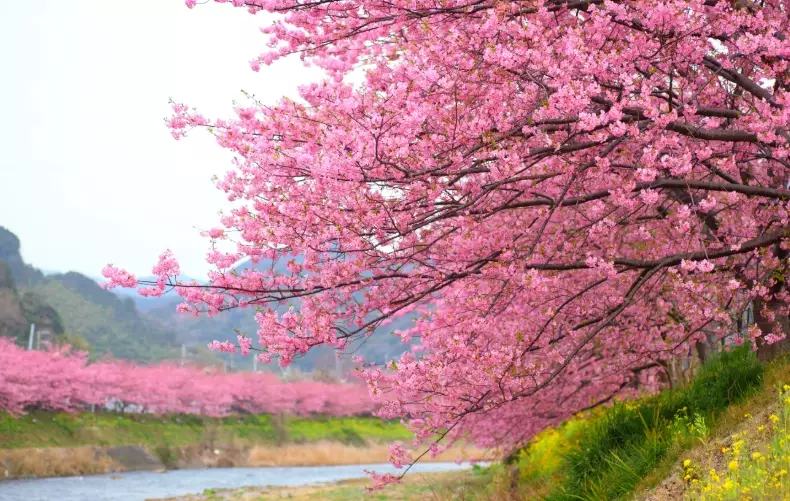
Here's the practical know-how you won't always find spelled out:
- The Tarp Situation: In popular parks, people claim spots with blue plastic tarps (often from the 100-yen shop) early in the morning, sometimes before sunrise. It's competitive. If you're with a group and want a prime spot, someone needs to do the dawn patrol. Solo or pair? You can often find smaller gaps later.
- What to Bring: A picnic blanket (or that iconic blue tarp), ready-to-eat food (bento boxes from department store basements are a gourmet treat), drinks (beer, sake, tea), wet wipes, and a bag for ALL your trash. This is critical.
- The Trash Rule: There are almost no public trash cans in these parks. You are expected to take every single thing you brought with you when you leave. This is non-negotiable and a major point of etiquette. Seeing litter after a hanami party is a real sore point.
- Noise & Respect: It's a festive atmosphere, but be mindful of volume, especially near temples or shrines. Don't climb the trees or shake the branches to make petals fall. It's disrespectful and damages the trees.
The beauty of sakura is deeply tied to mono no aware – the poignant awareness of impermanence. The blossoms are stunning precisely because they only last a week or two. The whole nation pauses to appreciate this fleeting moment. When you join a hanami, you're participating in that shared, quiet understanding, even amidst the party cheers.
Nighttime hanami (yozakura) is another fantastic experience. Many places light up the trees, creating a completely different, ethereal atmosphere. Check if your chosen spot has special evening illuminations.
Budget, Logistics & Navigating the Crowds
Let's talk logistics, because a dream trip can sour quickly if you're not prepared.
Accommodation: Book your hotels months in advance. I'm talking 6-8 months for popular cities like Kyoto. Prices skyrocket, and places sell out. Consider staying in a neighboring city (like Osaka for Kyoto) and commuting in by train, which can be cheaper and offer more availability.
Transport: Trains and subways will be busier than usual, but Japan's public transport handles crowds efficiently. A Japan Rail Pass might make sense if you're doing a lot of long-distance travel (e.g., chasing the bloom north). For city travel, IC cards (Suica, Pasmo) are your best friends. For inter-city trips during this peak period, book your Shinkansen (bullet train) seats in advance, especially on weekends.
The Crowd Reality: Major spots will be crowded. There's no way around it. Your strategy should be:
1. Go Early: Arrive at a famous spot by 7-8 AM. You'll get photos without people and a sense of calm before the storm.
2. Embrace the Side Streets: Wander a few blocks away from the main attraction. The density of trees in Japan is so high that you'll often find beautiful, quiet clusters.
3. Visit on a Weekday: If your schedule allows, Tuesday-Thursday are marginally better than weekends, when every local is also out hanami-ing.
Budgeting: Your two biggest costs will be flights and accommodation. Food and transport within Japan don't have to be exorbitant. Convenience store meals are delicious and cheap. Set a daily budget and assume you'll hit the high end of it during this peak season.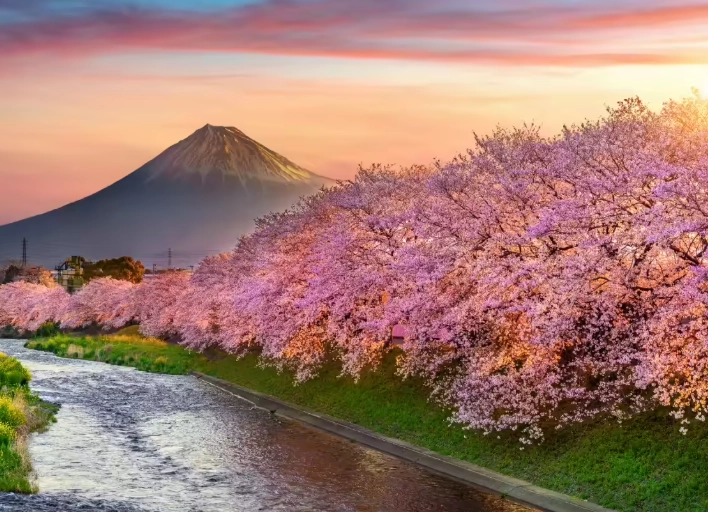
Your Cherry Blossom Season Japan FAQ
Let's tackle some of the specific questions buzzing in your head right now.
Yes! This is a great piece of info. The famous Somei Yoshino variety blooms and falls all at once. But Japan has over 200 varieties. Early-blooming Kawazu-zakura (bright pink) flowers in February/March in places like the Kawazu area on the Izu Peninsula. Late-blooming Yae-zakura (double-petaled flowers) and Shidare-zakura (weeping cherries) can bloom into late April or even early May in some areas. So all is not lost if your timing is off!
It's a spectacular reason to visit, but I'd strongly recommend combining it with other experiences. The season is short and weather-dependent (rain and wind can strip the petals early). Build an itinerary where the cherry blossoms are the magnificent highlight, but not the sole purpose. That way, you won't be devastated by a rogue weather event.
Layers! Spring weather is fickle. Mornings can be chilly, afternoons warm. A light jacket, sweater, and scarf are essential. Comfortable walking shoes are non-negotiable. A compact umbrella or light raincoat. A portable power bank for your phone (you'll be taking so many photos and using maps constantly). And maybe a small, foldable picnic sheet if you plan to join a hanami.
Rely on the official sources I mentioned earlier: the Japan Meteorological Corporation and the Japan Meteorological Agency. For crowd-sourced photos and real-time reports from the ground, websites like Japan-Guide.com's sakura page are incredibly useful. They have a dedicated team that updates conditions across the country.
Absolutely. Everyone flocks to Tokyo, Kyoto, and Osaka. Consider:
- Matsumae Park (Hokkaido): Japan's northernmost castle with thousands of trees of many late varieties (blooming in May).
- Miharu Takizakura (Fukushima): A single, ancient, majestic tree over 1,000 years old. It's a pilgrimage site and awe-inspiring in its scale and age.
- Inland areas like Nagano or Gifu: They often bloom a little later than the Pacific coast and see fewer international tourists.
Final Thoughts Before You Go
Planning a trip around the cherry blossom season in Japan requires a bit more effort and flexibility than a standard vacation. You're aligning with a natural phenomenon. But that's also what makes it so special. It's a shared, national moment of beauty you get to step into.
My biggest piece of advice? Don't get so obsessed with chasing the perfect bloom or the perfect photo that you forget to actually experience it. Put the camera down for a while. Sit on that tarp with a convenience store beer and a rice ball. Watch the petals drift down. Feel the buzz of collective appreciation in the air.
That's the real magic of hanami.
Do your homework with the forecasts, book early, prepare for crowds, and then once you're there, let go and just be in it. The cherry blossom season in Japan is a cliché for a reason – because it's genuinely, breathtakingly beautiful. With this guide, you're equipped to see it on your own terms. Now go start checking those flight prices.

Comments