You've seen the pictures: the iconic torii gate, the crowded paths, the observation tower. Most visitors to Enoshima treat it as a checklist item between Kamakura and the beach, rushing through the main shrine complex before heading back to Tokyo. They miss the point entirely.
Enoshima is a layered experience—part spiritual site, part geological wonder, part culinary destination. To do it right requires a shift in mindset. Don't just visit; explore. This guide is for the traveler who wants to understand the island, not just photograph it. We'll cover the logistics, the hidden spots most miss, and how to craft a day that feels uniquely yours.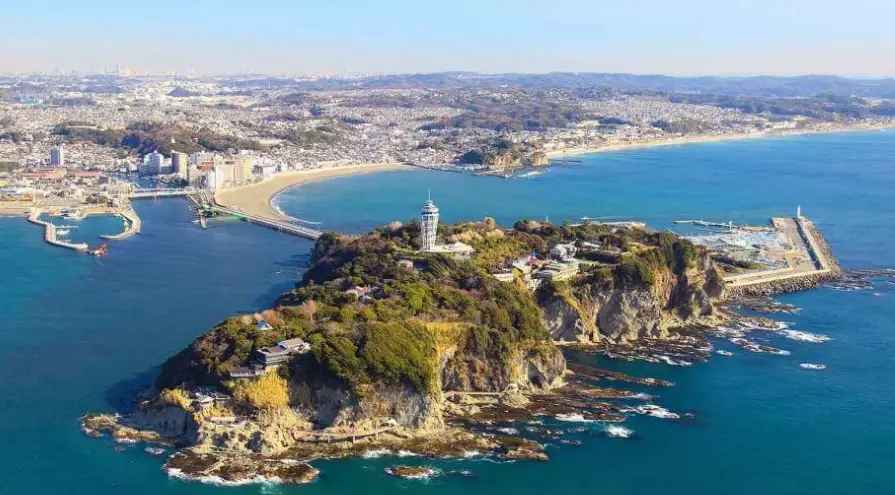
Your Enoshima Exploration Map
How to Get to Enoshima from Tokyo (The Real Choices)
Everyone asks for the "best" route. The truth is, it depends on where you start and what you value: speed, scenery, or simplicity.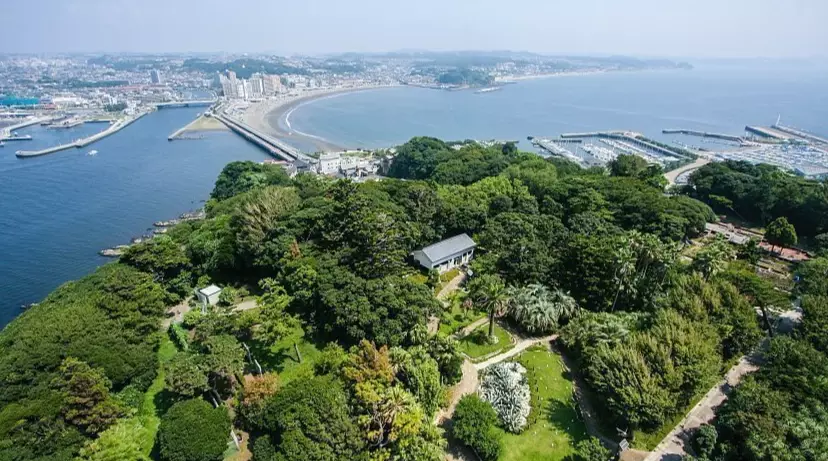
The Direct & Comfortable Route (Odakyu Romance Car): From Shinjuku Station, board the Odakyu Romance Car (limited express) directly to Katase-Enoshima Station. The ride takes about 75 minutes. It's not cheap (around ¥1,500 one-way plus the limited express fee), but you get spacious seats, large windows, and zero transfers. This is my top pick for a stress-free start, especially if you're carrying bags or just want to relax.
The JR Pass-Friendly Route: From Tokyo Station or Shinagawa, take the JR Tokaido Line to Fujisawa Station (about 50-60 minutes). From Fujisawa, you need to transfer to the Enoden Line or a bus for the final 10-minute leg to the island. It's covered by the JR Pass for the main leg, but the final connection is extra. It's efficient but lacks the "journey" feel.
The Classic Scenic Route (Enoden Line): This is the iconic way to arrive if you're coming from Kamakura. Hop on the charming, retro Enoden train from Hase Station (near the Great Buddha) or Kamakura Station. The track runs right along the coast, offering stunning sea views. It's slow, it can be packed, but it's an experience. Get off at Enoshima Station and walk across the bridge.
Pro Tip: If you're doing a Kamakura & Enoshima combo day, start in Kamakura. Do your temple touring in the morning when it's cooler and less crowded, then take the Enoden to Enoshima for lunch and afternoon exploration. Doing it in reverse means you'll hit Enoshima at its peak crowd time.
What Are the Best Things to Do on Enoshima?
Think of the island in three sections: the commercial approach, the spiritual middle, and the wild, rocky end.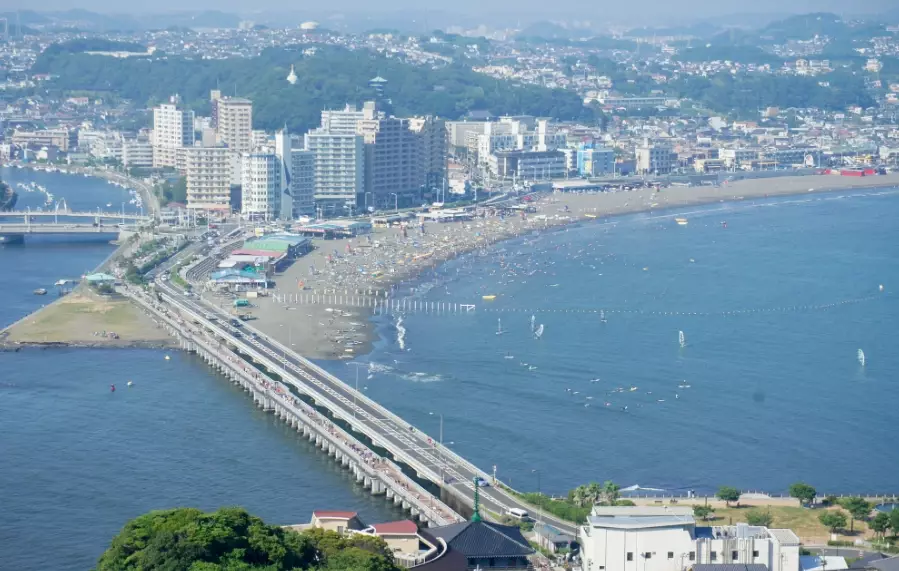
Enoshima Shrine (Hetsunomiya, Nakatsunomiya, Okutsunomiya)
This isn't one building but a complex of three shrines dedicated to Benzaiten, a goddess of music and fortune. The path up is lined with shops and restaurants—it's easy to get distracted. My advice? Use the escalator pass (¥800 for a one-way up ticket). It saves your energy for the actual exploring and lets you bypass the most crowded shopping stretch. The shrines themselves are beautiful, nestled into the hillside. Look for the dragon-washing fountain and the numerous statues.
Samuel Cocking Garden & the Sea Candle
At the top of the escalators, you'll find this botanical garden. Honestly, the garden is pleasant but skippable if you're short on time or not a flower enthusiast. What you must do is go up the Enoshima Sea Candle (observation tower). The 360-degree view is the single best perspective on the island. You see the curve of the coast, the distant outline of Mt. Fuji on a clear day, and how the island juts out into the sea. Admission is included in a combined ticket with the garden.
Enoshima Iwaya (The Sea Caves)
This is where Enoshima gets fascinating. At the island's far end, you descend into two sea caves formed by wave erosion. The first cave is lit with atmospheric lights explaining the island's dragon legend. The second cave is only accessible at low tide and is left almost dark, lit by a few candles—it's incredibly atmospheric and feels ancient. Don't wear heels; the paths are rocky and can be wet. Entrance fee: ¥500 per adult.
Most people turn back after the first shrine or the observation tower. The caves have a fraction of the visitors, which makes them a peaceful escape.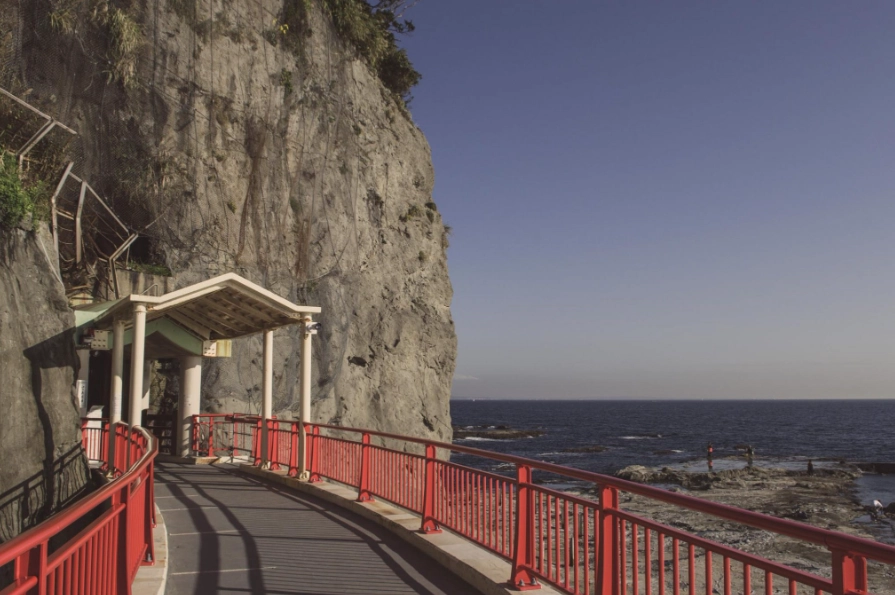
The Hidden Gems Most Tourists Walk Right Past
Here's the insider knowledge. After over a dozen visits, I've found spots most miss because they stick to the main paved path.
The Ryuren no Kane (Bell of Dragon Love): Past the main shrine complex, on the way to the caves, there's a small observation deck with a bell. Couples ring it for luck in love. The view here, looking back towards the mainland, is less crowded than the Sea Candle and just as beautiful in the late afternoon light.
The Backside Coastal Path: Instead of taking the paved main road back from the caves, look for the seaside walking path that runs along the island's southern edge. It's rougher, windier, and you'll likely have it to yourself. You'll get raw, uninterrupted views of the Pacific crashing against the cliffs. It connects back to the main area near the yacht harbor.
Morning at the Torii Gate: The famous red torii gate on the approach bridge looks great in photos, but it's swamped by midday. If you stay overnight on the island, walk down at sunrise. You'll have the gate, the bridge, and the view of Mt. Fuji (if she's out) completely to yourself. It's a magical, quiet moment that defines the island's true character.
The biggest mistake first-timers make is treating Enoshima as a linear A-to-B hike. It's a loop. Go up one way, explore the edges, come down another.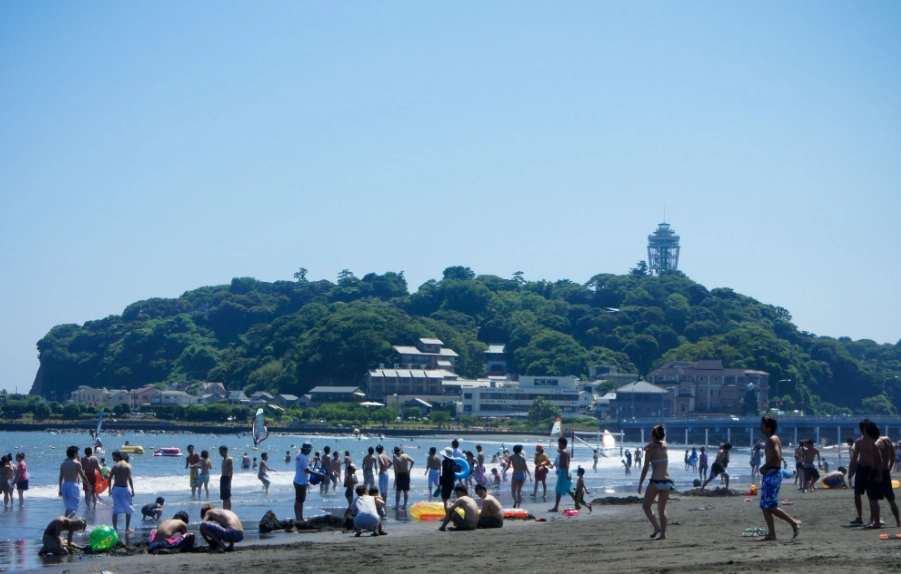
What to Eat on Enoshima (Beyond Shirasu)
Yes, you have to try shirasu (whitebait). The tiny, translucent fish are a local specialty. But don't just get the basic bowl on rice (shirasu-don).
Look for shirasu pizza or shirasu croquettes for something different. For the classic bowl, head to a restaurant with a view. Many along the main street have second-floor seating overlooking the water.
Tako Senbei (Octopus Crackers): Watch as a live octopus is pressed into a thin, giant cracker right in front of you. It's more of a spectacle and a snack than a meal, but it's fun. They taste like a savory, seafood-flavored rice cracker.
Local Craft Beer: Near the entrance, you'll find the Enoshima Beer Brewery taproom. After a day of walking, their locally brewed ale or weizen is incredibly refreshing. Pair it with some German-style sausages—a nod to Enoshima's historical connection with foreign traders.
Avoid the generic tourist restaurants in the most congested part of the approach street. Walk another 50 meters towards the island or look for places on the side streets; the quality is often better and the prices slightly lower.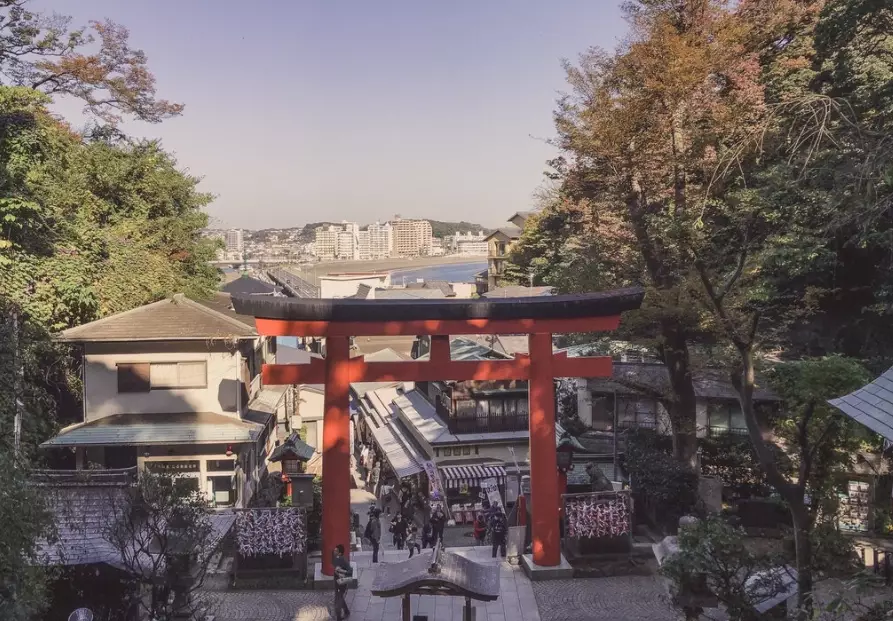
Where to Stay on Enoshima (For a Different Vibe)
Staying overnight transforms the experience. The day-tripper crowds vanish after 4 PM, and the island reverts to a peaceful village. You can enjoy the onsens (hot springs) with a view and that serene sunrise.
| Hotel | Location & Address | Key Feature | Price Range (Per Night) |
|---|---|---|---|
| Enoshima Hotel | On the island, 2-1-8 Enoshima, Fujisawa | Classic, luxurious seaside hotel with multiple restaurants and private beach access. The oldest hotel on the island. | ¥40,000 - ¥80,000+ |
| Enoshima Island Spa | On the island, near the entrance bridge | Modern spa hotel focused on wellness. Features large public baths with ocean views and relaxation spaces. | ¥25,000 - ¥45,000 |
| Guesthouse TORI | On the mainland, a short walk from the bridge, 1-4-8 Katasekaigan, Fujisawa | Budget-friendly, stylish guesthouse with a social atmosphere. Great for solo travelers or pairs. | ¥6,000 - ¥10,000 |
For most, I recommend the spa hotel. The value of soaking in an onsen while watching the sunset over Sagami Bay is unbeatable and is the quintessential Enoshima overnight experience.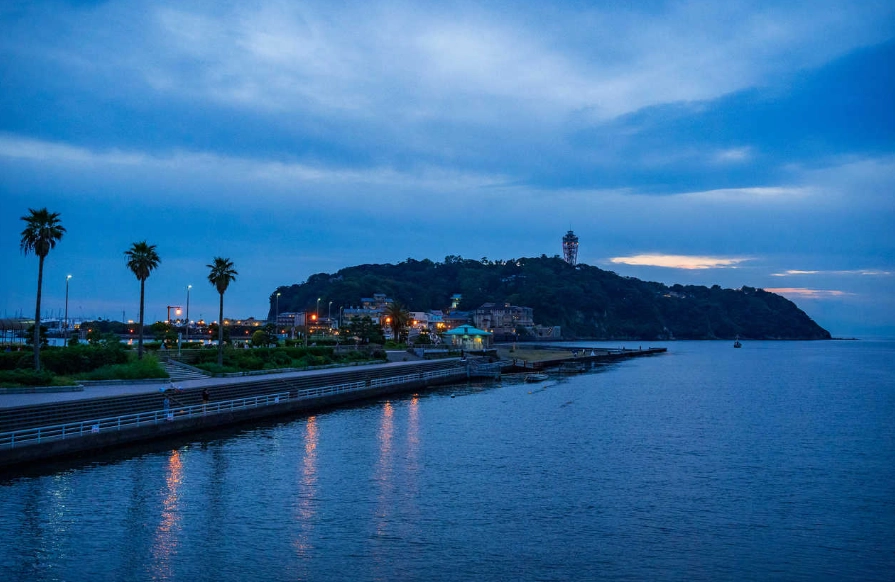
Your Enoshina Questions, Answered
How do I avoid the biggest crowds on Enoshima?
Is Enoshima worth visiting if I only have half a day?
What should I wear and bring?
Can I combine Enoshima with Kamakura in one day?
Comments