Let's be honest, planning a trip to Okinawa can feel overwhelming. You've seen the pictures of turquoise water, but then you hear there are over 160 islands. Which ones do you pick? When is the best time to go? How do you even start? I remember my first time planning an Okinawa travel itinerary. I spent hours jumping between tabs, confused about the difference between Ishigaki and Iriomote, and wondering if I needed to rent a car the moment I landed.
Your Okinawa Journey at a Glance
- When to Go: Timing Your Okinawa Adventure
- Where to Go: Picking Your Island(s)
- Building Your Okinawa Itinerary: Sample Plans
- Getting Around: Transport Truths
- Where to Stay: From Budget to Splurge
- Eating & Drinking: A Food Lover's Map
- Money & Budgeting: What It Really Costs
- Practical Tips & Cultural Etiquette
- Your Okinawa Travel Questions Answered
Well, I've been back several times since, made my fair share of mistakes (like trying to see too much in one day), and figured out what actually works. This guide is what I wish I had. It's not just a list of places. It's the real, practical stuff you need to know to build your dream trip, save money, and avoid the common pitfalls. We'll talk about everything from picking your base island to finding those quiet beaches away from the crowds.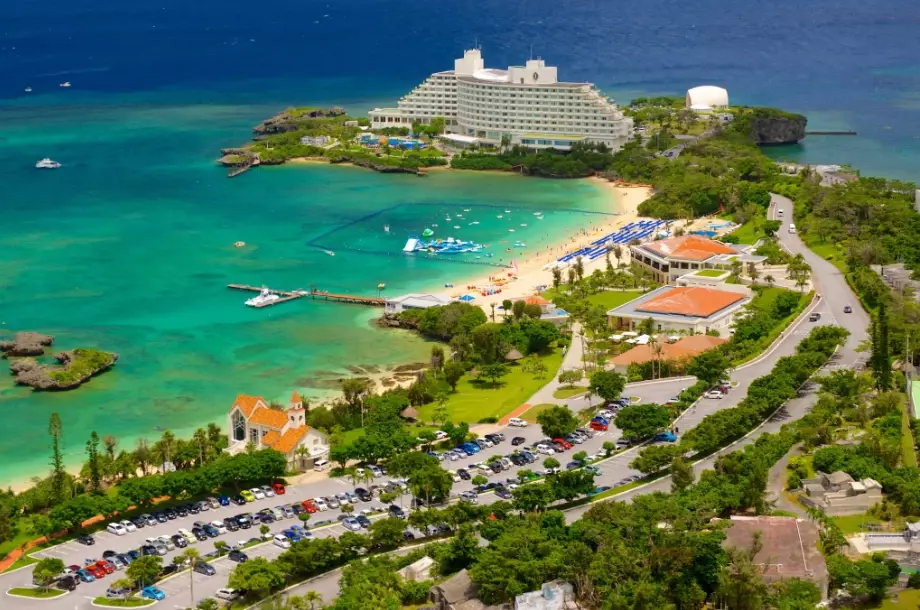
When to Go: Timing Your Okinawa Adventure
This is probably the first question on everyone's mind. The answer isn't as simple as "summer." Okinawa's weather has its own personality, and picking the right time can make or break your trip.
Most people aim for the sunny, beach-ready months. That's logical. But let me tell you, July and August are... intense. The sun is fierce, the humidity wraps around you like a warm blanket, and the popular spots are packed with both international tourists and Japanese families on holiday. The sea is bathtub-warm and perfect for swimming, but you'll be fighting for a spot on the sand at places like Manza Beach. If you thrive on energy and don't mind the heat, go for it. But if you prefer a slightly more relaxed pace, consider the shoulder seasons.
| Month | Weather & Sea | Crowds & Price | Best For |
|---|---|---|---|
| April - June | Pleasant warmth, lower humidity. Sea is warming up (swimmable by late April/May). Risk of early rainy season ("Tsuyu") in May/June. | Shoulder season. Good balance before the summer rush. Prices are reasonable. | Beach days, hiking, outdoor activities without extreme heat. Whale watching ends in April. |
| July - August | Hot, humid, sunny. High chance of typhoons. Sea is very warm and calm between storms. | Peak season. Very crowded. Highest prices for flights and hotels. Book far in advance. | Classic summer beach vacation, water sports, festivals (like Ocean Expo Park events). |
| September - October | Typhoon season peak (especially Sept). Can be very rainy/windy. Heat persists. Sea remains warm. | Crowds thin out significantly. Prices drop. Some facilities may have shorter hours. | Surfers (typhoon swells!), budget travelers, those flexible with plans. A bit of a gamble. |
| November - March | Mild, dry "winter." Cooler (15-20°C/59-68°F). Sea is too cold for most to swim (except die-hards in wetsuits). | Low season (except New Year). Least crowded. Best hotel deals. | Cultural exploration, hiking, food tours, whale watching (Jan-Apr). Not a beach-swimming trip. |
My personal favorite? Late October into November. The typhoon risk drops, the crushing heat is gone, the water is still surprisingly warm from the summer's heat, and you can actually find a quiet corner of a beach. You might get a passing shower, but it rarely lasts all day. It feels like you have the place more to yourself.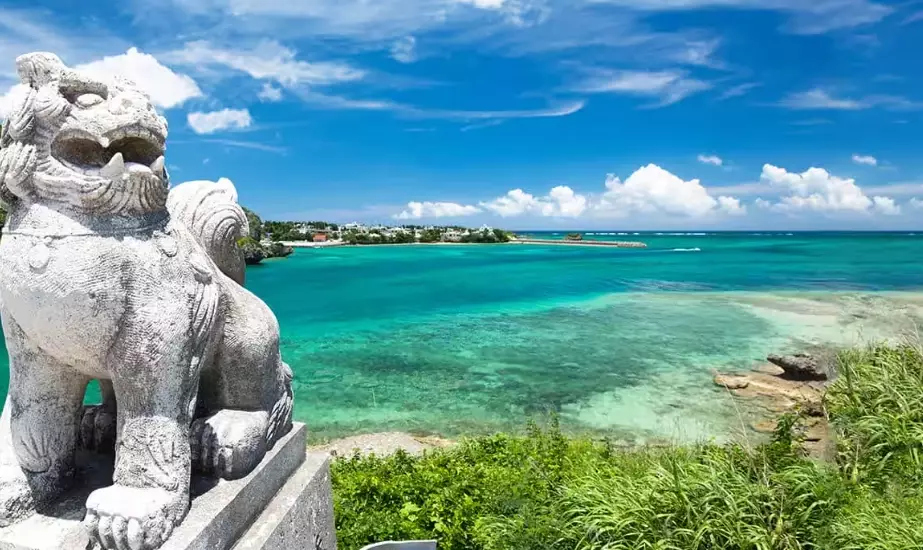
Typhoon Talk: You can't ignore this. The official season runs from about May to October, with peak activity from August to September. A typhoon doesn't mean your whole trip is ruined—they often pass quickly—but they can ground flights, cancel ferries, and close attractions for a day or two. Always, always get travel insurance that covers weather disruptions. Check reliable sources like the Japan Meteorological Agency for forecasts.
Where to Go: Picking Your Island(s)
This is the heart of planning your Okinawa travel. Think of it in clusters.
Okinawa Main Island (Okinawa Honto)
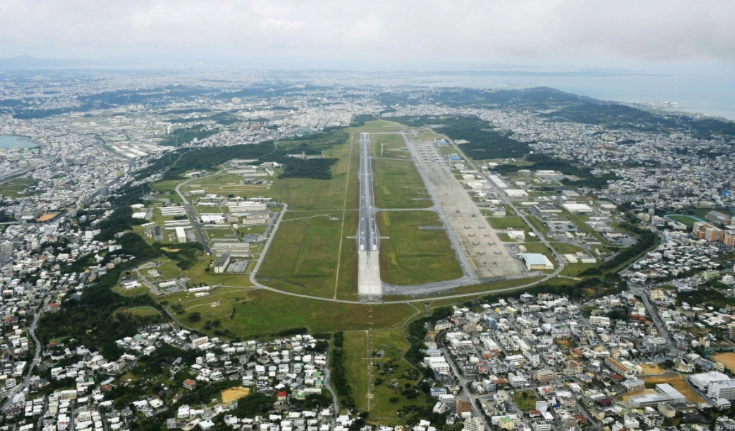
This is where most people start, flying into Naha. It's the hub, and honestly, it has a bit of everything, but it's also the most developed. The south has the history (Shuri Castle, the Peace Memorial Park), the central part has the American-influenced culture and some great beaches like Manza, and the north (Yanbaru) is lush, mountainous, and feels a world away.
You need a car here. Public transport exists but is slow and won't get you to the best coves or forest trails. A lot of first-time visitors make the mistake of basing themselves only in Naha. Naha is great for food and initial convenience, but to experience Okinawa's nature, you need to get out. I'd recommend splitting your stay—a night or two in Naha at the start or end, and the rest somewhere up north like Onna Village or Nago.
The Kerama Islands
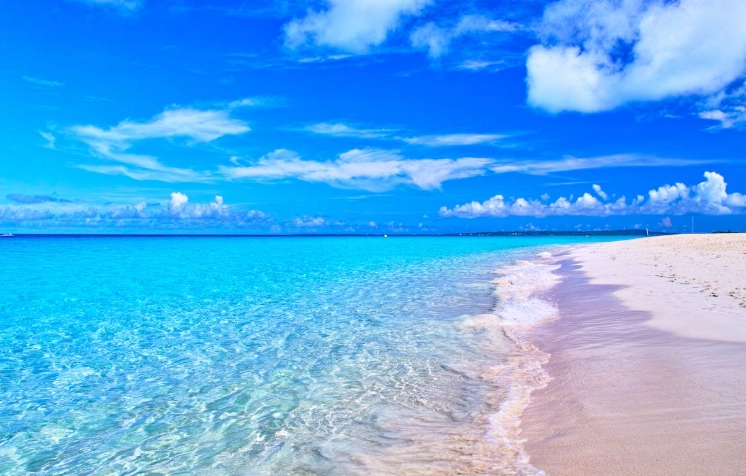
A mere 30-50 minute ferry from Naha's Tomari Port, this is the easiest island escape. Tokashiki, Zamami, and Aka are the main ones. We're talking stupidly clear blue water (they call it "Kerama Blue"), white sand, and fantastic snorkeling right off the beach. It's perfect if you only have a few days to add to a main island trip or want a concentrated dose of paradise without a complex ferry schedule.
Zamami is my top pick for a relaxed vibe. You can rent a bicycle or scooter to get around. The beach called Furuzamami is a long, gorgeous arc of sand. It can get a day-trip crowd from the main island, but stay overnight and you get the place almost to yourself in the late afternoon.
Miyako and Yaeyama Islands (Ishigaki, Iriomote, Taketomi)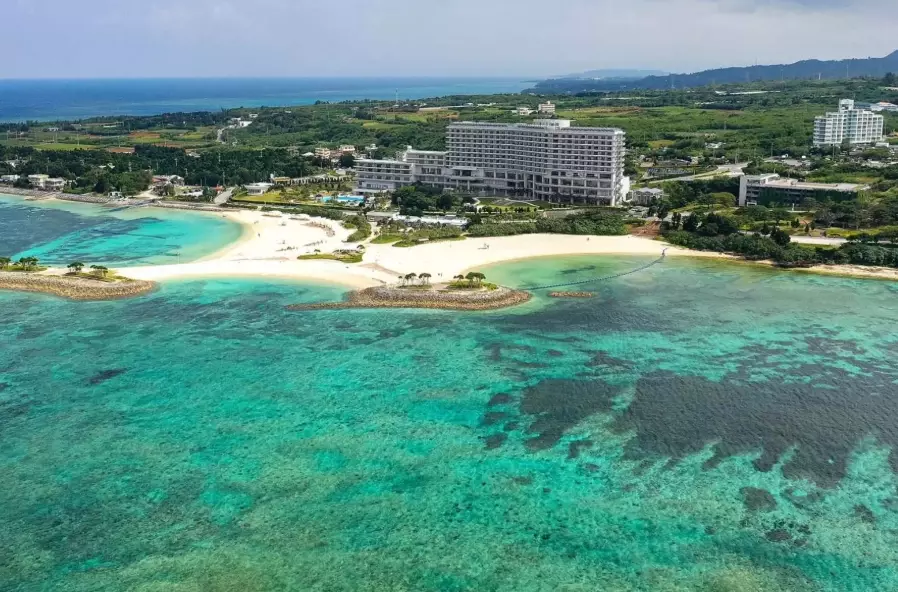
Now we're getting into the real remote gems. You'll need to take a domestic flight from Naha (about 1 hour). This is where your Okinawa travel dreams of untouched nature come true.
- Miyakojima: Famous for some of Japan's best beaches—like Yonaha Maehama with its 7km stretch of blinding white sand. It's flat, great for cycling, and has a stunning, modern bridge (Irabu Bridge) you can drive or even walk across. The water clarity is insane.
- Ishigaki: The transport hub for the Yaeyamas. It's a lovely island itself with great food (beef!), hiking (Mt. Nosoko), and Kabira Bay—a picture-perfect, protected bay with emerald water (though swimming is prohibited to protect the pearl farms).
- Iriomotejima: Over 90% jungle and mangrove. This isn't a beach-bum island; it's an adventure island. You come here to kayak up the Urauchi River, hike to majestic waterfalls like Pinaisara, and look for the elusive Iriomote wildcat. It feels like a different country.
- Taketomijima: A 10-minute ferry from Ishigaki. This tiny island is a living museum of traditional Ryukyu village life. No paved roads (just crushed coral sand), traditional red-tiled houses with shisa lions on the roofs, and water buffalo cart rides. It's touristy, yes, but it's genuinely charming and feels preserved in time.
So how do you choose? If you have under a week, stick to the main island and maybe the Keramas. If you have 10 days or more and crave that "remote island" feel, fly straight to Ishigaki or Miyako and explore that cluster. Trying to do the main island AND the Yaeyamas in one short trip is a recipe for exhaustion.
Building Your Okinawa Itinerary: Sample Plans
Let's get practical. Here are two frameworks based on common trip lengths.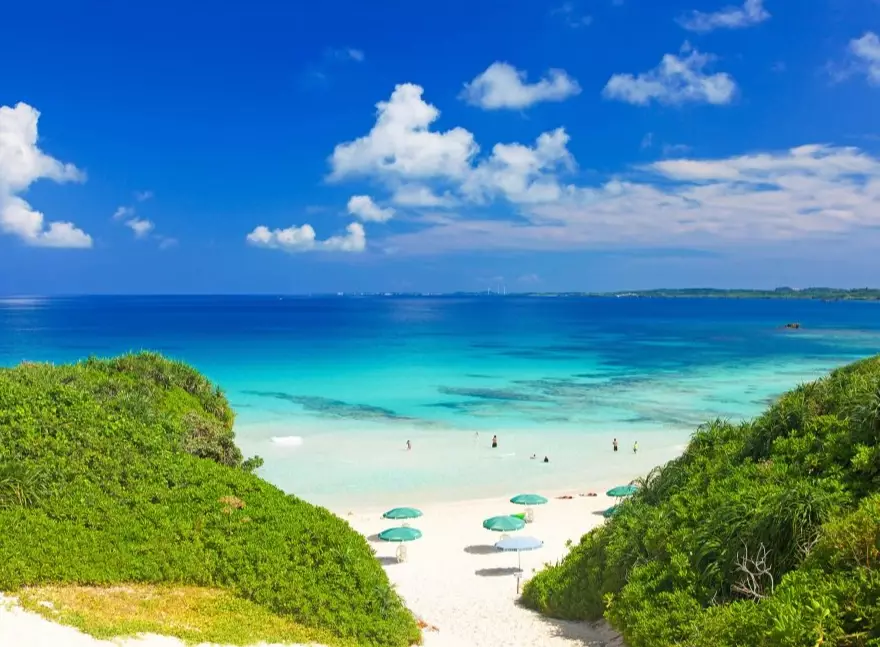
The 5-Day Classic (Main Island + Kerama Taste)
- Day 1: Arrive in Naha. Pick up your rental car. Don't overdo it. Settle in, maybe in Onna Village. Have a slow dinner at a local soba shop.
- Day 2: Explore the North. Cape Manzamo, the Emerald Coast, maybe the Churaumi Aquarium (it's impressive, but also crowded—go early). Find a quiet beach cove for the afternoon.
- Day 3: Day trip to a Kerama Island. Take an early ferry to Zamami. Rent a bike, snorkel at Furuzamami Beach, hike to a viewpoint. Return to Naha in the evening. Stay in Naha tonight.
- Day 4: Cultural day in the South. Shuri Castle (note: parts are still under reconstruction after the 2019 fire, but it's still worth visiting for the site and history), the Peace Memorial Museum (sobering but essential), and the unique limestone caves at Okinawa World.
- Day 5: Last-minute shopping at Kokusai Dori, eat one last bowl of Rafute (braised pork belly), depart.
The 10-Day Island Hopper (Yaeyama Focus)
- Days 1-3: Fly into Ishigaki. Rent a car. Explore Ishigaki—Kabira Bay, Mt. Nosoko, sample Ishigaki beef and local craft beer. Take a sunset cruise.
- Day 4: Day trip to Taketomi. Wander the streets, do the buffalo cart tour, relax on the star-sand beach (Kondoi).
- Days 5-6: Ferry to Iriomote. Stay near the port (Ohara or Uehara). Book a guided kayaking or jungle trekking tour to the interior waterfalls. This is not a DIY place; a guide is highly recommended for safety and to learn about the ecosystem.
- Day 7: Ferry back to Ishigaki. Optional: Day trip to nearby Kohama Island for a resort-style beach day.
- Days 8-10: Fly from Ishigaki to Miyakojima (short flight). Rent a car. Beach hop—Yonaha, Sunayama, Aragusuku. Drive across Irabu Bridge. Snorkel or dive at one of the many spectacular spots. Fly back to Naha/Home from Miyako.
See the difference? One is a sampler, the other is a deep dive. Your Okinawa travel plans should match your energy level and what you truly want from the trip.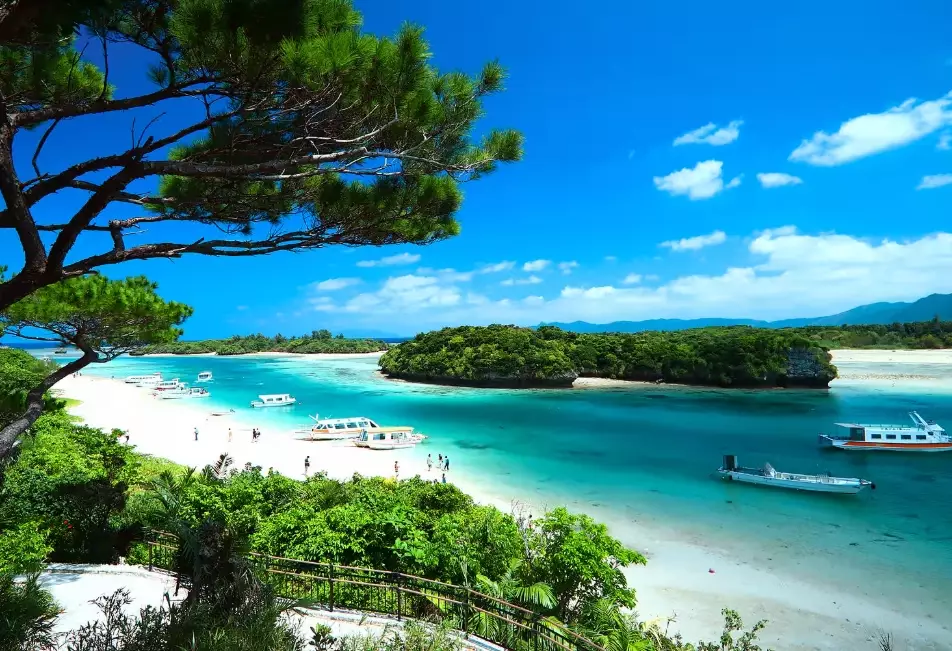
Getting Around: Transport Truths
This trips up a lot of people. Outside Naha city, Okinawa is not like Tokyo or Kyoto.
Rental Car: For the main island, Miyako, or Ishigaki, this is non-negotiable for a flexible trip. You need an International Driving Permit (IDP) from your home country before you arrive. Japanese police do not accept your domestic license alone. Book your car early, especially in peak season. Driving is on the left. Roads in the north of the main island can be winding and slow.
Public Buses: On the main island, they exist but are infrequent, especially to tourist spots in the north. A journey from Naha to the aquarium can take 2.5+ hours by bus versus 1.5 hours by car. Not efficient for sightseeing.
Ferries: For island hopping. Companies like A Line and Marix operate routes. Schedules change seasonally and can be canceled due to weather. Book online in advance for peace of mind, especially for car ferries.
Taxis & Tours: Expensive but an option if you can't drive. On the main island, you can book private driver-guided tours, which can be great for history-focused days.
I made the IDP mistake once. Landed in Naha, went to the rental counter, and was politely but firmly turned away. Had to scramble to use buses and expensive taxis for two days until I could sort out an alternative. Don't be me. Get that permit.
Where to Stay: From Budget to Splurge
Accommodation shapes your trip. Here’s the lay of the land.
- City Hotels (Naha): Convenient for arrival/departure and nightlife. Look near Kokusai Dori or the Monorail line. Good for short stays.
- Resort Hotels (Onna, Miyako): Often have private beach access, pools, multiple restaurants. Perfect for a relaxing, do-nothing beach holiday. Can feel isolating if you want to explore local culture.
- Business Hotels: Simple, clean, small rooms. Located in towns. Good for road-trippers who just need a place to sleep.
- Minshuku & Pensions: Family-run guesthouses. Often include homemade breakfast and/or dinner. More personal, great for cultural exchange. Bathrooms might be shared. You can find these on smaller islands like Zamami.
- Vacation Rentals: Plenty on the main island. Good for families or groups. Be a respectful guest—noise can travel in residential areas.
My advice? Mix it up. A night in a minshuku for the experience, a few nights in a resort to unwind, and a practical city hotel at the end. For authentic Okinawa travel, that minshuku stay is often the most memorable part.
Eating & Drinking: A Food Lover's Map
Okinawan cuisine is its own thing—different from mainland Japan, with Chinese and Southeast Asian influences. It's hearty, often pork-based, and focused on longevity.
Must-Try Dishes:
- Okinawa Soba: The soul food. Wheat noodles in a pork-bone broth, topped with stewed pork belly (soki), fish cake, and scallions. Not to be confused with the buckwheat soba of mainland Japan. It's comfort in a bowl.
- Goya Champuru: A stir-fry of bitter melon (goya), tofu, egg, and spam or pork. An acquired taste for some, but iconic.
- Rafute: Slow-braised pork belly so tender it melts, in a soy-based sauce. Rich and unforgettable.
- Umibudo (Sea Grapes): A unique seaweed that pops in your mouth like tiny caviar. Served with a ponzu dip. A refreshing starter.
- Awamori: The local distilled spirit, made from long-grained Thai rice. Can be drunk on the rocks, with water, or aged (Kusu). Strong stuff!
Don't just eat at tourist spots on Kokusai Dori. Wander into the side streets (the *yokocho* alleys), or better yet, drive to a small, family-run shop in a village. Look for places filled with locals. The Okinawa Tourist Information website has great resources on food culture.
And yes, try the Blue Seal ice cream. It's an American legacy turned Okinawan staple. The purple sweet potato flavor is a winner.
Money & Budgeting: What It Really Costs
Okinawa can be as expensive or as reasonable as you make it. It's generally cheaper than Tokyo but more expensive than Southeast Asia. The biggest costs are flights and inter-island transport.
Budget Breakdown (Per Person, Per Day):
Shoestring (~¥8,000): Dorm bed, bus travel, convenience store meals, free beaches.
Comfortable (~¥15,000-¥20,000): Business hotel/double in minshuku, rental car split between two, eating at local restaurants, paid attractions.
Luxury (¥30,000+): Beachfront resort, fine dining, private tours, domestic flights between islands.
Save money by: traveling in shoulder/low season, booking flights/ferries early, using convenience stores (Lawson, FamilyMart) for great breakfast/lunch options, and picnicking with items from local supermarkets (San-A, JUSCO).
Practical Tips & Cultural Etiquette
A few loose ends to tie up.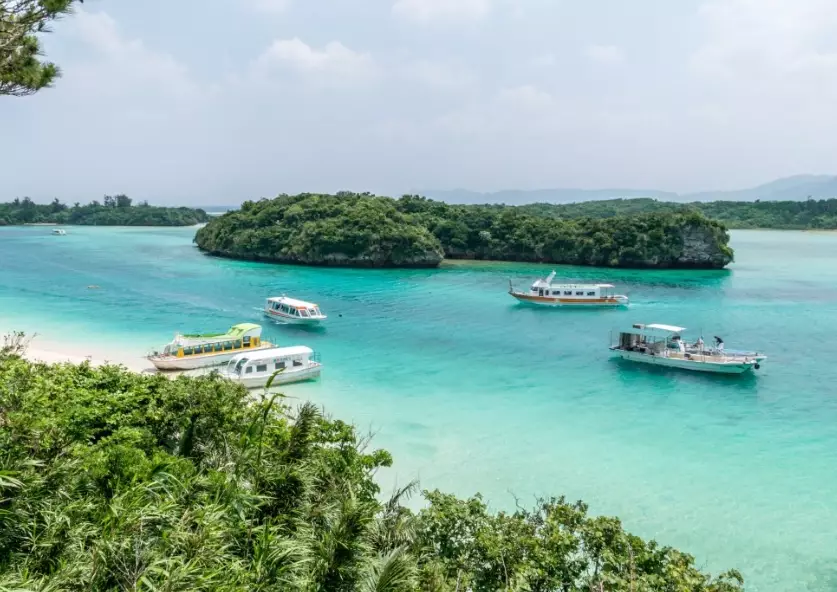
- Language: Basic English is understood at major hotels and tourist spots. In rural areas and small shops, it's minimal. Learn a few phrases (“Konnichiwa,” “Arigatou,” “Sumimasen”). A translation app is your friend. People are incredibly kind and will try to help even with a language barrier.
- Cash is King: While credit cards are accepted at hotels and big restaurants, many smaller eateries, minshukus, and market stalls are cash-only. Always carry yen.
- Swimming Safety: Only swim at designated beaches with lifeguards (especially in typhoon season or winter). Currents can be strong. Many beautiful coastal areas are cliffs with no safe swimming access.
- Sun Protection: This is not a drill. The sun is intense. Reef-safe sunscreen, hat, long-sleeve rash guard for snorkeling are mandatory unless you want a painful souvenir.
- Respect: Be quiet and respectful at war memorials and peace parks. Don't climb on old castle walls or sacred sites (utaki). The shisa lion statues are protectors, not toys.
- Sustainability: Okinawa's beauty is fragile. Take all your trash with you (bins are scarce). Don't touch or step on coral. Use reef-safe sunscreen. Support local businesses. The Sustainable Okinawa initiative has good guidelines.
Okinawa moves at its own pace. It's called "Okinawa time" for a reason. Don't fight it. Slow down. Talk to people. Get lost on a small road. That's where the magic happens.
Your Okinawa Travel Questions Answered
Look, planning any trip involves details. But for Okinawa travel, the key is to embrace the slowness, the warmth (both the weather and the people), and the sheer beauty of a culture and landscape that feels uniquely its own. Do your homework, make a flexible plan, and then be ready to let it go a little when you find that perfect, empty beach or get invited to share a drink with a local.
That's the real Okinawa. You're going to love it.

Comments