The short answer is: it depends entirely on your nationality. For many, the answer is a welcome no, you don't need a visa for short-term tourism. For others, it's a definitive yes. Japan's visa policy is a patchwork of exemptions and requirements that can trip up even seasoned travelers. I've seen people at check-in counters in Bangkok and Singapore suddenly realizing their paperwork isn't in order, facing the gut-wrenching possibility of a ruined trip. Let's clear that confusion up right now.
What's Inside
Who Can Enter Japan Without a Visa?
Japan has visa exemption agreements with 70 countries and regions. If you hold an ordinary passport from one of these places, you can enter as a temporary visitor for tourism or business without obtaining a visa beforehand. The key phrase is "temporary visitor."
The most common allowance is 90 days. This applies to passport holders from the United States, Canada, the United Kingdom, Australia, New Zealand, and most European nations. You get a stamp on arrival, and that's it.
But here's the first nuance most generic guides miss: "90 days" doesn't mean three calendar months. It means 90 days from your date of entry. I met a traveler from France who planned a long summer trip from June 1 to August 30. He thought he was fine—three months. August 30 is 90 days after June 1? No. June has 30 days, July 31, August 31... that's actually 91 days. He had to scramble to change his flight by a day. The immigration officers count the days precisely.
Key Conditions for Visa-Free Entry: Your passport must be valid for the entire duration of your stay. You must have a return or onward ticket. You cannot engage in any paid work. The purpose must align with activities permitted for "temporary visitors," which includes tourism, visiting friends/family, attending conferences, or certain business meetings (like contract signings).
Some countries have different terms. For example, passport holders from Singapore, Thailand, and Brunei get a 15-day visa-free stay. Travelers from the United Arab Emirates get 30 days. Always double-check the specific terms for your country on the official source, the Japanese Ministry of Foreign Affairs (MOFA) website.
Understanding Japan's New eVISA System
This is the big change that's causing a lot of confusion. Japan has been rolling out an electronic visa (eVISA) system for certain nationalities. It's not a universal online visa application portal yet. As of now, it's primarily targeted at travelers applying for tourist visas from specific countries where applications are handled through designated travel agencies.
Here’s how it currently works for, say, a tourist from the Philippines or Vietnam applying through an agency in their home country:
- The travel agency submits the application online via the eVISA system.
- If approved, the applicant receives a "Visa Issuance Notice" via email. This is NOT the visa itself.
- The traveler must present a printed copy of this notice at the airline check-in counter and to Japanese immigration upon arrival.
- The actual visa sticker is placed in the passport at the immigration checkpoint in Japan.
The critical mistake? People see "eVISA" and think it's a digital authorization like an ESTA for the USA. It's not. You must print that notice. No printout, no boarding pass. I've heard stories from airline staff at Narita who have to turn away excited travelers clutching their phones, showing the email. The airline's system requires a physical document scan.
The system is evolving. Always confirm the latest process with your local Japanese embassy/consulate or authorized visa agency.
How to Apply for a Japan Tourist Visa (Step-by-Step)
If your country isn't on the exemption list, you'll need to apply for a visa. The process is standardized but requires meticulous attention to detail. As someone who's helped friends navigate this, the bureaucracy is precise but fair.
Where and How to Apply
You cannot apply directly to the Japanese embassy in most cases. Applications are almost always submitted through an authorized visa application agency (like VFS Global or specific local agencies) in your country of residence. Find the official list on your local Japanese embassy's website. Go anywhere else, and you risk fraud or rejection.
Documents You'll Need (The Checklist)
Requirements vary slightly by embassy, but the core list is universal. Missing one item is an instant rejection.
| Document | Specifications & Expert Tips |
|---|---|
| Visa Application Form | Download the latest version from the embassy site. Type it, don't handwrite. Every field must be filled—write "N/A" for not applicable. A sloppy form signals a sloppy traveler. |
| Passport | Must have at least two blank pages and be valid for the duration of your stay. They mean blank visa pages, not amendment pages. |
| Photo | One 45mm x 45mm (or 2" x 2") recent, white-background photo. Glue it firmly to the form. Staple it, and it might be rejected for damaging the photo. |
| Flight Itinerary | A confirmed reservation. Not just a "hold." Some embassies accept a detailed itinerary from a travel agent if you haven't paid yet. Check their specific rule. |
| Hotel Itinerary | Confirmations for every night of your stay. If staying with friends, you need an Invitation Letter and their residence documents ("jūminhyō"). Airbnb confirmations are usually accepted now. |
| Proof of Financial Means | Bank statements (last 3-6 months). The balance should comfortably cover your trip. A sudden large deposit right before applying looks suspicious. Consistent savings are key. |
| Employment Verification | A letter from your employer stating your position, salary, and approved leave dates. For self-employed, business registration and tax returns. |
Processing times average 5 to 10 working days, but can be longer during peak seasons (before Golden Week, New Year). Apply at least one month, preferably six weeks, before your trip.
Top 3 Visa Application Mistakes You Must Avoid
After reviewing dozens of applications, these are the errors I see repeatedly.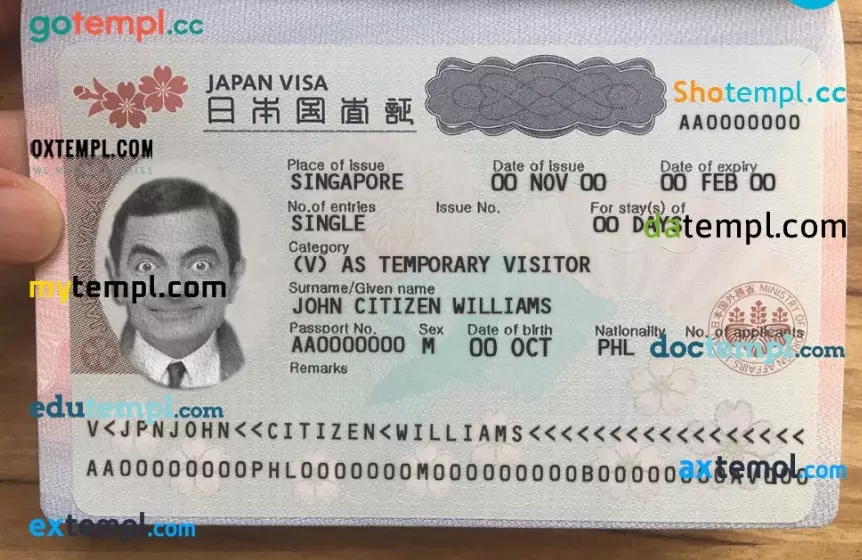
Mistake 1: Underestimating the Financial Proof. It's not just about having money. The officers look for stability. If your last three statements show a balance of $500 and then suddenly you deposit $5,000 a week before applying, they'll question it. They want to see you can afford this trip without straining your finances. A steady income and consistent savings pattern beat a last-minute cash injection.
Mistake 2: Vague or Incomplete Itinerary. Writing "Tokyo, Kyoto, Osaka" for 10 days isn't enough. You need a day-by-day plan: "Day 1: Arrive at HND, hotel in Shinjuku. Day 2: Visit Meiji Shrine, Shibuya Crossing. Day 3: Travel to Kyoto via Shinkansen, check into hotel in Gion..." This shows you're a genuine tourist with a real plan. It also helps you estimate daily costs more accurately for your financial proof.
Mistake 3: Applying Through the Wrong Channel. Never use a "visa consultant" you find on a general travel forum who isn't listed on the official embassy website. These middlemen often overcharge, use fake documents, or make errors that get you blacklisted. Go directly to the embassy's listed authorized agency. The extra $10 in service fees is worth the peace of mind.
Remember: A visa is a pre-clearance to travel to the border. The final decision on entry rests with the immigration officer at the Japanese airport. Have all your supporting documents (return ticket, hotel confirmations, insurance, proof of funds) readily accessible in your carry-on, even if you entered visa-free.
Your Japan Visa Questions, Answered
The landscape of Japan's visa rules is shifting, especially with the gradual digitalization of the process. The most reliable source remains the official Japanese Ministry of Foreign Affairs website and the website of the Japanese embassy or consulate in your home country. Double-check there a few weeks before you start your application process. A little bit of careful preparation ensures your focus stays where it should be: on dreaming about sushi, temples, and bullet trains, not on bureaucratic paperwork.




Comments