Quick Navigation: What's Inside This Guide
Let's cut to the chase. If you're searching for "tokushima japan," you probably want more than just a list of famous spots. You want to know if it's worth the trip, how to avoid tourist traps, and what locals actually do. I've been to Tokushima three times over the past decade—once for the Awa Odori festival, once to hike the Iya Valley, and once just to eat my way through the city. Each visit showed me a different side of this underrated prefecture on Shikoku Island. In this guide, I'll share everything I wish I knew before my first visit, from hidden gems to common pitfalls.
Tokushima isn't just about the whirlpools or the dance. It's a place where you can still find quiet mountain trails, family-run soba shops, and onsen with no crowds. But planning a trip here requires some insider knowledge, especially if you're not fluent in Japanese. I'll cover the essentials: attractions with precise details like ticket prices and transport, food spots that won't break the bank, accommodation options for every budget, and a sample itinerary that actually works.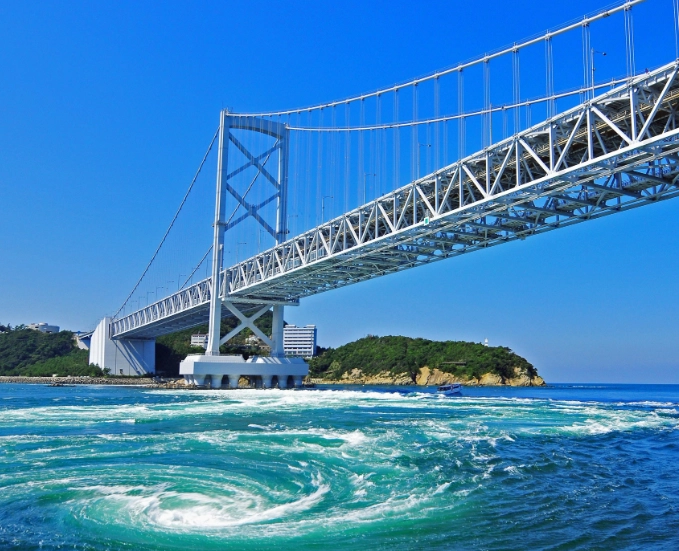
Top Attractions in Tokushima Japan: Beyond the Postcards
Most guides will tell you to hit the same three spots. They're great, but here's the real scoop on how to experience them without the hassle.
Naruto Whirlpools: Timing Is Everything
The Naruto Whirlpools are iconic, but they're not always roaring. I made the mistake of visiting at low tide once and saw barely a ripple. Check the tide tables on the Naruto City official website—aim for high tide, especially during spring tides (around full or new moon).
- Address: Naruto-cho, Naruto City, Tokushima 772-0001. It's under the Ōnaruto Bridge.
- Best viewing: From the Uzunomichi Walkway (part of the bridge) or a cruise boat.
- Admission: Uzunomichi Walkway costs 510 yen for adults. Open 9:00 AM to 6:00 PM (last entry 5:30 PM). Cruises run by Uzushio Kisen cost around 2,500 yen; schedules vary by season.
- How to get there: From Tokushima Station, take the JR Naruto Line to Naruto Station (about 45 minutes, 740 yen). Then, catch a local bus to the whirlpool viewing area (10 minutes, 200 yen). If you drive, parking is available for 500 yen.
Skip the cruise if you're on a tight budget. The walkway offers stunning views, and you can feel the bridge vibrate—it's an experience in itself. Go early to avoid tour groups.
Awa Odori Kaikan: Dance Like a Local
Tokushima is famous for Awa Odori, a lively folk dance. The Awa Odori Kaikan museum lets you experience it year-round, not just during the August festival.
- Address: 2-20 Shinmachi, Tokushima City, Tokushima 770-0831.
- Hours: 9:00 AM to 5:00 PM daily. Dance performances at 11:00 AM, 2:00 PM, and 4:00 PM.
- Admission: 600 yen for adults. Includes museum access and dance show.
- Pro tip: Join the dance workshop after the show. It's free, and you'll learn basic steps—way more fun than just watching. I tried it and almost tripped, but the instructors were patient.
The museum has exhibits on the history, but the real value is the interactive part. Don't be shy; locals love seeing visitors give it a go.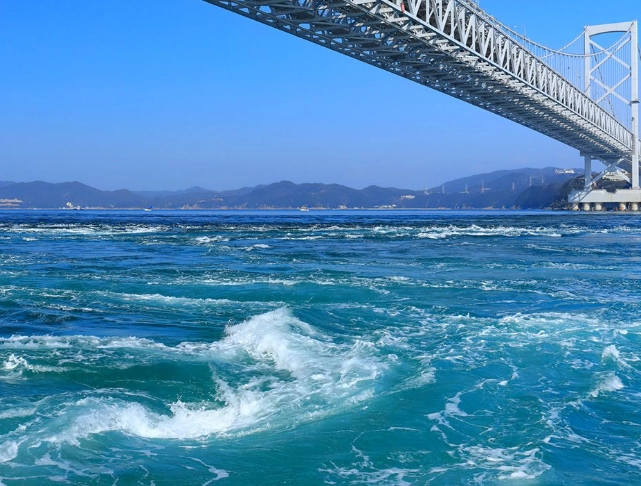
Iya Valley: Japan's Hidden Gem
Iya Valley feels like stepping back in time. It's remote, so plan a full day. The vine bridges (Kazurabashi) are the highlight, but the valley has more.
- Address: Iya, Miyoshi City, Tokushima (spread across a large area).
- Kazurabashi Vine Bridge: Admission 550 yen. Open 8:00 AM to 5:00 PM. It's wobbly and not for the faint-hearted—hold on tight! There's a smaller, less crowded bridge nearby if this one feels too touristy.
- Transport: From Tokushima Station, take a bus to Oboke Station (about 2 hours, 2,000 yen), then transfer to a local bus to Iya. Renting a car is easier; roads are narrow but scenic.
Most people rush through. Stay overnight if you can. I stayed at a minshuku (guesthouse) and woke up to misty mountains—unforgettable. The valley is also great for hiking; ask locals for trails not on maps.
Insider note: Many blogs recommend Ritsurin Garden, but that's in Takamatsu (neighboring Kagawa). Don't mix them up—Tokushima's beauty is more rugged and less manicured.
Must-Try Foods in Tokushima: Where to Eat and What to Order
Tokushima's food scene is underrated. Forget fancy restaurants; the best meals are in humble shops. Here are my top picks based on multiple visits.
Tokushima Ramen: It's all about the broth—rich, pork-based, and often with a raw egg on top. Avoid chains; go for local joints.
- Ramen Sen no Kaze: Address: 1-2-3 Tokushima, Tokushima City. Near Tokushima Station. Their signature ramen costs 850 yen. Open 11:00 AM to 10:00 PM, closed Wednesdays. The broth is simmered for hours, and the noodles have a perfect chew.
- Budget option: Look for "warajiya" style ramen shops in arcades. A bowl averages 700 yen.
Sudachi Citrus: This tiny green fruit is a local specialty. You'll find it in drinks, dressings, and even desserts.
- Sudachi Sorbet: Try it at roadside stalls in Iya Valley or at Tokushima Market. About 300 yen. Refreshing after a hike.
Seafood: Naruto is famous for sea bream (tai). For a splurge, visit a sushi bar near the port.
- Kaisen Don: A bowl of fresh seafood rice. At Naruto Wharf, small shops serve it for 1,200-2,000 yen. Best at lunch.
I once stumbled upon a soba shop in a back alley of Tokushima City. No English menu, but the owner gestured me to try the tempura soba—crispy, light, and only 600 yen. Don't be afraid to point at what others are eating.
Where to Stay in Tokushima: Accommodation for Every Traveler
Choosing where to stay depends on your itinerary. City center for convenience, countryside for peace.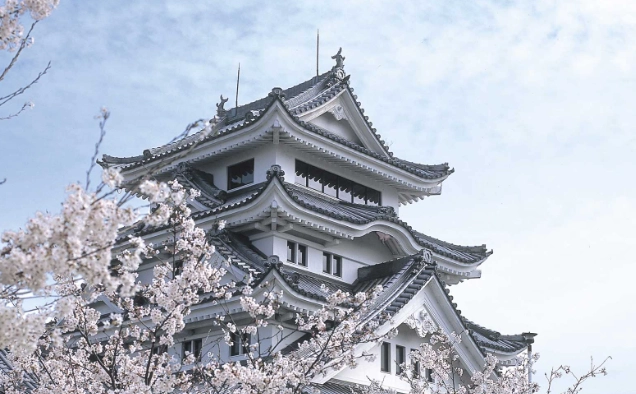
| Hotel/Guesthouse | Location | Key Features | Price Range (per night) |
|---|---|---|---|
| Tokushima Washington Hotel Plaza | 1-1-1 Tokushima, Tokushima City (near station) | Free WiFi, breakfast buffet, business center | 8,000 - 12,000 yen |
| APA Hotel Tokushima Ekimae | 2-24-1 Tokushima, Tokushima City | Compact rooms, good for solo travelers, late check-out | 6,000 - 9,000 yen |
| Iya Onsen Hotel | Iya, Miyoshi City, Tokushima (in Iya Valley) | Hot spring baths, mountain views, traditional kaiseki meals | 15,000 - 25,000 yen (includes meals) |
| Guesthouse Yamabiko | Near Oboke Station, Tokushima | Budget-friendly, family-run, hiking advice | 3,000 - 5,000 yen (dormitory) |
I stayed at the Iya Onsen Hotel last spring. The onsen overlooks a gorge—soaking there at sunset was worth every yen. But book early; it fills up fast. For budget travelers, guesthouses in Tokushima City offer a social vibe. Avoid hotels near the airport unless you have an early flight; they're far from everything.
How to Plan Your Tokushima Itinerary: A Realistic 3-Day Sample
Here's a itinerary I tested myself. It balances sightseeing with downtime.
Day 1: Tokushima City and Culture
- Morning: Arrive at Tokushima Station. Drop bags at hotel (early check-in if possible).
- 10:00 AM: Visit Awa Odori Kaikan for the dance show. Spend 1-2 hours.
- Lunch: Ramen at Sen no Kaze (nearby).
- Afternoon: Explore Tokushima Castle ruins (free, open 24/7) and the nearby museum if interested.
- Evening: Walk along the Shinmachi River for lights. Dinner at a local izakaya—try yakitori and sudachi beer.
Day 2: Naruto Whirlpools Day Trip
- Morning: Take the 8:00 AM train to Naruto Station. Check tide times—aim for viewing around 10:00 AM.
- 10:00 AM - 12:00 PM: See the whirlpools from Uzunomichi Walkway. Bring a jacket; it's windy.
- Lunch: Kaisen don at a wharf restaurant.
- Afternoon: Visit the Otsuka Museum of Art (if time; it's large, so prioritize). Return to Tokushima by 4:00 PM.
- Evening: Relax at your hotel or try a sento (public bath) in the city.
Day 3: Iya Valley Adventure
- Full day: Rent a car or take an early bus to Iya Valley (leave by 7:00 AM). Hike to the vine bridges, explore nearby villages.
- Lunch: Pack a bento or eat at a local soba shop.
- Afternoon: Onsen soak if staying overnight, or head back to Tokushima by evening.
If you have more days, add a trip to the Tokushima Prefectural Museum or a cycling tour along the Yoshino River.
Practical Travel Tips for Tokushima: What Guidebooks Miss
These tips come from my own mistakes and conversations with locals.
- Transport: Public buses in rural areas are infrequent. Download the "Norikae Annai" app for schedules. Renting a car gives flexibility, but drive carefully on mountain roads.
- Money: Credit cards are accepted in hotels and some restaurants, but carry cash for small shops and buses. ATMs at 7-Eleven work with foreign cards.
- Language: English isn't widely spoken outside tourist spots. Learn basic phrases like "sumimasen" (excuse me) and use translation apps. Locals appreciate the effort.
- Best time to visit: Spring (March-May) for mild weather and cherry blossoms, or autumn (October-November) for foliage. Summer (August) is hot but has the Awa Odori festival—book accommodation months in advance.
- Packing: Comfortable shoes for walking, layers for temperature changes, and a portable charger. I forgot mine once and struggled to navigate.
A common mistake: Overpacking your schedule. Tokushima is best enjoyed slowly. Allow time for unplanned detours—like that sudachi sorbet stop I mentioned.

Comments