Your Quick Guide
- Beyond the Cuteness: Understanding the Real Japan Cat Island Landscape
- The Responsible Visitor's Safety Checklist: How to Mitigate the Risks
- The Ethical Dimension: Are *We* Dangerous to the Cat Islands?
- Frequently Asked Questions (The Stuff You're Really Wondering)
- The Final Verdict: So, Should You Go?
Let's be honest. When you see those adorable pictures of hundreds of cats lounging on sun-drenched piers in Japan, "danger" is probably the last thing on your mind. Your brain is flooded with images of fluffy cuteness, not potential hazards. I was the same. I dreamed of visiting Aoshima, the most famous one, for years. But then I actually went. And talked to other travelers. And spoke with a volunteer who works there. The picture got a lot more complicated.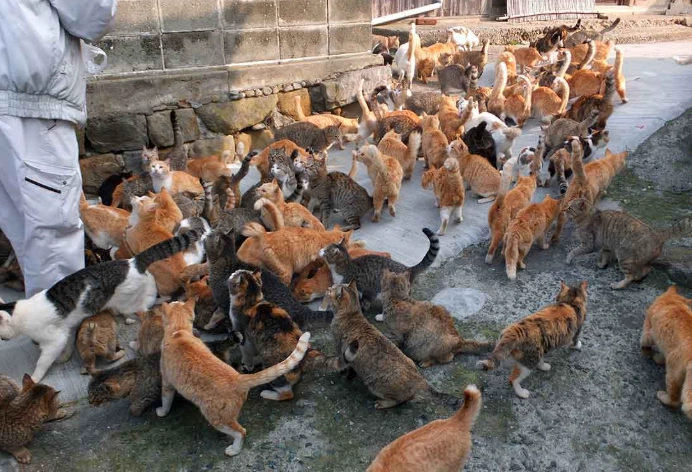
The phrase "Japan cat island dangerous" might sound like clickbait, but it's a genuine search query from cautious travelers. They're not asking if the cats are secretly plotting world domination. They're asking about real, practical risks—to their health, their safety, and their overall trip experience. And you know what? They're right to ask.
So, is a Japan cat island dangerous? The short answer is: it can be, if you're unprepared, disrespectful, or unlucky. But for the informed and responsible visitor, the risks are manageable. This isn't meant to scare you off. It's meant to prepare you. Because the biggest danger isn't the cats themselves—it's going in with the wrong expectations.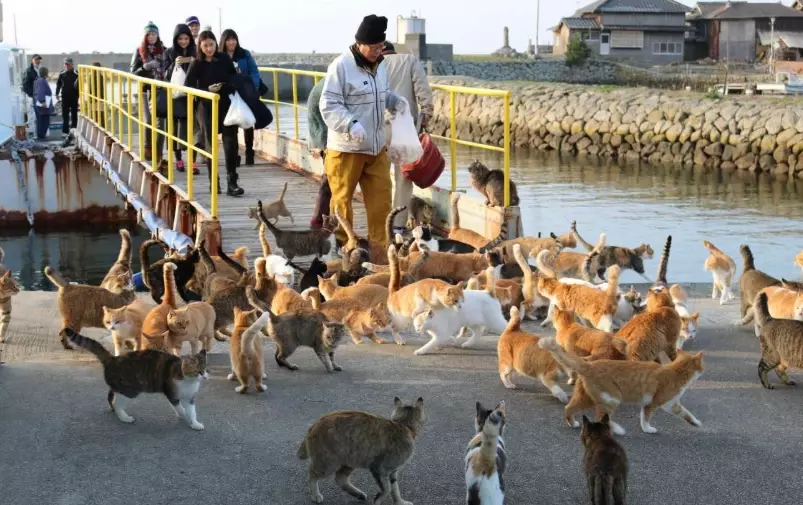
Beyond the Cuteness: Understanding the Real Japan Cat Island Landscape
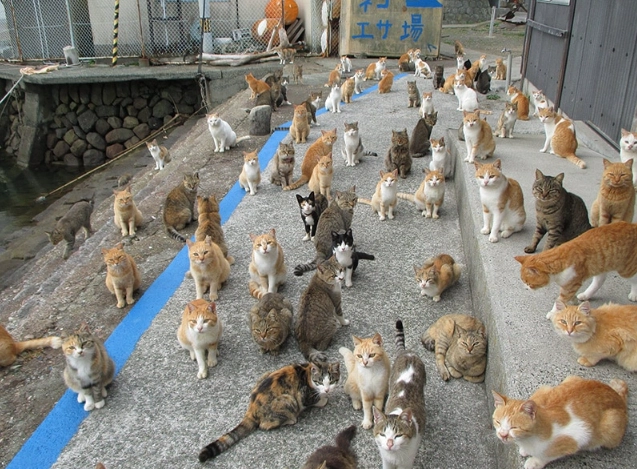
First, let's clear something up. "Cat Island" isn't one place. It's a nickname for several small, often remote islands in Japan where cats significantly outnumber the tiny human population. The most famous are Aoshima (Ehime Prefecture), Tashirojima (Miyagi Prefecture), and Ainoshima (Fukuoka Prefecture). Their stories are similar: once thriving fishing communities, younger people moved to cities, leaving behind an aging population and... the cats that fishermen kept to control rodents.
The cats stayed. And multiplied. Now, these islands are tourist attractions, but they are not tourist facilities. That's the core of understanding the potential for a Japan cat island dangerous situation. There are minimal services. The human residents are elderly. The infrastructure is basic. You are a guest in a very unusual, very delicate living space.
The Top Real Risks (Ranked by How Likely They Are to Ruin Your Day)
Let's break down the actual dangers, moving from the most common annoyances to the serious, but rarer, threats. This isn't about fear-mongering; it's a practical assessment.
1. Cat Scratches and Bites (The Most Common "Danger")
This is the number one physical risk. These are not your pampered house pets. They are semi-feral animals. They are used to humans, but their behavior is driven by food. They can be skittish, pushy, or overly enthusiastic.
- Why it happens: You're holding food. A cat jumps for it. You try to pet a cat that's not in the mood. Cats get underfoot and you trip. A fight breaks out between cats near you.
- The risk: Even a small scratch or bite can become infected. Cat mouths and claws harbor bacteria like Pasteurella multocida, which can cause serious skin infections. A bite on the hand can be particularly problematic due to the complex structure of tendons and joints.
- My take: I saw this happen. A tourist was surrounded by cats, got nervous, jerked her hand back, and got a light scratch. It bled. She hadn't brought a first-aid kit. A simple situation became a stressful one.
2. Zoonotic Diseases (The Invisible Threat)
This is where the question "is Japan cat island dangerous?" gets more weight. Zoonotic diseases are those that can jump from animals to humans. The risk is low for the casual visitor, but not zero.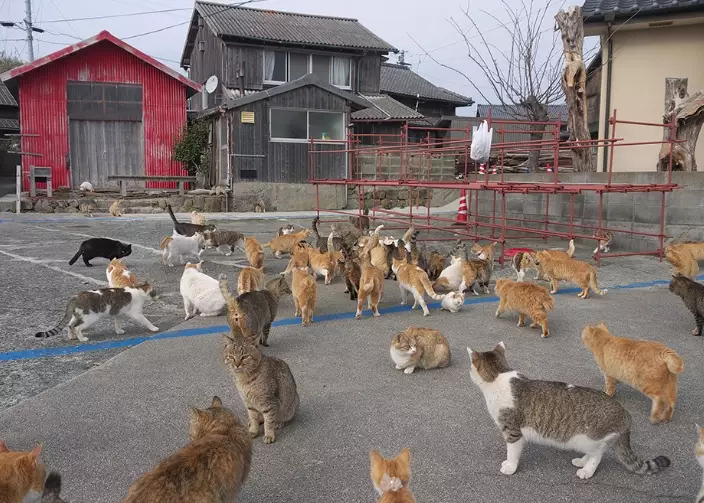
| Disease | How it Spreads | Risk Level | Prevention |
|---|---|---|---|
| Cat-Scratch Disease (Bartonellosis) | Scratch, bite, or lick from an infected cat (often via fleas). | Low-Moderate | Avoid rough play, wash hands, control fleas on your own pets before/after trip. |
| Ringworm (Dermatophytosis) | Skin contact with spores from an infected cat or its environment. | Low | Don't touch cats with visible skin lesions. Wash hands thoroughly after contact. |
| Toxoplasmosis | Accidental ingestion of oocysts from cat feces. Not from petting. | Very Low for most | Avoid handling soil/sand where cats may defecate. Wash hands before eating. Pregnant women should be extra cautious. |
| Rabies | Bite from an infected animal. | Extremely Low in Japan | Japan is rabies-free. The last human case was in 1957. This is a non-issue, but worth mentioning to calm fears. You can verify this status on the Japanese Ministry of Health, Labour and Welfare website or the CDC's Japan travel page. |
See? Context matters. Rabies fears are often what drive the "danger" search, but in Japan, it's not a concern.
3. Logistical and Environmental Hazards
This is the category most blog posts ignore, but it's where people actually get into trouble. The Japan cat island dangerous reality is often about the island, not the cat.
- Limited Services: No hospitals, often no clinics. No pharmacies. Limited to no food vendors. If you get hurt or sick, you're waiting for the next ferry back to the mainland. What if the last ferry leaves?
- Terrain: These are old fishing villages. Paths can be steep, uneven, slippery with moss, or crumbled. I nearly twisted my ankle on a broken step hidden by overgrowth. There are often no guardrails near steep drops to the sea.
- Weather: Exposed islands. Sun can be brutal with little shade. Rain can make everything treacherous quickly. Ferries get canceled.
- Lack of Facilities: Few public toilets. No trash cans (you must take ALL your trash with you—a rule many ignore, creating another problem).
The Responsible Visitor's Safety Checklist: How to Mitigate the Risks
Okay, so we've identified the problems. Here’s how to make your trip safe and respectful. This is the actionable stuff you need.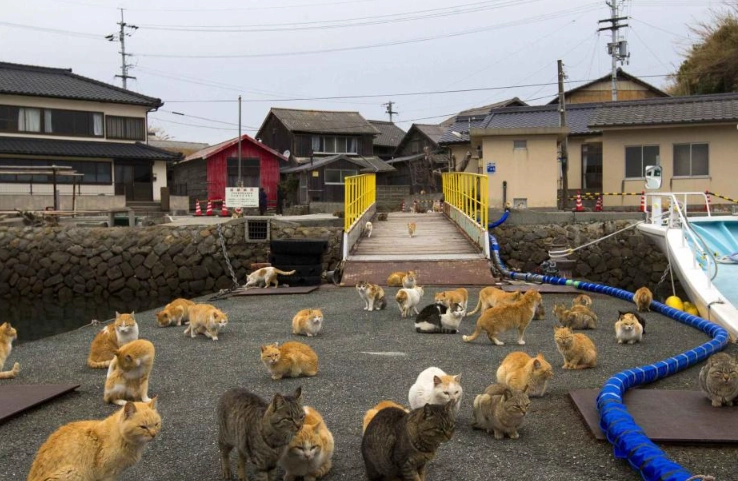
Cat Interaction Protocol: The Dos and Don'ts
This is the golden rule. Your behavior dictates your risk level.
DO: Let cats approach you. Sit quietly and see who comes over. Use slow movements. Offer appropriate food if you wish (some islands sell cat food; check local rules. Dry food is better than human food). Wash your hands before you eat anything yourself.
DON'T: Never try to pick up a cat. Don't chase them. Don't disturb sleeping cats. Don't feed them human food like chips or chocolate (toxic!). Don't stick your fingers near their mouths if they're eating. Avoid touching cats that look sick (runny eyes, sneezing, poor coat, skin lesions).
I have a negative opinion here: I saw a group trying to get the "perfect selfie" by crowding a cat, making noises at it. The cat was clearly stressed. That's how you get scratched, and it's just plain rude. Don't be that person.
Trip Planning: The Boring Stuff That Keeps You Safe
- Ferry Schedule is Gospel: Study it. Know the last return time. Be at the dock early. Miss it, and you're stranded. Some islands have very few crossings per day. The Japan National Tourism Organization site often has links to local transport operators, but always double-check with the local ferry company's own website for the most current timetables.
- Check the Weather Religiously: The night before and the morning of. Ferry cancellations are real.
- Travel Insurance: Get it. Make sure it covers medical evacuation. If you have a bad reaction to a bite or fall, you'll be glad you did.
- Tell Someone Your Plans: Let your hotel or a friend know which island you're going to and when you expect to be back.
The Ethical Dimension: Are *We* Dangerous to the Cat Islands?
This is the flip side of the "Japan cat island dangerous" question. We worry about what the islands might do to us, but what are we doing to them? This thought hit me hard after my visit.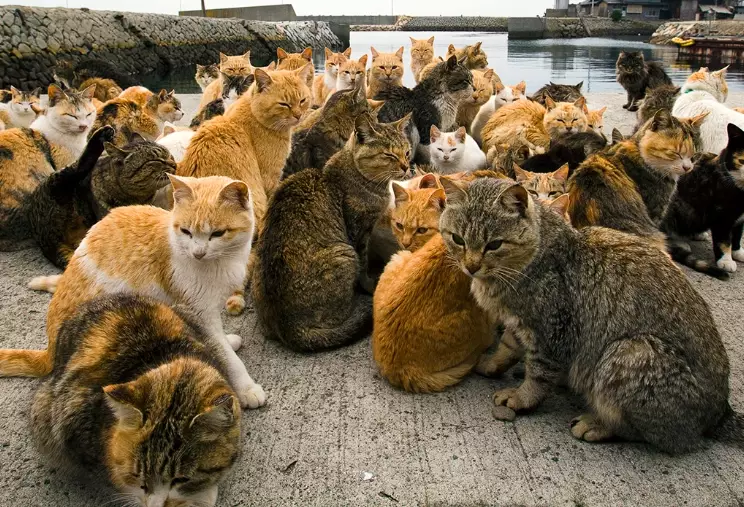
Tourism is a double-edged sword. It brings awareness and sometimes donations, but it also brings:
- Stress to the Cats: Constant attention, inappropriate feeding, and noise disrupt their natural behaviors.
- Strain on Resources: The elderly residents have to deal with litter, trespassing (people peeking into windows!), and noise.
- Disease Introduction: Tourists could theoretically bring pathogens that the local cat population has no immunity to.
Some islands, like parts of Tashirojima, have established clear rules and designated feeding areas. That's a model more should follow. As a visitor, your most powerful tool is respect. Follow posted rules (even if you can't read them, the intent is usually clear). Be quiet. Be unobtrusive. Leave no trace.
Frequently Asked Questions (The Stuff You're Really Wondering)
The Final Verdict: So, Should You Go?
After all this talk of the potential for a Japan cat island dangerous experience, my answer is still: Yes, but only if you go in with the right mindset.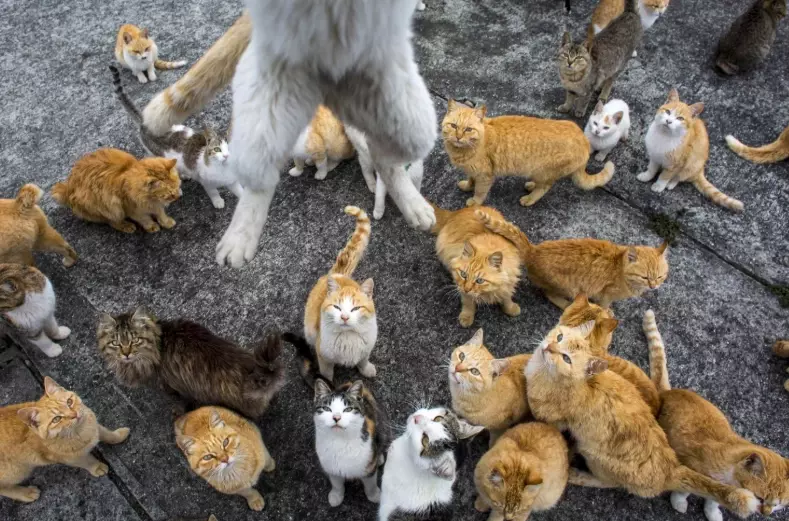
Go as a respectful observer, not an entitled tourist. Go prepared, not just with camera batteries, but with first-aid supplies, water, and realistic expectations. Understand that you are visiting a place with real challenges, not a theme park. The danger isn't lurking behind every bush; it's in the cumulative effect of poor planning and disrespectful behavior.
The magic of these places isn't in forcing a cuddle with a cat. It's in witnessing a unique, slow-paced, and strangely beautiful symbiosis between humans and animals. It's quiet, it's a little sad, it's fascinating. You can have a profoundly wonderful experience if you prioritize safety and respect—for yourself, the cats, and the human residents.
Forget the fear-based search of "Japan cat island dangerous." Reframe it. Your goal is a "safe, responsible, and awe-inspiring visit to Japan's unique cat islands." With the info here, you're now equipped to do just that.



Comments