Let's be honest. Most travel blogs make Naoshima sound like a serene, empty gallery floating in the Seto Inland Sea. The reality? It's a pilgrimage site for art lovers, which means crowds, timed tickets, and logistics that can trip you up if you're not prepared. I've visited three times over the past decade—once in blissful ignorance, and twice with a plan—and the difference was night and day.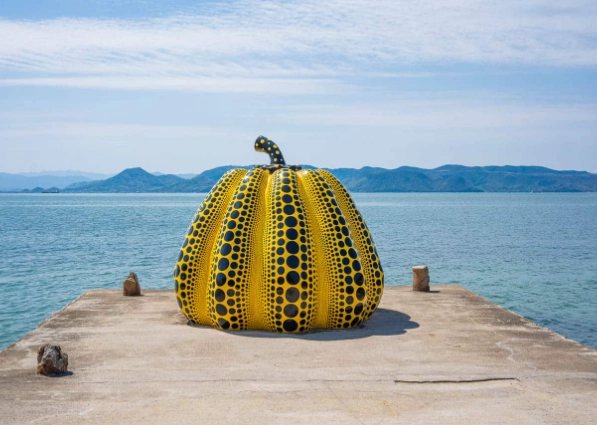
This island isn't just a place to see art; it's an experience that asks you to engage with it. You'll walk through James Turrell's light installations, sleep in a museum, and find a giant pumpkin at the end of a pier. But to truly enjoy it, you need more than a list of museums. You need to know how the place works.
Your Naoshima Navigation
The Must-See Art Sites & How to Tackle Them
Naoshima's art is split into key zones. Trying to see everything in one day is the top mistake visitors make. You'll end up exhausted and miss the point. Focus on one or two areas deeply.
The Benesse Art Site Naoshima: The Heart of It All
This is the core area, managed by the Benesse Corporation. It includes several major facilities. Buy the "Benesse House Museum Ticket" which covers most of them. The official Benesse Art Site website is your bible for current hours and ticket info.
- Benesse House Museum: More than a museum, it's a hotel integrated with art. Even if you're not staying, the museum is essential. Works by Basquiat, Hockney, and Sugimoto are in dialogue with the sea views. Address: Gotanji, Naoshima. Open 8:00 AM - 9:00 PM (last entry 8:30 PM). Admission: ¥1,030 (or included in combined ticket).
- Chichu Art Museum: The masterpiece. Tadao Ando built this mostly underground museum to house Monet's Water Lilies, James Turrell, and Walter De Maria. The building itself is the first exhibit. Book tickets online weeks in advance, especially for weekends. No photos inside, which forces you to actually look. Address: 3449-1, Naoshima. Open 10:00 AM - 6:00 PM (last entry 5:00 PM). Closed Mondays. Admission: ¥2,100.
- Lee Ufan Museum: A serene, meditative space dedicated to the Korean minimalist artist, another Ando design. It's a calm counterpoint to the others. Address: 1390, Naoshima. Open 10:00 AM - 6:00 PM (Mar-Sep), 10:00 AM - 5:00 PM (Oct-Feb). Closed Mondays. Admission: ¥1,050.
The Art House Project in Honmura
This is where Naoshima gets magical. Artists have transformed old houses, a temple, and a shrine in a sleepy port town into permanent art installations. You buy a combined ticket (¥1,100) that gets you a map and entry to all seven sites. My favorite is Kadoya, where you step into a room filled with LED numbers in water, and Minamidera, a pitch-black James Turrell installation that will mess with your perception (allow 15 minutes for your eyes to adjust).
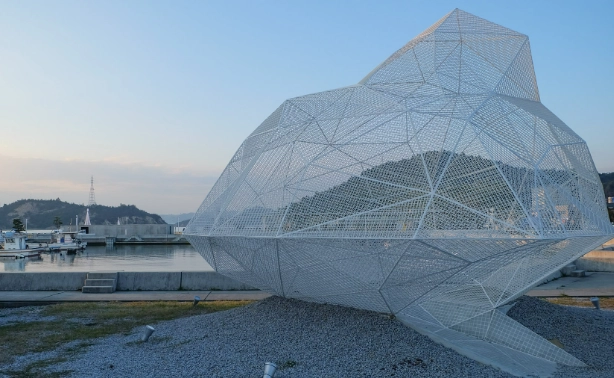
Local Insight: The tiny Naoshima Dam designed by Sugimoto Hiroshi near the Miyanoura port is almost always empty and utterly surreal. It's a 5-minute detour most people miss.
The Iconic Pumpkins & Beach
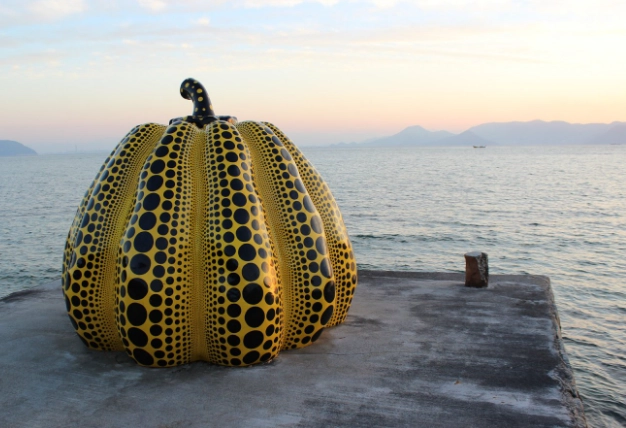
Yayoi Kusama's Yellow Pumpkin on the pier near the Benesse House is the postcard shot. The Red Pumpkin is at Miyanoura Port. Yes, you have to queue for a photo. Go early (before 9 AM) or late (after 5 PM) to have a moment with it. The nearby Tsutsuji-so beach is swimmable in summer.
Getting There & Getting Around: The Realistic View
Naoshima has no airport or train station. The journey is part of the adventure.
Main Access Points:
- From Uno Port (Okayama): The most common route. Take a train to Uno Station (Shinkansen to Okayama, then local train), then a 15-20 minute ferry to Miyanoura Port on Naoshima. Ferries run about every hour.
- From Takamatsu (Shikoku): A 50-minute ferry to Miyanoura Port. Great if you're exploring Shikoku.
Once on the island, you have options:
- Rental Bicycle: The best way. Electric bikes are worth every extra yen for the hills. Rentals are at Miyanoura and Honmura ports (¥500-¥1500/day). Book ahead in peak season.
- Benesse House Bus: Free for museum ticket holders, connects Miyanoura Port, Honmura, Tsutsuji-so (beach), and the Benesse Area museums. It's reliable but runs on a schedule.
- Public Bus: Covers the whole island but infrequent. Check timetables carefully.
The Crowd Truth: Everyone gets off the 11 AM ferry and heads straight to Chichu. Reverse your day. Start with the Art House Project in Honmura in the morning when it's quiet, then head to the Benesse area after lunch when the morning crowds are thinning.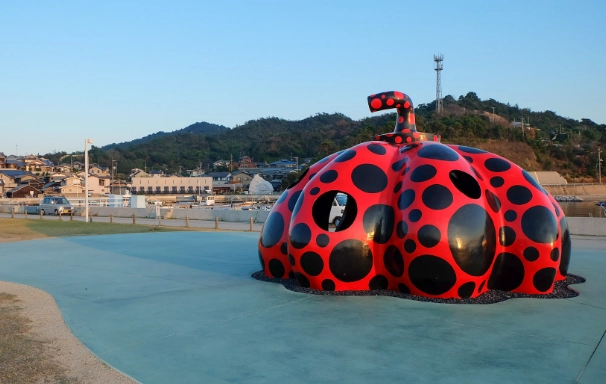
Where to Eat, Sleep, and Catch Your Breath
Naoshima isn't a culinary destination, but you won't go hungry. Most places are casual and close early (by 7 PM).
Quick Eats & Cafes
Miyanoura Port Area: Try Naoshima Kitchen for simple udon or curry. Cafe Ougiya is a cozy spot for coffee and a light lunch.
Honmura Area: Shioya Diner is a laid-back lunch spot with a nice terrace. For a unique experience, I♥︎YU is a sento (public bath) turned into a cafe and bathhouse—you can just have a drink.
Where to Stay: A Clear Breakdown
Your choice defines your trip.
- Benesse House (The Splurge): You're literally sleeping in the museum. The "Park" and "Beach" buildings are modern hotels. The "Oval" (accessed by a monorail) is an exclusive, surreal experience. Prices start around ¥50,000 per night. Book 6+ months ahead.
- Tsutsuji-so Lodge (The Budget-Friendly): Run by Benesse, these are simple, clean cabins and lodges right by the beach. You still get access to the museum after hours. From ¥15,000 per person with meals.
- Guesthouses in Honmura/Miyanoura (The Local Feel): Like Rokiya or Lodge Iwasaki. More personality, often run by locals. You'll need to book dinners separately. From ¥8,000 per night.
Building Your Perfect Day: A Sample Itinerary
Here’s how I’d structure a one-day trip for a first-timer, assuming you arrive on the 9 AM ferry at Miyanoura.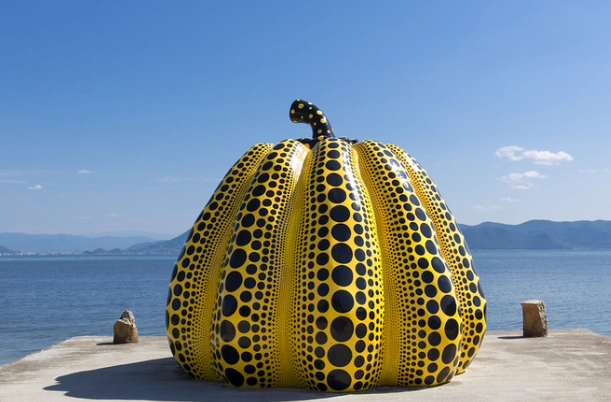
Morning (9:30 AM - 12:30 PM): Rent an e-bike at the port. Cycle 10 mins to Honmura. Buy the Art House Project ticket and explore 3-4 houses (Kadoya, Minamidera, Go'o Shrine are musts). Grab lunch at Shioya Diner.
Afternoon (1:30 PM - 5:30 PM): Cycle or take the Benesse Bus to the Benesse Area. Visit your pre-booked Chichu Art Museum slot (aim for 2 PM). Then, see the Benesse House Museum. Relax with the Yellow Pumpkin and beach.
Evening (5:30 PM onwards): Return bike. Have an early dinner near Miyanoura Port. Catch a 7 PM ferry back, watching the island fade into the twilight.
Naoshima Questions Answered (Beyond the Basics)
Naoshima challenges the typical tourist checklist. It's slow travel. It asks you to wander, to wait for a bus under a concrete canopy that's also art, to sit and stare at the sea from inside a museum wall. Don't just see it. Experience it. Plan enough to avoid frustration, but leave room for the moments of surprise—like finding a hidden Ando concrete staircase leading nowhere, just offering a perfect view. That's the real art of Naoshima.


Comments