So you've got two weeks for Japan. That's the sweet spot. Enough to feel the pulse of Tokyo, soak in Kyoto's history, and still have time for a few surprises. The classic "Golden Route" (Tokyo-Kyoto-Osaka) is popular for a reason, but doing it right means more than just ticking off shrines and eating sushi. I've traveled to Japan half a dozen times, and my first trip was a mess of poor planning and missed connections. This itinerary is what I wish I'd had back then—a balanced mix of must-sees and local flavor, with all the practical details you need to make it happen.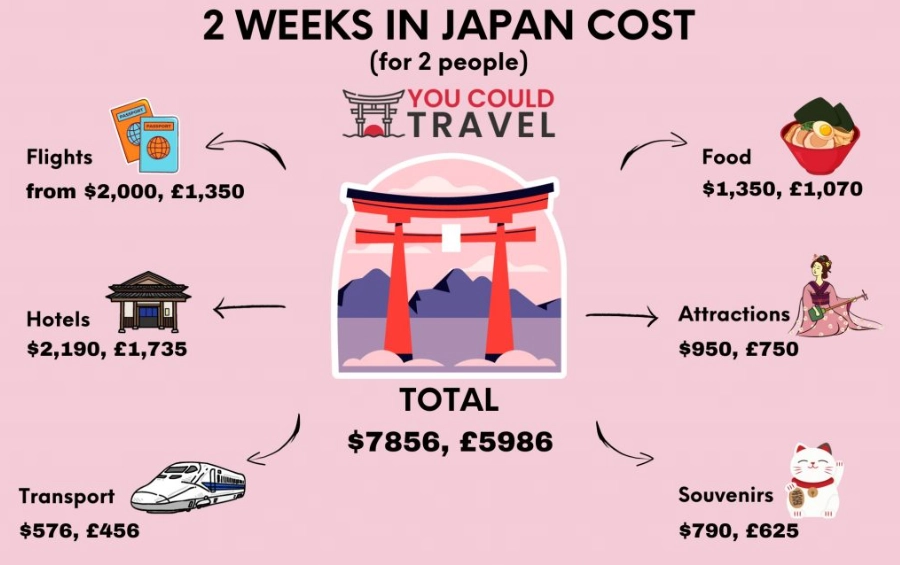
Your Two-Week Japan Trip at a Glance
The Classic Two-Week Route: Tokyo, Kyoto, Osaka
This itinerary assumes you're flying into Tokyo (Narita or Haneda) and out of Osaka (Kansai International). It's the most efficient loop. You'll spend roughly 5 nights in Tokyo, 4 in Kyoto, and 3 in Osaka, with two flexible days you can add as day trips or extra time in your favorite city. The pacing is active but not frantic—you'll walk a lot, so comfy shoes are non-negotiable.
Days 1-5: Tokyo – Neon Lights and Ancient Shrines
Tokyo is huge. Don't try to crisscross it every day. Group attractions by neighborhood.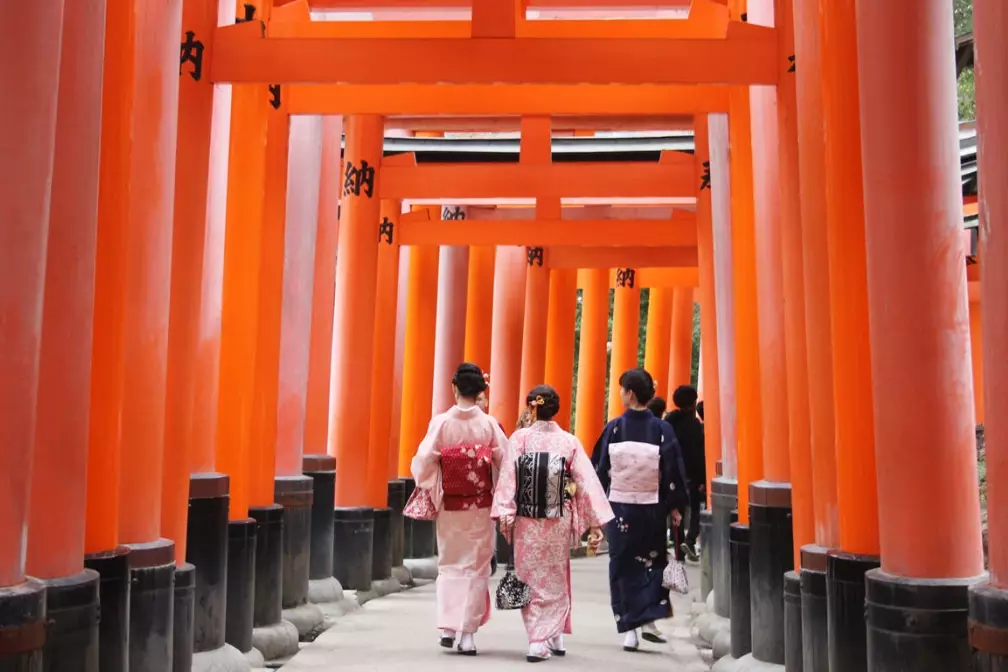
Day 1: Shibuya & Harajuku
Land, get your pocket Wi-Fi or SIM card at the airport, and take the Narita Express or Keisei Skyliner into the city. Fight the jet lag by diving into the energy. Start at the Shibuya Crossing. It's cliché, but standing in that sea of people is a genuine thrill. For a great free view, go to the second-floor Starbucks in the Tsutaya building, though it's often packed. I prefer the lobby of the Shibuya Excel Hotel Tokyu on the 25th floor.
Walk to Harajuku. Skip the crowded Takeshita Street on a weekend afternoon unless you love being shoulder-to-shoulder with teenagers. Instead, find peace at Meiji Jingu, a serene Shinto shrine dedicated to Emperor Meiji, right next to the chaos. It's free, open from sunrise to sunset.
Dinner: Head back to Shibuya. Try Uobei Shibuya Dogenzaka (2-29-16 Dogenzaka) for fun, conveyor-belt sushi ordered via tablet. It's cheap, fast, and decent quality. Expect to pay ¥1,500-¥2,500 per person.
Day 2: Shinjuku
Explore Shinjuku Gyoen National Garden (¥500 entry, 9am-4:30pm), a stunning blend of French formal, English landscape, and Japanese traditional gardens. It's a perfect escape. In the afternoon, experience the controlled madness of the Shinjuku Station area. Visit the Tokyo Metropolitan Government Building's observatories (free, 9:30am-11pm) for panoramic views—way better than paying for Tokyo SkyTree.
Evening: Wander through the narrow, lantern-lit alleys of Omoide Yokocho ("Memory Lane") for tiny yakitori (grilled chicken skewer) joints. Then, see the digital art of the TeamLab Borderless museum in Azabudai Hills (advance booking essential, approx. ¥3,800).
Day 3: Asakusa & Ueno
Morning at Senso-ji Temple, Tokyo's oldest. Get there by 8:30 AM to beat the tour groups. Walk down Nakamise-dori for souvenirs. A 15-minute walk west brings you to Tokyo SkyTree. I think the view from below is more impressive than from the expensive observatory.
Afternoon in Ueno Park. Visit the Tokyo National Museum (¥1,000, 9:30am-5pm) if you like history, or just enjoy the park and its street performers. The Ameya Yokocho market next to the station is great for cheap snacks and people-watching.
Day 4: Akihabara & Imperial Palace
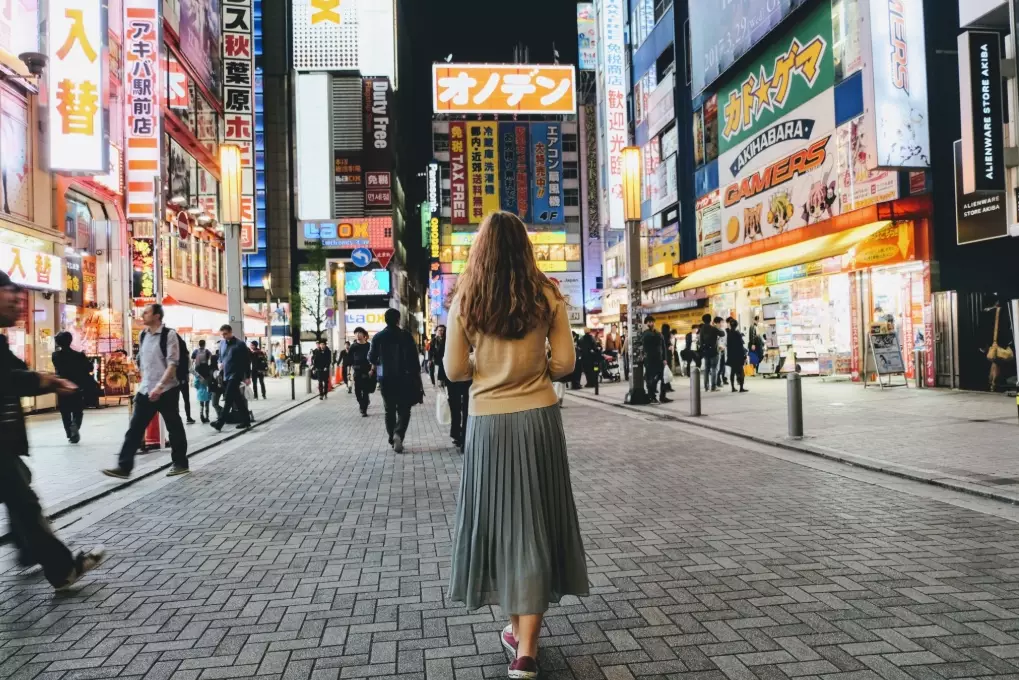
Dive into otaku culture in Akihabara. Browse multi-story electronics and anime shops like Yodobashi Camera. For a unique experience, try a themed cafe (maid cafes are the famous ones). Later, take a stroll around the outer gardens of the Imperial Palace. The East Gardens are free and open to the public (closed Mondays & Fridays). It's a stark, peaceful contrast.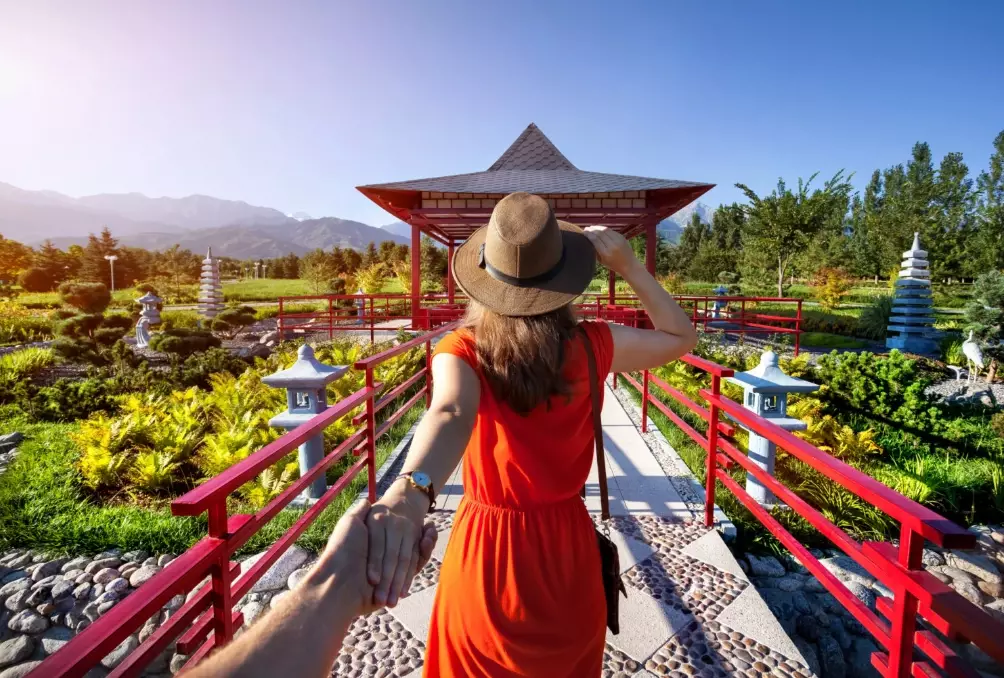
Day 5: Day Trip to Kamakura or Hakone
Escape the city. Kamakura is easier: 1 hour by train, famous for the Great Buddha (Kotoku-in, ¥300) and numerous temples like Hase-dera. Hakone is for the classic Mt. Fuji view and onsens (hot springs). Get the Hakone Free Pass for transport. If clouds hide Fuji, the Open-Air Museum is a fantastic backup.
Days 6-9: Kyoto – Temples, Gardens, and Geisha Districts
Take an early Shinkansen to Kyoto. Store your luggage at the station (coin lockers everywhere) and start exploring.
Day 6: Southern Higashiyama
From Kyoto Station, take bus #100 or #206 to Kiyomizu-dera (¥400, 6am-6pm). The walk up to the temple through Sannen-zaka and Ninen-zaka preserved streets is magical. Avoid mid-day. Walk through Maruyama Park to Yasaka Shrine, then into the Gion district. You might spot a geiko (Kyoto term for geisha) in the evening around Hanami-koji street.
Dinner: Try Gion Duck Noodles (570-119 Gionmachi Minamigawa) for excellent soba with duck broth. Around ¥1,200 per bowl.
Day 7: Arashiyama & Golden Pavilion
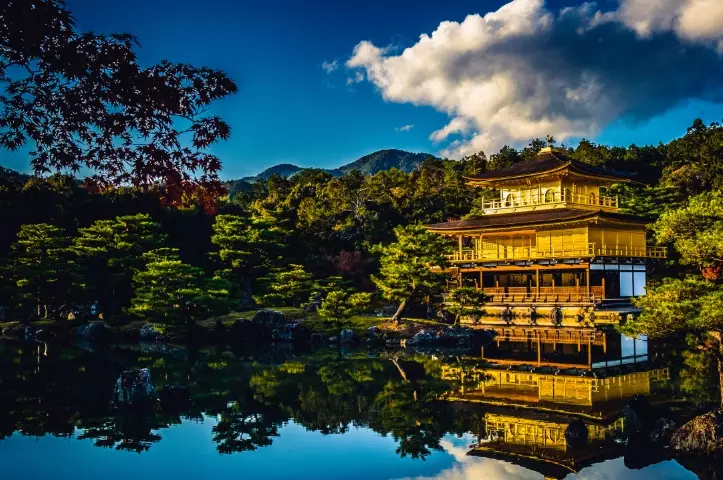
Go to Arashiyama early. The bamboo grove is peaceful at 8 AM, a tourist conveyor belt by 10 AM. Visit the beautiful Tenryu-ji Temple (¥500, gardens only) right next to it. Consider a short hike to the Okochi Sanso Villa. In the afternoon, head across town to Kinkaku-ji, the Golden Pavilion (¥400, 9am-5pm). It's always crowded but undeniably stunning.
Day 8: Fushimi Inari & Downtown
Another early start for Fushimi Inari Shrine (free, always open). This is the one with thousands of red torii gates. Most people only hike the first 30 minutes. Go further for solitude and better views over Kyoto. Afternoon in downtown Kyoto: visit Nishiki Market ("Kyoto's Kitchen") for food samples and snacks, then explore the shopping streets of Shinkyogoku and Teramachi.
Day 9: Day Trip to Nara
Nara is a must-do. 45 minutes by train from Kyoto. Feed the (sometimes pushy) deer in Nara Park, but be firm with your deer crackers. Visit Todai-ji Temple (¥600) housing a colossal bronze Buddha. The scale is breathtaking. Kasuga Taisha Shrine, with its hundreds of stone lanterns, is also beautiful.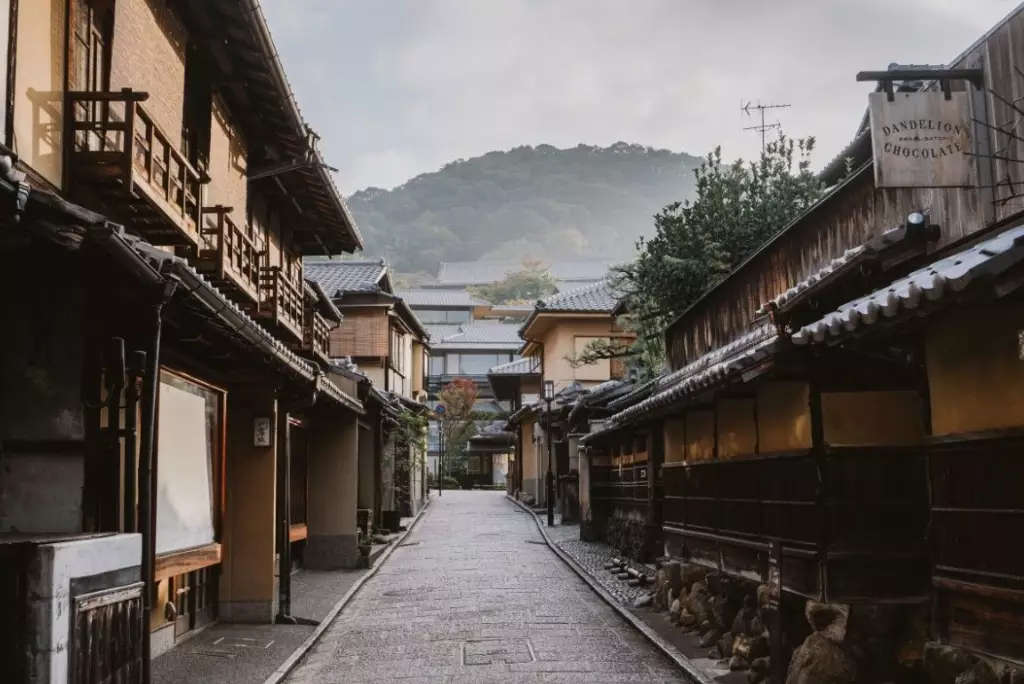
Days 10-12: Osaka – Street Food and Modern Energy
A short 30-minute train ride from Kyoto.
Day 10: Osaka Castle & Dotonbori
Drop bags at your hotel. Osaka Castle (¥600, 9am-5pm) is a concrete reconstruction, but the museum inside is good, and the views from the top are nice. The surrounding park is lovely. As evening falls, head to Dotonbori. This is Osaka's beating heart. Neon signs, giant crab and pufferfish models, and incredible street food. Try takoyaki (octopus balls) from a stall, and okonomiyaki (savory pancake) at a sit-down restaurant like Chibo.
Day 11: Universal Studios Japan or Shinsekai
Choose your adventure. Universal Studios Japan (ticket ~¥9,400) is massive, with the incredible Super Nintendo World. Book tickets and timed entry passes online well in advance. For a more local vibe, explore Shinsekai, a retro-futuristic district with the Tsutenkaku Tower. Eat kushikatsu (deep-fried skewers) at Daruma (3-4-4 Ebisuhigashi). The rule: no double-dipping your skewer in the shared sauce!
Day 12: Kuromon Market & Umeda
Morning at Kuromon Ichiba Market ("Osaka's Kitchen"). It's touristy but fun. Sample fresh tuna, scallops, and uni. Then, head to the Umeda district for modern Osaka. Visit the Umeda Sky Building (¥1,500) for a fantastic floating garden observatory, or shop at the huge Hankyu and Daimaru department stores.
Days 13-14: Flexible Days and Departure
You have options. Add a night in a traditional ryokan with kaiseki dinner and onsen in Hakone or Kinosaki Onsen. Do another day trip: Himeji to see Japan's most magnificent original castle (1 hour from Osaka), or Hiroshima & Miyajima (long day, but possible with an early start). Or simply spend an extra day relaxing in Kyoto or Osaka, revisiting a favorite neighborhood.
Day 14: Depart from Kansai International Airport (KIX). Take the convenient Nankai Electric Railway or Haruka express train from Shin-Osaka Station.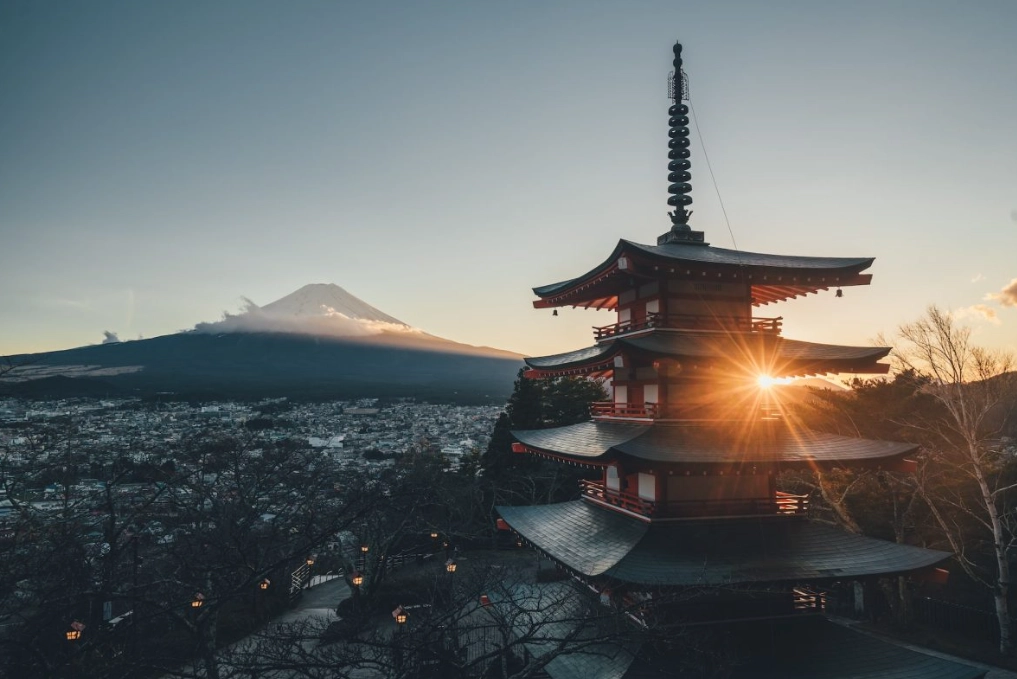
How to Get Around Japan with the JR Pass
The Japan Rail Pass (JR Pass) is a big decision. For this specific Tokyo-Kyoto-Osaka itinerary with a Nara day trip, it usually pays for itself. The round-trip Shinkansen between Tokyo and Kyoto alone is almost the cost of a 7-day pass. You also get unlimited use on JR lines within cities (like the Yamanote Line in Tokyo) and the JR train to the airport.
Important: You MUST purchase the Exchange Order OUTSIDE Japan before your trip. You then swap it for the actual pass at a JR office in Japan (at the airport). Check the official Japan Rail Pass website for the latest prices and rules. For a 14-day trip, you might buy a 7-day pass and activate it on the day you travel from Tokyo to Kyoto, covering your longest journeys in the middle week.
Where to Stay in Japan: Accommodation Guide
Location is key. You want to be near a major train station. Here are solid, reliable picks in different budgets.
| City | Area | Hotel Recommendation | Why It's Good | Price/Night (Approx.) |
|---|---|---|---|---|
| Tokyo | Shinjuku | Hotel Sunroute Plaza Shinjuku | Direct airport bus, right next to Shinjuku Station, clean rooms. | ¥15,000 - ¥25,000 |
| Tokyo | Ginza/Tokyo Stn | Mitsui Garden Hotel Ginza Premier | Great views, upscale area, easy access to Tokyo Station for Shinkansen. | ¥20,000 - ¥35,000 |
| Tokyo | Shibuya | Shibuya Excel Hotel Tokyu | Connected to the station, amazing views of the scramble. | ¥18,000 - ¥30,000 |
| Kyoto | Near Kyoto Stn | Hotel Granvia Kyoto | Inside Kyoto Station itself. Ultimate convenience for arrivals/departures. | ¥20,000 - ¥32,000 |
| Kyoto | Gion/Downtown | Hotel The Celestine Kyoto Gion | Atmospheric location in Gion, stylish, walkable to many sights. | ¥25,000 - ¥40,000 |
| Osaka | Namba | Hotel Nikko Osaka | Connected to Namba Station, steps from Dotonbori, great access. | ¥14,000 - ¥22,000 |
| Osaka | Umeda | Hotel Hankyu RESPIRE | Integrated with Osaka Station, massive shopping/dining complex. | ¥16,000 - ¥26,000 |
Consider business hotels like APA, Dormy Inn, or Super Hotel for more budget-friendly, clean, and small rooms. Booking.com or Agoda are reliable for reservations.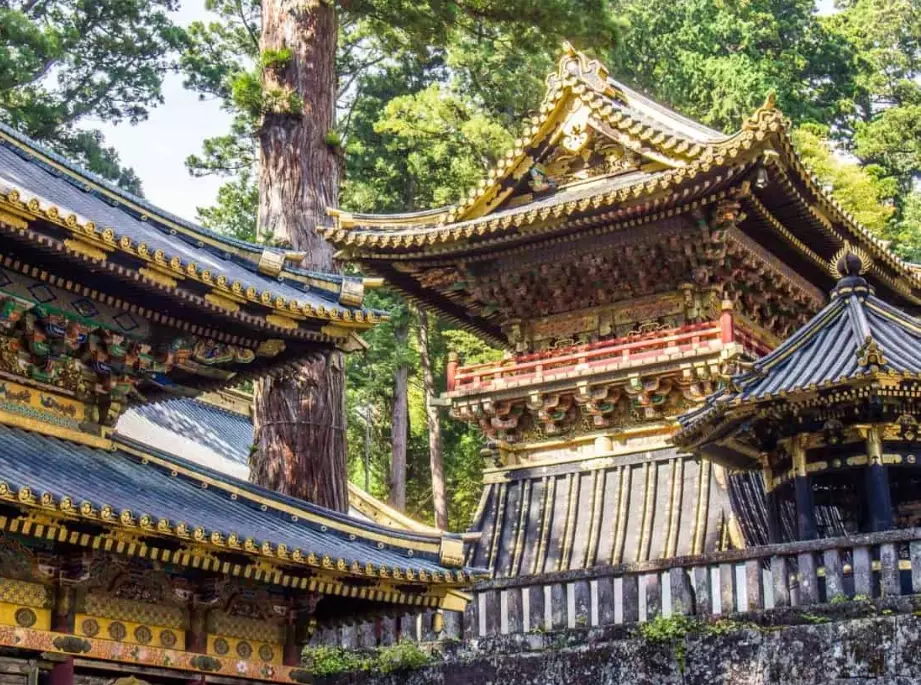
Japan Travel FAQ: Your Questions Answered
Is the Japan Rail Pass worth it for this exact 2-week itinerary?
For the Tokyo-Kyoto-Osaka loop with a day trip to Nara, yes, a 7-day pass usually makes financial sense. Activate it on the morning you take the Shinkansen from Tokyo to Kyoto. That covers your long-distance travel in the middle of the trip. Use Suica/Pasmo cards for subway travel in the cities before and after the pass is active. Always do the math using a JR Pass calculator before buying, as prices have increased.
How much cash should I carry in Japan?
Carry more than you think. While credit cards are common in hotels and department stores, many small restaurants, temples (for entrance fees and omamori charms), market stalls, and rural areas are cash-only. I aim to have ¥20,000-¥30,000 on me at all time. 7-Eleven ATMs (Seven Bank) are the most reliable for international cards.
What's the biggest mistake first-timers make with their Japan itinerary?
Over-scheduling. They try to fit Hiroshima, Kanazawa, and Nikko into two weeks. You end up spending half your trip on trains or in stations. Depth beats breadth in Japan. The magic is in the side streets, the random izakaya you stumble into, not just the top 10 list. This itinerary builds in time to wander.
 Can I manage with just English in Japan?
Yes, especially in the major cities on this route. Signs in train stations are in English and Japanese. Restaurant menus often have pictures or plastic food models. People are incredibly helpful, even with a language barrier. Learn a few basic phrases like "arigatou gozaimasu" (thank you) and "sumimasen" (excuse me/sorry). Google Translate's camera function is a lifesaver for menus.
What should I do with my luggage when traveling between cities?
Do not drag large suitcases onto crowded commuter trains. Use the takuhaibin (luggage forwarding service). You can send your main suitcase from your Tokyo hotel to your Kyoto hotel for about ¥2,000. It arrives the next day. Just take an overnight bag with essentials on the Shinkansen. Your hotel front desk will handle everything. It's worth every yen.
What's the best time of year to use this 2-week Japan itinerary?
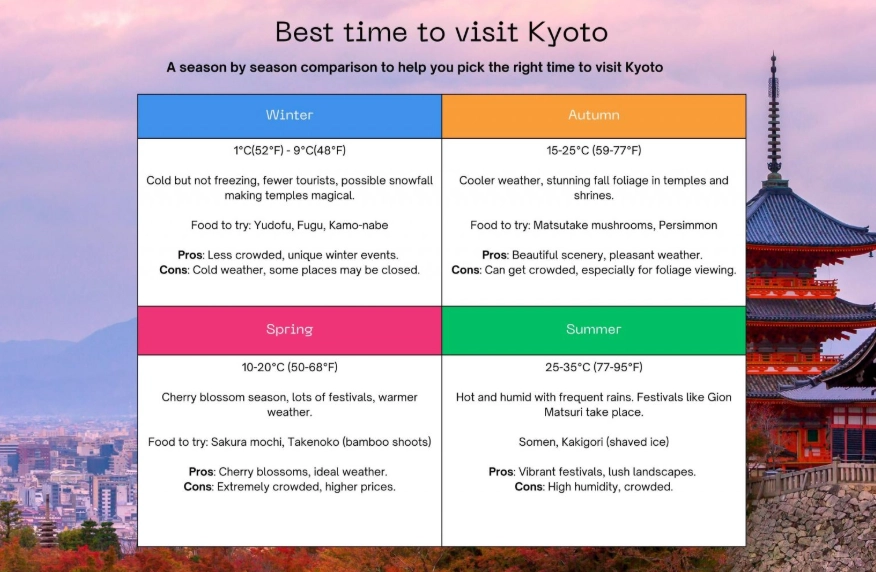
Late March/early April for cherry blossoms (but it's crowded and expensive), or late October/November for stunning autumn foliage. May and early June (before the rainy season) are also pleasant. Summer (July-August) is brutally hot and humid. Winter (December-February) is cold but clear, and you'll avoid crowds.
Comments