Let's be honest. You've seen the photos of shoulder-to-shoulder crowds on the Philosopher's Path and hour-long queues for a photo at Fushimi Inari's torii gates. You're wondering if the Kyoto of serene temples and quiet gardens even exists anymore. Is Kyoto still tourist friendly, or has it become a victim of its own beauty?
The short answer is yes, Kyoto is still incredibly tourist friendly—but the definition of "friendly" has changed. It's no longer about stumbling upon empty, picture-perfect scenes. The friendliness now lies in its resilient infrastructure, the depth of experiences beyond the postcard spots, and the willingness of locals who, despite the crowds, largely welcome visitors with grace. Enjoying Kyoto today requires a new strategy: trading spontaneity for smart planning, and iconic checklists for deeper discovery.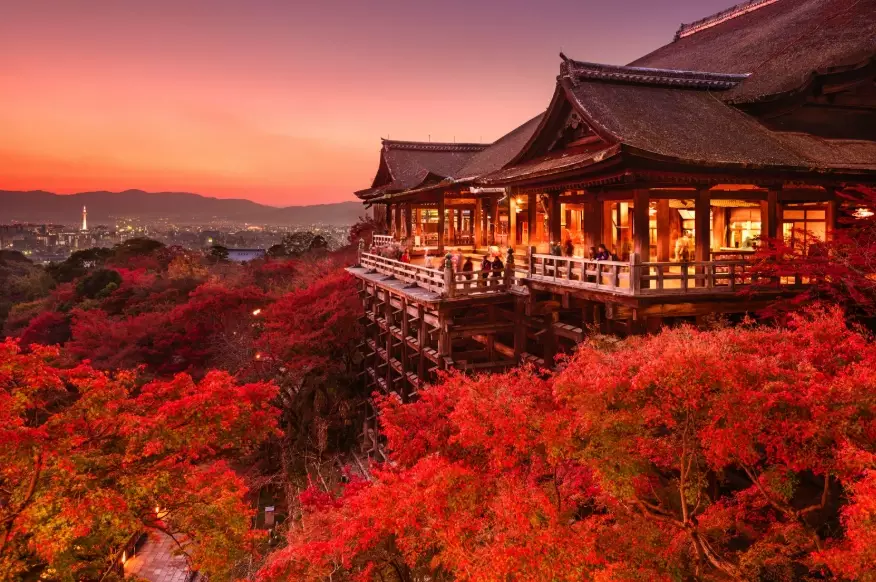
Your Quick Kyoto Navigation
The Current Reality: Crowds & Charm
Post-pandemic, tourist numbers have roared back. Data from the Kyoto City Tourism Association shows that certain districts regularly see pre-2019 visitor levels, especially during peak cherry blossom and autumn foliage seasons. The main pressure points are painfully predictable: Arashiyama's Bamboo Grove by mid-morning, Kiyomizu-dera's main hall by 10 AM, and the first kilometre of Fushimi Inari Taisha after sunrise.
But here's the non-consensus view most blogs miss: the crowding is hyper-localized. Walk ten minutes from the epicenter, and you can find stillness. The problem isn't Kyoto itself; it's the herd mentality that funnels everyone to the same ten spots at the same ten times. The city's public transport, while busy, is efficient. Signs are in multiple languages. The food scene is more diverse than ever. The charm is still there—it's just layered underneath a bustling tourism economy.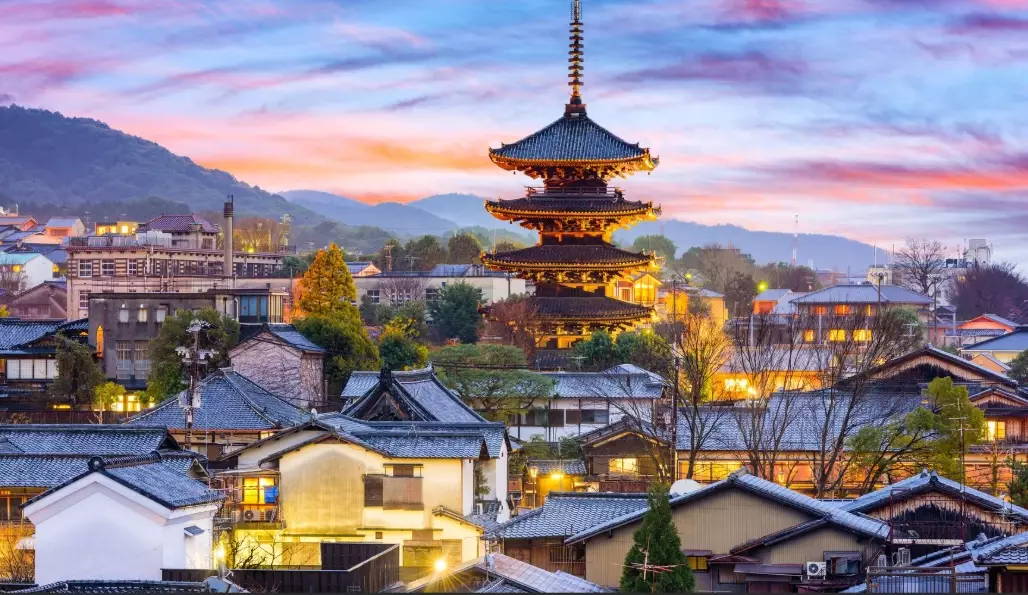
A Local's Observation: The most significant shift I've seen isn't the number of people, but the type of tourism. There's a growing divide between the "hit-and-run" bus tour groups that congest key sites for 45 minutes and the slower, more respectful independent travelers. Kyoto rewards the latter.
How to Enjoy Kyoto (Despite the Crowds)
Your experience hinges on strategy, not luck. This isn't about secret places nobody knows (those are nearly extinct), but about smart timing and perspective.
Rule 1: Embrace the Extremes of Time
Sunrise and sunset are your best friends. Most tour buses operate between 9:30 AM and 4:30 PM. Claim the edges of the day.
- Fushimi Inari: Arrive by 7 AM. You'll share the path with joggers and early-bird photographers, not crowds. The gates are always open.
- Arashiyama Bamboo Grove: Be there by 8 AM. The light is soft, and the sound of the wind in the bamboo isn't drowned out by chatter.
- Kiyomizu-dera: It opens at 6 AM (6:30 AM from Oct-Mar). An hour here at opening is worth three hours at noon.
Rule 2: Go Vertical or Go Underground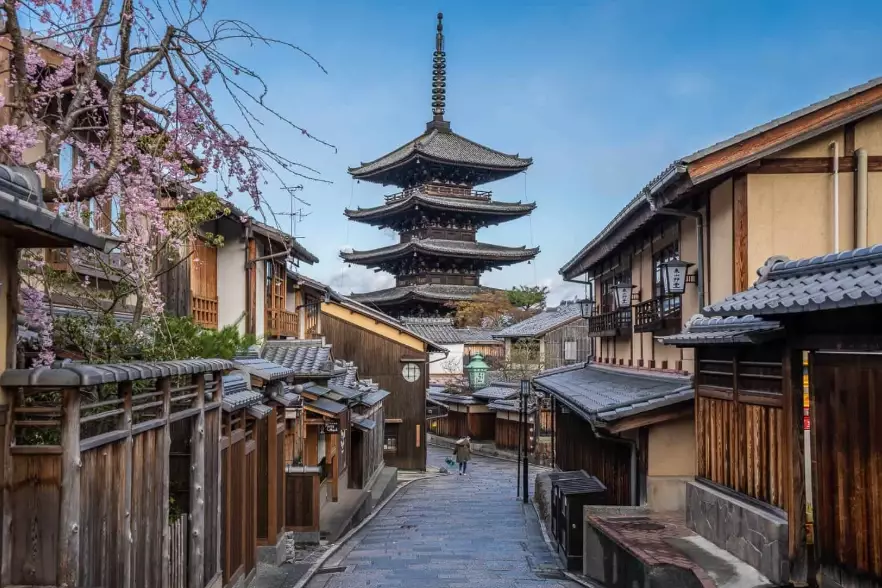
Crowds move on flat, main paths. At Kiyomizu-dera, don't just see the main stage. Explore the uphill Jishu Shrine. At Fushimi Inari, the higher you climb past the halfway point (Yotsutsuji intersection), the thinner the crowd becomes. The view is better, too.
Rule 3: Redefine "Must-See"
Consider this alternative list for a more authentic feel:
| Instead of This Crowded Spot... | Try This Similar Vibe | Why It's Better |
|---|---|---|
| Arashiyama Bamboo Grove | Kodai-ji Temple's Bamboo Garden | Smaller, enclosed, part of a stunning temple complex in Higashiyama. Often quiet. |
| Kinkaku-ji (Golden Pavilion) | Ginkaku-ji (Silver Pavilion) | Has a subtler, more profound Zen garden and a peaceful moss garden. The Philosopher's Path starts here. |
| Nishiki Market (midday) | Demachi Futaba (Mochi shop) or local depachika (department store basement food hall) | Get your food fix without the shuffle. Try the famous mochi or explore Takashimaya's depachika for exquisite local delicacies. |
Where to Stay in Kyoto for a Better Experience
Location is your first tactical decision. Staying right at Kyoto Station is convenient for day trips, but it removes you from the city's atmosphere. Here’s a breakdown based on experience, not just proximity to trains.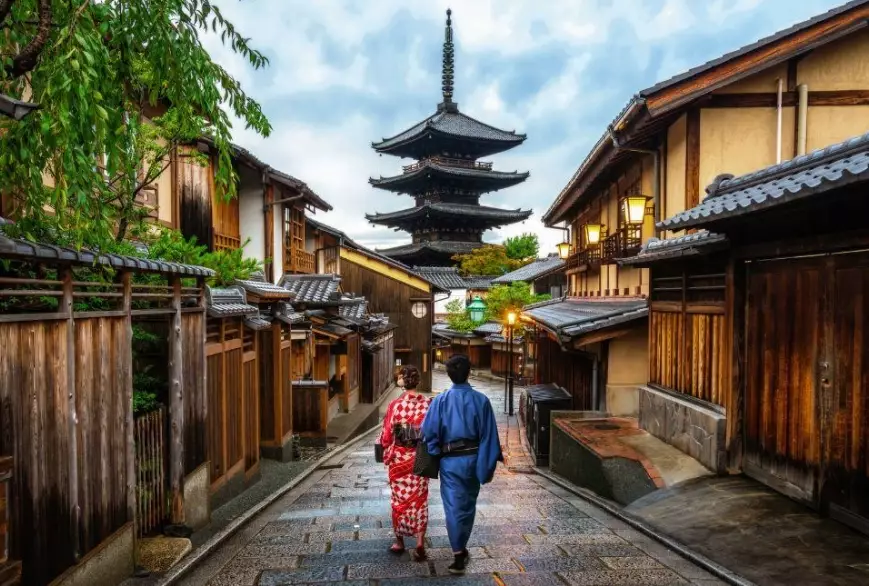
| Area | Best For | Vibe & Notes | Example Stay (Price Range/Night) |
|---|---|---|---|
| Southern Higashiyama (Gion, Kiyomizu) | First-time visitors, photographers, traditional atmosphere. | You're in the heart of the historic district. Can be noisy and expensive, but you can walk to major temples early. Restaurants are touristy but scenic. | Hotel The Celestine Kyoto Gion ($$$). Luxurious, perfect location near Yasaka Shrine. From ¥40,000. |
| Central Nakagyo (Downtown, near Nishiki) | Food lovers, urban explorers, easy access. | A grid of streets with local life, great cafes, and izakayas. More "real" Kyoto. Excellent bus/train links. | Mitsui Garden Hotel Kyoto Kawaramachi Jokyoji ($$). Modern, great value, rooftop bath. From ¥20,000. |
| Northwest Kyoto (Near Kinkaku-ji, Daitoku-ji) | Peace seekers, temple enthusiasts, repeat visitors. | Quieter, residential. Home to Daitoku-ji temple complex (a collection of subtemples), a serene alternative to the golden rush. | Guesthouse Engawa ($). A friendly, family-run guesthouse with a lovely garden. From ¥8,000 per person. |
Beyond the Hotspots: Kyoto's Still-Quiet Corners
These are the places where you can still hear a pin drop.
Ohara, a northern mountain village 30 minutes by bus from the city. The main attraction is Sanzen-in Temple, with its stunning moss garden and massive thatched-roof Buddha hall. The village itself has farmhouses and small shops selling pickles and herbs. You'll spend half a day here and see maybe two dozen other tourists.
Kurama and Kibune, two villages connected by a forest hiking path over Mount Kurama. Take the Eizan Railway to Kibune, walk up the valley past ryokans with platforms over the river (kawadoko), hike for 90 minutes through cedar forests to Kurama-dera Temple, then descend to Kurama Onsen for a bath. This is a full-day escape into the mountains.
Fushimi Sake District (not just the shrine). South of Fushimi Inari, along the canal, are historic sake breweries like Gekkeikan and Kizakura. You can tour, taste, and stroll a canal-side path that feels worlds away from the shrine's frenzy.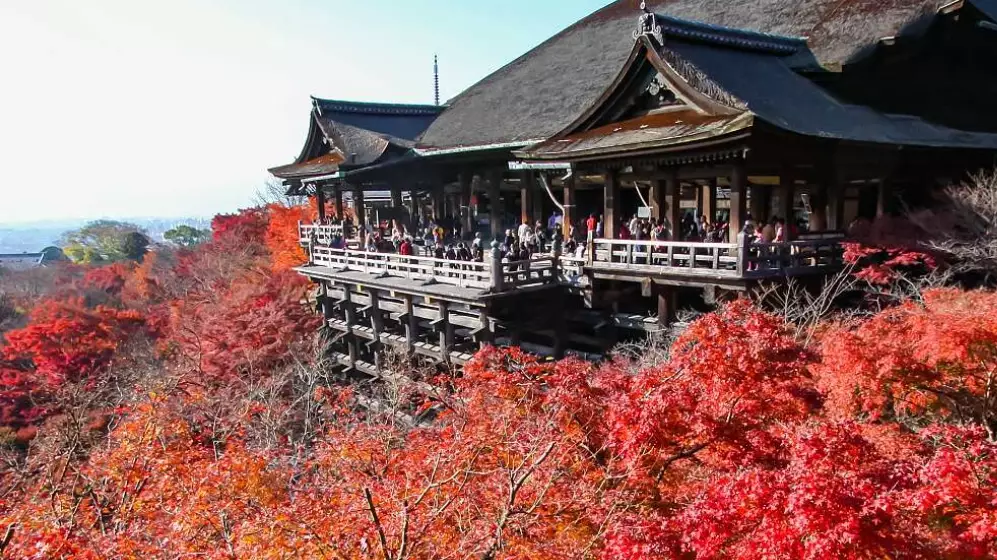
The Sustainable Visitor's Guide to Kyoto
Being a friendly tourist means being a respectful one. Overtourism is a real concern, and your behavior matters.
- Walk, Cycle, or Use Public Transit. Kyoto's bus system is extensive. Get an IC card (Suica/Pasmo). Taxis are expensive and add to congestion.
- Eat and Shop Local. Skip the chain stores in the main drag. Buy ceramics from a shop in Kiyomizu-zaka, pickles from a Nishiki Market vendor, or tea from a shop in Uji.
- Respect the Silence. Temples and gardens are places of worship and contemplation. Lower your voice. Don't use selfie sticks where prohibited (like inside most temple buildings).
- Follow the Rules. Don't step on tatami with shoes, photograph where it's forbidden, or enter private property for a photo. The Japan National Tourism Organization has excellent guidelines for cultural etiquette.
Your Kyoto Questions, Honestly Answered
 Are there areas where tourists are actively not welcome?
 So, is Kyoto still tourist friendly? The infrastructure, the food, the sheer depth of culture—all scream yes. The challenge, and now the essential part of the experience, is navigating its popularity with intelligence and respect. Ditch the checklist. Embrace the early morning. Wander without a fixed goal. You'll find that Kyoto's friendliness isn't gone; it's just waiting for you to approach it on its own terms.


Comments