You're standing in a crowded gift shop in Tokyo, holding a mass-produced keychain that says "Japan." It feels... hollow. If that's your experience with souvenirs, a trip to Shikoku changes everything. The fourth island of Japan isn't just about the 88 Temple Pilgrimage; it's a living museum of craftsmanship where souvenirs have a story, a place, and a person behind them. Forget the plastic trinkets. Here, you're buying a piece of the island's soul—handmade paper from centuries-old techniques, citrus confections that taste like sunshine, wooden crafts that smell of the forest. Let's talk about how to find the real stuff.
Your Souvenir Hunt Roadmap
How to Choose the Best Shikoku Souvenirs?
Most visitors make one big mistake: they buy only edible souvenirs (omiyage). Sure, they're great, but they're gone in a week. The souvenirs you'll cherish for years are the handcrafted, non-food items unique to a specific town or prefecture.
My rule of thumb? Look for items tied to a local material or tradition.
In Tokushima, it's indigo (aizome) and sudachi citrus. In Kagawa, it's ultra-thin hand-pulled noodles (sanuki udon) and olive products. Ehime is the kingdom of mikan (mandarins) and stonework from the quarries of Shikokuchuo. Kochi? Think vibrant Yosakoi festival spirit and local charcoal (binchotan) crafts. If the item can't be traced back to something grown, mined, or created uniquely on the island, you might as well buy it at the airport.
Local Insight: Don't shy away from asking shopkeepers, "Kore wa dochira de tsukuraremashita ka?" (Where was this made?). Authentic shops love this question. If they hesitate or say "China," you have your answer. Genuine local artisans are usually proud to name their workshop or the nearby town.
Top Shikoku Souvenir Categories & Must-Buy Items
Let's break it down by what your hands (and taste buds) can actually find.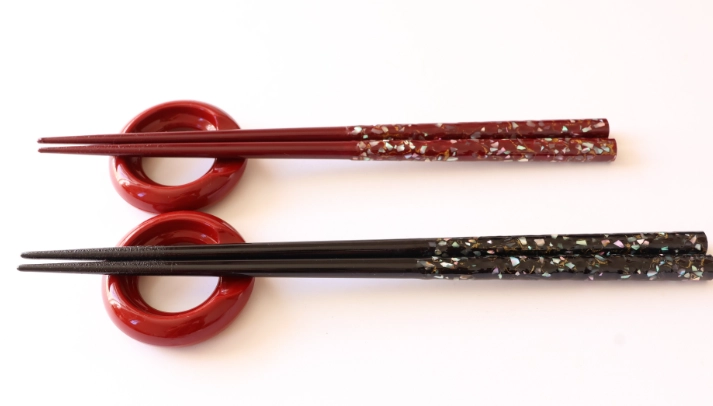
1. Handcrafts & Artisan Goods (The Keep-Forever Gifts)
This is where Shikoku shines.
- Tokushima Aizome (Indigo Dye): This isn't just blue fabric; it's a living history. The fermentation process creates a unique, deep blue that softens beautifully. Look for tenugui (hand towels), furoshiki (wrapping cloths), or small drawstring bags. The Awa Ai no Yakata museum in Tokushima City offers dyed goods and workshops. A medium-sized furoshiki costs around 2,500-4,000 yen.
- Tosa Washi (Kochi Paper): Some of Japan's finest paper comes from Kochi, known for its strength and texture. You can find beautiful stationery, notebooks, and lamps. For an immersive experience, visit Kamikoya in Ino-cho, a working paper museum and workshop (Address: 110-1 Sakashita, Ino, Kami District; open 9:00-17:00, closed Wed). Making your own postcard is a fantastic souvenir in itself (around 1,000 yen).
- Oshima Tsumugi Silk (Ehime): A luxurious, durable silk pongee from the Matsuyama area. It's pricey for clothing, but small items like coin purses, eyeglass cases, or bookmarks make it accessible (1,500-5,000 yen).
- Kagawa Lacquerware: Look for pieces with a fine, smooth finish. Traditional chopsticks or small stacked boxes (jubako) are common finds.
2. Edible Delights (The Shareable Treats)
You can't avoid these, nor should you. The key is to go beyond the standard kitkat.
| Item | Region | What It Is | Price Range (approx.) |
|---|---|---|---|
| Mikan-related Everything | Ehime | Mikan jam, candies, vinegar, even mikan beer. The pure juice packs are a healthy favorite. | 500 - 1,500 yen |
| Sudachi Products | Tokushima | Sudachi ponzu sauce, juice, pepper. Adds a bright, citrusy kick to any dish. | 600 - 1,200 yen |
| Sanuki Udon Kits | Kagawa | Dried udon noodles with soup base. Get the ones from small mills, not big factories. | 800 - 2,000 yen |
| Katsuo no Tataki (Seared Bonito) | Kochi | Vacuum-packed versions of Kochi's famous dish. Surprisingly good for travel. | 1,000 - 2,500 yen |
| Olive Products | Kagawa (Shodoshima) | Olive oil, beauty soaps, pickled olives. Shodoshima is Japan's olive island. | 800 - 3,000 yen |
3. Quirky & Cultural Finds
These have character.
- Uzushio (Whirlpool) Themed Items (Naruto, Tokushima): Keychains, magnets, and art featuring the famous Naruto whirlpools.
- Yosakoi Festival Merchandise (Kochi): Naruko clappers (the wooden clappers used in the dance) are a fun, noisy souvenir.
- Ishizuchi Shrine Charms (Ehime): Mount Ishizuchi is a sacred peak. The omamori (charms) from its base are considered particularly powerful.
Where to Shop for Authentic Shikoku Gifts
Avoid the generic "Miyage Corner" in train stations. Go to the source.
| City/Town | Shop/Area Name | What to Find There | Notes |
|---|---|---|---|
| Takamatsu (Kagawa) | Ritsurin Garden Shops | High-quality lacquerware, local woodwork, olive products, udon kits. | The garden itself is inspiration; the shops have curated quality. |
| Matsuyama (Ehime) | Dogo Arcade & Bansuiso Area | Mikan products, Tsumugi silk items, pottery from Tobe (nearby town). | Arcade is touristy but has good options. Bansuiso area has more upscale craft shops. |
| Tokushima City | Awa Odori Kaikan & Aizome Shops | Indigo-dyed goods, sudachi products, Awa Odori festival memorabilia. | Kaikan has a good selection of local specialties under one roof. |
| Kochi City | Hirome Market & Sunday Market | Katsuo tataki packs, local sake, Yuzu products, handmade crafts from vendors. | Hirome is for food. The Sunday Market (along Obiyamachi) is for crafts and antiques. |
| Uchiko (Ehime) | The historic merchant streets | Traditional wax products (Uchiko was a wax town), local crafts, quiet atmosphere. | Buy where it was historically made. The experience is part of the souvenir. |
For broader research, the official Shikoku Tourism website often lists recommended local craft producers. The Japan National Tourism Organization (JNTO) site also features articles on regional crafts that can point you in the right direction.
How to Pack Delicate Japanese Souvenirs for Travel
I've seen too many beautiful pieces of pottery crack in a suitcase. Here's what I do.
First, never refuse the packaging Japanese shopkeepers offer. They are masters of protective wrapping. That extra layer of paper and bubble wrap is free and perfect.
For ceramics or lacquerware: Wrap the item in its shop packaging, then surround it with your softest clothes—sweaters, socks, scarves. Place it in the center of your suitcase, never near the edges or corners. If it's extremely fragile, carry it on. I once carried a Bizen ware vase all the way from Okayama on my lap. A hassle? Yes. Worth it? Absolutely.
For washi paper and textiles: Keep them flat. A rigid folder or a large hardcover book in your suitcase makes a perfect press. Rolling can cause permanent creases in fine paper or delicate indigo fabric.
For edibles: Check customs rules for your home country. Most packaged sweets and dry goods are fine. Sealed bottles of sauce or vinegar usually need to go in your checked luggage. Pack them in a zip-lock bag—just in case.
Your Shikoku Souvenir Questions Answered

Comments