Most people rush to Tokyo, Kyoto, or Osaka. Yamagata? It's that prefecture you might fly over. But that's the mistake. Tucked in Japan's Tohoku region, Yamagata is where you find the country's soul, untouched by mass tourism. Think steaming onsens at the foot of frozen monster-like trees, ancient temples clinging to cliffs, and the sweetest cherries you'll ever taste. I've been visiting for a decade, and it still surprises me. This isn't a checklist destination; it's a place to feel Japan's raw beauty.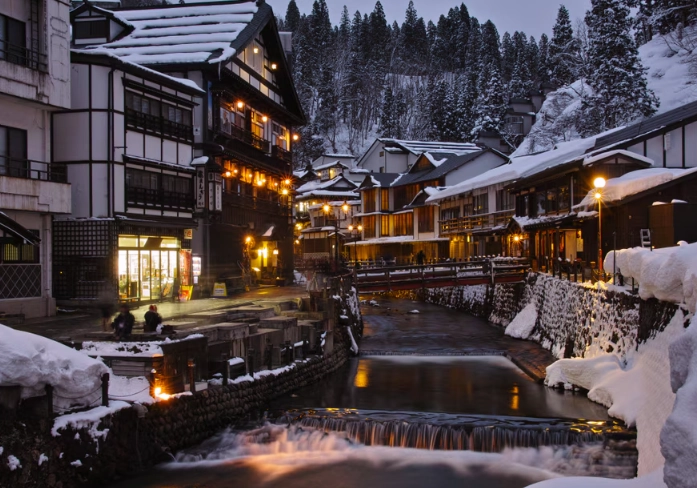
Your Yamagata Travel Cheat Sheet
Why Yamagata Should Be On Your Japan List
Let's be honest. You're looking for something real. Yamagata delivers that. It's less polished, more authentic. The crowds are thinner, the prices are kinder, and the landscapes are dramatic in a way that feels ancient. The prefecture is a powerhouse of nature and agriculture. It produces about 70% of Japan's cherries, according to the Yamagata Prefectural Government. It has one of Japan's heaviest snowfalls, creating the legendary Zao Snow Monsters. It's also home to Dewa Sanzan, three sacred mountains central to Shugendo mountain asceticism. You come here for specific, powerful experiences you can't get anywhere else.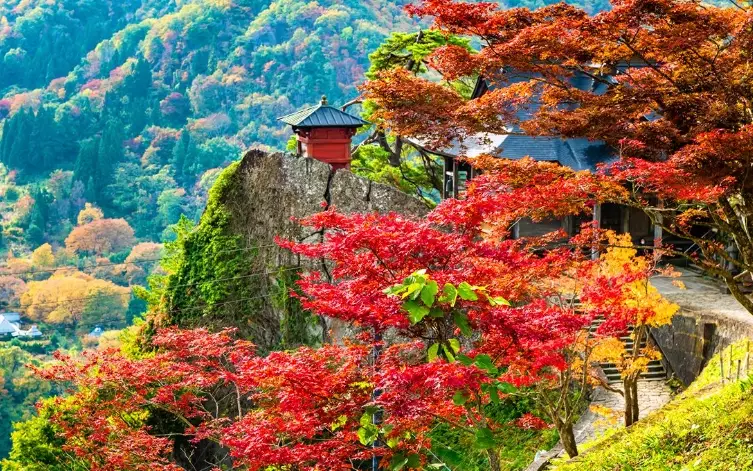
The 3 Must-See Attractions in Yamagata
Focus on these. They define the region.
1. Zao Onsen & The Snow Monsters (Juhyo)
This is Yamagata's poster child, and for good reason. From December to March, Siberian winds coat the fir trees on Mount Zao in layers of ice and snow, sculpting them into towering, grotesque shapes called "Juhyo" (ice trees) or "Snow Monsters." It's surreal. You take two ropeways to the summit. The view from the top is like standing on another planet.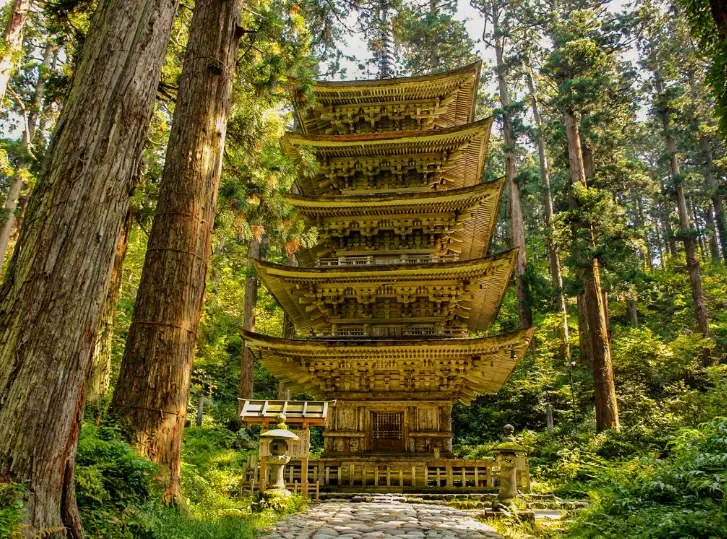
Zao Snow Monsters Info
Best Time: Peak viewing is late January to mid-February. By March, they start to melt.
Access: From Yamagata Station, take a bus to Zao Onsen Bus Terminal (40 min, ~1000 yen). Then walk to the Zao Ropeway.
Cost: Round-trip ropeway ticket to Juhyo Kogen Station is about 3,000 yen. A pass to the summit (Utopia) is around 5,000 yen.
Tip: The weather is extreme. Wear thermals, a heavy coat, waterproof pants, gloves, and grippy boots. The summit is freezing and windy.
In other seasons, Zao is a great hiking destination with stunning crater lakes like Okama. The hot spring town at the base is one of Japan's oldest, with public baths ("soto-yu") you can dip into for a few hundred yen.
2. Yamadera (Risshakuji Temple)
A temple complex literally carved into a vertical cliffside. The name means "mountain temple." You climb about 1,015 stone steps through a serene cedar forest to reach the main hall. The climb is a meditation. The payoff is a breathtaking view of the valley below from the Godaido hall. It's peaceful, historic, and physically rewarding.
Address: 4456-1 Yamadera, Yamagata City.
Hours: 8:00 AM to 5:00 PM (varies slightly by season).
Admission: 300 yen.
Access: A 20-minute local train ride from Yamagata Station on the JR Senzan Line (240 yen). The temple is a 5-minute walk from Yamadera Station.
My advice: Go early. The light is beautiful, and you'll avoid the small crowds that do come. Wear good shoes—the steps are uneven and can be slippery.
3. Fruit Picking & The Cherry Heartland
If you visit in early summer (June), the cherry orchards are a non-negotiable stop. Yamagata's cherries (Sato Nishiki variety) are famous for their size and sweetness. Many farms offer all-you-can-eat (tabehoudai) sessions for 30-60 minutes. It's a joyous, sticky-fingered experience. Beyond cherries, the prefecture offers apple, peach, and grape picking in other seasons.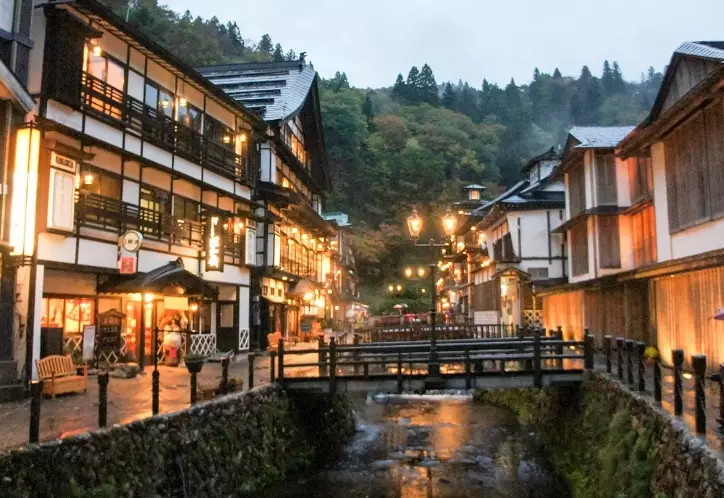
A great spot is the Yamagata Fruit Garden in Tendō City. It's organized, tourist-friendly, and has multiple fruit options. Book in advance during peak season.
What to Eat in Yamagata: Beyond Cherries
The food here is hearty, reflecting the cold winters. You haven't truly experienced Yamagata until you've tried these.
Yonezawa Beef: Often ranked alongside Kobe and Matsusaka beef. It's marbled, tender, and melts in your mouth. A must-try for meat lovers. You can find it at specialty restaurants like Iroha in Yonezawa City. A teishoku (set meal) with Yonezawa beef starts around 6,000 yen.
Imoni: A communal taro potato stew, a beloved autumn tradition. The best place to try it is along the banks of the Mamigasaki River in Yamagata City, especially during the annual Imoni Festival in September.
Soba (Buckwheat Noodles): The cold climate is perfect for growing buckwheat. The soba here has a distinct, nutty flavor. Try it at a local soba-ya like Kameya near Yamadera for an authentic post-temple meal.
Where to find it all? Head to the Yamagata City Marugoto Market. It's part fresh market, part food hall. You can sample local sake, pick up fruit souvenirs, and grab a quick bowl of imoni or a beef rice bowl.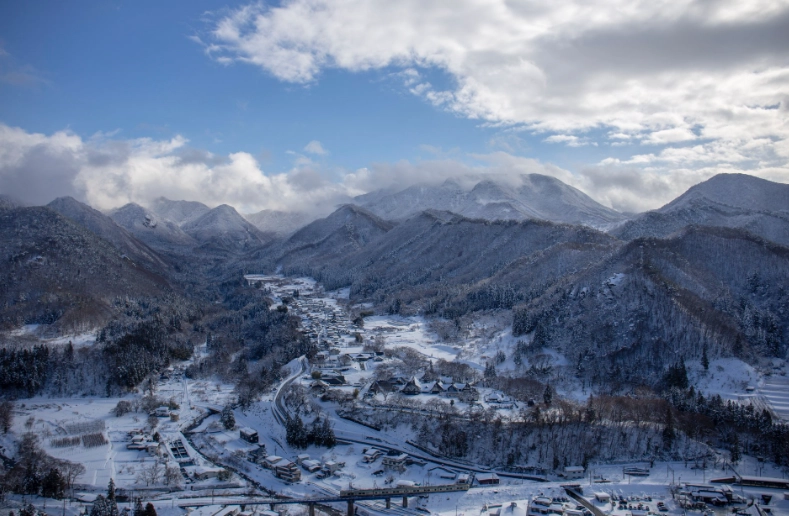
Where to Stay: Onsen Towns & City Hotels
Your base depends on your priorities.
| Area | Best For | Hotel Recommendation | Approx. Price/Night |
|---|---|---|---|
| Zao Onsen | Snow monsters, hiking, traditional onsen experience. | Takamiya Hotel Zao. Classic ryokan with fantastic hot spring baths and kaiseki meals. Right near the ropeway. | 25,000 - 40,000 yen (with meals) |
| Yamagata City | Convenience, access to Yamadera, food markets, transport hub. | Hotel Metropolitan Yamagata. Directly connected to JR Yamagata Station. Modern, comfortable, no frills. | 8,000 - 12,000 yen |
| Ginzan Onsen | Atmosphere, photography, a step back in time. (Note: This is in Obanazawa, a different part of Yamagata). | Notoya Ryokan. A historic inn right on the iconic river, featured in many photos. Book months in advance. | 30,000 - 50,000 yen (with meals) |
I usually split my stay: one night in Zao to fully enjoy the onsen and early ropeway access, and one night in Yamagata City for logistics.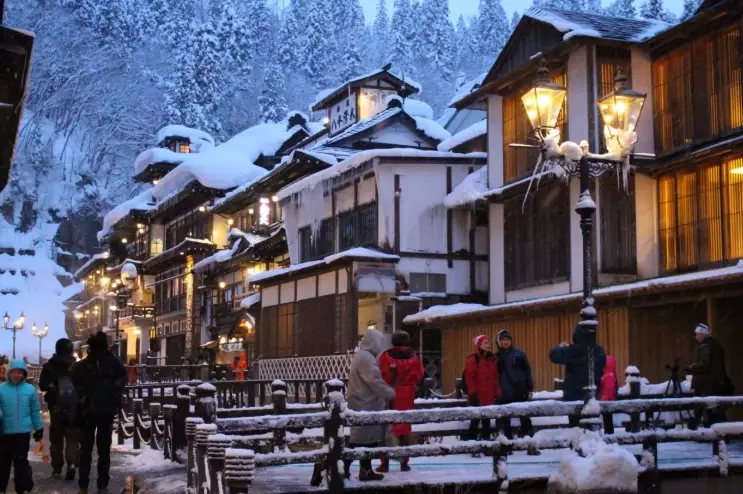
Building Your Yamagata Itinerary: A 3-Day Plan
Here's a realistic, tried-and-tested plan for a first visit in winter (for the snow monsters).
Day 1: Arrival & Yamadera
- Morning: Arrive at Yamagata Station via Shinkansen from Tokyo.
- Afternoon: Drop bags at your city hotel. Take the local train to Yamadera. Climb the temple (allow 2-3 hours).
- Evening: Explore the Marugoto Market for dinner. Try imoni if available, or a Yonezawa beef bowl.
Day 2: Zao Snow Monsters
- Morning: Check out, take bus to Zao Onsen. Store luggage at your ryokan or the bus terminal.
- Late Morning/Afternoon: Take the ropeways to the summit. Spend time marveling at the Snow Monsters. Have lunch at the summit station (simple ramen or curry).
- Late Afternoon: Check into your ryokan. Soak in the onsen baths.
- Evening: Enjoy a multi-course kaiseki dinner at your ryokan.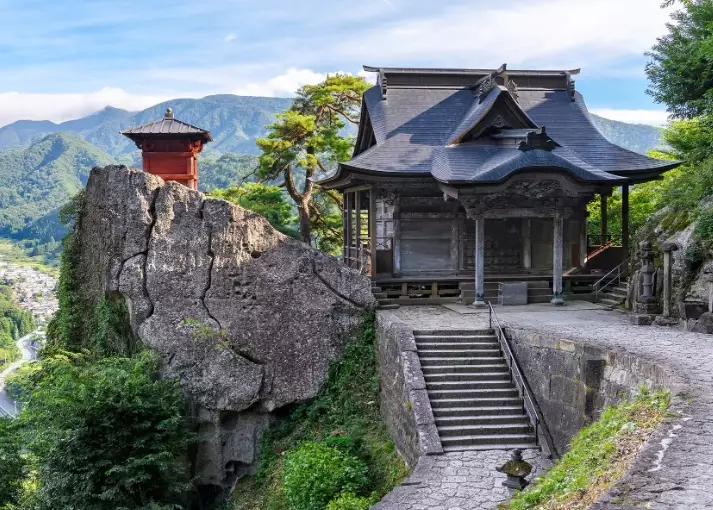
Day 3: Onsen & Departure
- Morning: One final onsen soak. Perhaps explore the old streets of the onsen town.
- Afternoon: Bus back to Yamagata Station. Pick up cherry-themed souvenirs (jam, wine) from the station's gift shops. Depart on the Shinkansen.
Practical Tips for Your Trip
Getting There: The Yamagata Shinkansen ("Tsubasa") runs directly from Tokyo Station to Yamagata City (about 2.5 hours). It's covered by the Japan Rail Pass. Book your seat in advance during peak seasons.
Getting Around: Buses are key for Zao and Ginzan Onsen. In Yamagata City, walking and local trains suffice. Renting a car gives ultimate freedom to explore remote areas like Dewa Sanzan, but is not necessary for the main trio of attractions.
Budgeting: Yamagata is cheaper than major cities. A mid-range daily budget (excluding luxury ryokan stays) is 10,000-15,000 yen per person for food, local transport, and attractions.
Seasonal Considerations:
- Winter (Dec-Mar): For snow monsters. Pack for serious cold.
- Spring (Apr-May): Pleasant hiking, cherry blossoms in late April.
- Summer (Jun-Aug): Hot, humid. Perfect for cherries (June) and festivals.
- Autumn (Sep-Nov): Stunning fall foliage, especially at Yamadera and in the mountains. Imoni season.
Your Yamagata Questions Answered
What is the best time to visit Yamagata for the snow monsters and cherries?
The timing is tricky because these two iconic sights are in opposite seasons. The Zao Snow Monsters (Juhyo) are best viewed from late January to mid-February, when the ice formations are most dramatic. For the famous Yamagata cherries, the peak harvest and fruit picking season is from early to mid-June. If you want to experience both, you'd need to plan two separate trips. Most visitors prioritize winter for the snow monsters, as the sight is truly unique to this region.
Is it difficult to get to Yamagata Japan without a car?
Not at all, but it requires a bit of planning. The Shinkansen (bullet train) connects Tokyo to Yamagata City in about 2.5 hours via the Yamagata Shinkansen line. Major sites like Yamadera Temple are easily reached by local train from Yamagata Station. The bigger challenge is Zao Onsen. From Yamagata Station, you take a bus (about 40 minutes). Once at the ski resort, you rely on local shuttle buses or taxis to get around. I recommend spending a night in Zao Onsen to avoid rushing for the last bus back to the city.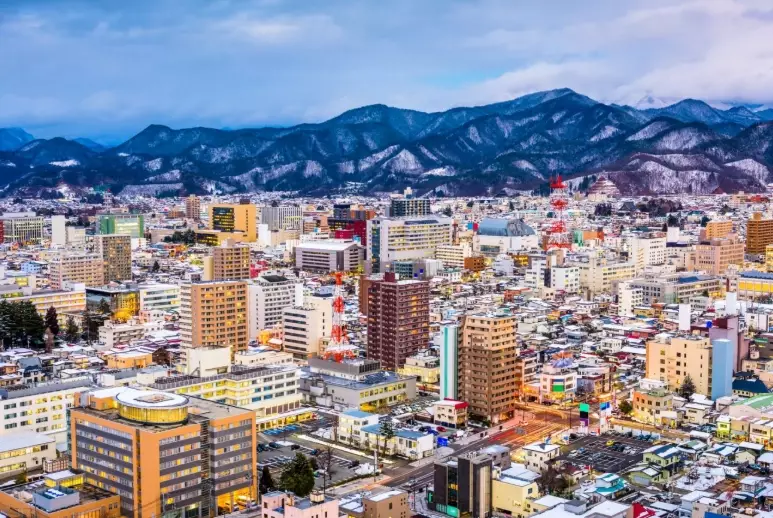
How many days do I need for a Yamagata trip?
A solid 3-day, 2-night itinerary lets you cover the essentials without feeling rushed. Day 1: Arrive in Yamagata City, visit Yamadera. Day 2: Head to Zao Onsen for the snow monsters or hiking, soak in an onsen. Day 3: Explore local food markets or a fruit orchard before departing. If you add Ginzan Onsen, which is in a different valley, you'll need an extra full day for travel and exploration. Rushing through in a day trip from Tokyo only lets you scratch the surface of one location.
What's a common mistake first-time visitors make in Yamagata?
Underestimating the terrain and weather. At Yamadera, people see "only 1,000 steps" and think it's easy. Those steps are steep, uneven, and can be icy in winter or slippery after rain. Proper shoes are non-negotiable. In Zao, the weather at the summit where the snow monsters are is extreme. It's often 15-20 degrees Celsius colder than at the base, with strong winds. I've seen too many people in sneakers and light jackets turning blue at the ropeway station. Layer up with thermals, a proper winter coat, gloves, and waterproof boots.
Yamagata isn't trying to impress anyone. It just does its own thing—growing perfect fruit, piling up epic snow, and maintaining centuries of tradition. That quiet confidence is what makes it special. Skip the crowds. Go feel it for yourself.


Comments