Let's cut to the chase. You're thinking about Shikoku, and the name Tokushima keeps popping up. Maybe you've seen a dizzying video of the Naruto whirlpools or heard the infectious rhythm of Awa Odori. But what's it really like to travel there? Is it worth bypassing Kyoto or Tokyo for? I've been multiple times, and my answer is a resounding yes—if you know how to approach it. This isn't a checklist destination. It's a place for immersion.
Forget the crowded streets of major hubs. Tokushima offers rugged valleys, a coast sculpted by furious currents, and a dance culture that takes over the entire city. But there's a catch. The public transport gaps in the mountainous interior can trip up unprepared visitors. I learned that the hard way, waiting two hours for a bus that never seemed to come.
Your Tokushima Trip at a Glance
What is Tokushima Known For?
Tokushima's identity is built on three powerful pillars: relentless nature, unbridled celebration, and profound history. Most visitors come for one, but leave remembering all three.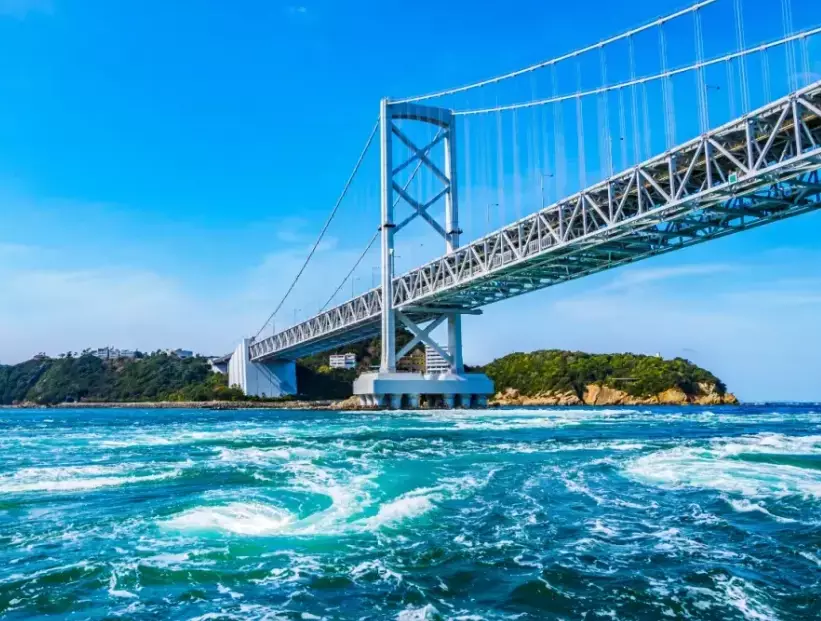
Top 3 Tokushima Attractions You Can't Miss
1. The Naruto Whirlpools (Uzushio)
Address: Naruto-cho, Naruto City, Tokushima 772-0001
Best Viewing: Uzushio Cruise or Uzunomichi Walkway
Ticket: Cruise ~2,200 JPY; Walkway ~510 JPY
Key Tip: Your entire visit hinges on the tide schedule. The whirlpools are only impressive during spring tides. Check the Uzushio Kisen website (Japanese, but tide tables are visual) or the Japan National Tourism Organization's seasonal guides. I made the mistake of going on a neap tide once. Saw some gentle swirls. Felt deeply underwhelmed.
2. Awa Odori Festival & Kaikan
Festival Dates: August 12-15 annually. The city transforms.
Year-Round Venue: Awa Odori Kaikan, 2-20 Shinmachibashi, Tokushima City
Hours: 9:00 AM - 5:00 PM (Performances at set times)
Admission: ~600 JPY for museum & show
Here’s the thing. Watching a professional show at the Kaikan is great. But the real secret? They offer short dance lessons for tourists. In 30 minutes, you learn the basic “fool’s dance” step. It’s silly, fun, and gives you a genuine connection to the culture beyond just spectating.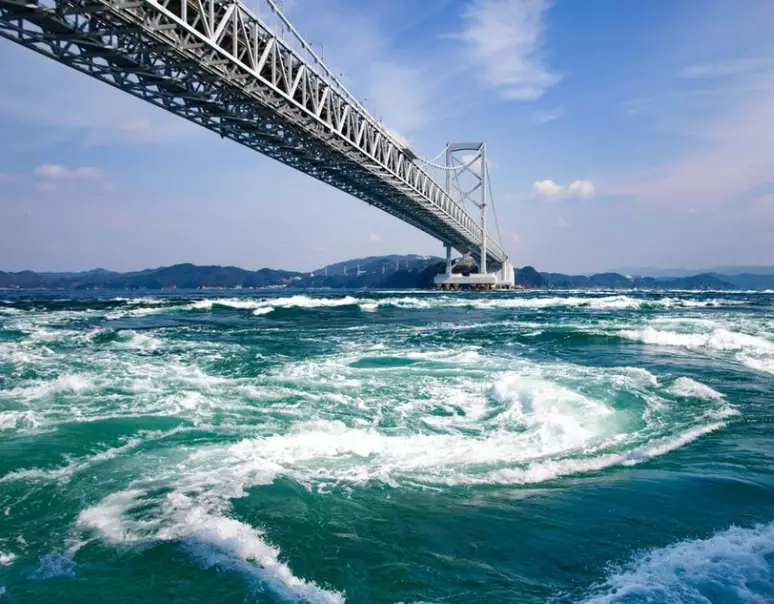
3. The Iya Valley & Oboke/Koboke Gorges
This is Tokushima's rugged heart. Deep V-shaped gorges, historic vine bridges (Kazurabashi), and secluded villages. It feels worlds away.
Access: This is the region where renting a car pays massive dividends. Public buses run, but infrequently. A popular compromise is a scheduled bus tour from Tokushima Station to the main highlights.
Must-Do: A scenic boat ride down the Oboke Gorge (about 1,200 JPY). The boatmen navigate the rapids with long poles, a tradition unchanged for centuries.
How to Get to Tokushima?
Reaching this island prefecture requires a bit of a journey, which is part of what keeps it special. Here are your main options, broken down.
- By Air: Tokushima Airport (TKS) has direct flights from Tokyo (Haneda), Nagoya, and Fukuoka. It's a 30-minute bus ride to Tokushima City center. For international travelers, flying into Kansai International Airport (KIX) and transferring is often the most flexible route.
- By Train/Bus from Kansai: This is the most common route. From Osaka, take a limited express train (Tokyu/Tokushima Liner) directly to Tokushima Station (approx. 2.5 hours, 5,000 JPY). Alternatively, highway buses from Osaka or Kobe are cheaper but slower.
- By Ferry: From Wakayama (near Osaka) to Tokushima City Port. The ferry takes about 2 hours and is a scenic, if sometimes windy, option. Good if you have a car.
Once in Tokushima City, the JR Tokushima Line runs along the east coast. For the Iya Valley and central mountains, you're looking at local buses or that rental car.
Where to Stay in Tokushima: Top Picks for Every Traveler
Your base determines your experience. City convenience vs. mountain serenity? Here’s a clear breakdown.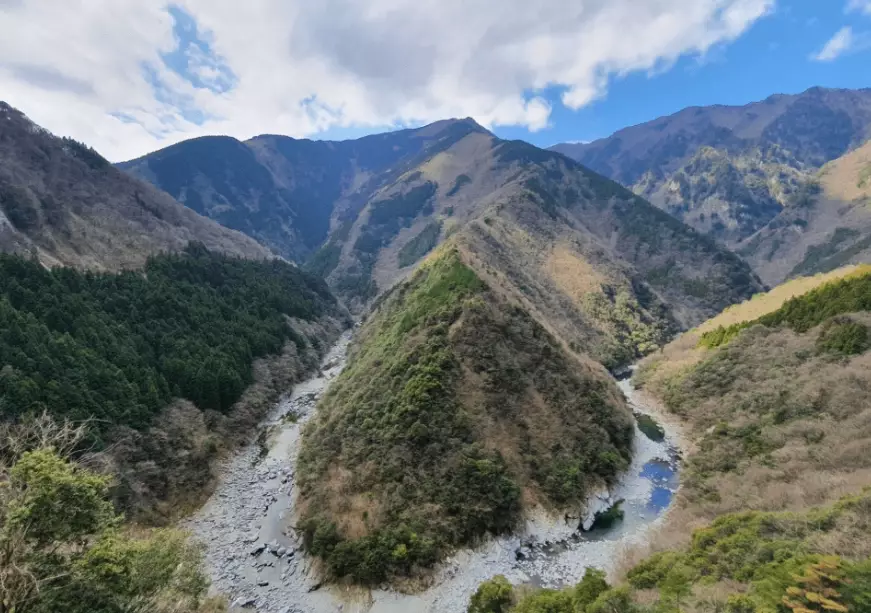
| Hotel / Ryokan | Location | Why Stay Here? | Price Range (per night) |
|---|---|---|---|
| Daiwa Roynet Hotel Tokushima | Tokushima City (near station) | Modern, reliable business hotel. Perfect base for city exploration, Awa Odori Kaikan, and train/bus connections. The breakfast is surprisingly good. | 6,000 - 9,000 JPY |
| Hotel Ridge Naruto | Naruto City | Stunning views of the Seto Inland Sea and the Great Naruto Bridge. Ideal for whirlpool hunters. Some rooms have open-air baths overlooking the water. | 10,000 - 18,000 JPY |
| Iya Onsen | Iya Valley (Mt. Tsurugi) | The ultimate secluded escape. Accessible by cable car, this ryokan has legendary open-air baths perched on a cliffside. Dinner features local mountain vegetables and river fish. Book far ahead. | 20,000 - 40,000 JPY (with meals) |
| Guesthouse Iya | Central Iya Valley | A friendly, affordable guesthouse run by locals who know every trail. Perfect for hikers and budget travelers wanting an authentic Iya experience. Communal dinners are a highlight. | 4,000 - 6,000 JPY (breakfast extra) |
What to Eat in Tokushima: A Local Food Guide
Tokushima's cuisine is bold, often featuring local sudachi citrus, sweet potatoes, and fresh seafood. Skip the generic tourist restaurants.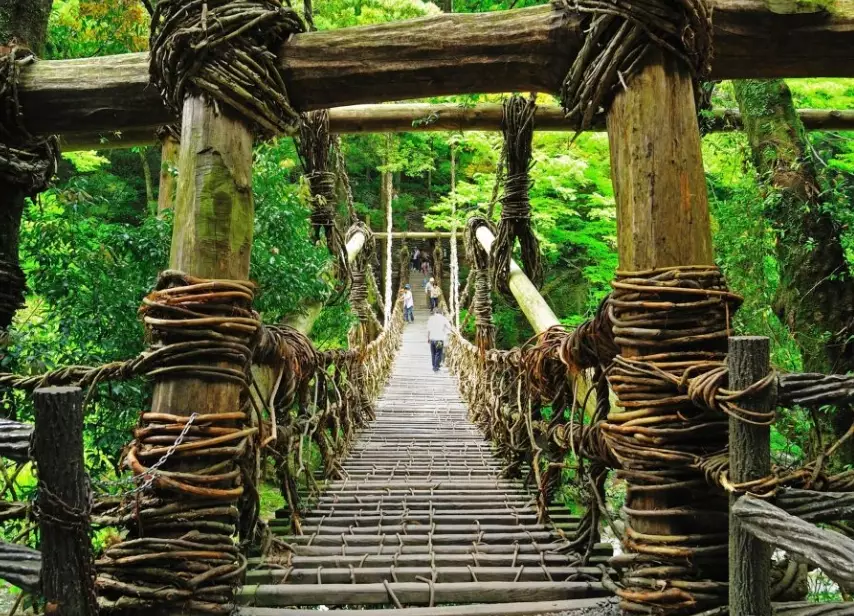
1. Tokushima Ramen
It's not just another bowl. The broth is a rich, dark soy sauce (koikuchi) base, often with a pork bone undertone. It's served with pork ribs (softer than chashu) and a raw egg on top. You stir the egg in for creaminess.
Where to try it: Inotani (several locations in Tokushima City). The main shop often has a line, but it moves. A hearty bowl costs around 850 JPY.
2. Awa Odori Chicken & Seafood
For a lively dinner, head to an izakaya in Tokushima City during the evening. Look for Awaodori Chicken (local free-range chicken, grilled) and “Sawachi” dishes—massive platters of sashimi or tempura meant for sharing. It's communal and festive.
Try: Hachiman Kamashima near Tokushima Station. Bustling atmosphere, great sawachi options. Budget 3,000-4,000 JPY per person.
3. Naruto Tai Meshi
In Naruto, don't miss Tai Meshi (sea bream rice). A whole local sea bream is cooked with rice in a donabe (clay pot), infusing every grain with flavor. It's a specialty of the port.
Where: Uzushio restaurant near the whirlpool cruise terminal. They do a fantastic set meal with tai meshi and small sides for about 1,800 JPY.
A Sample 3-Day Tokushima Itinerary
This plan assumes you're based in Tokushima City and using a mix of trains and a one-day rental car or tour for the valley.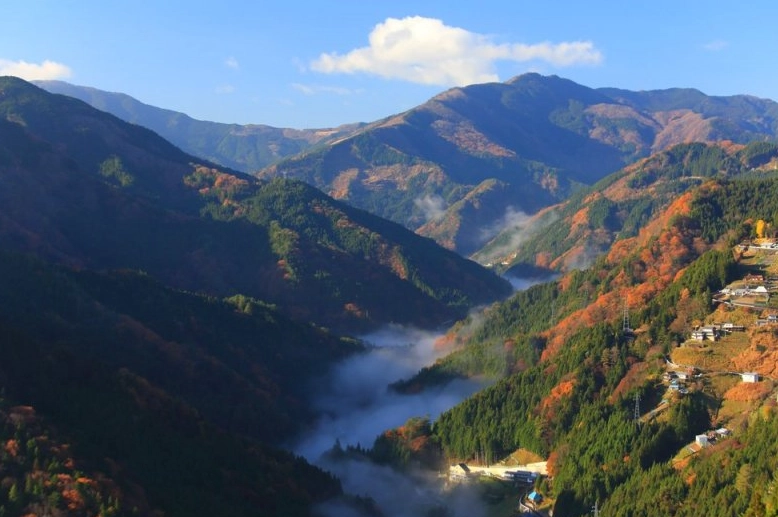
Day 1: Tokushima City & Culture
Morning: Arrive at Tokushima Station. Drop bags at hotel.
Late Morning: Visit Awa Odori Kaikan. Watch the performance, try the dance lesson, explore the museum.
Lunch: Tokushima Ramen at Inotani.
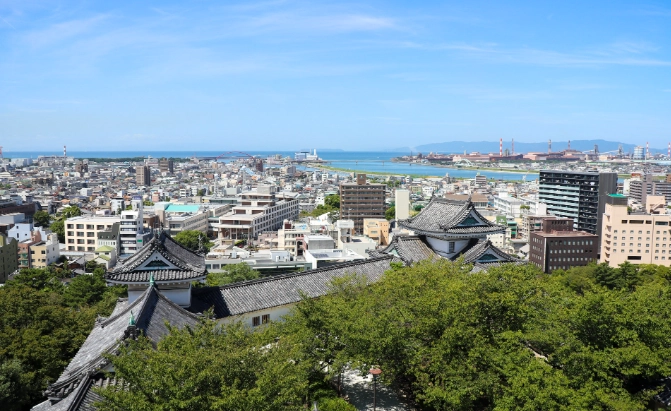
Afternoon: Stroll through Tokushima Castle Park (Bizan Park). Take the Bizan Ropeway for a panoramic city view.
Evening: Izakaya dinner in the city center. Try Awaodori Chicken.
Day 2: The Power of Naruto
Morning: Take the JR train from Tokushima Station to Naruto Station (~30 min). Transfer to a bus for the Uzushio cruise terminal.
Late Morning: Naruto Whirlpool Cruise (time slot depends on tide schedule).
Lunch: Naruto Tai Meshi at a local restaurant.
Afternoon: Walk the Uzunomichi (Whirlpool Pathway) under the Naruto Bridge for a different perspective.
Evening: Return to Tokushima City. Relax.
Day 3: Into the Iya Valley
This day requires planning. Option A (Easier): Book a one-day bus tour from Tokushima Station. It covers the Iya Kazurabashi (vine bridge), Oboke Gorge boat ride, and scenic lookouts. Option B (More Flexible): Rent a car for the day.
Highlights: Cross the swaying Kazurabashi Vine Bridge (550 JPY). Enjoy the Oboke Gorge boat ride. Visit the “Scarecrow Village” of Nagoro if time permits—it's eerie and fascinating.
Evening: Return car/tour. Depart from Tokushima or stay another night for a slower pace.
Essential Tokushima Travel Tips
- Best Time to Visit: Spring (April-May) and Autumn (October-November) are ideal. Pleasant weather, great for hiking. Summer (Aug) is hot and humid, but you get the Awa Odori festival. Winter is quiet and cold, some mountain roads may close.
- Transport Pass: The All Shikoku Rail Pass is worth it if you're also visiting Takamatsu or Matsuyama. For just Tokushima, paying for individual JR tickets might be cheaper. For buses, a Shikoku Kippu bus pass can offer savings.
- Cash is King: More so than in major cities. Many local restaurants, small inns, and bus services are cash-only.
- The “Non-Consensus” Tip: Everyone says “go to Iya Valley.” I say, if you're short on time or don't want to deal with transport hassle, the Awa Jurobei Yashiki puppet theater in Itano is a stunning cultural alternative. The 45-minute shows of traditional Awa Ningyo Joruri are hauntingly beautiful and easily accessed by train from Tokushima City.
Your Tokushima Questions, Answered
What is the best time to see the Naruto whirlpools in Tokushima?
The whirlpools are most powerful and visible during spring tide periods, which happen around the full moon and new moon. Check the official Uzushio Kisen website for the daily tide schedule before you go. Aim for a 'large' or 'especially large' tide forecast for the best show. The viewing time shifts daily with the tides, so a 9 AM slot one day might be a 3 PM slot the next.
How can I best experience the Awa Odori festival in Tokushima?
Don't just watch from the sidelines. The real magic happens by joining a 'ren' (dance group) for a night. Many offer short-term participation for tourists, including rental yukata and a quick lesson. Book this months in advance. If you're visiting outside the August festival, head to the Awa Odori Kaikan in Tokushima City for daily performances and hands-on dance lessons.
Is Tokushima suitable for solo travelers or those not renting a car?
Yes, but with strategic planning. The JR Tokushima Line connects major spots like Tokushima City, Itano (for Awa Jurobei Yashiki), and Anabuki (transfer for Oboke/Koboke). Buses serve Iya Valley and Mt. Tsurugi, but schedules are infrequent. For a solo traveler, focusing on the eastern coast (City, Naruto, Awa) using trains/buses is very feasible. For the deep Iya Valley, consider a scheduled bus tour from Tokushima Station to simplify logistics.
What's a realistic daily budget for traveling in Tokushima?
Excluding flights, a comfortable mid-range budget is around 10,000-15,000 JPY per day. This covers a business hotel (5,000-8,000 JPY), local meals (3,000-5,000 JPY), train/bus fares, and attraction entry fees. Budget travelers can manage on 6,000-8,000 JPY using capsule hotels/guesthouses and convenience store meals. The main expense splurges are often the whirlpool cruise (~2,200 JPY) and speciality ryokan stays in Iya Valley.


Comments