Quick Guide
- When Should You Actually Visit Yamagata City?
- The Absolute Must-Dos in Yamagata City (And a Few You Can Skip)
- Eating in Yamagata City: This is Why You'll Gain Weight (Happily)
- Getting There, Getting Around, and Where to Sleep
- Honest Answers to Your Burning Questions (FAQ)
- Final Thoughts: Who is Yamagata City For?
Let's be real. When people plan a trip to Japan, their minds jump straight to Tokyo's neon buzz, Kyoto's ancient temples, or Osaka's food paradise. Yamagata City? It's that place you might have heard in passing, maybe seen a photo of some mountains, and then scrolled right past. I was the same. Until I actually went.
I ended up in Yamagata Prefecture almost by accident, chasing a cheap flight deal into the region. Yamagata City, the prefecture's capital, was my base. And you know what? It completely flipped my script on what travel in Japan could be. No overwhelming crowds, no tourist traps hawking plastic samurai swords. Just a real, working Japanese city nestled in a valley, surrounded by insane nature, with a culture and food scene that feels untouched and incredibly generous.
This isn't a glossy brochure. This is the guide I wish I had before I landed. We're going to talk about the stunning stuff, sure—the castle ruins shrouded in cherry blossoms, the soul-warming hot springs. But we're also going to talk about the practicalities, the little frustrations, and the hidden corners that make Yamagata City worth your time. If you're even slightly curious about venturing beyond Japan's golden route, stick around.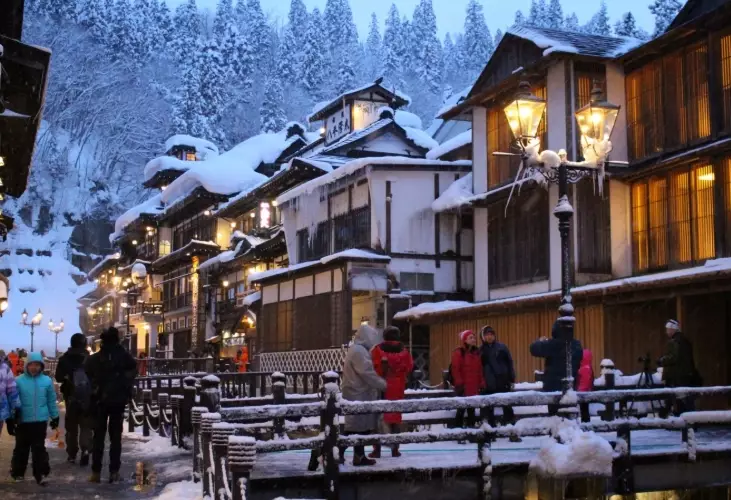
So, What's the Deal with Yamagata City?
Think of it as the comfortable, confident older sibling in the Tohoku region. It's not trying to scream for your attention. It's just doing its thing—growing incredible fruit (the cherries are legendary), brewing superb sake, and preserving centuries of history—all while sitting in the shadow of the majestic Zao Mountain Range. It's a city where you can visit a 600-year-old temple in the morning and hike through a volcanic landscape in the afternoon. The pace is slower, the air is cleaner, and the people have a warmth that feels different from the polite but sometimes distant courtesy of bigger cities.
When Should You Actually Visit Yamagata City?
This is the first big question, right? Timing is everything. Get it wrong, and you might be staring at barren trees or sweating through your shirt. Get it right, and you'll witness some of Japan's most iconic scenes.
Let's break it down by season, because each one paints Yamagata City in a totally different light.
Spring (Late April - Early May): The Cherry Blossom Champion
If you've dreamed of hanami (cherry blossom viewing) but dread the sardine-can crowds of Kyoto's Philosopher's Path, Yamagata City is your answer. The season hits here about a week or two after Tokyo and Kyoto, typically from mid to late April. The star of the show is Kajo Park, the grounds of the former Yamagata Castle. Hundreds of Somei Yoshino trees line the moats and paths, creating a tunnel of pale pink. It's breathtaking, and while it's popular locally, it never feels suffocating.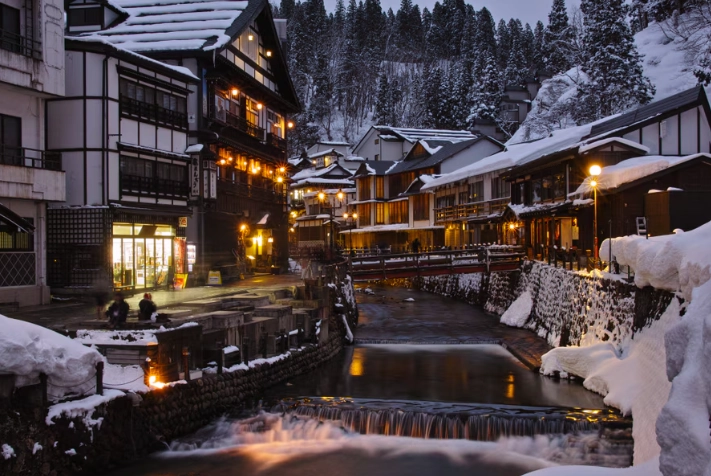
My personal favorite spot? The view from the Matsumae Park area, looking back towards the park with the mountains in the distance. You get the blossoms, the historic stone walls, and the snow-capped peaks of Zao—all in one frame. It’s the kind of view that makes you put your camera down and just stare.
A quick confession: I'm not usually a huge "flower chaser." But seeing Yamagata City draped in blossoms, with families having picnics and old men painting watercolors, changed my mind. It felt authentic, not performative.
Summer (June - August): Green, Lush, and... Humid
The mountains explode in every shade of green imaginable. It's hiking season on Mount Zao, and the famous Okama crater lake is usually accessible (weather permitting). The city itself holds vibrant festivals, like the Yamagata Hanagasa Festival in August, where thousands of dancers parade through the streets—a powerful, rhythmic spectacle.
But. And this is a big but. The humidity in the Tohoku basin is no joke. It can be thick and heavy. If you dislike muggy weather, this might be your least favorite time. The upside? It's perfect for seeking refuge in the cool, misty highlands of Zao or diving into the city's incredible cold noodle dishes.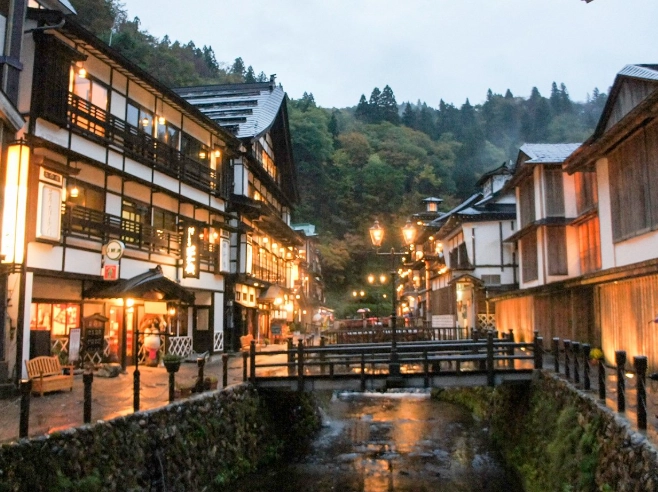
Autumn (October - November): A Fiery Canvas
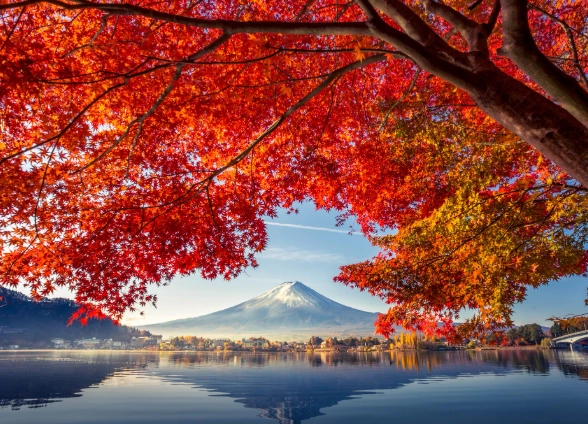
This is a strong contender for the best time to visit. The summer crowds have vanished, the air is crisp and clear, and the mountains perform their final, glorious act. The koyo (autumn leaves) around Yamagata City, especially in the Zao area and along the paths of Risshakuji Temple (Yamadera), are simply spectacular. Imagine ancient stone steps flanked by blazing maples and ginkgos. The tourism website for Yamagata Prefecture often posts foliage forecasts, which are super handy for planning.
Local Tip: For autumn colors, Yamadera is a must, but it's also busy. Go on a weekday morning right as it opens. You'll have the mystical atmosphere almost to yourself for a precious hour.
Winter (December - March): Snow Monsters and Hot Springs
Winter transforms the region. Yamagata City gets snow, but the real magic is a short drive away at the Zao Onsen Ski Resort. This is where you find the Juhyo, or "Snow Monsters"—trees so heavily encased in wind-blown snow and ice that they form surreal, monster-like shapes. It's a sight straight out of a fantasy film. Riding the ropeway through them is an unforgettable experience.
Down in the city, winter is about warmth. This is the season for hearty stews, steaming hot springs (onsen), and cozy izakayas. It can be cold, sure, but it's a dry, manageable cold, not the damp chill you get elsewhere.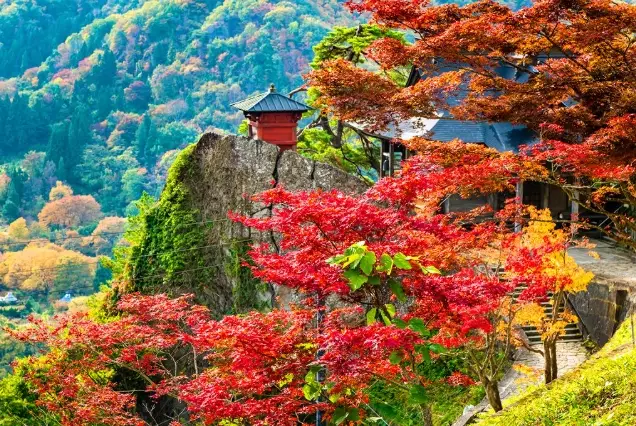
| Season | Best For | What to Watch Out For | My Personal Take |
|---|---|---|---|
| Spring | Cherry blossoms, mild weather, photography. | Can be busy during peak blossom week; weather can still be unpredictable. | The perfect intro to Yamagata City. Lively but not insane. |
| Summer | Hiking, green scenery, vibrant festivals. | High humidity and heat; occasional rain. | Great for active travelers, but pack light, breathable clothes. |
| Autumn | Fall foliage, comfortable temperatures, local harvest (fruit!). | Popular leaf-viewing spots can get crowded on weekends. | My top pick. The scenery is unbeatable, and the vibe is peaceful. |
| Winter | Snow sports, Snow Monsters, onsen relaxation. | Very cold; some mountain roads/attractions may be closed. | A unique, almost otherworldly experience. Pack serious thermal layers. |
See? No single "perfect" time. It depends on what you're after. Want postcard-perfect beauty? Spring or Autumn. Want adventure and weird natural phenomena? Winter. Prefer to avoid all crowds and don't mind some sweat? Summer has its charms.
The Absolute Must-Dos in Yamagata City (And a Few You Can Skip)
Let's cut to the chase. Your time is limited. You don't want to waste it on overhyped duds. Based on my time there and talking to locals, here's the real list.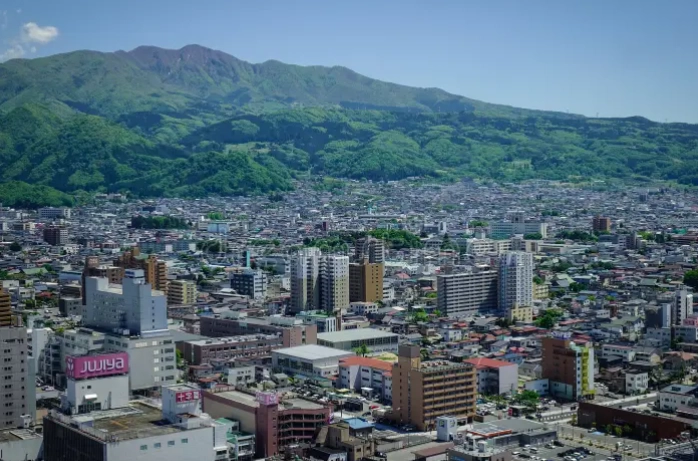
Top Tier: Don't Even Think About Missing These
1. Yamadera (Risshakuji Temple)
I'll be blunt: if you come to Yamagata City and don't visit Yamadera, you've missed the point. It's not even in the city center (it's a 20-minute train ride to Yamadera station), but it's the soul of the place. Founded in 860 AD, this temple is built straight into a cliffside. Getting to the top involves climbing about 1,000 stone steps through a forest of cedars. It's a physical effort, and your legs will feel it the next day.
But the view from the Okunoin (inner temple) at the top? It's spiritual, even if you're not religious. You look out over the valley, and the world just falls away. The sound of the wind and the temple bells, the scent of moss and old wood—it's an immersive experience. Go early. Take your time. Sit on one of the benches up top and just breathe. For accurate opening hours and access info, checking the official Risshakuji Temple website is always wise before you go.
2. Kajo Park & Yamagata City Museum
This is the city's green heart. The castle is gone (just the stone foundations and moats remain), but the park is a beautiful place for a stroll, a run, or a picnic. The Yamagata City Museum (Bunshokan) is housed in a stunning Meiji-era Western-style building that was once the prefectural office. It's a free museum that gives you a fantastic, digestible overview of the region's history and culture. It's the perfect primer for your trip.
3. Stroll the Kajou Street & Merchant District
Just north of Kajo Park is an area that retains the feel of old Yamagata. Traditional kura (warehouse) buildings with white-walled storehouses line the streets. Many have been converted into chic cafes, craft shops, and restaurants. It's quiet, photogenic, and feels miles away from the modern shopping streets. Pop into a miso or sake shop—the owners are often thrilled to have a visitor and might offer you a taste.
"The beauty of Yamagata City isn't in a single 'wow' monument. It's in the layers—the ancient temple in the mountains, the Meiji-era history in the park, the working-class vibe of the sake breweries. You have to peel it back slowly."
Solid Choices: Worth Your Time If It Interests You
Zao Onsen Day Trip: As mentioned, the Zao Onsen area is a world of its own. Even if you're not skiing, the ropeway ride, the eerie Snow Monsters (in winter), the stunning Okama crater, and the chance to soak in a true mountain onsen are huge draws. It's a full day, but it showcases the dramatic nature that defines the prefecture.
Sake Brewery Tour: Yamagata Prefecture is a top-tier sake producer, and several breweries are in or near Yamagata City. Some, like the historic Takagi Shuzo (makers of Jokigen), offer tours (often in Japanese, but sometimes with English materials). It's a fascinating look at a craft central to the local identity. Just remember to designate a driver or use public transport!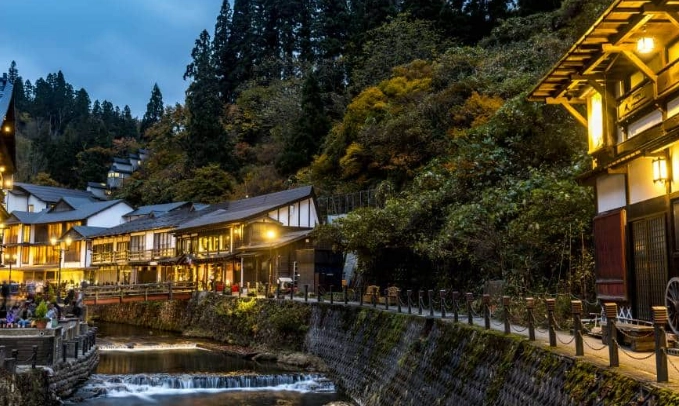
Maybe Skip Unless You're Deeply Into It
The Yamagata Prefectural Museum: It's a fine museum, but it's more of a standard, comprehensive regional museum. If you're short on time, the Yamagata City Museum (Bunshokan) is more charming and centrally located.
Only Shopping on the Nanoka-machi Dori: The main downtown shopping street is functional. You'll find department stores, chain restaurants, and arcades. It's useful for practical needs, but don't expect unique cultural immersion here. The charm is in the side streets.
My Yamagata City "Hidden Gem"
Head to Yamagata Shrine (Yamagata-jinja), a short walk from Kajo Park. It's much quieter than the main park, with a serene, forested atmosphere. The main hall is beautiful, and there's a small pond with koi fish. I stumbled upon a local wedding photo shoot there once—it felt like I was witnessing a secret, beautiful slice of local life.
Eating in Yamagata City: This is Why You'll Gain Weight (Happily)
Let's talk about the real MVP of any trip to Yamagata City: the food. Oh, the food. This isn't just sustenance; it's a core part of the experience. The prefecture is an agricultural powerhouse, and it shows on every plate.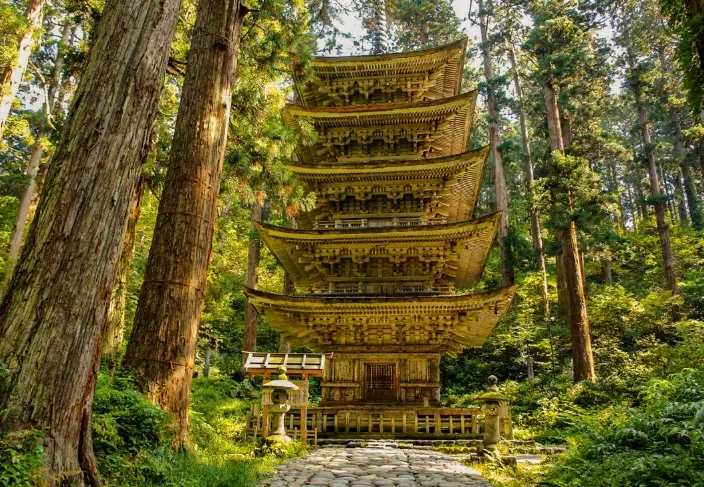
The Iconic Dishes You Must Try:
- Yonezawa Beef: Often ranked alongside Kobe and Matsusaka as one of Japan's top wagyu brands. It's marbled, tender, and melts in your mouth. You can find it in steakhouses or as sukiyaki/shabu-shabu. Is it expensive? Yes. Is it worth it for one splurge meal? Absolutely.
- Imoni: This is the soul food. A hearty, autumnal stew made with taro root (imo), meat (usually beef), and vegetables in a miso or soy-based broth. Locals gather by rivers for "imoni-kai" parties. Finding a restaurant that serves it year-round is a win.
- Cherries (Sato Nishiki): Yamagata is the king of cherries in Japan. If you visit in early summer (June), you can visit orchards for all-you-can-eat picking. Even out of season, cherry-related products (jam, wine, desserts) are everywhere.
- Cold Ramen (Hiyashi Chuka) & Soba: Perfect for the humid summers. Yamagata has its own style of chilled ramen with a unique, tangy sauce. The soba (buckwheat noodles) here are also excellent, often served with a hearty tempura or mountain vegetable topping.
The best places to eat? Forget fancy guides. Look for small izakayas in the streets behind the train station or around the Kajo Park area. Places with wooden fronts, noren curtains, and maybe a handwritten menu. Point at what other people are eating. You won't go wrong.
My most memorable meal was in a tiny, 8-seat izakaya run by an older couple. No English menu. I just said "osusume" (recommendation). They brought out the most incredible grilled ayu (sweetfish), local pickles, and a dish of simmered konnyaku. It cost very little, and the warmth was priceless. That's the Yamagata City food scene.
Getting There, Getting Around, and Where to Sleep
The practical stuff. This can make or break a trip.
How to Get to Yamagata City
It's easier than you think. The Shinkansen (bullet train) is your best friend. The Yamagata Shinkansen line runs directly from Tokyo Station to Yamagata Station in about 2.5 to 3 hours. It's a beautiful ride, especially as you get into the mountains. You can use your Japan Rail Pass. There's also an airport (Yamagata Airport) with domestic flights from major cities like Osaka and Sapporo.
Getting Around the City
Yamagata City itself is very walkable, especially the area around the station, Kajo Park, and the merchant district. The bus system is decent for reaching spots like the Yamagata City Museum. For Yamadera, the local JR Senzan Line from Yamagata Station is cheap, frequent, and part of the journey's charm. Taxis are also a viable option for small groups heading to specific restaurants or sights outside the core.
Where to Stay
You have options:
- Near Yamagata Station: Best for convenience, especially if you're doing day trips. You'll find business hotels (Toyoko Inn, Dormy Inn) which are clean, reliable, and often have good breakfasts and public baths.
- Near Kajo Park: Offers a quieter, more scenic atmosphere. Some nicer hotels and ryokan (traditional inns) are here.
- A Ryokan in Zao Onsen: For a splurge and a truly immersive experience, spend one night at a ryokan in Zao. You'll get kaiseki meals, incredible onsen baths, and the mountain air. The Yamagata Tourism Organization site has reliable listings.
Honest Answers to Your Burning Questions (FAQ)
Final Thoughts: Who is Yamagata City For?
Yamagata City isn't for the checklist traveler who wants to hit 15 sights in a day. It's not for someone who needs constant nightlife and neon. It's also not a "remote wilderness"—it's a comfortable, functioning city.
It IS for the traveler who wants to slow down. Who finds beauty in a quiet temple staircase, the steam rising from a riverside stew pot, or the way a mountain range frames a cityscape. It's for the foodie who wants to taste ingredients at their source. It's for the photographer chasing seasons. It's for anyone feeling a bit jaded by the well-trodden path and curious about the heart of Japan that beats a little slower, but just as strong.
My time in Yamagata City left me refreshed. It felt like a discovery, a place that was content to be itself without shouting for my attention. And in today's world of overtourism, that's a rare and precious thing. Give it a chance. Peel back its layers. You might just find your new favorite corner of Japan.
Planning your trip? The official Yamagata City website and the Yamagata Prefecture Tourism English site are fantastic, reliable resources for the latest info on events, access, and seasonal highlights. Use them to build your own perfect itinerary for exploring Yamagata City.


Comments