I've been traveling around Japan for over a decade, and let me tell you, Ibaraki is the prefecture most tourists skip. They rush from Tokyo to Kyoto, missing out on what's right next door. Ibaraki isn't just a place you pass through on the train—it's packed with stunning nature, deep history, and food you won't find anywhere else. If you're tired of crowded spots and want something authentic, this guide is for you. We'll dive into the top attractions, how to get around, where to eat, and where to stay, all based on my own trips and mistakes.
Jump to What Matters Most
Why Ibaraki is Japan's Best-Kept Secret
Most guides paint Ibaraki as just a day trip from Tokyo, but that's selling it short. I spent a week there last spring and barely scratched the surface. The prefecture has a mix of coastal views, mountains, and cultural sites that feel untouched. Plus, it's cheaper and less crowded than Tokyo or Osaka. According to the Ibaraki Prefecture tourism board, visitor numbers are rising slowly, but it's still under the radar. My take? Visit now before everyone catches on.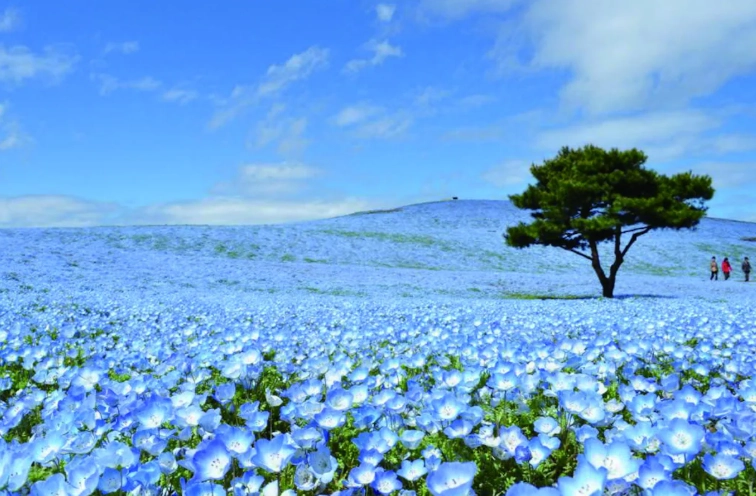
Here's a thing most blogs don't mention: Ibaraki's weather can be tricky. The Pacific coast gets windy, especially at Oarai, so pack a jacket even in summer. I learned that the hard way when I got chilled watching sunset there.
Top 5 Can't-Miss Attractions in Ibaraki
These spots are the heart of Ibaraki. I've ranked them based on accessibility, uniqueness, and my personal enjoyment. Don't just hit one—try to see at least three to get a feel for the place.
1. Mount Tsukuba and the Tsukuba Sanroku Railway
Mount Tsukuba is iconic, often called the "purple mountain" due to its hue at dusk. The Tsukuba Sanroku Railway is a cute cable car that takes you up, but here's a pro tip: hike one way if you're fit. The trail is well-marked and offers better views than the ride. At the top, you'll see all the way to Tokyo on clear days.
- Address: Tsukuba, Ibaraki 300-4355
- Hours: Cable car runs 9:00 AM to 5:00 PM daily (check for seasonal changes)
- Admission: Cable car round trip: ¥1,200 for adults; hiking is free
- Getting there: From Tokyo, take the Tsukuba Express to Tsukuba Station (about 45 minutes), then a bus to the mountain base. I found the bus schedule a bit sparse, so plan ahead.
2. Kashima Shrine and the Ancient Forest
Kashima Shrine is one of Japan's oldest Shinto shrines, dating back over 1,300 years. The surrounding forest feels mystical—I spent hours wandering the paths. The shrine is dedicated to a martial arts deity, so you might see practitioners training. It's peaceful, but avoid weekends if you hate crowds.
- Address: Kashima, Ibaraki 314-0031
- Hours: Shrine grounds open 24/7; main hall 8:30 AM to 4:30 PM
- Admission: Free for grounds; treasure museum ¥500
- Getting there: From Tokyo Station, take the JR Sobu Line to Kashima-Jingu Station (around 2 hours). It's a long ride, but worth it for history buffs.
3. Oarai Isosaki Shrine and Pacific Coast Views
This shrine sits on a rocky outcrop overlooking the Pacific Ocean. The torii gate in the water is stunning at sunrise. I went at dawn and had the place almost to myself. Nearby, Oarai Aquarium is fun for families, but the shrine is the highlight.
- Address: Oarai, Ibaraki 311-1301
- Hours: Shrine always accessible; best light at sunrise
- Admission: Free
- Getting there: From Mito Station, take the JR Joban Line to Oarai Station (20 minutes), then a short taxi or bus ride.
4. Hitachi Seaside Park: A Floral Wonderland
Hitachi Seaside Park is famous for its seasonal flowers, like nemophila in spring and kochia in autumn. The park is huge—rent a bike to explore. My favorite time is late April when the blue flowers bloom. It can get packed, so go early. The official website has bloom forecasts, which I always check.
- Address: Mawatari, Hitachinaka, Ibaraki 312-0012
- Hours: 9:30 AM to 5:00 PM (varies by season)
- Admission: ¥450 for adults; bike rental ¥400 per hour
- Getting there: From Tokyo, take the JR Joban Line to Katsuta Station (about 90 minutes), then a bus to the park. The bus is frequent, but lines form quickly.
5. Mito's Kairakuen Garden and Plum Blossoms
Kairakuen is one of Japan's three great gardens, best known for its plum blossoms in February and March. I visited in March and the scent was incredible. The garden is free, which is rare for a top attraction. Mito city itself has a relaxed vibe, perfect for a half-day stroll.
- Address: Mito, Ibaraki 310-0912
- Hours: Garden open 24/7; Kobuntei house 9:00 AM to 4:30 PM
- Admission: Free for garden; Kobuntei ¥200
- Getting there: From Tokyo Station, take the JR Joban Line to Mito Station (about 70 minutes), then a bus or 30-minute walk.
| Attraction | Best Time to Visit | Estimated Cost (Adult) | Time Needed |
|---|---|---|---|
| Mount Tsukuba | Spring or Autumn | ¥1,200 (cable car) | 3-4 hours |
| Kashima Shrine | Weekday mornings | Free (grounds) | 2 hours |
| Oarai Isosaki Shrine | Sunrise | Free | 1 hour |
| Hitachi Seaside Park | April or October | ¥450 + bike rental | Half day |
| Kairakuen Garden | Late February to March | Free | 1-2 hours |
How to Navigate Ibaraki Without Stress
Public transport in Ibaraki isn't as dense as Tokyo, but it's manageable. I recommend renting a car if you're visiting multiple spots in a day—it gives flexibility. I used Toyota Rent a Car in Mito, and it cost about ¥6,000 for a day. Trains and buses work, but schedules can be infrequent, especially in rural areas. For example, getting from Kashima Shrine to Hitachi Seaside Park by train involves transfers and takes over 2 hours; driving cuts it to 1 hour.
If you're relying on trains, get a JR East Pass or use a Suica card. Buses are cheaper but slower. I once missed a bus in Tsukuba and had to wait an hour—lesson learned: always check timetables on the Ibaraki Kotsu website before heading out.
Ibaraki's Food Scene: What to Eat and Where
Ibaraki's cuisine is hearty and local. Natto (fermented soybeans) is the star here—love it or hate it, you have to try it. I'm not a huge fan, but the version at local izakayas is milder. Other must-tries include ankimo (monkfish liver) and fresh seafood from the coast.
Here are three spots I keep going back to:
- Natto Kitchen in Mito: A small shop dedicated to natto dishes. Address: 1-2-3 Miyamachi, Mito. Open 11:00 AM to 7:00 PM. Their natto set meal is around ¥1,200. It's rustic, but the owner explains each variety.
- Sakanaya Maru in Oarai: A seafood restaurant right by the port. Address: Oarai Port, Oarai. Open 10:00 AM to 8:00 PM. Try the sashimi platter (¥2,500)—it's fresh and generous. I ate here after visiting the shrine, and the view of fishing boats added to the experience.
- Tsukuba Sake Brewery in Tsukuba: Not a restaurant, but a sake tasting spot. Address: Tsukuba, near the mountain. Open 10:00 AM to 4:00 PM. Free tastings, and you can buy bottles from ¥1,500. Their junmai sake is smooth, perfect for souvenirs.
For budget eats, look for local markets like Mito's Sunday market, where street food stalls sell grilled fish and veggies for under ¥500. I grabbed lunch there and spent only ¥800 for a full meal.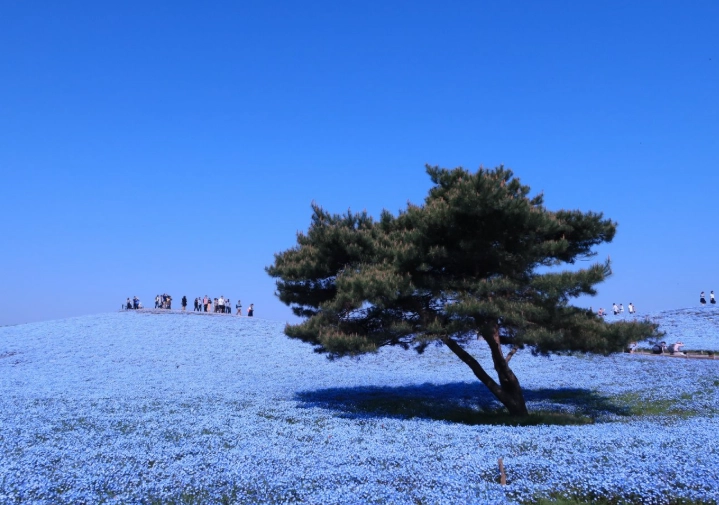
Where to Stay in Ibaraki for Every Budget
Accommodation in Ibaraki ranges from business hotels to ryokans. I've stayed in a few, and here's my honest take:
- Budget: Toyoko Inn Mito Station East – Address: 1-1-1 Miyamachi, Mito. Rates from ¥5,000 per night. It's basic but clean, with free breakfast. Good for solo travelers. The downside: rooms are small, and it feels generic.
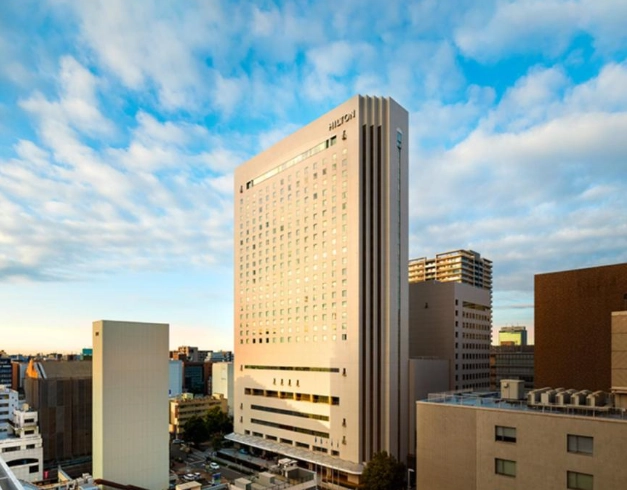
- Mid-range: Hotel Sunroute Mito – Address: 2-5-1 Miyamachi, Mito. Rates from ¥8,000 per night. More spacious, with a restaurant on-site. I liked the location—walkable to Kairakuen Garden. The staff speaks some English, which helped when I needed directions.
- Luxury: Ryokan Kashima no Yu – Address: Near Kashima Shrine, Kashima. Rates from ¥15,000 per night including meals. This is a traditional ryokan with hot springs. I splurged here once, and the kaiseki dinner was unforgettable. Book early, as it fills up fast.
If you're driving, consider staying in Hitachinaka near Hitachi Seaside Park—there are several business hotels like APA Hotel Hitachinaka for around ¥7,000 per night. They're convenient but lack charm.
Practical Tips for a Smooth Ibaraki Trip
Based on my trips, here are things most guides don't cover:
- Best time to visit: Spring (March to May) for flowers and mild weather, or autumn (October to November) for foliage. Summer can be humid, and winter is chilly with fewer crowds.
- Money: Carry cash. Many small shops and rural attractions don't accept credit cards. I got stuck at a local bus once because I only had a card.
- Language: English isn't widely spoken outside major stations. Learn a few Japanese phrases or use a translation app. I used Google Translate offline, and it saved me at a bus stop in the countryside.
- Connectivity: Rent a pocket Wi-Fi or get a SIM card. Coverage is decent, but in remote areas like Kashima, signals can drop. I rented from Ninja WiFi, and it worked most of the time.
One more tip: Ibaraki's tourism office at Mito Station offers free maps and brochures. Grab one—they have coupons for attractions sometimes.
FAQs: Your Ibaraki Travel Questions Answered

Ibaraki might not be on every traveler's list, but that's what makes it special. From the purple hues of Mount Tsukuba to the serene shrines by the sea, it offers a slice of Japan that feels genuine. Use this guide to plan your trip, and don't be afraid to wander off the beaten path—that's where the best memories are made. Safe travels!


Comments