Let's be real. When you search for "places to see in Japan," you're bombarded with the same list: Tokyo's Shibuya Crossing, Kyoto's Fushimi Inari, Osaka Castle. They're famous for a reason, sure. But after half a dozen trips there, I've learned that the magic often happens in the spaces between those iconic postcards. This guide is about both – the undeniable classics you have to experience once, and the quieter, equally stunning spots that will make your trip uniquely yours.
Your Journey Roadmap
The Classic Foundations: Tokyo, Kyoto, Osaka
You can't ignore these. They form the golden triangle for a reason, offering a concentrated dose of Japan's contrasts. But here's how to see them without just ticking boxes.
Tokyo: The Controlled Chaos
Forget trying to "do" Tokyo. It's a feeling, not a checklist. Yes, go to Shibuya Crossing and feel the pulse. But then, walk five minutes to the backstreets of Nonbei Yokocho (Drunkard's Alley) for a tiny bar and chat with a local. The Imperial Palace East Gardens are free and offer a serene escape most miss.
My non-negotiable? A morning at the Tsukiji Outer Market. The inner wholesale market moved, but the outer market's energy and food are still there. Get there by 8 AM, skip the first few crowded stalls, and find a small place serving uni (sea urchin) donburi. You'll thank me.
Kyoto: Temples, Crowds, and Secret Spots
Kyoto's beauty is its curse – everyone wants to see it. Fushimi Inari's thousand torii gates are breathtaking. Go at 7 AM or after 5 PM to avoid the tour group crush. The path goes all the way up the mountain; most people turn back after the first dense section, so keep going for quiet and better views.
Instead of fighting the crowds at Arashiyama's bamboo grove, consider Kurama-dera temple in the northern mountains. You take a quaint train, hike through forested paths past smaller temples, and can finish at an onsen town (Kibune). It feels worlds away.
Osaka: The Kitchen of Japan
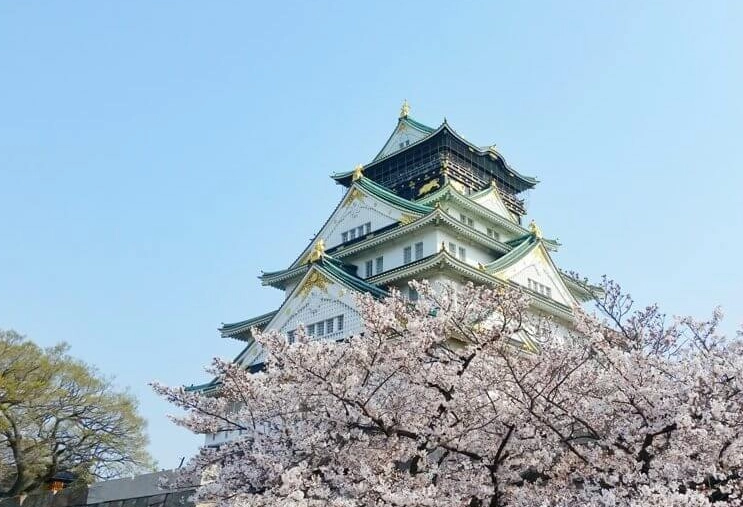
Osaka is for eating. Osaka Castle is fine (it's a concrete reconstruction inside), but Dotonbori at night is the real spectacle. The neon, the giant crab sign, the takoyaki stalls – it's sensory overload in the best way. For a less frantic food experience, hit Kuromon Ichiba Market for fresh sashimi and grilled scallops.
| Classic Spot | Best For | Pro-Tip / Alternative | Access (From Tokyo) |
|---|---|---|---|
| Shibuya Crossing, Tokyo | Urban energy, people-watching | View from the 2nd-floor Starbucks (crowded) or the Mag's Park rooftop. | JR Yamanote Line, direct. |
| Fushimi Inari, Kyoto | Iconic photos, spiritual hike | Start early or late. The full hike takes 2-3 hours round trip. | ~2.5 hrs via Shinkansen to Kyoto Stn, then JR Nara Line. |
| Dotonbori, Osaka | Street food, nightlife, neon lights | Try "kushikatsu" (deep-fried skewers) at a standing bar. | ~2.5 hrs via Shinkansen to Shin-Osaka Stn, then metro. |
Beyond the Beaten Path: Places Most Itineraries Miss
This is where your trip becomes memorable. These places offer depth and a sense of discovery.
Kanazawa: The Samurai's Kyoto
I mentioned it earlier, and I'll champion it again. Kanazawa survived WWII bombings, so its historic districts are authentic, not rebuilt. The Nagamachi Samurai District with its earthen walls and the Higashi Chaya geisha district are walkable and photogenic. Kenrokuen Garden is stunning in every season – snowy in winter, lush in summer. And the seafood? Some of the best and cheapest I've had in Japan, straight from the Sea of Japan at Omicho Market.
Nikko: Grandeur in the Mountains
A easy day or overnight trip from Tokyo. Nikko is where the shogun Tokugawa Ieyasu is enshrined, and they didn't hold back. The Toshogu Shrine is a riot of gold leaf, intricate carvings (including the famous three wise monkeys), and opulence that contrasts with typical Japanese minimalist aesthetics. It's a UNESCO site for a reason. Take the 2-hour Tobu Railway ride from Asakusa, get a world heritage bus pass, and spend a day feeling the weight of history.
Hiroshima & Miyajima: A Powerful Contrast
This is a heavy but essential day. The Peace Memorial Park and Museum in Hiroshima is a somber, profoundly moving experience that stays with you. Then, a short ferry ride takes you to the island of Miyajima, famous for the "floating" Itsukushima Shrine torii gate. At high tide, it's magical. At low tide, you can walk right up to it. Feed the friendly deer (they're less aggressive than in Nara), and try the local momiji manju (maple leaf-shaped cakes). The emotional journey from tragedy to serene beauty in one day is uniquely powerful.
How to Piece It All Together: A Sample 12-Day Itinerary
Let's get practical. Here's a balanced 12-day plan mixing classics and gems. It assumes you're flying into Tokyo (Narita or Haneda).
Days 1-4: Tokyo
Day 1: Arrive, settle in Shinjuku/Shibuya. Evening at Omoide Yokocho.
Day 2: Tsukiji Outer Market, teamLab Planets/Borderless (check current location), Odaiba area.
Day 3: Asakusa (Senso-ji), Ueno Park, Akihabara in the evening.
Day 4: Day trip choice: Nikko (for history/nature) or Kamakura (for beaches/Buddha).
Days 5-7: Kyoto (Take morning Shinkansen)
Day 5: Arrive, drop bags. Fushimi Inari in late afternoon. Gion district at night.
Day 6: Arashiyama bamboo grove (early!), Kinkaku-ji (Golden Pavilion), Philosopher's Path.
Day 7: Day trip to Nara. Feed the deer, see Todai-ji's giant Buddha. Back to Kyoto.
Days 8-9: Osaka (Short train from Kyoto)
Day 8: Osaka Castle in AM, Kuromon Market for lunch, Shinsekai district, Dotonbori at night.
Day 9: Day trip to Hiroshima & Miyajima. Long day, but worth it. Use the Shinkansen.
Days 10-11: Kanazawa (Take Thunderbird train from Osaka)
Day 10: Arrive. Omicho Market lunch, Kenrokuen Garden, Nagamachi Samurai District.
Day 11: Higashi Chaya District, gold leaf workshop. Relaxed pace.
Day 12: Return to Tokyo & Depart (Take Hokuriku Shinkansen from Kanazawa).
Travel Smart: Tips You Won't Find in a Brochure
These nuggets come from getting things wrong a few times.
- Pocket WiFi over SIM Card: For groups or if you need multiple devices connected, renting a pocket WiFi at the airport is a lifesaver. Book online in advance.
- Google Maps is King: It has all train schedules (including platform numbers), bus times, and walking directions. It's accurate to the minute.
- Convenience Stores (Konbini) are Your Friend: 7-Eleven, FamilyMart, Lawson. They have great cheap meals, clean bathrooms, ATMs that accept foreign cards, and you can print tickets.
- Tax-Free Shopping: Spend over 5,000 yen (before tax) at most major stores and show your passport. They'll seal the bag – don't open it until you leave Japan.
- Garbage Bins are Rare: Carry a small plastic bag for your trash. You're expected to take it back to your hotel or find a bin at a convenience store.
Your Japan Travel Questions, Answered
What is the single best time of year to see the most beautiful places in Japan?
There's no single 'best' time; it depends on your priority. For cherry blossoms, late March to early April is magical, but it's also the most crowded and expensive. For comfortable weather and autumn colors, November is hard to beat. If you want to avoid crowds and save money, consider late January to February, but be prepared for colder weather, especially in the north.
How many days do I realistically need to see the main places in Japan?
A common mistake is trying to cram too much into a short trip. For a first visit focusing on the classic Tokyo-Kyoto-Osaka route, I'd say 10 to 14 days is the realistic sweet spot. This allows for 4-5 days in Tokyo, 3-4 in Kyoto, 2 in Osaka, with day trips and travel time. For just Tokyo and Kyoto, a solid 7-9 days works. Less than a week, and you'll spend most of your time on trains.
Is the Japan Rail Pass still worth it for getting to all these places?
After the significant price hike in 2023, you need to do the math. For a classic 7-day pass, you now need to take at least one long round-trip (like Tokyo-Kyoto) plus another major leg to break even. Use a fare calculator online before buying. For itineraries focused on one region (e.g., only Kansai), regional passes or paying for individual tickets is often cheaper and more flexible.
What's one place to see in Japan that most tourists miss but is absolutely worth it?
Kanazawa. It's often called 'Little Kyoto' but without the overwhelming crowds. You get a pristine Edo-era samurai district, one of Japan's top three landscape gardens (Kenrokuen), fantastic fresh seafood at the Omicho Market, and unique gold leaf crafts. It's easily accessible from Tokyo or Kyoto via the Hokuriku Shinkansen and offers a more relaxed, authentic historical experience.
The best places to see in Japan are a blend of the postcard-perfect and the personally discovered. Start with the classics to understand the hype, then venture out to find your own quiet moment – a hidden temple garden, a conversation with a shopkeeper, a perfect bowl of ramen in a back alley. That's the Japan you'll remember.


Comments