You're planning a trip to Hakone, Japan, and you've heard about the amazing souvenirs. But with so many options, how do you pick the right ones? I've been visiting Hakone for over a decade, and I've seen tourists walk away with overpriced trinkets or miss out on authentic gems. Let's cut through the noise and get to the good stuff—the souvenirs that actually mean something and where to find them without breaking the bank.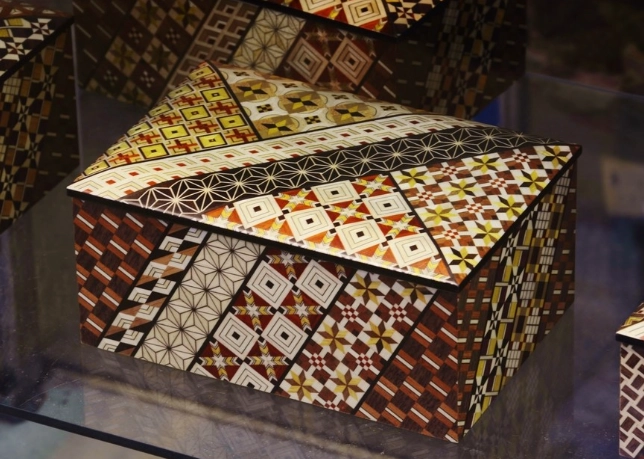
What's Inside This Guide
Top Hakone Souvenirs You Shouldn't Miss
Hakone isn't just about hot springs and views of Mount Fuji. The local crafts and foods have a history that goes back centuries. Here are the items I always recommend, based on quality and uniqueness.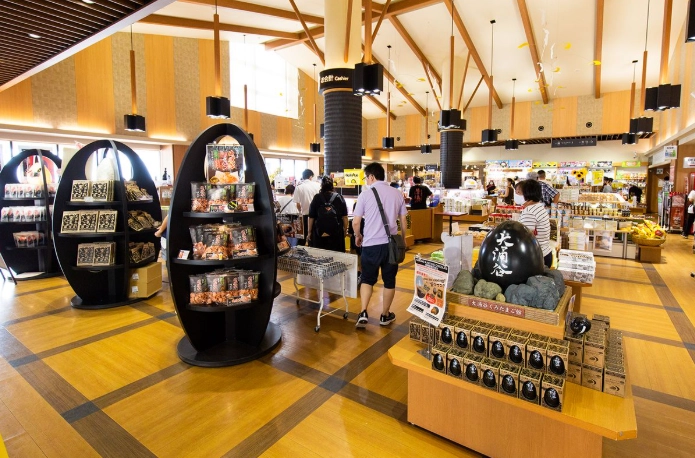
Hakone Yosegi Zaiku (Marquetry)
This is Hakone's signature craft. Yosegi Zaiku involves piecing together different colored woods to create intricate patterns. You'll see it on boxes, trays, and puzzles. A small puzzle box might cost around ¥2,000 to ¥5,000, while larger pieces can go up to ¥20,000. But here's a tip: avoid the mass-produced ones sold at generic tourist shops. Look for shops that display the craftsman's name. The Hakone Yosegi Zaiku Cooperative sets standards for authenticity, so check for their seal.
Hakone Check (Textiles)
Hakone Check refers to traditional woven textiles with a distinctive checked pattern. Originally used for clothing, now you find it on bags, coasters, and table runners. Prices range from ¥1,500 for small items to ¥10,000 for larger pieces. I bought a check-patterned tote bag five years ago, and it's still holding up—unlike some flimsy souvenirs I've gotten elsewhere.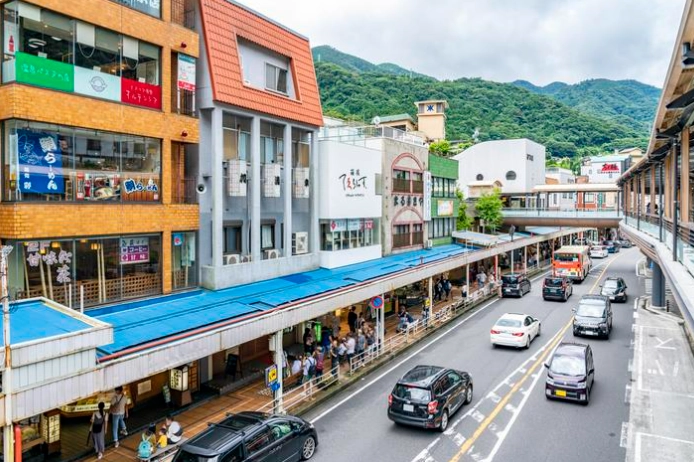
Local Food and Drinks
Food souvenirs are a hit because they're easy to share. Hakone is known for black eggs (kuro-tamago) boiled in sulfurous hot springs—they're said to add seven years to your life. A pack of five costs about ¥500. Then there's Hakone beer from local breweries, around ¥600 per bottle, and yuzu citrus products like jams and teas. Don't forget owarai senbei, a crispy rice cracker with a sweet glaze, typically ¥800 per box. These are perfect for gifts that won't clutter someone's home.
Personal take: I once bought a beautifully carved Yosegi box, only to find a "Made in China" sticker hidden underneath. Now, I always ask about the origin. Many shops in Hakone are transparent, but it pays to be cautious.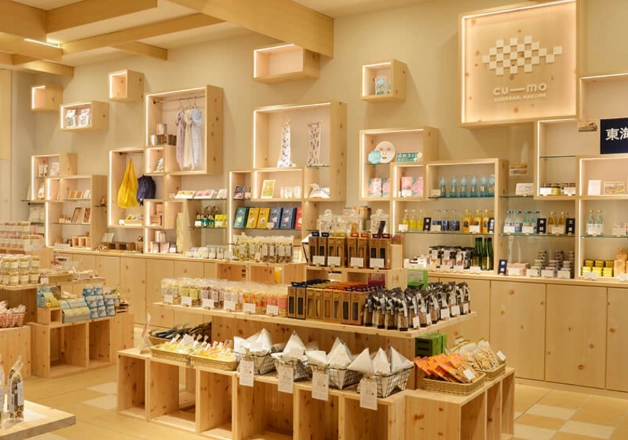
Where to Buy Authentic Hakone Souvenirs
Location matters. Buying souvenirs at a random roadside stall might get you a cheap knockoff. Here's a breakdown of the best spots, based on my repeated visits.
| Shop Name | Location | Specialty | Price Range | Hours |
|---|---|---|---|---|
| Hakone Craft Museum Shop | 123 Hakone-machi, Ashigarashimo District | Yosegi Zaiku, pottery | ¥1,000 - ¥15,000 | 9:00-17:00 (closed Tue) |
| Gora Kadan Souvenir Corner | Near Gora Station, Hakone | Hakone Check, local foods | ¥500 - ¥8,000 | 10:00-18:00 daily |
| Lake Ashi Waterfront Shops | Along Lake Ashi, Moto-Hakone | Black eggs, snacks, crafts | ¥300 - ¥5,000 | 8:30-17:30 (seasonal) |
| Hakone Open-Air Museum Gift Shop | 1121 Ninotaira, Hakone | Art-inspired items, textiles | ¥1,500 - ¥20,000 | 9:00-17:00 |
The Hakone Craft Museum Shop is my go-to for Yosegi. It's run by local artisans, and you can sometimes see demonstrations. For food, the stalls near Lake Ashi are convenient, but prices can be higher. I prefer the smaller shops in Hakone Town for better deals.
If you're short on time, focus on Hakone-machi area. It's walkable and has a concentration of authentic stores. The Hakone Tourist Association often lists recommended shops on their website, which I check before each trip for updates.
Insider Tips for Souvenir Shopping in Hakone
How do you shop like a local? It's not just about what you buy, but how and when.
First, timing. Avoid weekends and holidays if you can. Shops get crowded, and prices might be inflated. Early mornings on weekdays are best. I once went on a Tuesday in November, and the shopkeepers had time to chat and show me hidden items.
Second, budgeting. Set a limit. It's easy to get carried away with all the beautiful crafts. I allocate about ¥10,000 for souvenirs per trip. For food items, they're lighter and cheaper, so I stock up on those for colleagues.
Third, transportation. If you're buying fragile items like Yosegi boxes, ask the shop to pack them securely. Many shops offer shipping services, but it can cost extra. I usually carry a small backpack for souvenirs and avoid bulky items unless I'm driving.
Lastly, negotiation. In Japan, haggling isn't common, but at smaller craft stalls, you might get a small discount if you buy multiple items. I've had success by politely asking, "Is there any discount for two pieces?" It doesn't always work, but it's worth a try.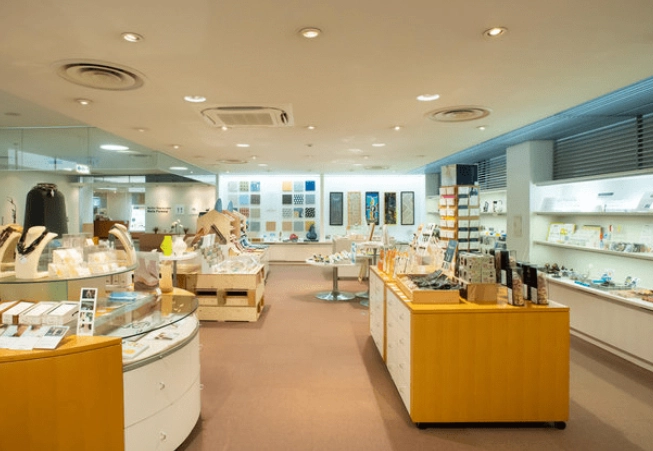
Common Mistakes When Buying Hakone Souvenirs (and How to Avoid Them)
I've seen tourists make these errors repeatedly. Learn from them.
Mistake 1: Buying everything at the first shop. Prices and quality vary. Walk around a bit. For example, black eggs are sold at multiple spots around Owakudani, but the ones at the official stalls near the volcanic area are fresher and cost the same.
Mistake 2: Ignoring size and weight. That large Yosegi vase might look stunning, but it'll be a pain to carry on the train. Opt for smaller, flat items like coasters or puzzle boxes. I regret buying a heavy ceramic piece once—it survived the trip, but my back didn't.
Mistake 3: Assuming all souvenirs are locally made. As I mentioned earlier, some items are imported. Check labels or ask the seller. Authentic Hakone crafts often have a certification mark from local associations.
Mistake 4: Overlooking food souvenirs. People focus on crafts, but Hakone's food items are unique and have a longer shelf life. Yuzu jam, for instance, lasts months and makes a great gift. I've given it to friends who still rave about it.
FAQ About Hakone Souvenirs
Wrapping up, Hakone souvenirs are more than just mementos—they're pieces of culture. Whether it's a handcrafted Yosegi box or a jar of yuzu jam, choosing wisely enhances your trip and supports local artisans. Next time you're in Hakone, skip the generic shops and dive into the authentic experiences. Happy shopping!

Comments