Explore This Guide
- Why Hiroshima Deserves a Spot on Your Japan Itinerary
- Getting Your Head Around the History (Before You Go)
- Crafting Your Perfect Hiroshima Travel Itinerary
- Getting There and Getting Around: No Car Needed
- The Food: This is a Culinary Destination
- Where to Stay: Neighborhood Breakdown
- Day Trip Deep Dive: Miyajima
- Hiroshima Travel: Your Questions Answered
- Final Thoughts Before You Go
Let's be honest. When most people think about Hiroshima travel, one image comes to mind first. It's a heavy one. And it should be. But here's the thing I learned after spending time there – a Hiroshima travel plan that stops at that single chapter is missing the whole, incredible story.
This city isn't a museum frozen in 1945. It's a vibrant, green, delicious place that has thoughtfully built its present around a profound respect for the past. Your visit will be moving, sure. But it can also be filled with mind-blowing food, stunning island day trips, and the kind of warmth from locals that sticks with you.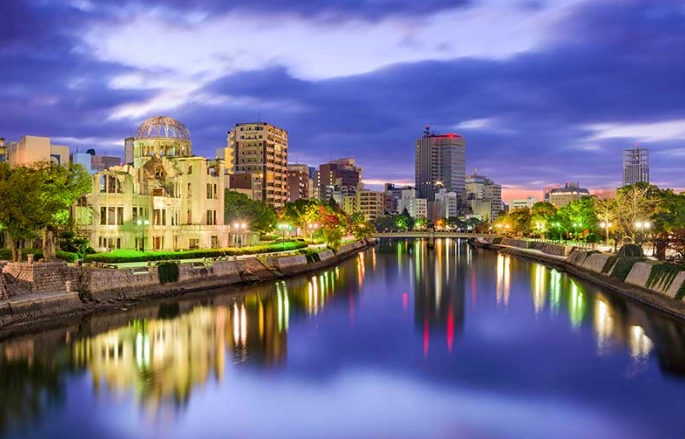
This guide isn't just a list of sights. It's the blueprint I wish I'd had. We'll talk about how to approach the historical sites with the right mindset, where to find the best okonomiyaki (trust me, this is crucial), and how to escape to one of Japan's most famous views on Miyajima. Whether you're a solo traveler, a history buff, or a foodie, planning a trip to Hiroshima has something for you.
Bottom Line Up Front: You need at least two full days for a meaningful Hiroshima travel experience. One for the city's core historical sites and food, and one for a day trip to Miyajima. Anything less feels rushed.
Why Hiroshima Deserves a Spot on Your Japan Itinerary
You might be wondering, with so many amazing places in Japan, why prioritize Hiroshima? It's a fair question. Kyoto has the temples, Tokyo has the neon buzz, Osaka has the street food energy.
Hiroshima offers something different: perspective. It’s a city that forces you to slow down and reflect, not just rush from photo op to photo op. The pace is calmer than the megacities. The streets are wide and lined with trees. The vibe is welcoming. For many travelers, their Hiroshima travel experience becomes the most emotionally resonant and thought-provoking part of their entire Japan trip. It balances the weight of history with the sheer joy of discovering a living, breathing city that chose peace and renewal.
And then there's the food. Oh, the food. If you think you've had okonomiyaki in Osaka, you're in for a delicious surprise. The Hiroshima style is a layered masterpiece. It's reason enough to visit.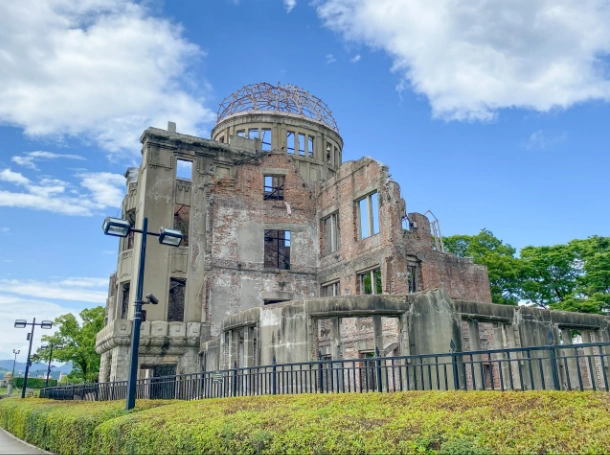
Getting Your Head Around the History (Before You Go)
I'm not a historian. But walking into the Peace Memorial Park without some context felt... shallow. A little preparation makes the experience a hundred times more powerful. This isn't about memorizing dates. It's about understanding the spirit of the place you're walking into.
Hiroshima was a major military hub during World War II. On August 6, 1945, at 8:15 AM, the first atomic bomb used in warfare detonated almost directly above the Hiroshima Prefectural Industrial Promotion Hall – that skeletal building you see in every photo, now known as the A-Bomb Dome.
The immediate devastation was unimaginable. But the story Hiroshima tells today isn't solely one of victimhood. It's a relentless, global campaign for the abolition of nuclear weapons and a testament to human resilience. The city rebuilt itself from ashes into a beautiful, modern metropolis dedicated to peace. Knowing this transformation is key. You're not visiting a ruin; you're visiting a phoenix.
A personal admission: I almost skipped the Peace Memorial Museum. I thought it would be too overwhelming. I was wrong. It was difficult, yes. There are exhibits that will clutch at your throat. But it's not designed to shock; it's designed to educate. Leaving it, I felt a clarified sense of why this city's message is so important. Don't skip it. Just be ready to sit with your feelings afterwards.
The Heart of It All: The Peace Memorial Park
This sprawling, green park is the epicenter of any Hiroshima travel plan. It's where history, memory, and the city's daily life intersect. It's free to enter and open 24/7, though the monuments are best seen in daylight.
Don't just walk through it. Linger.
The A-Bomb Dome (Genbaku Dome): This UNESCO World Heritage Site is the park's most iconic symbol. It was one of the few structures near the hypocenter to partially remain standing. The city debated for years whether to preserve it. They decided to keep it as a stark, permanent reminder. Seeing it in person, with the modern city bustling around it, is a surreal and powerful moment no photo can replicate.
The Cenotaph for the A-Bomb Victims: This arched tomb holds the names of all known victims. The inscription reads, "Let all the souls here rest in peace, for we shall not repeat the evil." Note the view: from the cenotaph, you can see straight through the flame of peace to the A-Bomb Dome. The flame has burned continuously since 1964 and will only be extinguished when the last nuclear weapon on earth is destroyed.
The Children's Peace Monument: Inspired by Sadako Sasaki, a girl who developed leukemia from the bomb's radiation and famously folded paper cranes in hope of a cure. Today, millions of colorful paper cranes from around the world are sent here and displayed in glass cases. It's a breathtakingly beautiful and sad monument. You'll often see school groups here, which adds another layer of poignancy.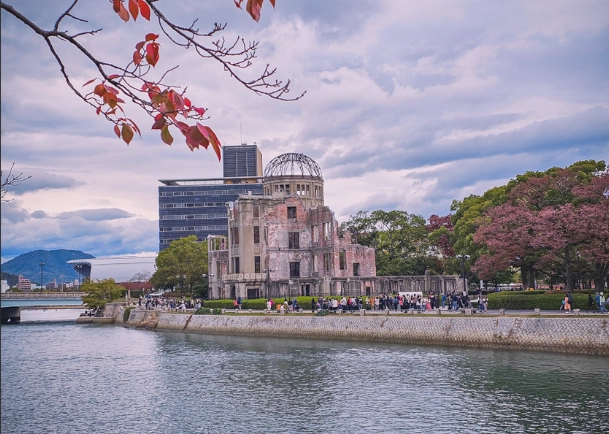
Traveler's Tip: Go early. I mean, really early. By 9:30 AM, tour groups start to arrive. Being in the park at 7:30 or 8:00 AM, when it's quiet and the light is soft, allows for a much more personal and reflective experience. You can have the view of the Dome from the Cenotaph almost to yourself.
The Peace Memorial Museum: A Necessary, Difficult Visit
The museum is the park's narrative core. It's divided into two main sections: the East Building, which provides historical context about Hiroshima before the bomb and the development of nuclear weapons, and the West Building, which focuses on the damage and aftermath of the bombing.
It's the West Building that stays with you. The personal artifacts – a melted lunchbox, a charred school uniform, a watch stopped at 8:15 – make the statistics painfully human. The museum doesn't pull punches, but its goal is clear: factual education to promote peace.
Plan for at least 90 minutes here. Maybe two hours.
Practical Info: Admission is a very modest 200 yen. It's open from 8:30 AM to 6:00 PM (until 7:00 PM in August, 5:00 PM from Dec to Feb). Check the official Hiroshima Peace Memorial Museum website for the latest hours and any temporary closures. They have excellent multilingual audio guides for rent.
Crafting Your Perfect Hiroshima Travel Itinerary
So, how do you actually put this all together? Let's break it down by how many days you have. This is the practical, how-to part that makes or breaks a trip.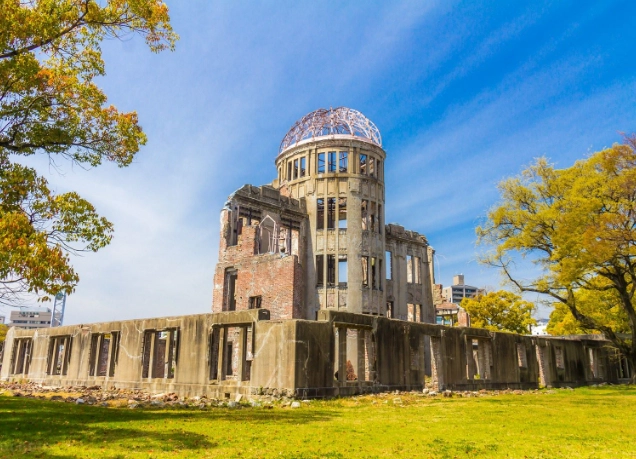
If You Have One Day (The Blitz Tour)
It's tight, but possible if you're focused. This assumes you arrive on an early shinkansen.
- Morning (8:30 AM - 12:00 PM): Head straight to the Peace Memorial Park. Visit the Museum first thing when it opens to beat the biggest crowds. Then walk the park grounds, seeing the Cenotaph, Children's Monument, and Dome.
- Lunch (12:00 PM - 1:30 PM): Okonomiyaki is mandatory. Head to Okonomimura ("Okonomiyaki Village") – a multi-story building packed with small stalls – for the quintessential experience.
- Afternoon (1:30 PM - 5:00 PM): Take the tram or a short taxi to Hiroshima Castle. It's a faithful reconstruction, but the museum inside is interesting, and the views from the top are nice. Alternatively, visit the beautiful Shukkeien Garden for a peaceful stroll.
- Evening: Dinner in the downtown area (Hondori Street is great for browsing) before catching your train out.
Honestly? This feels rushed. You miss the evening vibe and a deeper dive into the food scene.
If You Have Two Days (The Recommended Minimum)
This is the sweet spot for a fulfilling Hiroshima travel plan.
Day 1: History & The City Heart
Follow the one-day morning plan for the Peace Park and Museum. Have a leisurely okonomiyaki lunch. Spend your afternoon at Hiroshima Castle and/or Shukkeien Garden. For dinner, explore the Nagarekawa area or try a different okonomiyaki shop – maybe a more local, hole-in-the-wall spot. The night view of the A-Bomb Dome, softly lit up, is worth seeing.
Day 2: Miyajima Island Day Trip
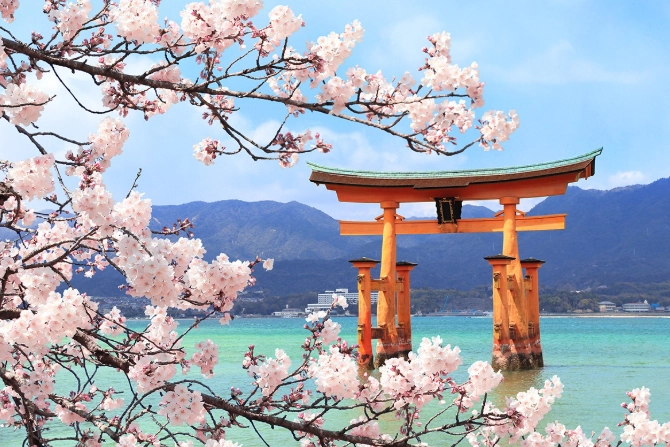
This is the perfect counterpoint to Day 1. Take the train (JR Sanyo Line) or tram to Miyajimaguchi station, then the 10-minute ferry to the island. Your goal: the iconic floating torii gate of Itsukushima Shrine. Spend the day hiking part of Mount Misen, feeding the friendly deer (they're less aggressive than in Nara, in my experience), and sampling momiji manju (maple-leaf-shaped cakes). Try to time your visit to see the torii gate at both high and low tide – they're completely different experiences. Return to Hiroshima for a final dinner.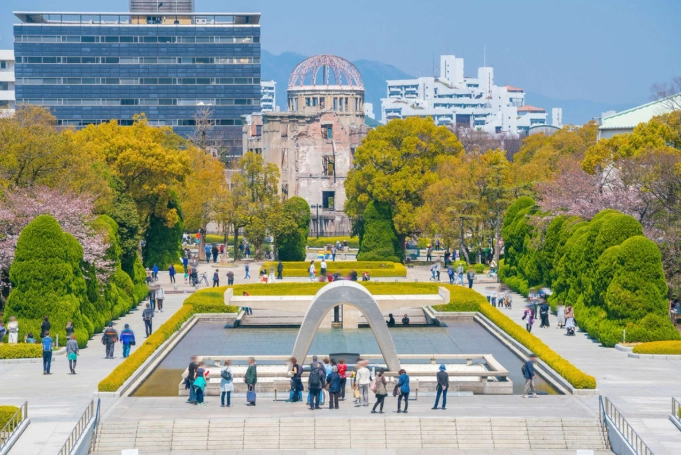
If You Have Three Days or More (The Deep Dive)
Now you can relax and explore further. After covering the core two-day plan, consider these options:
- Mazda Museum Tour: Hiroshima is the global headquarters of Mazda. Their free factory tour (booked well in advance) is a fascinating look at high-tech manufacturing. It's a brilliant example of the city's modern industrial identity.
- Day Trip to Iwakuni: A short shinkansen ride away to see the stunning Kintai-kyo, a unique wooden arch bridge, and the samurai-era Iwakuni Castle perched above.
- Onomichi: A charming, hilly port city famous for its temple walk, cat alleyways, and as the start of the Shimanami Kaido cycling route. Perfect for a different pace.
- Simply Wander: Spend a morning in a local coffee shop, explore the less-touristy backstreets, or visit the Hiroshima Okonomiyaki Museum (yes, it exists!) to truly geek out on the city's signature dish.
Getting There and Getting Around: No Car Needed
Hiroshima is incredibly easy to navigate. The city center is compact, and public transport is efficient.
Arriving in Hiroshima
The main gateway is Hiroshima Station, served by the Tokaido-Sanyo Shinkansen line. From Tokyo, it's about a 4-hour ride on the Nozomi bullet train. From Kyoto or Osaka, it's roughly 1.5 to 2 hours. If you have a Japan Rail Pass (which covers Hikari and Sakura shinkansen, but not the fastest Nozomi), it's an excellent value for this trip.
Hiroshima Airport has domestic flights and some international connections (mainly from other parts of Asia). A limousine bus connects the airport to the city center in about 45 minutes.
Getting Around Hiroshima City
Trams (Streetcars): The iconic Hiroshima transportation. The system is extensive and covers all major tourist spots. A single ride is a flat 180 yen (pay as you exit). For a day of heavy tram use, an unlimited one-day pass (600 yen) is a great deal. You can buy it from the driver.
Buses: Useful for reaching some further-flung spots, but the tram is usually more convenient for tourists.
Bicycles: The city is flat and has good cycling paths. Many hotels offer rentals. It's a fantastic way to explore at your own pace.
Walking: Between the Peace Park, Hondori shopping arcade, and the castle area, much of the core is very walkable.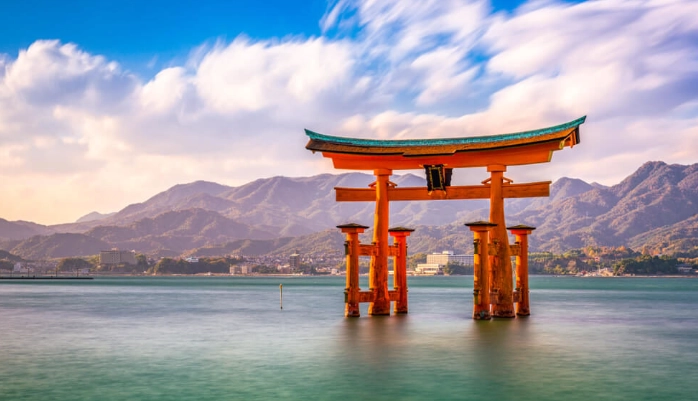
| Transport Mode | Best For | Cost Tip |
|---|---|---|
| Hiroshima Electric Railway (Tram) | Getting between Hiroshima Station, Peace Park, and downtown. | Get the 1-Day Pass (600 yen) if taking 4+ rides. |
| Walking | Exploring the Peace Park area and Hondori Street. | Free! The city center is pleasantly walkable. |
| Bicycle | A leisurely, flexible way to see more of the city. | Hotel rentals often cost ~500-1000 yen/day. |
| Local Train (JR) | Day trips to Miyajima (from Hiroshima Station) or Iwakuni. | Covered by the Japan Rail Pass. |
| Taxi | Short trips with luggage or late at night. | Meter starts around 500-600 yen. Good for groups. |
The Food: This is a Culinary Destination
Let's talk about the real reason some people plan a Hiroshima travel adventure. The food is legendary, and it's hearty, affordable, and deeply satisfying.
Hiroshima-style Okonomiyaki: The Must-Eat
Forget the Osaka version where everything is mixed together. Hiroshima okonomiyaki is a layered creation, cooked on a teppan grill. The typical order goes: a thin crepe-like batter, a huge pile of shredded cabbage, your choice of proteins (pork, squid, shrimp, etc.), optional soba or udon noodles (this is the game-changer), a fried egg, and then a generous slathering of okonomiyaki sauce, mayo, dried seaweed, and bonito flakes.
It's a towering, glorious mess. The addition of the noodles makes it a complete, filling meal. My personal favorite add-in is the chewy yakisoba noodles. The contrast of textures is incredible.
Where to Try It:
- Okonomimura: The famous spot. Several floors of small stalls, each with a master specializing in their own style. It's lively, fun, and the epicenter. Go to the 3rd or 4th floor for slightly less crowded stalls. Okonomimura's official site has a map.
- Nagataya: Located near the Peace Park, it's perpetually popular with tourists and locals alike. Be prepared to queue.
- Lone, Local Shops: Wander the side streets off Hondori. Any place with a steamy window and a line of locals is a safe bet.
I had one of my best meals in a tiny, 8-seat okonomiyaki joint with no English menu. I just pointed at what the person next to me was eating. The owner was thrilled. It was cheaper and, I swear, better than the famous places. Don't be afraid to experiment.
Oysters (Kaki)
Hiroshima Prefecture produces over 60% of Japan's oysters. From October to March, they are in season and absolutely spectacular. You can have them raw, grilled, fried, in hot pots, or even in okonomiyaki.
The best place to indulge is at an oyster shack (kaki-ya) along the coast, but there are great spots in the city too. I tried them grilled with a bit of soy sauce and butter – simple and perfect.
Hiroshima-style Tsukemen
A lesser-known gem. This is dipping ramen where thick, chewy noodles are served separately from a rich, concentrated broth. Hiroshima's version often features a seafood-based broth that's deeply flavorful.
Anago (Conger Eel)
While unagi (freshwater eel) is famous elsewhere, Hiroshima is known for anago, saltwater conger eel. It's typically simmered in a savory-sweet sauce and served over rice (anago meshi) or as a topping at sushi shops. It's lighter and flakier than unagi, and delicious.
Where to Stay: Neighborhood Breakdown
Picking the right area makes your Hiroshima travel logistics smooth.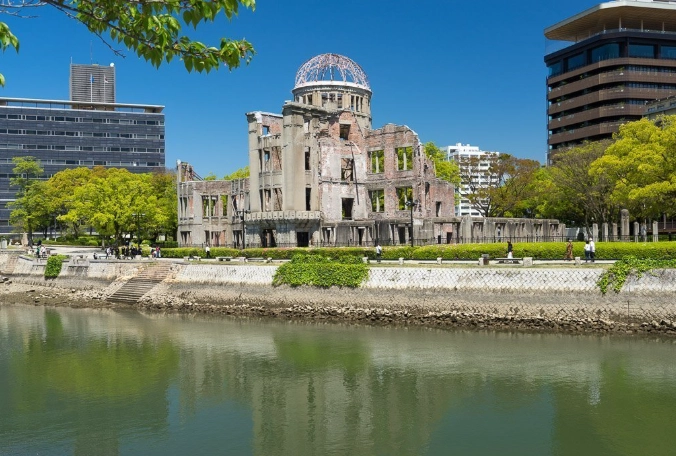
Near Hiroshima Station: Super convenient for arrival/departure. Lots of business hotels. Good for one-night stops. Can feel a bit sterile at night.
Downtown/Kamiyacho/Hondori Area: My top recommendation. You're within walking distance of the Peace Park, the best shopping, and tons of restaurants. The nightlife is here. It's the most vibrant and convenient base.
Peace Park Area: Quiet and close to the main historical sites. A bit fewer dining options at night, but very peaceful. Good for families.
On Miyajima Island: For a splurge and a unique experience, stay in a ryokan (traditional inn) on the island. You'll have the sacred island almost to yourself after the day-trippers leave. Book far in advance.
Day Trip Deep Dive: Miyajima
No Hiroshima travel guide is complete without a full section on this. Itsukushima Shrine, with its "floating" torii gate, is one of Japan's Three Most Scenic Views (Nihon Sankei). It lives up to the hype.
How to Get There
It's simple. From Hiroshima Station, take the JR Sanyo Line to Miyajimaguchi Station (about 25 minutes, covered by the JR Pass). Walk 5 minutes to the ferry pier. Two companies run ferries: JR and Matsudai. The JR ferry is covered by the JR Pass and takes about 10 minutes. They run frequently.
What to Do on Miyajima
- Itsukushima Shrine: Pay the entrance fee (300 yen). The complex of boardwalks and buildings built over the water is stunning. Check the tide schedule. At high tide, it truly looks like it's floating. At low tide, you can walk out on the mudflats to the base of the great torii gate.
- Daisho-in Temple: Often overlooked, this temple at the base of Mount Misen is one of my favorites in Japan. It's filled with interesting sub-temples, statues, and a cave with hundreds of lanterns. Don't miss the spinning sutra wheels.
- Mount Misen: The island's sacred peak. You can hike up (about 90 minutes) or take the ropeway. The view from the top over the Seto Inland Sea is breathtaking.
- Meet the Deer: They wander freely. They are generally tame but will try to eat any paper you're holding (maps, tickets!). Be firm.
- Eat Momiji Manju: These sweet, maple-leaf-shaped cakes filled with red bean paste (or custard, chocolate, cheese) are the island's specialty. You can even watch them being made fresh.
Pro Tip for Miyajima: If you can, stay until dusk. The day-tripper ferries stop around 5-6 PM. Watching the torii gate and shrine get illuminated as the sky darkens is magical. The island becomes serene. Then catch one of the later ferries back (check the last departure time!).
Hiroshima Travel: Your Questions Answered
Final Thoughts Before You Go
Planning your Hiroshima travel is about preparing for an experience, not just a vacation. Pack comfortable shoes for walking. Bring a notebook if that's your thing – you might want to write down your thoughts after the museum. Come hungry.
Most importantly, come with an open mind and heart. Hiroshima has a way of changing people's perspectives. It's a city that stared into the abyss and chose to build a garden. It teaches without preaching. It remembers without being bitter.
Your visit supports that message. It's a trip you won't forget.
Safe travels.
Comments