You've seen the pictures. Turquoise water, white sand, maybe a glass-bottom boat. That's the postcard version of Okinawa, and don't get me wrong, it's stunning. But if you think Okinawa is just a beach destination, you're missing about 90% of its soul. This archipelago has a layered history, a fiercely independent culture, and landscapes that shift from dense jungle to sheer cliff faces in a matter of miles. Planning around the right Okinawa locations means the difference between a generic tropical holiday and a trip that actually sticks with you.
I've been visiting for over a decade, sometimes for work, mostly for pleasure. I've made the classic mistakes—getting stuck in tour bus traffic on Kokusai Street, showing up at a famous snorkel spot at noon to find it packed like a swimming pool. I've also found quiet pottery towns where the only sound is a kiln firing, and hidden lookout points that aren't in any guidebook.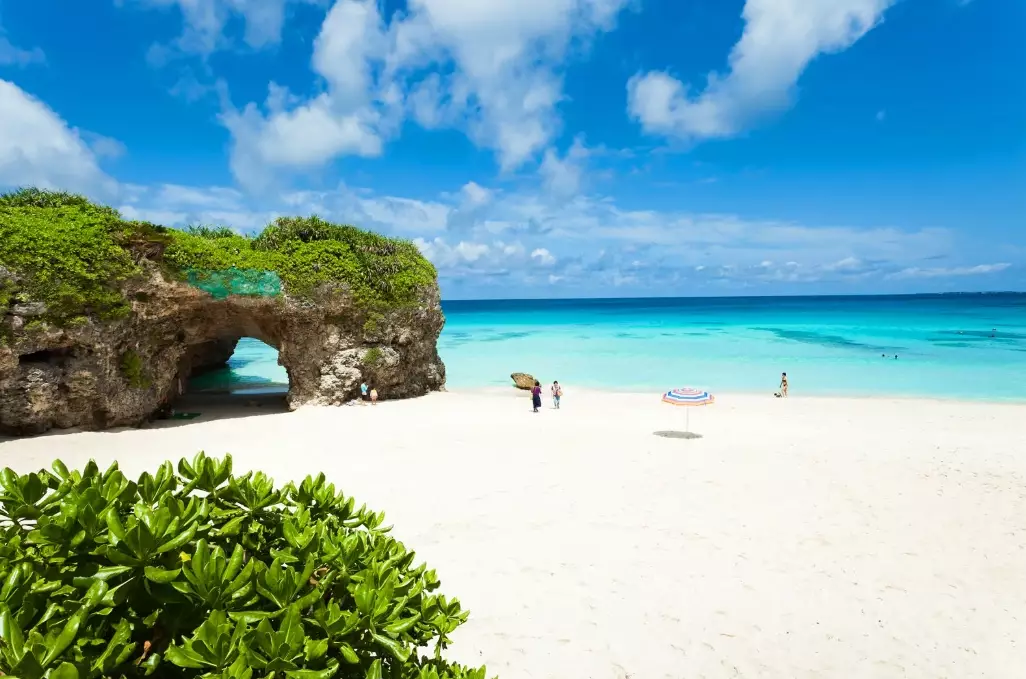
Your Okinawa Travel Blueprint
The Non-Negotiable Top Spots (And How to Do Them Right)
These are the heavy hitters. They're popular for a reason. The trick isn't avoiding them; it's experiencing them smarter than the crowd.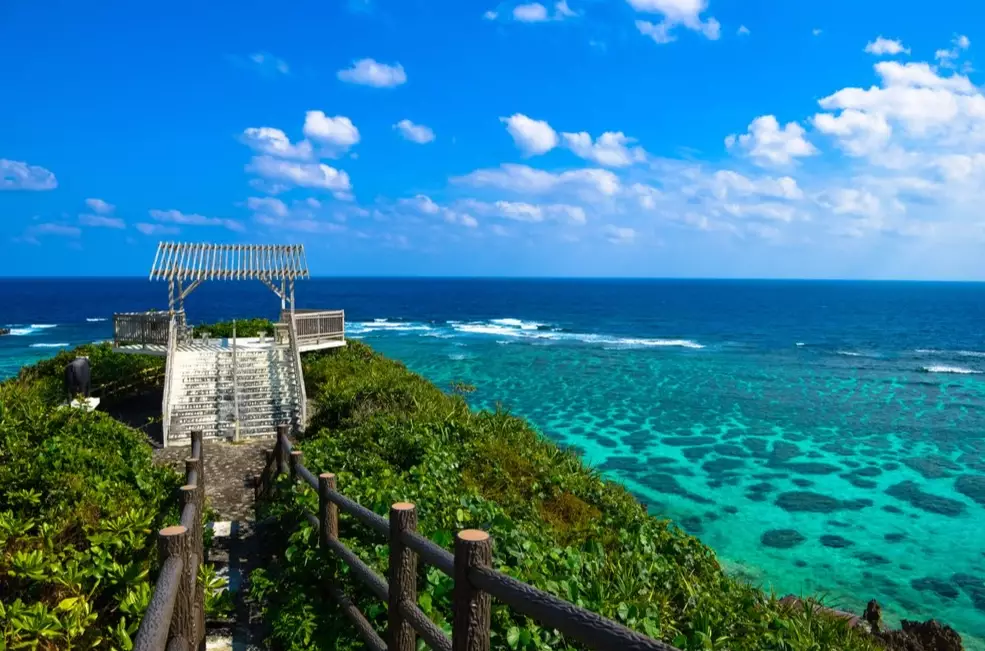
Shuri Castle (Shurijo)
**Address:** 1-2 Shurikinjocho, Naha, Okinawa 903-0815.
This is the symbolic heart of the former Ryukyu Kingdom. Rebuilt after its tragic destruction in World War II and again after a 2019 fire, its resilience is part of the story. The main Seiden hall is magnificent, but everyone gets that photo.
Getting There: Take the Okinawa Monorail (Yui Rail) to Shuri Station. It's a 15-20 minute walk uphill, or catch bus #7 or #8 from the station to the Shurijo-mae stop.
Admission: 400 JPY for adults. Consider the combined ticket (820 JPY) that includes the nearby Tamaudun Mausoleum and Sonohyan-utaki Stone Gate.
Hours: 8:00 AM - 7:30 PM (last entry at 7:00 PM).
The expert move? Go the moment it opens. The first hour is peaceful. And don't just see the main courtyard. Walk the stone paths around the entire perimeter. The views over Naha from the west side are incredible, and you'll pass through smaller, often-empty gates like the Kankaimon that feel more ancient.
Churaumi Aquarium & Ocean Expo Park
**Address:** 424 Ishikawa, Motobu-cho, Kunigami-gun, Okinawa 905-0206.
Yes, it's a two-hour drive from Naha. Yes, it's worth it. The main tank, the "Kuroshio Sea," is awe-inspiring. But the place is massive and can feel like a human aquarium if you go at peak time.
Most people beeline for the whale sharks. My advice? Start in reverse. Head to the outdoor sections first—the manatee pool, the sea turtle lagoon. The crowds thin out there. Then, work your way back to the main building for the big tank later in the afternoon. Buy tickets online to skip the ticket line (which can be 30+ minutes long).
Kokusai Street (International Street) & Makishi Public Market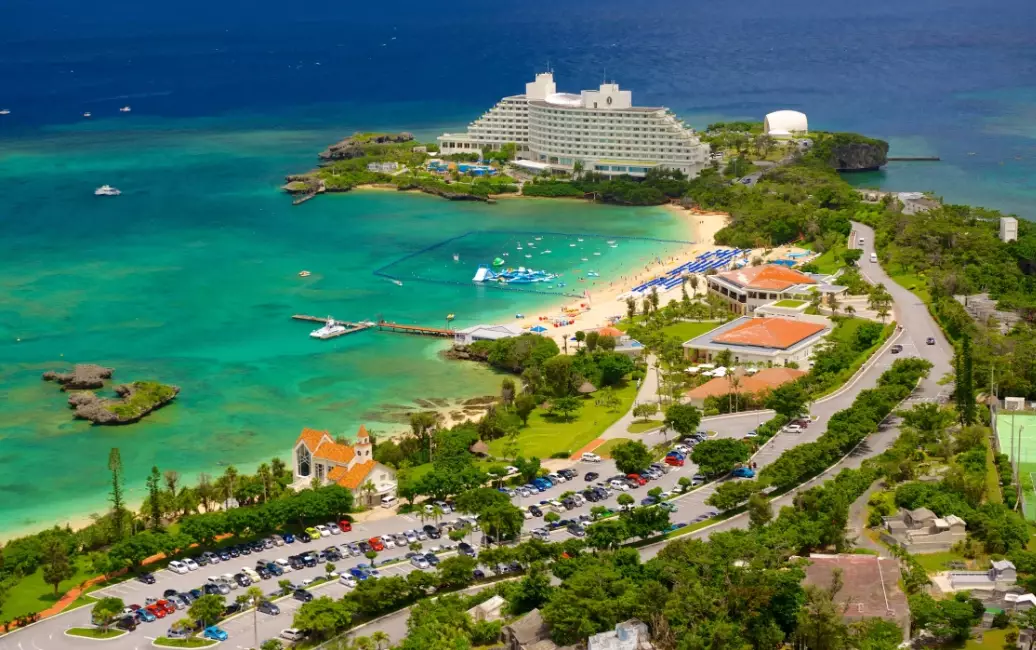
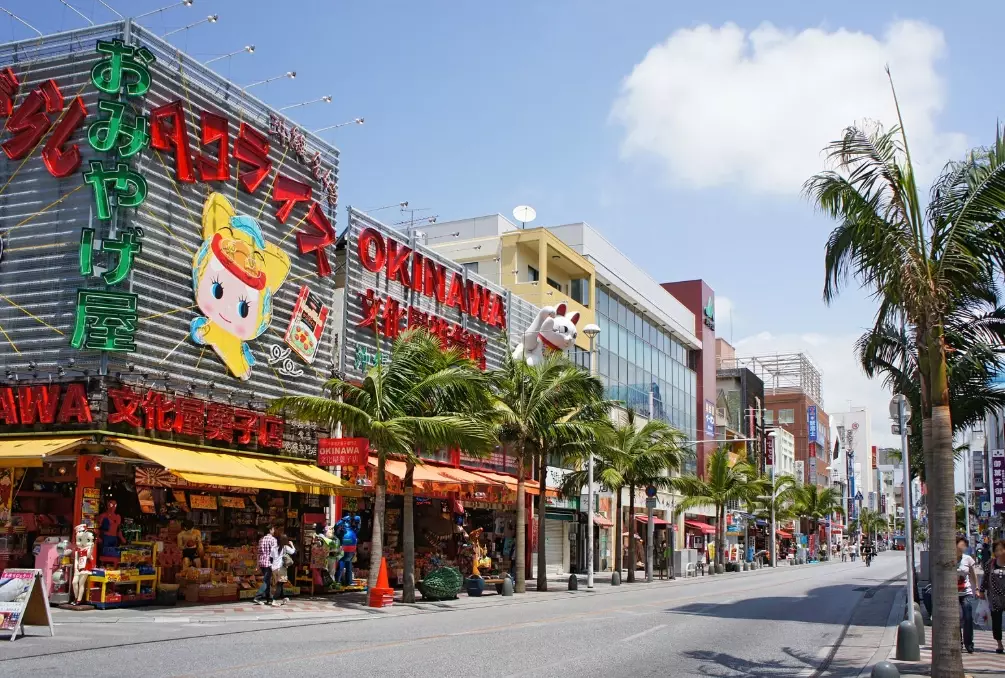
This is Naha's bustling main drag. It's fun, loud, and packed with souvenir shops selling everything from Shisa dogs to awamori liquor. It's also intensely touristy.
Here's the pivot that most miss: Use Kokusai Street as your gateway, not your destination. Dive into the covered Makishi Public Market ("The Kitchen of Okinawa") upstairs for a fresh seafood lunch. Then, peel off into the side streets. Head one block south to Heiwa Dori, a covered shopping arcade with more local flavor. Or go north into the Tsuboya Yachimun Street area (more on that later). Kokusai Street is the appetizer; the real meal is in the alleys around it.
Kouri Island & the Ocean Tower
Connected by a breathtaking 2-kilometer bridge, Kouri Island is a short drive from the aquarium. The heart-shaped rocks are cute, but the real magic is the drive itself and the 360-degree view from the Kouri Ocean Tower.
Bridge Toll: Free.
Ocean Tower Admission: 800 JPY for adults. Includes a cute buggy ride up the hill.
Best For: Drivers, photographers, couples.
Rent a car for this day. The freedom to stop on the bridge (there are pull-offs) is worth it. The Ocean Tower's observation deck gives you a panorama of the East China Sea that puts the whole island chain into perspective.
Locations Most Travelers Miss (The Real Finds)
This is where your trip becomes unique. These Okinawa locations offer deeper cultural connections and far fewer people.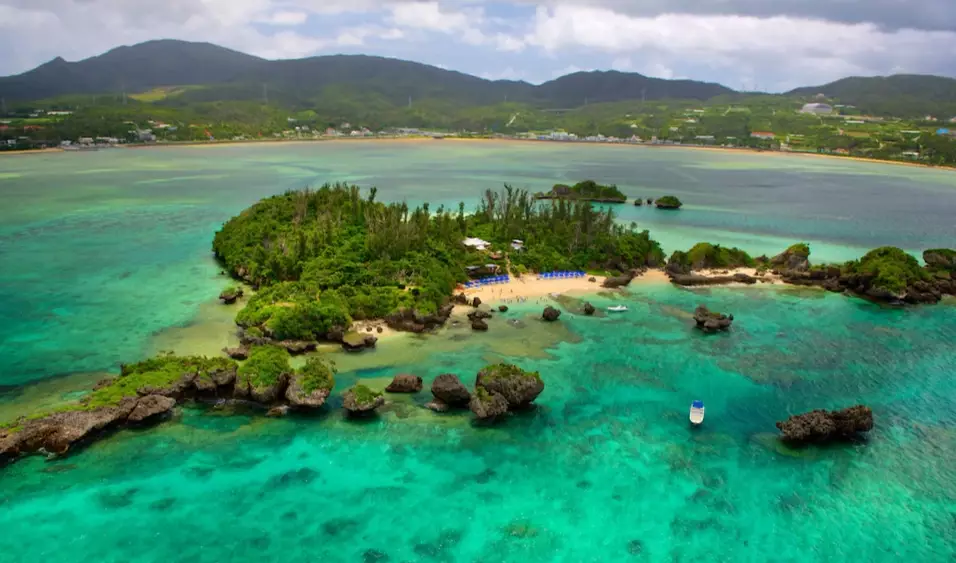
Tsuboya Pottery District (Yachimun no Sato)
A 15-minute walk from Kokusai Street, Tsuboya is where Okinawa's pottery tradition, called yachimun, has thrived for centuries. The main street is lined with kilns and workshops. The vibe is completely different—calm, artistic, authentic.
Go in the morning. Many smaller studios open around 10 AM. You can watch potters at work, and the pieces here (from tiny cups to massive Shisa) are the real deal, not mass-produced souvenirs. My favorite spot is a tiny gallery at the end of the street that only sells pieces with traditional bingata patterns.
Former Japanese Navy Underground Headquarters
**Address:** 236 Tomishiro, Itoman, Okinawa 901-0344.
If Shuri Castle represents Okinawa's royal past, this tunnel complex represents its tragic modern history. In the final days of the Battle of Okinawa, Japanese commanders retreated here. You can walk the damp, low-ceilinged corridors, seeing the scratch marks on the walls and the room where the Vice Admiral and his staff ultimately took their own lives.
It's a somber, powerful, and essential counterpoint to the island's sunny image. It's rarely crowded. Take your time. Read the placards. It's a location that demands reflection.
Cape Manzamo & The Moon Beach Coastline
On the way to the aquarium from Naha, the coast around Onna Village is studded with dramatic limestone cliffs. Cape Manzamo is the famous one—a cliff shaped like an elephant's trunk. Tour buses stop here.
My suggestion? Stop at Manzamo quickly, then drive just 5 minutes further north or south. You'll find smaller, unnamed lookouts with equally stunning views and maybe one other car. Pull over, walk to the edge, and listen to the waves crash against the rugged karst. This coastline is best experienced spontaneously, not as a checked box.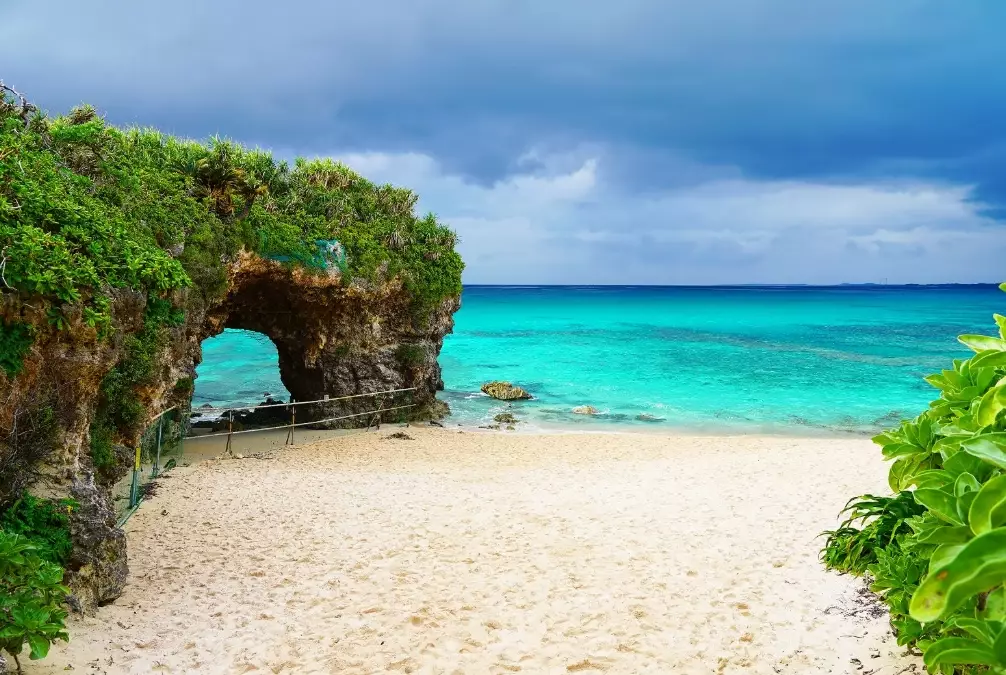
Zamami Island (Part of the Keramas)
Everyone talks about the Kerama Islands' blue water, but most opt for the easiest day trip to Tokashiki. For a slightly more secluded feel, try Zamami. The ferry from Tomari Port takes about 70 minutes.
You rent a golf cart or a scooter at the port. Within minutes, you're on Furuzamami Beach, a perfect crescent of sand with snorkeling right off the shore. The village is sleepy and charming. You can do it as a long day trip, but staying one night lets you join a whale-watching tour (seasonal) or hike to the Takatsukiyama Observatory for sunset. It feels a world away from mainland Okinawa.
How to Plan Your Trip Around These Locations
Okinawa is long and skinny. Logistics matter. Here’s a breakdown of how to tackle it.
| Region | Key Locations | Recommended Base | Travel Tip |
|---|---|---|---|
| Southern Okinawa (Naha & below) | Shuri Castle, Kokusai Street, Makishi Market, Peace Memorial Park, Underground HQ | Naha City | Use the monorail and buses. Rent a car only for day trips south. |
| Central Okinawa (Chatan to Onna) | American Village, Cape Manzamo, Moon Beach, Ryukyu Mura | Onna Village or Chatan | This is resort and diving central. A rental car is highly recommended. |
| Northern Okinawa (Motobu & Kunigami) | Churaumi Aquarium, Kouri Island, Bise Fukugi Tree Lane | Naha or a northern resort | This is a full-day road trip from Naha. Start early. |
| The Kerama Islands | Tokashiki, Zamami, Aka Islands | On-island guesthouse (or day trip) | Book ferry tickets a day in advance. Check weather, as trips cancel in high wind. |
Getting Around: The Car Question
Public transport outside Naha is sparse and slow. If you want to see more than two specific spots in a day, you need a car. Rent from the airport or a downtown Naha location. Driving is on the left. International Driving Permits are required for most foreign licenses. The expressway (toll road) is worth it to zip north quickly.
If you can't drive, your options are: 1) Focus on Naha and use taxis/tours, 2) Use the well-organized tourist hop-on-hop-off bus for key northern sites, or 3) Join day tours that handle transport.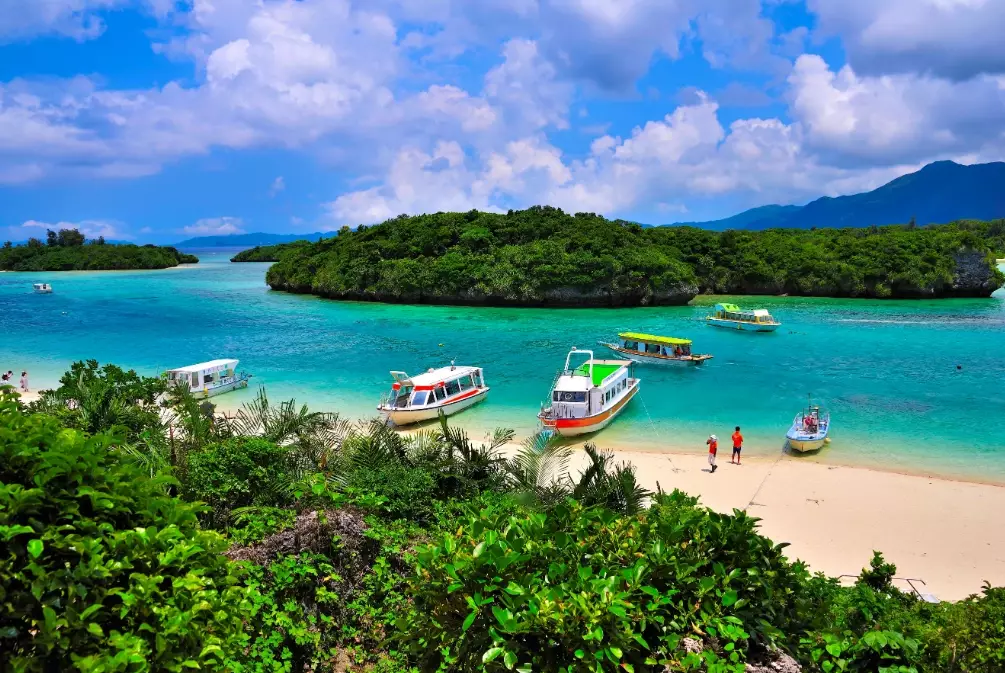
Where to Stay: Location is Everything
Don't try to base yourself in one place for the whole trip if you want variety.
- For Culture & Food: Stay in Naha (around Makishi or Omoromachi stations). Hotels like the Daiwa Roynet Hotel are affordable and well-connected.
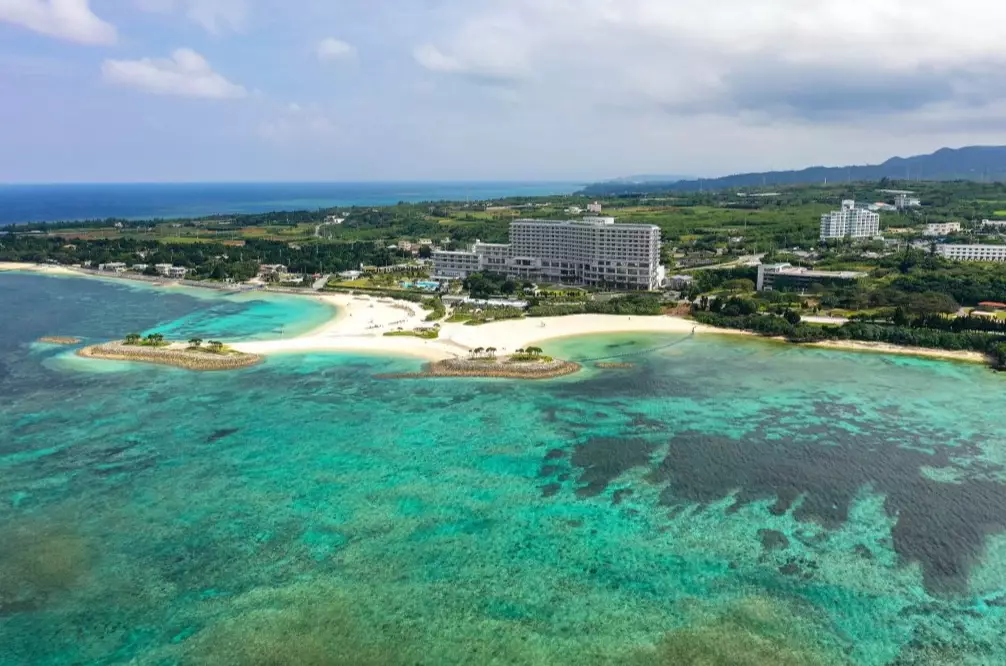
- For Beach & Diving: Stay in Onna Village. Resorts like the Rizzan Sea-Park Hotel have direct beach access.
- For a Quiet Escape: Book a night on a Kerama Island like Zamami at a minshuku (family-run guesthouse).
Food You Can't Miss
This isn't just about fuel; it's part of the location experience. Eat at the source.
- Okinawa Soba: At a small shop in Naha like Shuri Soba. It's a wheat-noodle soup with pork rib, not buckwheat like mainland soba.
- Rafute (Braised Pork Belly): Tender, sweet, and fatty. Try it at the Makishi Market.
- Goya Champuru: The iconic bitter melon stir-fry. Any local shokudo (diner) will have it.
- Blue Seal Ice Cream: An Okinawan institution since the American occupation. The purple sweet potato flavor is a must.
Your Okinawa Travel Questions Answered
How can I avoid long lines at popular Okinawa locations?
Timing and tickets are key. For major sites like Shuri Castle or the aquarium, purchase tickets online in advance if possible. Always aim to arrive within the first 30 minutes of opening. The crowds, especially large tour groups, tend to arrive between 10 AM and 2 PM. For natural spots like beaches or lookouts, the early morning or late afternoon is golden hour in more ways than one. Renting a car is your ultimate tool for crowd avoidance—you can leave when a place gets busy and go somewhere else.
What's the best time of year to visit these Okinawa locations?
The sweet spots are late March to early May (before the rainy season and summer heat) and October to November (after typhoon season). July and August are peak—hot, humid, crowded, and expensive. The ocean is warmest then, but so is everything else. December to February can be pleasantly cool (15-20°C) but the ocean is too cold for casual swimming for most. A winter visit is fantastic for culture and hiking without the sweat.
Are the remote islands worth the extra travel hassle?
If you have more than 3 full days on Okinawa's main island, I strongly recommend at least one day trip to the Keramas (Tokashiki or Zamami). The water clarity is on another level. It's not just a slightly nicer beach; it's a fundamentally different shade of blue and a much slower pace of life. The "hassle" of a 35-70 minute ferry ride is the filter that keeps it special. For first-timers with limited time, Tokashiki is the most logistically straightforward and rewarding choice.
What's a realistic daily budget for Okinawa?
Okinawa can be more expensive than mainland Japan outside Tokyo, mainly due to transport. A budget traveler using hostels, buses, and market eats can manage on 7,000-9,000 JPY per day. For a mid-range experience with a rental car, business hotel double room, restaurant meals, and paid attractions, plan for 12,000-18,000 JPY per person per day. Luxury resorts will obviously push that much higher. The biggest budget variable is the rental car (5,000-8,000 JPY/day) and fuel/tolls.
 The best Okinawa locations aren't just dots on a map. They're layers of history, culture, and natural beauty stacked on top of each other. You can spend a day snorkeling in water so clear it feels like flying, and the next standing in a silent tunnel where history feels painfully close. That contrast is what makes this place unforgettable. Start with the big names, but make time to wander. Turn down the side street. Talk to the potter. Ask your guesthouse owner for their favorite beach. That's how you find the Okinawa that stays with you long after the tan fades.


Comments