Yes, absolutely. If you're a US citizen holding a valid passport, you can enter Japan for short-term stays without applying for a visa in advance. This isn't a new policy, but the rules and the process around it have some critical details that trip people up every single day. I've seen travelers get flustered at check-in counters and even turned away because they missed one small, non-obvious step. This guide cuts through the official jargon and tells you exactly what you need to do, based on the current rules and a lot of real-world experience.
Your Quick Guide to Visa-Free Japan Travel
What Exactly Does “Visa-Free” Mean for Americans?
Japan's visa exemption for US passport holders is part of a reciprocal agreement. It allows you to enter as a temporary visitor for tourism, business meetings, visiting friends or family, or participating in short conferences. The key word is temporary.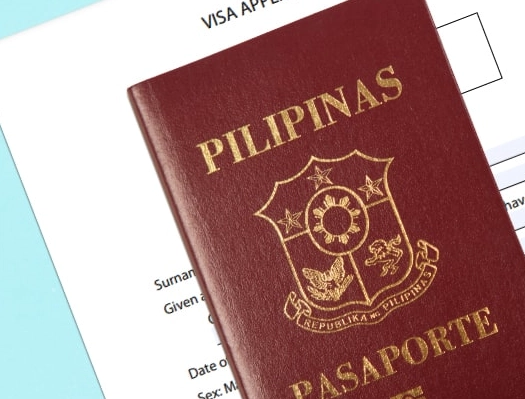
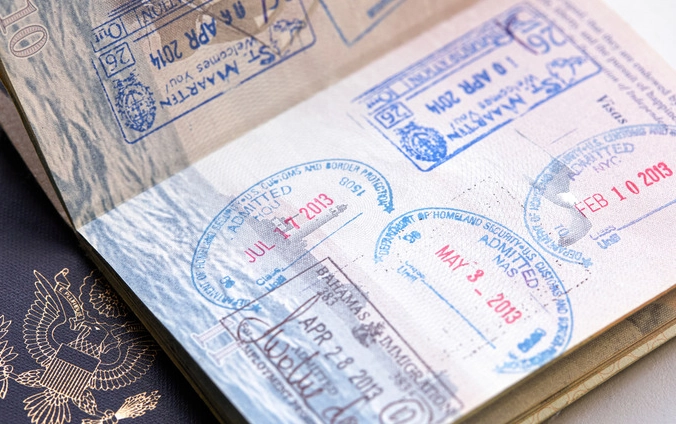
The Core Rule: You are granted 90 days of stay upon arrival. This is not a visa; it's a landing permission for a short-term visitor. The immigration officer stamps your passport with this date. It's crucial to understand this is a maximum of 90 days within any 180-day period for tourism/business. You can't just leave for a day and come back for another 90.
Your passport is your ticket. It must be valid for the entire duration of your stay in Japan. The old "six-month validity" rule is a myth that causes unnecessary panic. Japan's official requirement, as stated by the Ministry of Foreign Affairs of Japan, is that your passport simply needs to be valid during your period of stay. However, your airline might enforce their own stricter rules, so having a few months of extra validity is a safe practice.
What You Can and Cannot Do Under the Visa Waiver
This is where intent matters. You're allowed to engage in activities consistent with a visitor.
You CAN: Go sightseeing, attend business meetings (to discuss contracts, negotiate), visit friends/family, participate in amateur sports events, attend short-term unpaid training.
You CANNOT: Work for a Japanese company and receive a salary, engage in revenue-generating activities (like paid performances, freelance work for local clients), or enroll as a full-time student.
If an immigration officer suspects you're entering to work illegally, they can deny you entry. Be prepared to show a return ticket and have an address for where you're staying (a hotel booking is perfect).
How to Prepare for a Smooth Visa-Free Entry
Gone are the days of just showing up with a passport. Since 2022, Japan has digitized most of its arrival procedures. Skipping this prep is the number one reason for delays at immigration.
The Non-Negotiable Step: Visit Japan Web. This is the official online service managed by the Japanese government. You need to use it before your flight. Here’s what you do there:
- Register your details: Passport info, flight details, address in Japan.
- Complete the Customs Declaration: Do this online instead of filling out the paper form on the plane.
- (If applicable) Upload Vaccination Certificates: As of late 2024, this is no longer a universal requirement, but health policies can change. The system will guide you if needed.
Once completed, you'll get two QR codes: one for Immigration (the "Quarantine, Immigration, and Customs" procedures), and one for Customs. Screenshot these on your phone. At Narita, Haneda, or Kansai airports, you'll scan these codes at dedicated fast-track kiosks and counters, saving you potentially an hour in line.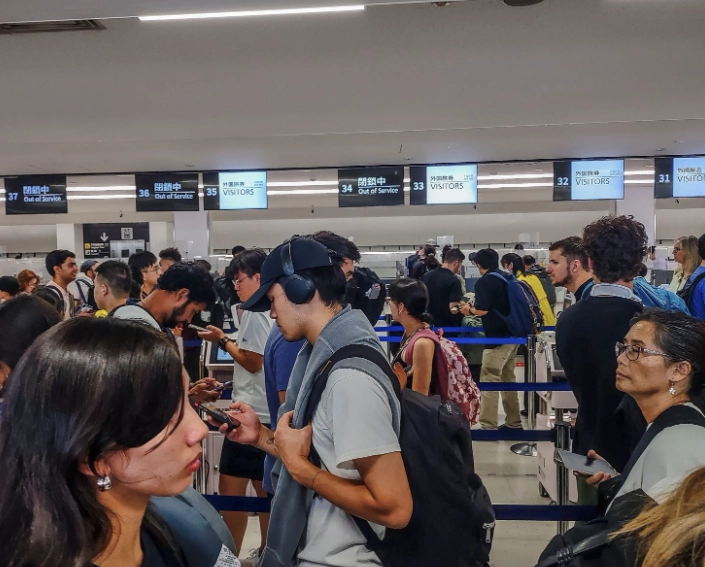
Pro Tip from Experience: Complete Visit Japan Web at least 24 hours before departure. The site can be slow, and you don't want to be troubleshooting it at the airport gate. I once saw a family miss this step and had to fill out every single paper form, holding up the entire queue behind them while they scrambled for a pen and their hotel address.
Your Pre-Flight Checklist
- Valid US Passport
- Visit Japan Web QR Codes (saved on phone/printed)
- Return or Onward Flight Ticket (Airline check-in staff will ask for this)
- Proof of Accommodation (Hotel confirmation for at least the first night)
- Sufficient Funds: While rarely asked, having a credit card and some cash is wise.
The 3 Most Common Mistakes (And How to Avoid Them)
After talking to dozens of travelers and immigration consultants, these are the slip-ups that happen constantly.
Mistake 1: Assuming "Visa-Free" Means "No Paperwork." As outlined above, Visit Japan Web is now essential paperwork. Treat it like your online check-in.
Mistake 2: Misunderstanding the 90-Day Clock. The 90 days start the day after you arrive. If you enter on January 1st, your last day to be in the country is March 31st. It's a rolling period. You cannot stay for 89 days, fly to Seoul for a weekend, and re-enter for a fresh 90 days. Immigration officers will see your recent history and likely grant you only a very short stay or deny entry if they suspect you're trying to live in Japan on tourist status.
Mistake 3: Overlooking the Purpose of Visit. Saying the wrong thing to immigration can raise flags. If you're there for tourism, say "tourism" or "sightseeing." If for business, say "business meetings." Keep it simple and truthful. Rambling about "exploring work opportunities" is a fast track to secondary inspection.
What If You Want to Stay Longer or Work?
The visa waiver is for short-term visits only. Any other plan requires a proper visa applied for in advance at a Japanese Embassy or Consulate in the United States.
| If You Want To... | You Need This Visa | Key Requirement |
|---|---|---|
| Stay for tourism longer than 90 days | Tourist Visa (Temporary Visitor) | Detailed itinerary, proof of substantial funds for the extended period. |
| Work for a Japanese company | Work Visa (Engineer, Specialist, Instructor, etc.) | Certificate of Eligibility (COE) sponsored by your employer in Japan. |
| Study at a language school or university | Student Visa | Certificate of Eligibility from the educational institution. |
| Join a Japanese spouse | Spouse or Dependent Visa | Marriage certificate, proof of relationship, sponsor's documents. |
The process for these visas takes 1 to 3 months, sometimes longer. You cannot start the process from inside Japan on a visa waiver. You must apply from your home country. I've met several people who flew to Japan hoping to "figure out" a work visa, only to have to leave and start the lengthy application from scratch.
Your Visa-Free Japan Questions, Answered
The bottom line is straightforward: US citizens can enter Japan visa-free for short visits, but "visa-free" doesn't mean "preparation-free." Do your online homework with Visit Japan Web, understand the limits of the 90-day stay, and have your documents ready. That's the surefire way to walk confidently through immigration and start your Japanese adventure without a hitch.





Comments