Yes, 14 days is enough to see Japan's highlights—if you plan with precision. I've traveled Japan multiple times, and the key is balancing iconic sights with efficient logistics. This guide cuts through the fluff to deliver a actionable 14-day itinerary, packed with specific details on attractions, transport, and accommodations, plus hard-won tips to dodge common mistakes.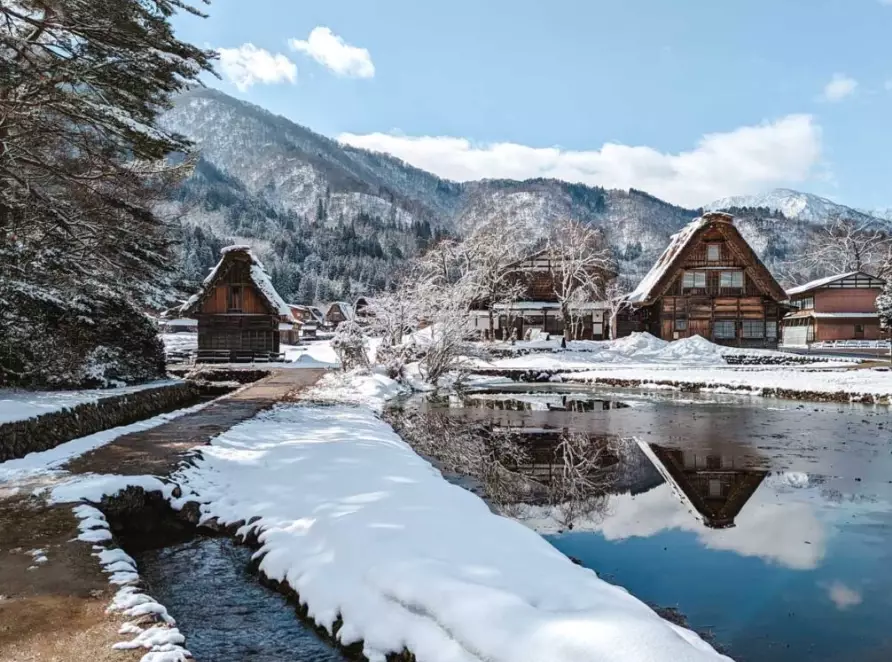
Your Journey at a Glance
- Understanding the Realities of a 14-Day Japan Trip
- Crafting Your Perfect 14-Day Japan Itinerary
- Days 1-4: Diving into Tokyo's Energy
- Days 5-8: Kyoto's Cultural Heartbeat
- Days 9-12: Osaka and Day Trip to Nara
- Days 13-14: Flexible Options: Hiroshima or Hakone
- Pro Tips for Maximizing Your 14 Days in Japan
- Common Mistakes First-Timers Make (And How to Avoid Them)
- Frequently Asked Questions About 14 Days in Japan
Understanding the Realities of a 14-Day Japan Trip
Japan is roughly the size of California, but its efficient rail network makes cross-country travel feasible. In 14 days, you can cover the "Golden Route": Tokyo, Kyoto, and Osaka, with room for day trips. The catch? You'll need to accept that you can't see everything. Focus on depth over breadth. For instance, skipping lesser-known regions like Hokkaido is wise—they're better for longer trips. According to the Japan National Tourism Organization, most first-time visitors spend 10-14 days, highlighting this as a sweet spot for a balanced experience.
Travel time adds up. The shinkansen from Tokyo to Kyoto takes about 2.5 hours, but with station navigation and luggage, budget half a day. I once rushed from Tokyo to Kyoto and missed a temple closing because I underestimated transit—learn from my error.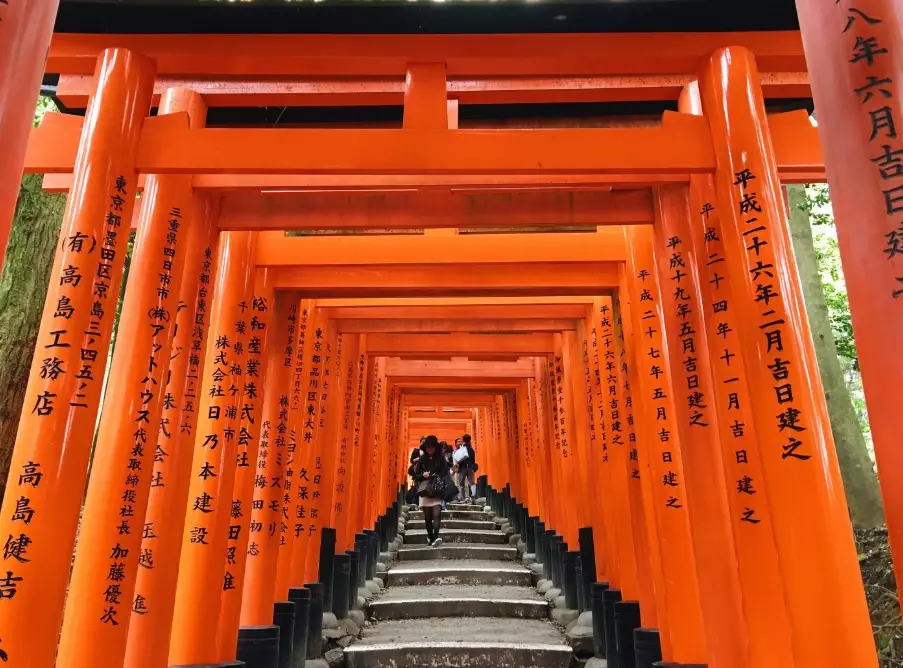
Key Insight: 14 days allows for 4-5 major destinations with 2-3 nights each, minimizing hotel changes and maximizing exploration time. Prioritize experiences that align with your interests, whether it's food, history, or nature.
Crafting Your Perfect 14-Day Japan Itinerary
This itinerary assumes you arrive in Tokyo and depart from Osaka or Tokyo, optimizing travel loops. It's designed for efficiency, blending must-sees with local gems. Adjust based on your pace—some days are packed, others lighter.
Days 1-4: Diving into Tokyo's Energy
Tokyo is vast, so split it by districts. I recommend staying in Shinjuku or Shibuya for transport links. Hotel example: Hotel Gracery Shinjuku (Address: 1-19-1 Kabukicho, Shinjuku City, Tokyo; Price: around $150/night; Features: Godzilla-themed rooftop). Book early; prices spike in peak seasons.
Senso-ji Temple: Tokyo's oldest temple. Address: 2-3-1 Asakusa, Taito City. Hours: 6:00 AM to 5:00 PM. Admission: Free. Go early to avoid crowds—I visited at 7 AM and had serene moments. Access: Tokyo Metro Ginza Line to Asakusa Station.
Shibuya Crossing: The iconic scramble. Best viewed from the Starbucks in Tsutaya building (Address: Shibuya Station). No fee. Evening visits offer neon lights.
Meiji Shrine: A peaceful oasis in Harajuku. Hours: sunrise to sunset. Free. Access: JR Yamanote Line to Harajuku Station. Combine with Takeshita Street for street food.
Day 4: Consider a day trip to Nikko (2 hours by train) for UNESCO sites, or explore Akihabara for anime culture. Ticket for Nikko Toshogu Shrine: 1,300 yen.
Days 5-8: Kyoto's Cultural Heartbeat
Take the shinkansen from Tokyo to Kyoto (reserve seats via JR Pass if you have one). Stay in Gion or near Kyoto Station. Ryokan recommendation: Gion Hatanaka (Address: 505 Gionmachi Minamigawa, Higashiyama Ward; Price: $200/night; Features: traditional kaiseki meals).
Fushimi Inari Taisha: The famous torii gates. Address: 68 Fukakusa Yabunouchicho, Fushimi Ward. Open 24/7. Free. Go at dawn for photos without crowds—I made the mistake of midday and it was packed.
Kinkaku-ji (Golden Pavilion): Address: 1 Kinkakujicho, Kita Ward. Hours: 9:00 AM to 5:00 PM. Admission: 400 yen. Access by bus from Kyoto Station.
Arashiyama Bamboo Grove: Address: Saga-Tenryuji, Ukyo Ward. Free. Best early morning. Nearby Tenryu-ji Temple charges 500 yen.
Day 8: Add Nara day trip (30 minutes by train). Feed deer at Nara Park, visit Todai-ji Temple (600 yen). Address: 406-1 Zoshicho, Nara.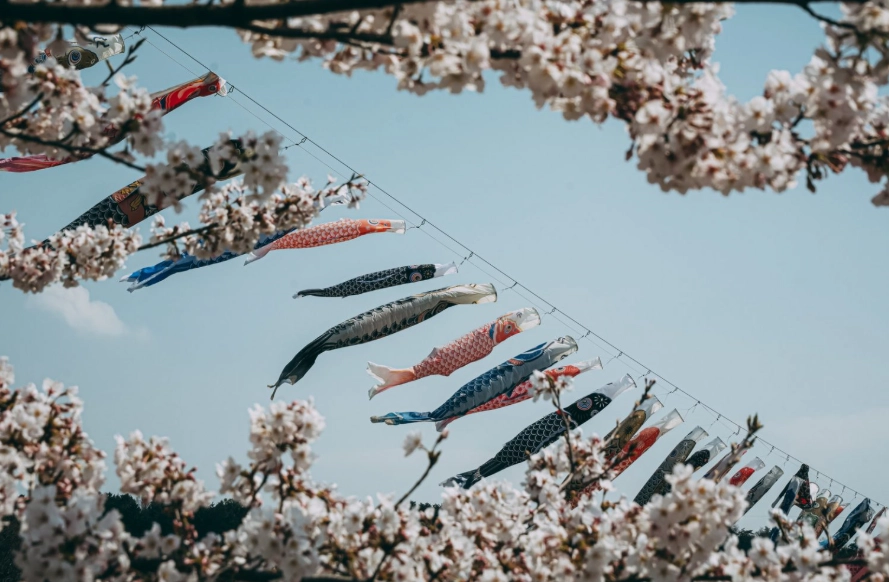
Days 9-12: Osaka and Day Trip to Nara
Short train ride from Kyoto to Osaka. Base in Namba for nightlife. Hotel: Hotel Nikko Osaka (Address: 1-3-3 Nishi-Shinsaibashi, Chuo Ward; Price: $120/night).
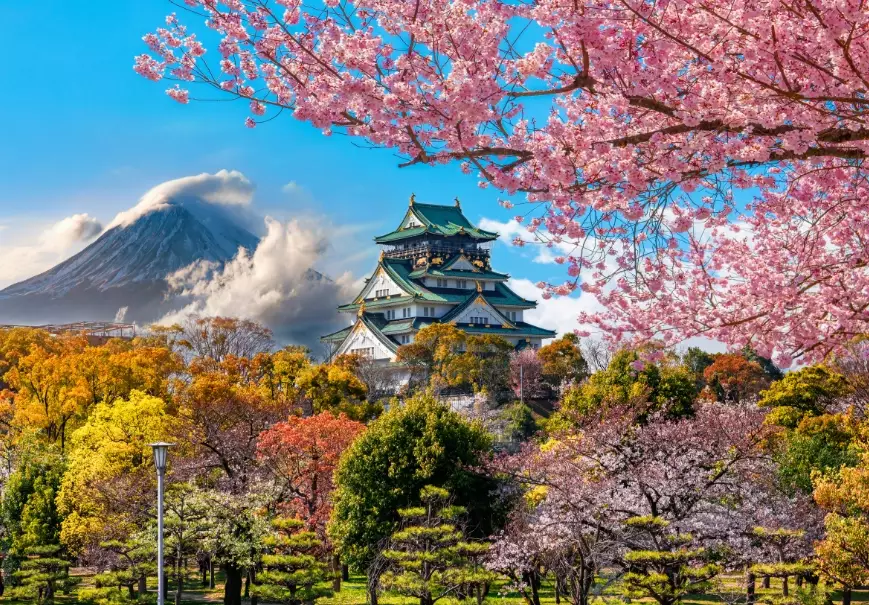
Osaka Castle: Address: 1-1 Osakajo, Chuo Ward. Hours: 9:00 AM to 5:00 PM. Admission: 600 yen. The museum inside is worth it.
Dotonbori: Food paradise. Try takoyaki at Kukuru (Address: 1-6-12 Dotonbori). Open until late. Budget 1,000 yen for a meal.
Day trip to Himeji Castle (1 hour by shinkansen): UNESCO site, 1,000 yen entry. Address: 68 Honmachi, Himeji.
Days 13-14: Flexible Options: Hiroshima or Hakone
Option A: Hiroshima and Miyajima (2 hours from Osaka by shinkansen). Visit Peace Memorial Park (free) and Itsukushima Shrine on Miyajima (300 yen). Ferry included. Hotel: Sheraton Grand Hiroshima (Address: 12-1 Wakakusacho, Higashi Ward).
Option B: Hakone (from Tokyo, if looping back). For onsen relaxation. Hakone Free Pass covers transport. Stay at Gora Kadan (luxury) or budget ryokan.
End in Osaka or Tokyo for departure. Allow extra time for airport transfers—Narita Express from Tokyo takes 1 hour.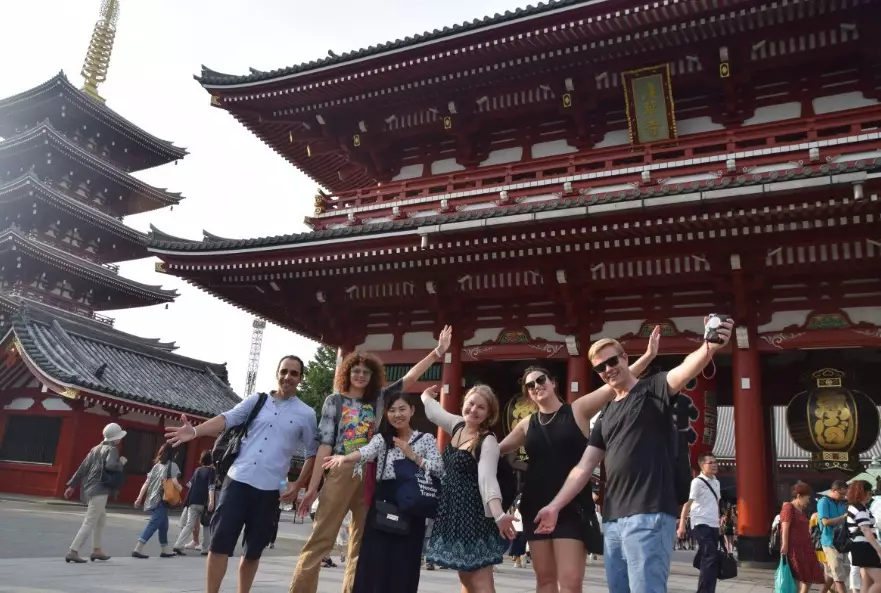
Pro Tips for Maximizing Your 14 Days in Japan
Transport: Get a Japan Rail Pass if covering long distances (e.g., Tokyo-Kyoto-Hiroshima). Calculate: a 7-day pass costs around $250; activate it mid-trip to cover shinkansen rides. For city travel, Suica or Pasmo cards are essential.
Accommodations: Book hotels 3 months ahead, especially for Kyoto. Use sites like Booking.com for reviews. I once booked last-minute in Kyoto and paid double.
Food: Don't just hit tourist spots. Try local izakayas in non-touristy areas—they're cheaper and more authentic. Example: In Tokyo, head to Ebisu for hidden gems.
Packing: Comfortable shoes are non-negotiable. You'll walk 10-15 km daily. I learned this the hard way with blisters.
Common Mistakes First-Timers Make (And How to Avoid Them)
Overpacking itineraries: Trying to see too many cities causes burnout. Stick to 3-4 bases. I met travelers who rushed through Kyoto in a day and regretted it.
Ignoring peak hours: Attractions like Fushimi Inari are packed 10 AM-3 PM. Go early or late. Same for public transport—avoid rush hour in Tokyo.
Not budgeting for cash: Many small shops and temples only accept cash. Withdraw yen from 7-Eleven ATMs; they have low fees.
Underestimating temple fatigue: After a few temples, they can blur together. Prioritize unique ones, like Kiyomizu-dera in Kyoto for views.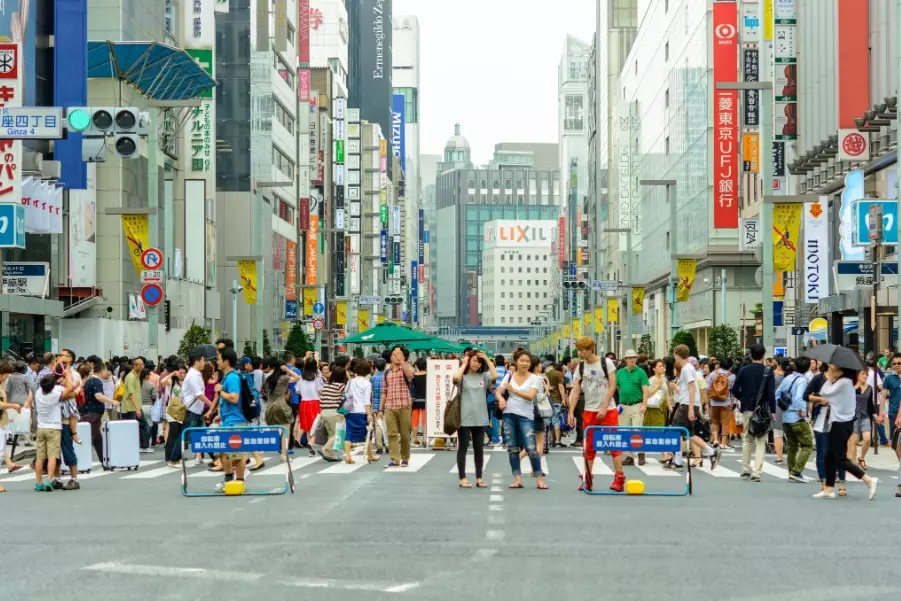
Frequently Asked Questions About 14 Days in Japan
 How much should I budget for a 14-day Japan trip?

Comments