Let's be honest. When you first hear "Japanese tea ceremony," you might picture a silent, rigid ritual where everyone sits painfully still. I thought that too, before my first time. What I found instead was a surprisingly accessible and deeply moving experience. It's not about tea snobbery. It's a choreographed moment of peace, a form of active meditation, and one of the most direct ways to connect with the Japanese aesthetic known as wabi-sabi—finding beauty in imperfection and transience. This guide cuts through the mystique. We'll look at how you, as a visitor, can not just see but genuinely experience a tea ceremony, where to book one, and how to avoid the subtle mistakes most guides don't mention.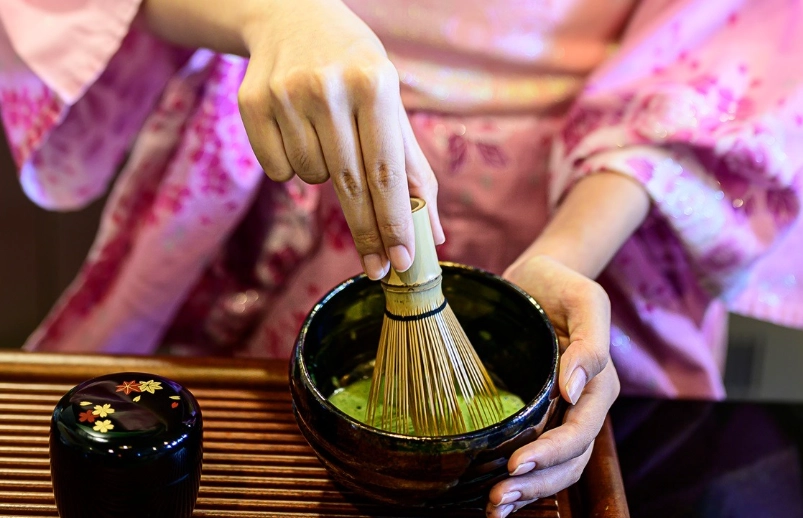
Your Tea Ceremony Journey Starts Here
- From Monks to Masters: The Roots of the Ritual
- How to Participate in a Tea Ceremony as a Visitor
- What is the Deeper Meaning Behind the Ritual?
- Where to Experience a Tea Ceremony in Kyoto (And Beyond)
- 3 Common Mistakes First-Timers Make (And How to Avoid Them)
- Plan Your Visit: A Sample Half-Day Tea Ceremony Itinerary in Kyoto
- Your Tea Ceremony Questions, Answered
From Monks to Masters: The Roots of the Ritual
The tea ceremony, or chanoyu/sado, didn't start as an art form. It arrived from China around the 9th century, primarily as a medicinal drink for Buddhist monks. They used it to stay alert during long meditation sessions. The game-changer was a monk named Murata Jukō in the 15th century. He stripped away the Chinese extravagance, integrating Zen philosophy and the simple, rustic aesthetics of Japanese peasant huts. This created wabi-cha, the foundation of the ceremony we know.
Later, the legendary master Sen no Rikyū (1522-1591) perfected it. He established the core principles of harmony (wa), respect (kei), purity (sei), and tranquility (jaku). Every movement, from the way the bamboo whisk is rinsed to the angle the bowl is presented, was codified. It became a spiritual discipline. Interestingly, the ceremony also became a political tool in the warring states period—a neutral space for powerful daimyo (feudal lords) to negotiate. Today, major schools like the Urasenke, Omotesenke, and Mushanokōjisenke (all descended from Rikyū) preserve and teach these traditions. The Japan National Tourism Organization has good historical overviews if you want to dive deeper.
How to Participate in a Tea Ceremony as a Visitor
You don't need to be an expert. Many places in Kyoto and Tokyo offer beginner-friendly sessions in English. Here’s what actually happens, step-by-step.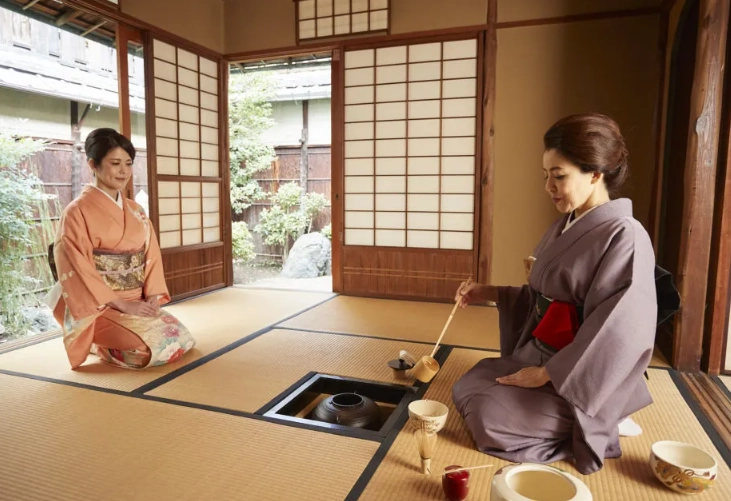
Before You Go: Booking and Dress Code
Booking is essential. Sessions are small. Look for places offering "experience" (taiken) programs. A simple web search for "Kyoto tea ceremony experience English" will yield many options. Book at least a week in advance, more during cherry blossom or fall foliage season.
What to wear? Comfort is key. You'll sit on the floor (seiza style) for 30-60 minutes. Avoid tight jeans or short skirts. Modest clothing is respectful. Socks are mandatory—you'll remove your shoes. I made the mistake of wearing slippery socks once and struggled to stand up gracefully afterward. Cotton socks with grips are a small but brilliant hack.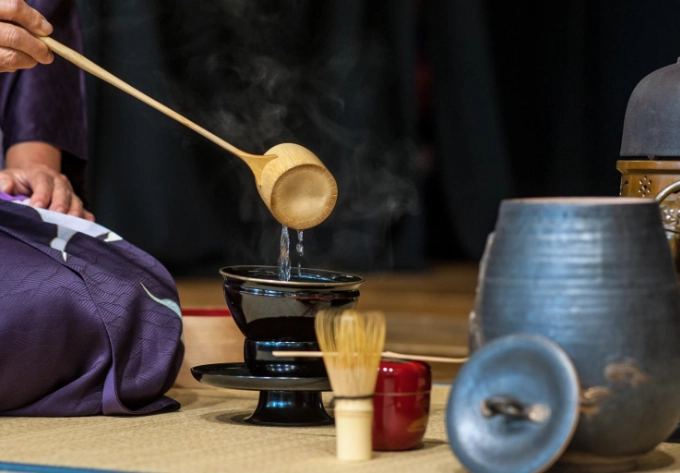
The Ceremony Flow: A Walkthrough
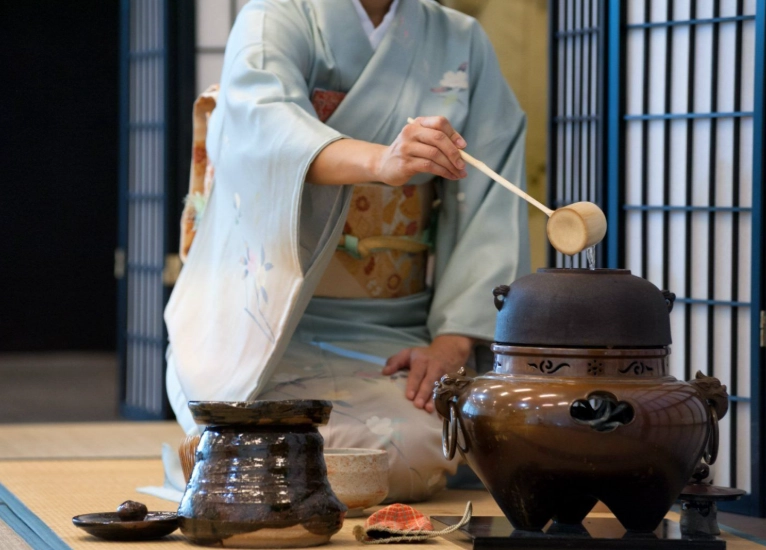
You'll be led into a small, minimalist room called the chashitsu. The tatami mats smell faintly of straw. The host (teishu) will already be performing silent preparations. As a guest, your job is to observe and receive.
- The Purification: You might rinse your hands and mouth at a stone basin (tsukubai) outside, symbolically cleansing the world away.
- The Sweets First: You'll be served a small, beautiful wagashi (Japanese sweet). Eat it before the tea arrives. It's designed to balance the bitterness of the matcha.
- The Main Act: The host prepares the thick matcha (koicha) with rhythmic, precise movements. Every tool has a purpose. The bowl (chawan) is chosen for the season. When the bowl is placed before you, bow. Take it with your right hand, place it on your left palm, and give it a slight turn (usually twice) with your right hand to avoid drinking from the front-facing, most beautiful part of the bowl.
- Drinking: Drink in a few sips. It's okay to slurp the last bit—it shows enjoyment. Admire the bowl before handing it back.
What is the Deeper Meaning Behind the Ritual?
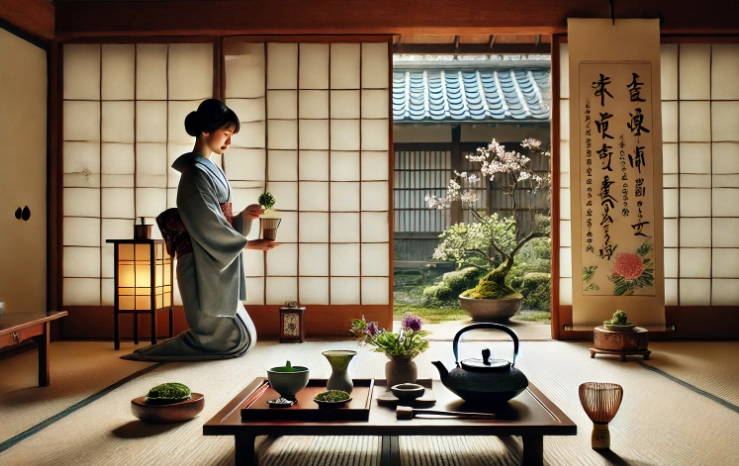
Beyond the steps, the ceremony is a temporary, shared universe. The concept of "ichi-go ichi-e" (one time, one meeting) is central. This gathering, with these people, in this light, will never happen again. It fosters profound presence.
Every object tells a story. The kōgō> (incense container) might be a weathered piece of driftwood. The flower arrangement is sparse, a single bloom. This is wabi-sabi in action. It’s an antidote to our modern craving for perfection and newness. You're appreciating cracks, asymmetry, and the patina of age.
It's also a lesson in hyper-awareness. The host considers the guest's journey, the season, the time of day. As a guest, you're meant to notice the sound of water boiling, the texture of the bowl, the light through the paper window (shōji). It's a crash course in mindfulness that you can take home.
Where to Experience a Tea Ceremony in Kyoto (And Beyond)
Kyoto is the heartland. Here are a few highly-regarded places catering to international visitors, with concrete details to help you choose.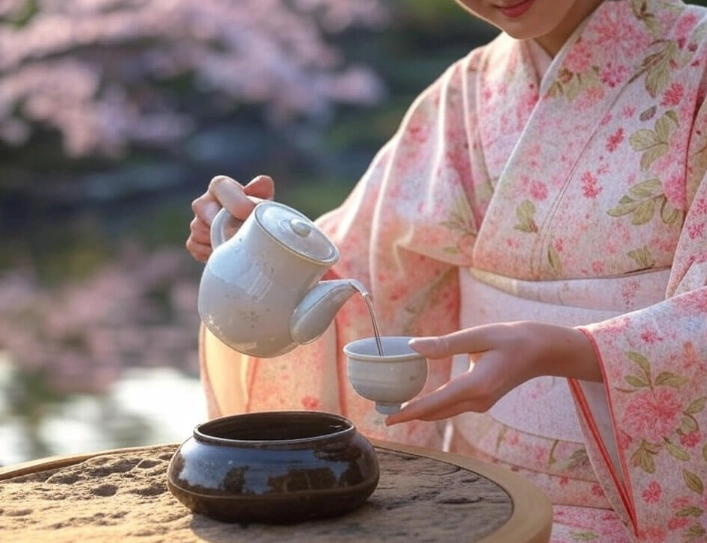
| Venue / School | Location / Address (Area) | Experience & Vibe | Approx. Price & Duration | Best For |
|---|---|---|---|---|
| Camellia Flower Experience | Near Ninenzaka, Higashiyama Ward | Intimate, traditional tea room. Excellent English explanations. They focus on the "why" behind each action. | ¥2,500 / 45 min | First-timers wanting clear context. |
| Tea Ceremony Room Ju-An (by Jotokuji Temple) | Jotokuji Temple, Arashiyama | Authentic temple setting. Less "touristy," more serene. Often includes a garden view. | ¥3,000 / 50 min | Those seeking a quieter, spiritual atmosphere. |
| Urasenke School (Headquarters) | Teranouchi, Kamigyo Ward | The source. Offers introductory courses and demonstrations. More formal and less tailored to drop-in tourists. | Varies / 1-2 hours | Enthusiasts wanting a direct lineage connection. |
| Tokyo: Chazen | Ginza, Tokyo | Modern, sleek interpretation in the city. Explains how the philosophy applies to modern life. | ¥3,500 / 60 min | Tokyo-based visitors or those curious about contemporary takes. |
Note: Prices and schedules change. Always check the official website or a reliable booking platform for the latest info before going.
3 Common Mistakes First-Timers Make (And How to Avoid Them)
Most guides cover the basics. After attending dozens and talking to teachers, here are the subtle slip-ups I've seen.
1. Overthinking the Bow. Yes, you bow when receiving the bowl. But a shallow, natural nod from the waist is fine. The mistake is the stiff, robotic 90-degree bow that screams "I'm following a script!" It breaks the flow. Match the host's depth.
2. Ignoring the Sweet. That wagashi isn't just a snack. It prepares your palate for the intense matcha. Eating it too fast or saving it for after the tea misses the point. Savor it. It's part of the flavor journey.
3. Missing the Non-Verbal Conversation. The ceremony is a dialogue in actions, not words. When you admire the bowl, really look at it. Hold it a moment longer. Your attentive silence and gaze are your part of the conversation. Fidgeting or looking at your phone is like talking over the host.
Plan Your Visit: A Sample Half-Day Tea Ceremony Itinerary in Kyoto
Pair your ceremony with nearby sights for a cohesive cultural morning. Here's a classic Higashiyama itinerary:
- 9:00 AM: Start at Kiyomizu-dera Temple. Beat the crowds and enjoy the morning light over the wooden stage.
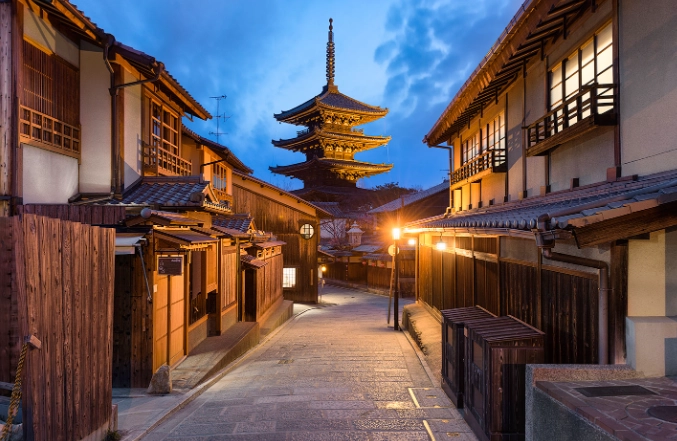
- 10:30 AM: Walk down the historic Sannen-zaka and Ninen-zaka stone paths. Browse pottery shops (Kiyomizu-yaki).
- 11:30 AM: Attend a booked tea ceremony at a venue like Camellia Flower in the area.
- 12:30 PM: Have lunch at a nearby soba noodle shop. You'll appreciate the mindful approach to food after the ceremony.
Your Tea Ceremony Questions, Answered

Comments