Your Quick Navigation to Hokkaido Highlights
Hokkaido isn't just another Japanese destination—it's a vast, wild island with seasons that slap you in the face with beauty. I've been traveling there for years, and each trip uncovers something new, from empty hot spring towns to ramen shops that ruin all other ramen for you. This guide cuts through the fluff and gives you the real deal on what to see, where to eat, and how to avoid the classic tourist traps. Let's dive in.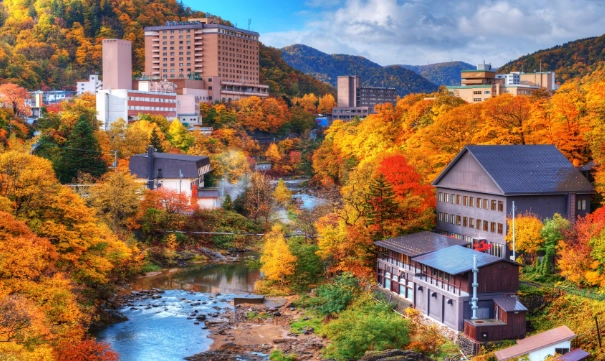
Top Must-See Attractions in Hokkaido
Most guides list the same spots, but here's the thing: timing and details matter more than just names. I'll break down the essentials with specifics you can actually use.
Sapporo: The Vibrant Capital
Sapporo feels like a city that remembers it's surrounded by nature. Don't just hit the Sapporo Beer Museum (though it's fun—free entry, 10:00-18:00, closed Mondays, located at 〒060-0001 Hokkaido, Sapporo, Chuo Ward, Kita 7 Johigashi). Odori Park is a must, but go early to avoid the midday crowds; in winter, it hosts the Snow Festival (free, all day). A personal favorite is the Historical Village of Hokkaido (¥830 entry, 9:00-17:00, 20 minutes by bus from downtown)—it's quieter and gives you a sense of pioneer life.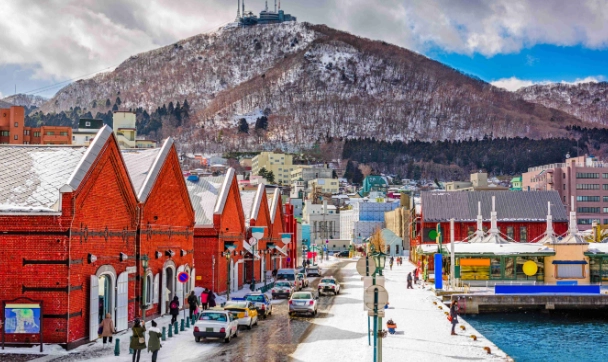
Furano and Biei: The Picturesque Countryside
If you're visiting for lavender, July is peak, but August still has blooms with fewer people. Farm Tomita (free entry, 8:30-17:00, 〒071-0704 Hokkaido, Furano) is iconic, but I prefer the smaller Farm Tomita Lavender East—less crowded, same views. In Biei, rent a car to explore Patchwork Road; the Blue Pond is free and stunning at sunrise. A mistake I made: relying on public transport here. Buses are infrequent; consider a rental car or join a tour from Furano Station.
Otaru: The Charming Port City
Otaru Canal is pretty, but it gets packed by noon. Go at 8 AM for photos without the tour groups. The Otaru Music Box Museum (free entry to main hall, 9:00-18:00, 〒047-0015 Hokkaido, Otaru, Ironai) is worth a peek, but the real gem is the herring mansions in the outskirts—historical buildings few tourists see. For a quick overview, here's a table of key attractions:
| Attraction | Location | Entry Fee | Best Time to Visit |
|---|---|---|---|
| Sapporo Clock Tower | Chuo Ward, Sapporo | ¥200 | Weekday mornings |
| Furano Lavender Fields | Furano City | Free | Early July to mid-August |
| Otaru Canal | Otaru City Center | Free | Early morning or evening |
| Shikotsu-Toya National Park | Southwest Hokkaido | Free (some areas paid) | Year-round, but autumn for colors |
Beyond these, consider Hakodate for its morning market and night views from Mount Hakodate (¥1,500 cable car, 10:00-22:00). According to the Hokkaido Government Tourism Bureau, over 70% of international visitors prioritize natural sites, so don't skip the outdoors.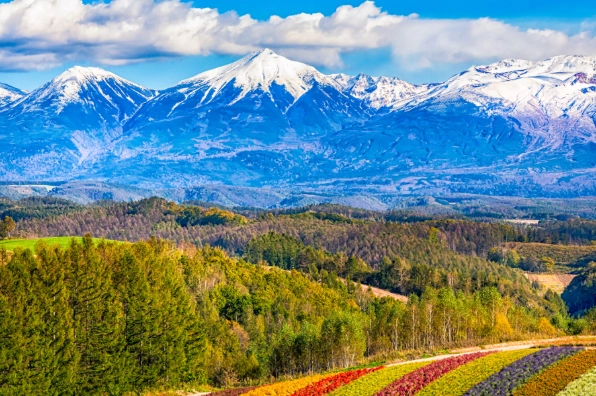
How to Plan Your Hokkaido Itinerary
Planning a Hokkaido trip can feel overwhelming because it's huge. Let's simplify with a sample 7-day summer itinerary based on my own trips.
Day 1-2: Sapporo. Land at New Chitose Airport. Take the JR train to Sapporo (¥1,070, 40 minutes). Day 1: Check into a hotel near Susukino (like Hotel Gracery Sapporo, around ¥12,000/night). Explore Odori Park and have dinner at Ramen Yokocho in Ganso Sapporo Alley (〒060-0063 Hokkaido, Sapporo, Chuo Ward, Minami 3 Jonishi, try the miso ramen, ¥900-¥1,200). Day 2: Visit the Sapporo Beer Museum in the morning, then head to Mount Moiwa for sunset (¥1,700 round-trip cable car).
Day 3: Otaru day trip. JR train from Sapporo to Otaru (¥750, 30 minutes). Walk the canal, visit the music box museum, and have seafood at Otaru Sankaku Market (〒047-0031 Hokkaido, Otaru, Ironai, try uni bowl, ¥2,000). Return to Sapporo by evening.
Day 4-5: Furano and Biei. Take the JR Furano Line from Sapporo to Furano (¥2,500, 2 hours). Stay at a guesthouse like Furano Natulux Hotel (¥9,000/night). Day 4: Explore Farm Tomita and nearby lavender fields. Day 5: Rent a car (around ¥8,000/day) to drive through Biei's Patchwork Road and visit the Blue Pond. Return car in Furano.
Day 6-7: Flexibility or Hakodate. Option A: Head south to Hakodate via JR train (¥8,000, 3.5 hours) for the morning market and Mount Hakodate. Option B: Relax in Noboribetsu for hot springs (from Sapporo, ¥5,000 by train). I prefer Option B—it's less rushed.
For winter, swap Furano for ski resorts like Niseko. A common error: trying to cover too much. Hokkaido's distances are deceptive; focus on one region per trip.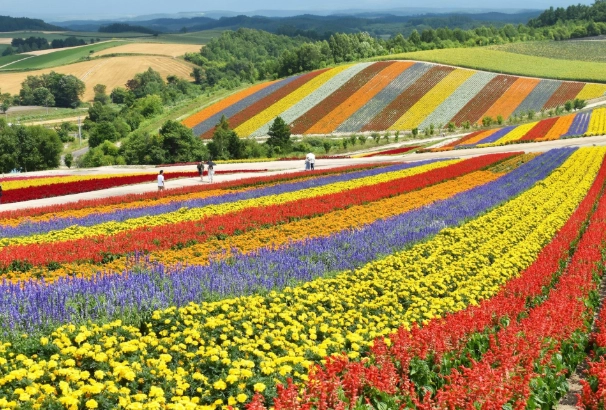
Where to Stay in Hokkaido
Accommodation ranges from luxury onsens to budget capsules. Here's a quick list based on my stays and research.
Luxury Pick: ANA Crowne Plaza Sapporo (〒060-0005 Hokkaido, Sapporo, Chuo Ward, Kita 5 Jonishi). Right in the city center, rooms from ¥25,000/night. Great for families—they have connecting rooms. But book early; it sells out fast in peak seasons.
Mid-Range Gem: Hotel Monterey Sapporo (〒060-0006 Hokkaido, Sapporo, Chuo Ward, Kita 6 Jonishi). European-style, around ¥15,000/night. I stayed here last autumn—the breakfast buffet is worth it, but the rooms are a bit small.
Budget Find: Capsule Hotel Anshin Oyado Sapporo (〒060-0063 Hokkaido, Sapporo, Chuo Ward, Minami 3 Jonishi). Capsules from ¥3,500/night. Clean and central, but not for claustrophobes. For groups, consider Airbnb in Otaru—I found a whole apartment for ¥10,000/night split between four.
Rural Stay: In Furano, Pension Yamasan (〒071-0704 Hokkaido, Furano). A family-run guesthouse, ¥7,000/night with breakfast. The owner gives personalized touring tips—something big hotels miss.
Booking tip: Use Japanese sites like Rakuten Travel for better deals. In winter, ski resort hotels like Hilton Niseko Village can hit ¥40,000/night; look for package deals that include lift passes.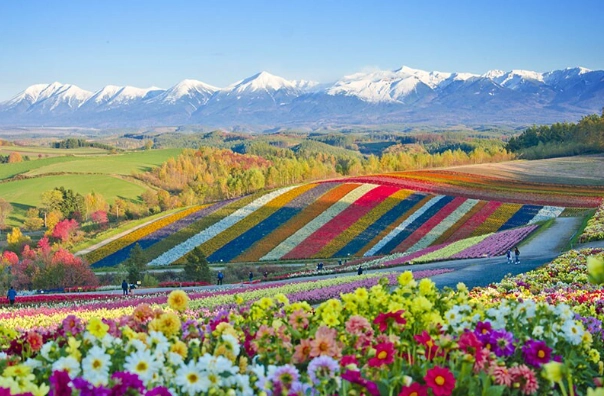
What to Eat in Hokkaido
Hokkaido's food scene is legendary, but it's easy to fall into tourist traps. Here's what to target.
Seafood: Don't just go to Sapporo's Nijo Market—it's crowded and overpriced. Try Curb Market in Hakodate (〒040-0063 Hokkaido, Hakodate, 5-chome). A kaisendon (seafood bowl) costs ¥2,500-¥3,500. For crab, Kani Doraku in Sapporo (〒060-0063 Hokkaido, Sapporo, Chuo Ward, Minami 3 Jonishi) is reliable but pricey (¥5,000 per person). Better yet, visit a local izakaya like Daruma Honten in Susukino—their grilled scallops are ¥800 and fresh.
Ramen: Sapporo is miso ramen heaven. Ramen Shingen (〒064-0804 Hokkaido, Sapporo, Chuo Ward, Minami 4 Jonishi) has a rich broth, ¥950. Avoid the chains; small shops have character. In Asahikawa, try soy sauce ramen—it's a regional variant.
Dairy: Hokkaido's milk is creamy. Soft serve ice cream at Farm Tomita is a must (¥400). For cheese, visit Furano Cheese Factory (free entry, 9:00-17:00)—their tasting plate is ¥600.
Sweet Treats: LeTAO in Otaru (〒047-0027 Hokkaido, Otaru, Ironai) sells famous cheesecakes, but the double fromage is overhyped. I prefer the melon pan from local bakeries.
Eating on a budget? Convenience store bentos in Hokkaido are surprisingly good—¥500 gets you a decent meal. And don't skip soup curry; it's a Sapporo invention. Suage+ in Susukino (¥1,200) does it right.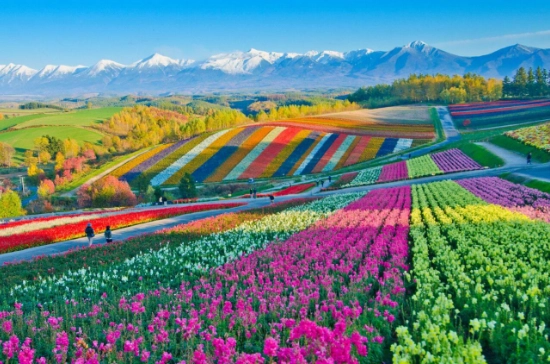
Practical Travel Tips for Hokkaido
These are the things most guides gloss over, but they'll make or break your trip.
Transport: The Hokkaido Rail Pass is worth it if you're moving between cities (¥25,000 for 7 days). But for rural areas like Furano, renting a car is better—public buses are sparse. I used Times Car Rental from Sapporo Station; booking online in English saved me 20%. In winter, snow tires are mandatory; don't skimp on insurance.
Money: Credit cards are accepted in cities, but rural spots and small eateries often take cash only. Withdraw yen at 7-Eleven ATMs—they have English interfaces. Budget around ¥10,000-¥15,000 per day per person excluding accommodation.
Language: English isn't widely spoken outside tourist hubs. Learn basic Japanese phrases or use translation apps. Google Maps works well for directions, but download offline maps for remote areas.
Seasonal Advice: Winter (Dec-Feb) is cold, with temperatures dropping to -10°C. Pack layers and waterproof boots. Summer (Jun-Aug) is mild but rainy; bring a light jacket. Shoulder seasons are my favorite—fewer tourists, cheaper flights. According to the Japan Meteorological Agency, September has the least rainfall in Sapporo.
Sustainable Travel: Hokkaido's nature is fragile. Stick to marked trails, avoid littering, and support local businesses. The Hokkaido Government promotes eco-tourism initiatives; check their website for responsible travel tips.


Comments