Here’s What You’ll Find
- First Things First: When to Go and What It'll Cost
- Crafting Your Tokyo Game Plan: Itineraries That Make Sense
- Getting Around Without Losing Your Mind: The Transport Lowdown
- Where to Lay Your Head: Tokyo's Accommodation Scene
- Eating in Tokyo: From Sushi Temples to 7-Eleven Feasts
- Navigating Culture & Practicalities
- Your Tokyo Travel FAQ (Stuff You Actually Want to Know)
Okay, let's be honest. The idea of traveling to Tokyo Japan can feel equal parts thrilling and completely overwhelming. You've seen the pictures—the scramble crossing, the sushi, the temples tucked between skyscrapers. But where do you even start? I remember my first time staring at a Tokyo subway map. It looked less like a transit guide and more like a bowl of colorful spaghetti someone dropped on the floor. I was convinced I'd spend my entire vacation lost.
But here's the good news: it's not as hard as it looks. In fact, Tokyo is one of the most traveler-friendly mega-cities on the planet, once you crack its code. This guide isn't going to just list attractions. We're going to talk about how to actually experience Tokyo without losing your mind or your budget. I've made the mistakes so you don't have to—like that time I tried to see everything in three days and ended up just tired and cranky.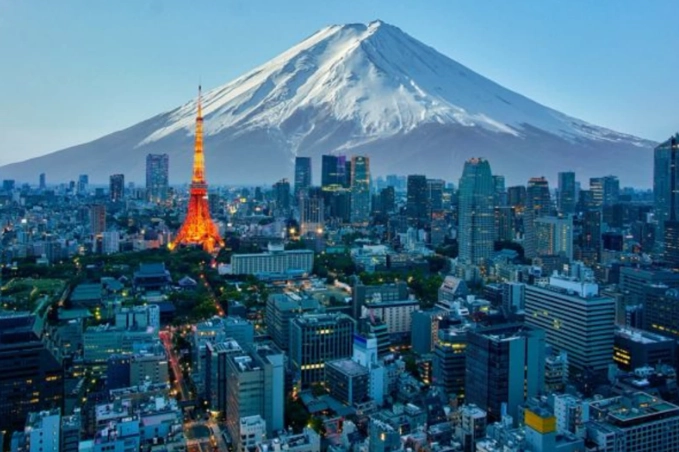
Whether it's your first trip or you're a returning visitor looking to dig deeper, this is the practical, no-BS companion you need. We'll tackle the big questions and the tiny details that actually matter when you're there.
First Things First: When to Go and What It'll Cost
Everyone asks about the "best" time. Honestly? There isn't one perfect answer—it depends on what you hate more: crowds, heat, or missing out.
Spring (March-May) is famous for cherry blossoms. It's also famous for being packed, expensive, and requiring hotel bookings about a year in advance. The weather is lovely, though. Autumn (October-November) is my personal favorite. The fall colors are stunning, the air is crisp, and the crowds are thinner than in spring. Summer (June-September) is hot and humid—like, really humid—with a rainy season in June/July. But it's festival season! Winter (December-February) is cold but sunny, with fewer tourists and great deals. You won't see snow in central Tokyo often.
Now, money. Let's talk numbers without sugarcoating. A trip to Tokyo Japan isn't the cheapest, but it doesn't have to break the bank.
- Budget Traveler: ¥8,000-¥12,000 per day. Think capsule hotels/hostels, convenience store meals (which are fantastic, by the way), lots of walking, and free temples/shrines.
- Mid-Range Traveler: ¥15,000-¥25,000 per day. This gets you a comfortable business hotel room, sitting down for a proper ramen or curry, using the subway freely, and paying entry for a few museums.
- Comfortable Traveler: ¥30,000+ per day. Boutique hotels, nice sushi meals, taxis when your feet give up, and shopping without constantly checking the exchange rate.
Your biggest fixed costs are the flight and accommodation. Everything else is surprisingly flexible. A bowl of incredible ramen can cost less than $10. A train ride across the city is about $2. You can have a world-class food experience at a department store basement food hall (depachika) for a fraction of a restaurant price.
Crafting Your Tokyo Game Plan: Itineraries That Make Sense
Don't try to see "all of Tokyo." It's impossible and a recipe for burnout. Tokyo is a collection of distinct neighborhoods, each with its own vibe. Pick a few that match your interests and explore them deeply.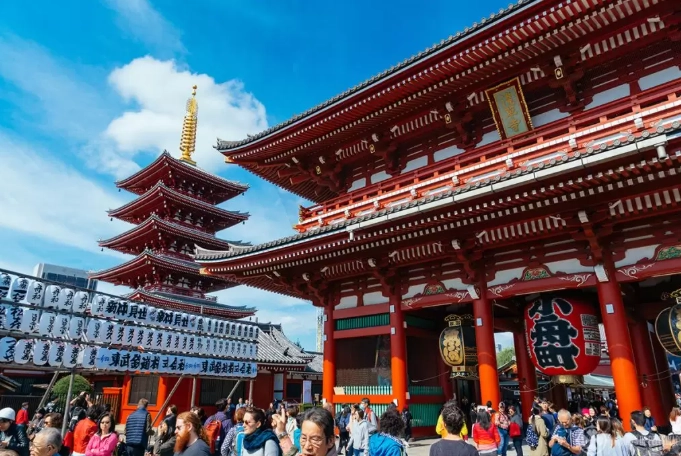
If You Have 3 Days (The Highlights Blitz)
Day 1: Dive into the old and new. Start in Asakusa at Senso-ji Temple. Feel the old Edo atmosphere. Then, hop on a river cruise (or the Ginza Line) to Hamarikyu Gardens, a stunning traditional garden with a tea house. Walk across the bridge into the hyper-modern Shiodome and Ginza area for high-end window shopping. Evening in Shinjuku—see the Metropolitan Government Building's free observatory for sunset views, then get lost in the neon-lit alleys of Omoide Yokocho for yakitori.
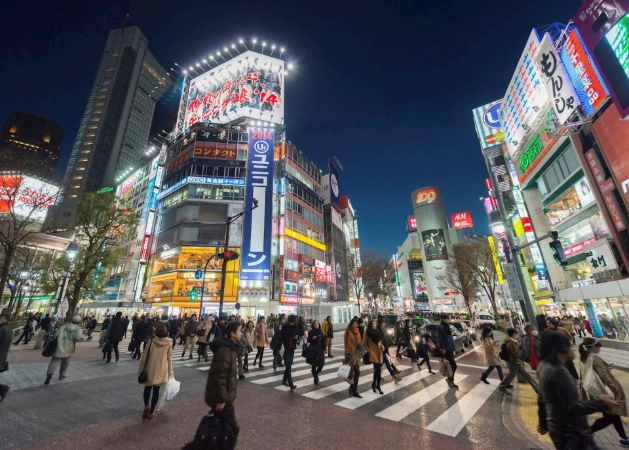
Day 2: Pop culture and shopping. Shibuya in the morning for the scramble crossing and Hachiko statue. Then walk to Harajuku. Skip the overcrowded Takeshita Street on a weekend if crowds freak you out—it's a claustrophobic nightmare. Instead, explore the side streets and beautiful Meiji Jingu shrine right next door. Afternoon in Shibuya or Shinjuku for shopping.
Day 3: Pick your passion. Option A: Akihabara for anime, electronics, and arcades. Option B: Ueno for museums (like the Tokyo National Museum) and a stroll in Ueno Park. Option C: A day trip to nearby Kamakura for the Great Buddha and temple hikes. It's a nice break from the city bustle.
If You Have 5-7 Days (The Deeper Dive)
You can breathe now. Do the 3-day highlights, but slower. Then add:
- Tsukiji Outer Market: Go hungry. It's touristy but still amazing for fresh seafood snacks. The inner wholesale market moved, but the outer market remains a foodie paradise.
- teamLab Planets or Borderless: An immersive digital art experience. Book tickets well in advance. It's worth the hype.
- A day in Yokohama: Just 30 minutes away. See the futuristic Minato Mirai area, the nostalgic Cup Noodles Museum, and Chinatown.
- Explore a quirky neighborhood: Like Kichijoji (voted Tokyo's most desirable place to live, with great parks and vintage shops) or Daikanyama (Tokyo's laid-back, stylish "Brooklyn").
The key is to cluster activities by area. Tokyo is huge, and crossing from one side to the other can eat up an hour. Check the Tokyo Metropolitan Government's site for event calendars and neighborhood guides to see what's on.
Planning a trip to Tokyo Japan is like eating a giant bowl of ramen. Don't just slurp it down frantically. Savor each component—the neighborhood, the meal, the random encounter—one at a time.
Getting Around Without Losing Your Mind: The Transport Lowdown
This is the part that scares people the most. Let's demystify it.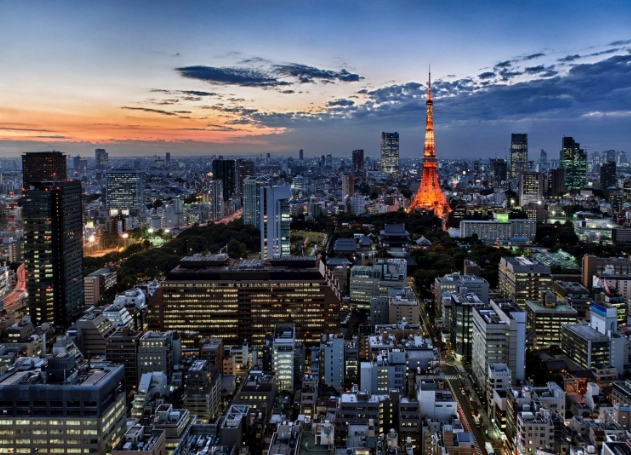
Step 1: Get an IC Card. Immediately upon arrival at Narita or Haneda Airport. Buy a Suica or Pasmo card from a ticket machine. Charge it with maybe ¥3000 to start. This little card is your magic key. You tap it to ride almost all trains, subways, and buses in Tokyo (and most major cities). You can also use it at convenience stores, vending machines, and many shops. It saves you from buying a ticket for every single ride.
Step 2: Understand the Train Systems. There are two main players: the Tokyo Metro (9 color-coded lines) and the Toei Subway (4 lines). They cover central Tokyo densely. Then there's the JR East network, which includes the vital JR Yamanote Line (the green loop line that circles central Tokyo, hitting major hubs like Tokyo, Shinagawa, Shibuya, Shinjuku, Ikebukuro, and Ueno).
Your IC card works on all of them. Google Maps or Apple Maps are your best friends here—they tell you exactly which line to take, the platform, the time, and the cost. They're freakishly accurate.
Step 3: Consider a Pass (Maybe). The Tokyo Metro 24/48/72-hour Ticket can be a great deal if you plan to subway-hop non-stop. But if your itinerary mixes JR trains (like the Yamanote Line) and walking, the IC card pay-as-you-go might be simpler and cheaper. Do the math for your specific plan.
Taxis are clean and safe but expensive for long distances. Great for a short hop with luggage or a group of 3-4 late at night.
Where to Lay Your Head: Tokyo's Accommodation Scene
Location is everything. Staying near a Yamanote Line station is the golden rule for first-timers. It connects you to everything.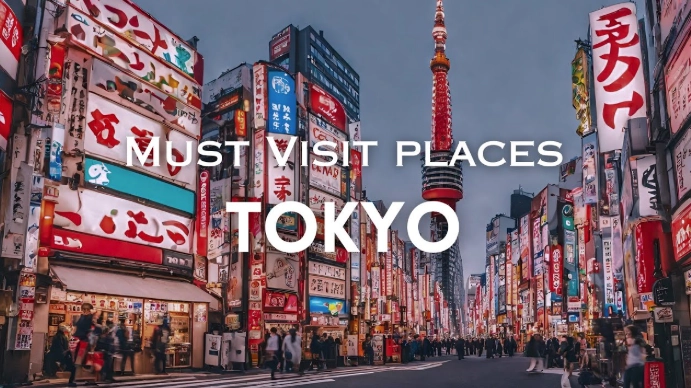
| Area | Vibe | Best For | Consideration |
|---|---|---|---|
| Shinjuku | Energetic, neon-drenched, major transport hub. | Nightlife, convenience, first-timers who want to be in the center of it all. | Can feel chaotic and impersonal. The east side (Kabukicho) is very lively at night. |
| Shibuya | Youthful, trendy, shopping and fashion central. | Shoppers, people-watchers, those who want to feel the city's pulse. | Constantly crowded, especially on weekends. Hotels can be pricey. |
| Ginza/Tokyo Station | Upscale, polished, business-like. | Luxury shopping, fine dining, easy Shinkansen access. | Can feel quiet and expensive at night. Less "local" neighborhood feel. |
| Asakusa | Traditional, old-world charm, more relaxed. | Budget travelers, culture seekers, a different side of Tokyo. | Further from the western hubs like Shibuya/Shinjuku (30-40 min by train). |
| Ueno | Down-to-earth, great park and museums, excellent market. | Families, museum lovers, budget-friendly options. | Not as glamorous, feels more like a practical residential hub. |
My personal preference? I love staying in Shinagawa or Hamamatsucho. They're on the Yamanote Line, a bit quieter than Shinjuku, have great hotel options, and Shinagawa is a major Shinkansen terminal if you're heading to Kyoto later. It feels efficient without the sensory overload.
Room sizes are famously small. A "double" bed might be what Americans call a full. If you need space, look for newer business hotels or Western chains. And book early—good places sell out, especially during peak seasons.
Eating in Tokyo: From Sushi Temples to 7-Eleven Feasts
Food is a core reason to travel to Tokyo Japan. The quality is insane, even at the lowest price points.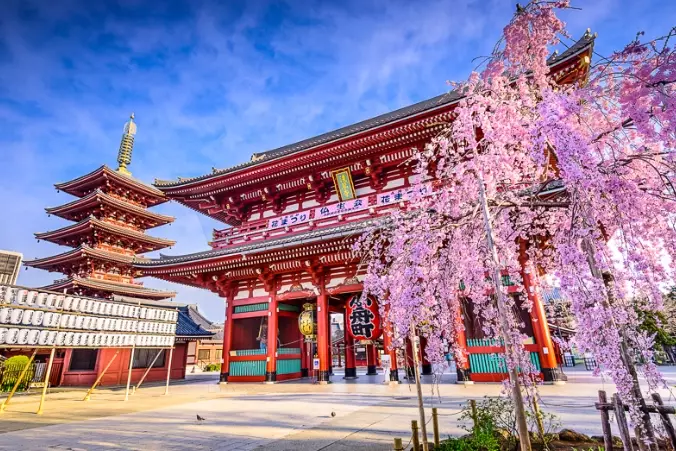
How to Find Good Food: Look for lines of locals. If a tiny ramen shop has a queue outside, it's probably great. Don't be intimidated by ticket machines at ramen shops—they usually have pictures. Point, insert money, get a ticket, hand it to the chef. Use Google Translate's camera function for menus. It's a game-changer.
Must-Try Experiences:
- Ramen: Not just soup, it's a religion. Try different styles: shoyu (soy sauce), shio (salt), miso, or tonkotsu (pork bone). Ichiran is a famous chain for solo dining booths, but explore local shops.
- Sushi: For a mind-blowing (and wallet-blowing) experience, aim for a Michelin-starred spot like Sushi Saito (near impossible to book) or Sawada. For an amazing mid-range option, try a reputable conveyor belt (kaiten-zushi) like Sushi Zanmai or Genki Sushi. The quality is still fantastic.
- Yakitori: Skewers of grilled chicken, every part imaginable, in a smoky, tiny bar. Omoide Yokocho in Shinjuku or any non-touristy alleyway.
- Convenience Store (Konbini): Seriously. 7-Eleven, FamilyMart, Lawson. Their egg salad sandwiches, onigiri (rice balls), fried chicken, and pastries are legendary. A perfect, cheap breakfast or snack.
Navigating Culture & Practicalities
A little effort goes a long way.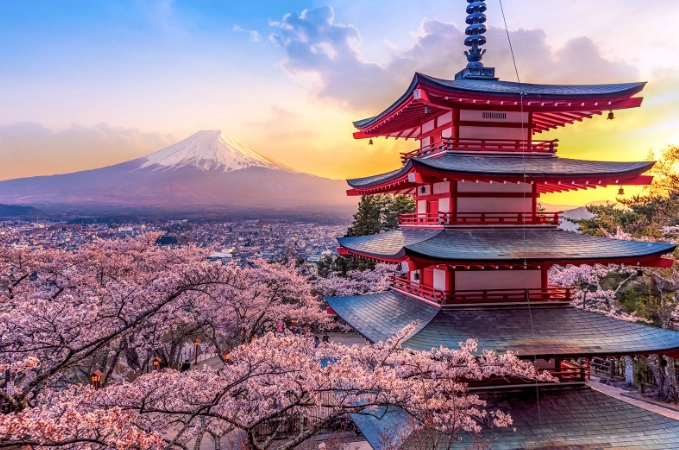
Money: Japan is still largely a cash society, though credit cards are accepted in most hotels, department stores, and larger restaurants. Smaller restaurants, temples, and markets often only take cash. Withdraw yen from 7-Eleven ATMs (they have great rates and English menus). Always carry cash.
Language: You don't need to speak Japanese, but learn a few phrases. "Sumimasen" (excuse me/sorry) is the most useful word in the language. "Arigatou gozaimasu" (thank you). "Kore o kudasai" (this one, please). People appreciate the effort immensely. Most signage in transit hubs is in English.
Manners: Don't eat while walking. It's considered messy. Don't talk loudly on trains. Stand on the left side of escalators (in Tokyo; it's the right side in Osaka!). Always line up neatly for trains, buses, anything. When paying, use the little tray at the cash register, don't hand money directly.
Connectivity: Rent a pocket WiFi device or buy a Japanese SIM card/eSIM for your phone upon arrival. Having constant data for maps and translation is non-negotiable for a smooth trip.
Your Tokyo Travel FAQ (Stuff You Actually Want to Know)
Let's tackle those nagging questions.
One last thing. When you travel to Tokyo Japan, you might experience a little "template shock"—the sheer orderliness, the quiet efficiency, the lack of litter. It can feel almost surreal. But then you'll turn a corner into a tiny bar, or see a gardener meticulously tending to a single bonsai tree on a balcony, and you'll get it. It's a city of profound contrasts, where ancient ritual and hyper-speed futurism don't just coexist; they depend on each other.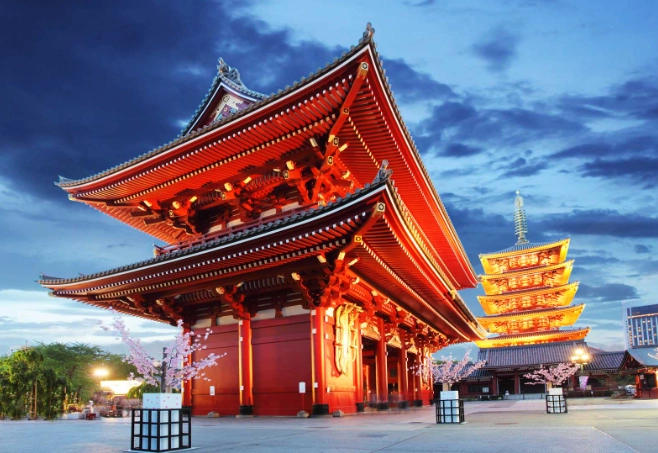
Don't just chase Instagram spots. Sit in a park and watch people. Get lost in a department store basement. Have a coffee in a smoky kissaten (old-school coffee shop). Let the city reveal itself to you in pieces.
Your adventure is waiting. Now you're ready for it.

Comments