Let's be honest. The thought of applying for a Japan visa can feel overwhelming. A pile of forms, confusing requirements, and the fear of making a tiny mistake that gets your application rejected. I've been there. I've also helped dozens of friends navigate the process, and I've seen where most people stumble. This guide isn't just a rehash of the official checklist. It's a deep dive into the Japan visa application process, designed to give you the clarity and confidence to submit a successful application on your first try.
We'll move beyond the basics. We'll talk about the unspoken rules, the documents that need extra attention, and how to present your case in a way that makes sense to the consular officer. Whether you're planning a dream vacation, visiting family, or going for business, the core steps are similar. The devil is in the details.
Your Quick Japan Visa Guide
How to Determine Your Japan Visa Type
This is where many people mess up from the start. You can't just apply for a "Japan visa." You need a specific one. The Japan tourist visa requirements are different from a business or transit visa.
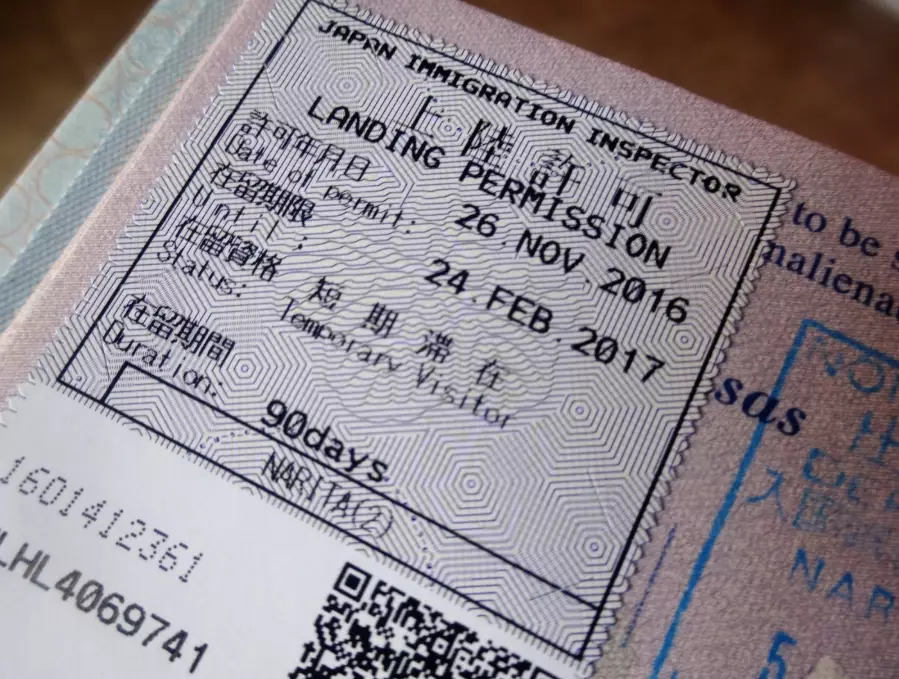
The most common for travelers is the Temporary Visitor Visa. This covers tourism, visiting friends or relatives, and even some short-term business meetings (if you're not getting paid from a Japanese source). It's typically valid for a short stay, like 15 or 30 days, but can be issued for up to 90 days. A single-entry visa is standard, but multiple-entry visas are possible if you can show a strong travel history and financial standing.
Key Documents That Define Your Trip's Purpose
Your stated purpose needs to be backed up by paperwork. For tourism, it's your day-by-day itinerary and flight bookings. For visiting friends/family, you'll need an invitation letter and your host's documents. For business, a letter from your company and the inviting Japanese company are crucial. Mixing these up is a fast track to rejection.
Gathering Your Core Application Documents
Every embassy's list varies slightly, but the skeleton is the same. Missing one item, or having one filled out incorrectly, can pause your entire application. Here’s the universal checklist, with notes on the tricky parts.
- Visa Application Form: Download the latest version from your specific embassy's site. Print it single-sided. Use black ink and write in block capitals. Every field must be filled—write "N/A" for not applicable. The biggest mistake? Signing in the wrong box. There's usually a specific box for your signature at the end, separate from the printed name.
- Passport: Must be valid for the entire duration of your stay in Japan and have at least two completely blank visa pages. Not just blank for stamps, but blank pages marked "Visas."
- Photo: One 45mm x 45mm (2in x 2in) photo taken within the last 6 months. White background, no shadows, neutral expression. This seems simple, but I've seen more applications delayed for photo issues than almost anything else. No glasses, no headwear (unless for religious reasons). Get it done professionally.
- Proof of Financial Means: This is the heart of your application. They need to believe you can afford the trip. Bank statements (usually 3-6 months) are key. The balance should be healthy and show consistent activity, not just a large, sudden deposit. Some consulates want a minimum balance (e.g., $3,000-$5,000 per person), but it's not officially stated. It's about the story your statements tell. Also include income tax returns and employment letters showing your salary.
- Detailed Itinerary: This isn't "Tokyo for 5 days." It's a table with Date, City/Area, Accommodation Details, and Activities/Places to Visit. Be specific. "Day 3: Morning: Senso-ji Temple, Asakusa. Afternoon: Tokyo Skytree. Evening: Dinner in Shinjuku. Hotel: ABC Hotel Tokyo." It shows you've done your homework.
- Flight Reservation & Hotel Confirmations: You don't always need paid tickets. A reservation hold from an airline or travel agent is often enough. Hotel bookings should cover your entire stay. Use refundable options if you're unsure.
| Document | Key Details & Why They Matter | Common Pitfall |
|---|---|---|
| Bank Statements | Shows financial stability and ability to fund the trip. Consistent income deposits are more convincing than one lump sum. | A single large deposit right before applying looks like borrowed money and raises red flags. |
| Daily Itinerary | Proves you have a real, planned trip. Vague itineraries suggest you might overstay or work illegally. | Listing unrealistic distances (e.g., Kyoto in morning, Hiroshima in afternoon) shows a fabricated plan. |
| Employment Letter | Confirms your job, position, salary, and approved leave. It's a strong tie to your home country. | Not including the company's contact information (address, phone) for verification. |
| Visa Application Form | The primary record of your request. Inconsistencies with other documents are a major problem. | Leaving fields blank instead of writing "N/A," or having mismatching dates with your itinerary. |
The Submission Process: Embassy, Agency, or VFS?
You can't just mail your application to Japan. You must submit it to the Japanese diplomatic mission (embassy or consulate) that has jurisdiction over your place of residence. Some handle applications directly. Many, especially in countries with high applicant volumes, outsource the collection and initial screening to authorized visa agencies like VFS Global or BLS International.
Find this information on the embassy website. It will tell you if you must go through an agency. If you do, you'll book an appointment on their website, pay their service fee on top of the Japan visa application fee, and submit your documents there. They check for completeness, then forward everything to the consulate.
Fees, Processing Time, and the Waiting Game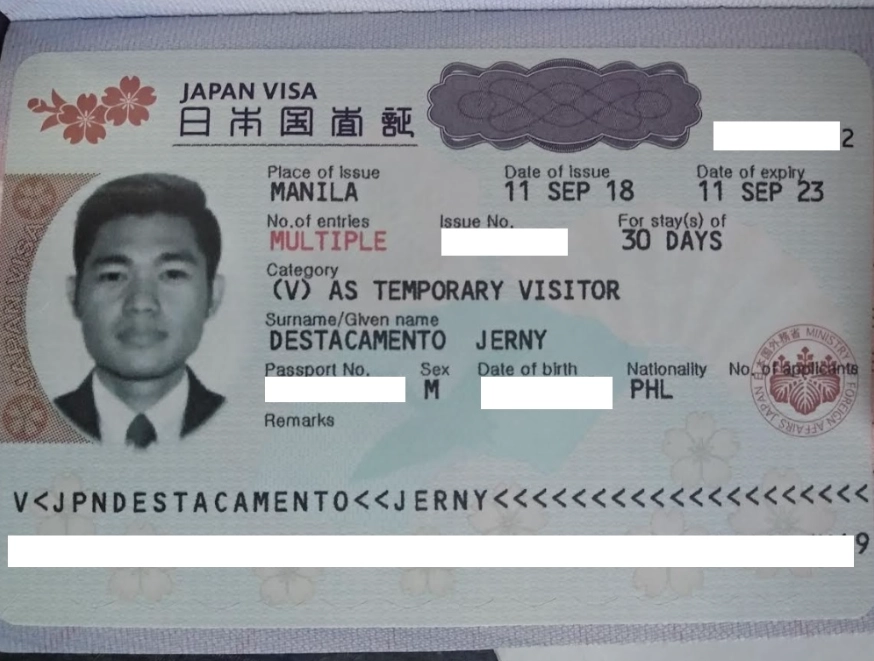
The visa fee itself is relatively low and depends on your nationality and visa type. For a single-entry tourist visa, it's often around $20-$50 USD. The service fee from an external agency can add another $20-$40. Payment is usually in local currency upon submission.
Standard processing is 5 to 7 working days. During peak seasons (spring for cherry blossoms, autumn), it can stretch to 10-14 days. Never book non-refundable flights until you have the visa in your passport. Some embassies offer expedited processing for an extra fee if you have a genuine emergency.
Expert Tips to Smooth Out the Process
After seeing countless applications, here are the subtle points most guides miss.
Your Itinerary is a Story, Not a List. It should make geographic and logical sense. Don't plan to hop from Tokyo to Kyoto and back to Tokyo in two days. It screams "fake trip." Use Google Maps to check travel times between activities. A coherent, relaxed itinerary looks more legitimate than a frantic, packed one.
Bank Statements Tell a Story Too. A steady salary deposit every two weeks is gold. If you're self-employed or a freelancer, your statements need to show regular client payments. If your main account is low, but you have savings, you might need a letter explaining you'll transfer funds, or include both statements. Transparency is key.
The Invitation Letter (if applicable) Needs Specifics. A vague "come visit me" letter won't cut it. It should include the host's full details, their relationship to you, the purpose and duration of your visit, a promise to cover your expenses (if they are), and their address where you'll stay. It must be signed and often needs to be accompanied by the host's residence certificate and proof of income.
Previous Travel History is a Silent Advantage. If you have visas from other developed countries (US, UK, Schengen, Canada, Australia) in your passport, it significantly boosts your credibility. It shows you've been vetted before and respected the immigration rules. Include copies of these old visas if you can.
Your Japan Visa Questions, Answered
 Is there a magic number for how much money I need in my bank account?
Applying for a Japan visa is a test of patience and attention to detail. It's not inherently difficult, but it is precise. Start early, read your specific consulate's instructions like a detective novel, and double-check every document. When in doubt, provide more evidence, not less. The goal is to remove all doubt from the consular officer's mind that you are a genuine visitor who will abide by the rules and leave when you're supposed to.
Once that visa sticker is in your passport, all this paperwork stress fades away, replaced by the excitement of planning your actual adventure in Japan. It's worth the effort.





Comments