Quick Navigation
- Stop Asking "How Many Days" – Start Asking "What Kind of Traveler Am I?"
- The Breakdown: How Many Days in Kyoto For Every Type of Trip
- Crafting Your Itinerary: A Day-by-Day Look
- The Factors You're Not Considering (But Should)
- FAQs: Your "How Many Days in Kyoto" Questions, Answered
- The Final Verdict: How Many Days in Kyoto?
Let's be honest right from the start. You're searching for "how many days in Kyoto" because you're trying to fit this magical city into a bigger Japan trip, and you're worried about missing out. I get it. I made the same mistake on my first visit. I gave it three days, thinking that was generous. Big mistake. I spent the entire time rushing from Fushimi Inari to Kinkaku-ji, feeling like I was on a cultural conveyor belt, not actually soaking anything in. The real question isn't just about a number of days; it's about what kind of experience you want to have. Do you want a highlights reel, or do you want to feel the city's heartbeat?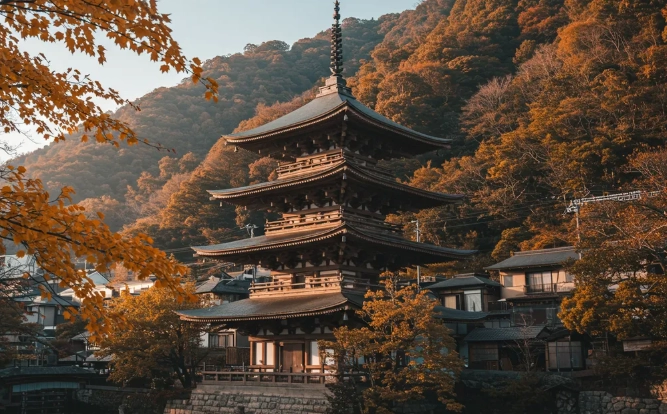
So, let's cut through the generic advice. The short, unsatisfying answer is: it depends. But you didn't come here for that. You came for a real guide that looks at your time, your interests, and your pace. We'll break it down from a frantic 2-day sprint to a luxurious 10-day deep dive, and I'll even throw in some sample itineraries that actually work, not just a list of temples.
The Core Truth: Most seasoned travelers and locals will tell you that how many days in Kyoto you need starts at a bare minimum of three full days. Anything less, and you're doing yourself and the city a disservice. But to answer the question properly, we need to look at you.
Stop Asking "How Many Days" – Start Asking "What Kind of Traveler Am I?"
Before we jump into numbers, take a quick mental quiz. It'll save you a lot of time.
- Are you the type who needs to see every "Top 10" site, even if it means being exhausted?
- Do you get more joy from stumbling upon a quiet backstreet shrine than waiting in line for a famous one?
- Is food a major part of your travel joy?
- Do you want to take day trips to places like Nara or Arashiyama (which, by the way, deserves more than a few hours)?
- Do you travel fast or slow?
Your answers change everything.
For example, if you're a fast-paced, checklist traveler, you might cover more ground in 3 days than a slow traveler does in 5. But you'll also miss the subtle magic—the way the light filters through a bamboo grove in the late afternoon when the crowds have thinned, or the taste of a freshly made yatsuhashi from a shop not mentioned in any guidebook. Deciding how many days to spend in Kyoto is a balance between FOMO (fear of missing out) and JOMO (joy of missing out).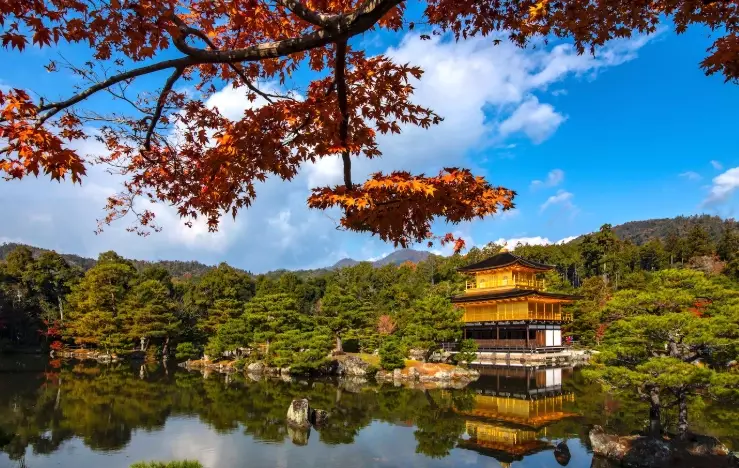
My personal turning point was on my third trip. I had a whole week. One morning, instead of rushing out, I sat in a café near my machiya (traditional townhouse) stay for two hours, just watching the neighborhood come to life. An old lady swept her doorstep, a deliveryman bowed to a client, the smell of miso soup drifted from a window. That felt more like "seeing Kyoto" than any crowded temple courtyard. Just something to think about.
The Breakdown: How Many Days in Kyoto For Every Type of Trip
Alright, let's get to the numbers. Here’s a no-nonsense table that matches trip length with what you can realistically expect to do and feel.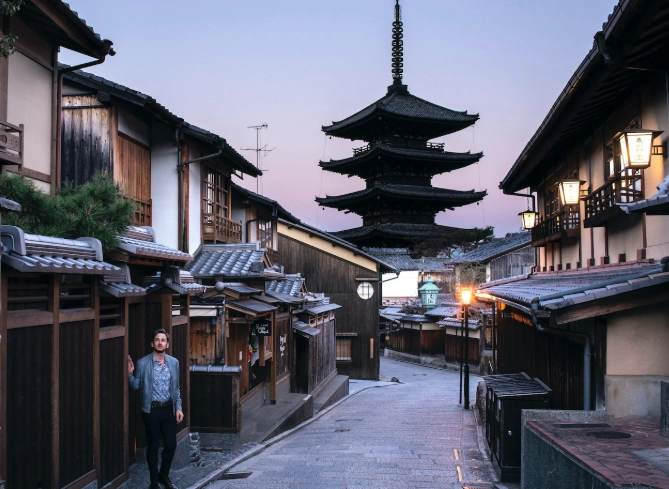
| Trip Length | What You Can Realistically Do | Best For... | The Vibe You'll Get |
|---|---|---|---|
| 2 Days | A frantic highlights tour. Think Fushimi Inari (go early!), Kiyomizu-dera, Gion district at night, and maybe Kinkaku-ji (the Golden Pavilion). You'll be constantly on the move. | Travelers on a super tight schedule, maybe as a weekend add-on from Tokyo via Shinkansen. Not ideal for first-timers wanting a true feel. | Rushed, superficial. You'll see postcard spots but not feel the city. |
| 3 Days | The absolute minimum for a first visit. You can cover the major districts: Southern Higashiyama (Kiyomizu, Sannenzaka), Arashiyama (bamboo grove, Tenryu-ji), and Central Kyoto (Nijo Castle, Nishiki Market). | First-timers who want a taste but are limited on time. It's the baseline for how many days in Kyoto is feasible. | Busy but satisfying. You'll hit the big names but likely have to make tough cuts. |
| 4-5 Days | The Sweet Spot for most people. This allows you to explore at a humane pace, add in a half-day trip to Nara, delve deeper into Gion and Pontocho, visit Fushimi Inari at a less insane hour, and maybe even have a relaxed afternoon in a café or garden. | The majority of travelers. It balances sightseeing with digestion time. You can start to go beyond the obvious. | Comprehensive and enjoyable. You leave feeling like you "did" Kyoto without being wrecked. |
| 6-7 Days | Deep immersion territory. Now you can add day trips to Uji (for tea and the incredible Byodo-in), Kurama/Kibune (for hiking and onsen), or spend a full day in Arashiyama. You can revisit favorite spots, take a cooking class, or participate in a tea ceremony. | Culture enthusiasts, photographers, repeat visitors, or those who truly want to slow down. This is where you answer "how many days in Kyoto are enough" with confidence. | Relaxed and rich. You experience rhythms, not just sights. You have time to get lost. |
| 8-10+ Days | Living like a local. You can explore northern Kyoto more thoroughly (like the Ohara area), take multiple day trips, focus on specific interests (Buddhist art, textiles, pottery), or simply have days with no agenda at all. You can see the seasons change if you're there long enough. | The truly dedicated, those on a long-term Japan trip, or people using Kyoto as a peaceful base. Artists, writers, and anyone seeking a retreat. | Transformative. Kyoto becomes a temporary home, not a destination. |
See the jump between 3 and 4 days? That extra day isn't just about adding another temple. It's about pressure dropping. It's about not having to choose between Nijo Castle and Ryoan-ji because you can do both. When planning how many days to spend in Kyoto, always try to steal that one extra day if you can. It changes the math from addition to multiplication in terms of enjoyment.
Crafting Your Itinerary: A Day-by-Day Look
Let's get practical. What do you actually do with those days? Here are skeleton frameworks. Plug in your own interests.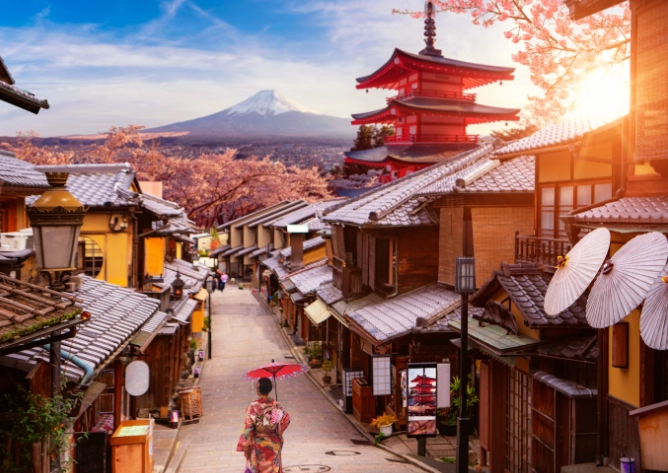
The 3-Day Kyoto Express (The "I Have No Choice" Plan)
This is high-efficiency, low-relaxation. You'll need good shoes and an early start every day.
- Day 1: Eastern Kyoto Intensity. Start at Kiyomizu-dera the second it opens. Work your way down through Sannenzaka and Ninenzaka (the preserved streets), onwards to Yasaka Pagoda, Maruyama Park, and end at Gion in the evening. Try to spot a geisha (from a respectful distance, please).
- Day 2: Arashiyama & The Golden Icon. Get to the Arashiyama Bamboo Grove by 7:30 AM to avoid the human tsunami. Explore Tenryu-ji temple and its garden. In the afternoon, head across town to Kinkaku-ji (it's always crowded, just accept it). If energy remains, visit nearby Ryoan-ji for its zen rock garden.
- Day 3: Fushimi & The Market. Another early start for Fushimi Inari Taisha. Hike at least to the halfway point for quieter trails. Return to central Kyoto for Nishiki Market for lunch. Spend your final afternoon at Nijo Castle to see the shogun's palace and its famous "nightingale floors."
Honest Warning: This 3-day plan is brutal. You will be tired. You will be navigating public transport at peak times. But if three days is all you have, this is how you maximize them. It directly tackles the question of how many days in Kyoto you need to see the essentials—and three is the hard minimum.
The 5-Day Kyoto Bliss (The Recommended Baseline)
This is the itinerary I wish I had on my first trip. It has breathing room.
- Day 1: Southern Higashiyama Deep Dive. Kiyomizu-dera, the historic lanes, Kodai-ji, Yasaka Shrine. But you're not rushing. You can stop for matcha and a sweet. Evening in Gion.
- Day 2: Arashiyama, Properly. Bamboo Grove early, then Tenryu-ji. Instead of rushing off, have lunch in the area, then walk along the Katsura River, maybe visit Okochi Sanso Villa. The atmosphere here after the day-trippers leave is completely different.
- Day 3: Day Trip to Nara. A 45-minute train ride away. See Todai-ji (with the giant Buddha), feed the (sometimes pushy) deer in Nara Park, visit Kasuga Taisha. It's a fantastic contrast to Kyoto.
- Day 4: Northern Kyoto & Gold. Start at Kinkaku-ji, then visit Ryoan-ji. Head to the Kyoto Imperial Palace (requires online booking in advance through the Imperial Household Agency website). Afternoon at the Kyoto National Museum if you like history/art, or shopping in the Shijo-Kawaramachi area.
- Day 5: Fushimi Inari & Farewells. Hike Fushimi Inari at your own pace, maybe going all the way to the summit. Return for last-minute shopping at Nishiki Market or Teramachi Street. Final dinner in Pontocho Alley.
Feel the difference? That extra day (the Nara day trip) isn't even in Kyoto, but it vastly enriches the experience. It shows that part of deciding how many days to spend in Kyoto is about giving yourself geographic flexibility.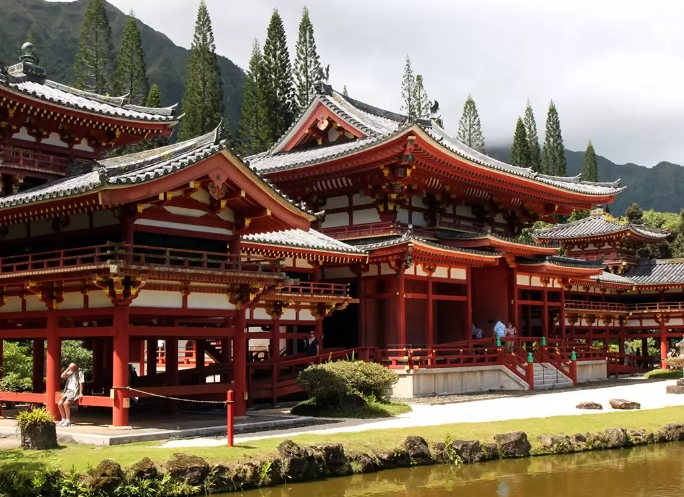
The Factors You're Not Considering (But Should)
It's not just about temples per day. These things drastically alter your needed time.
Season & Crowds
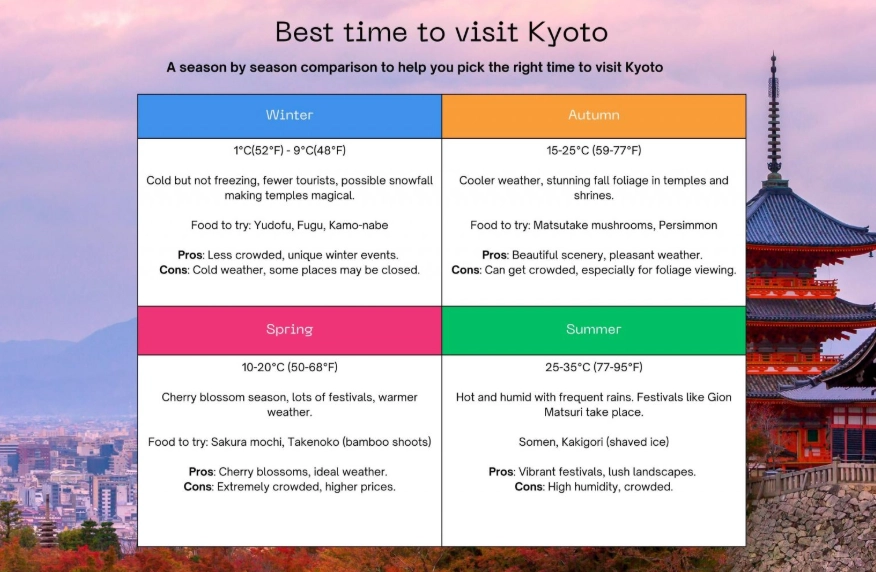
Visiting in peak cherry blossom (late March-early April) or autumn foliage (November) season? Everything takes longer. Lines are longer, trains are packed, and the best photo spots have queues. In these seasons, add at least one extra buffer day to any itinerary. Conversely, a hot summer or cold winter visit might be less crowded, letting you move faster.
Where You Stay
Staying near Kyoto Station is great for arrivals/departures but means more time on buses/subways to reach eastern districts. Staying in Gion or Southern Higashiyama puts you in the heart of the historic action but can be pricier and noisier at night. Factor in transit time from your hotel to your first sight each day.
Your Travel Style
Do you research every bus route, or are you happy to wander and get a little lost? I'm a wanderer, and I budget extra time for unexpected discoveries—a tiny shrine, a perfect coffee shop, a fabric store. If you're a meticulous planner, you might be more efficient with time.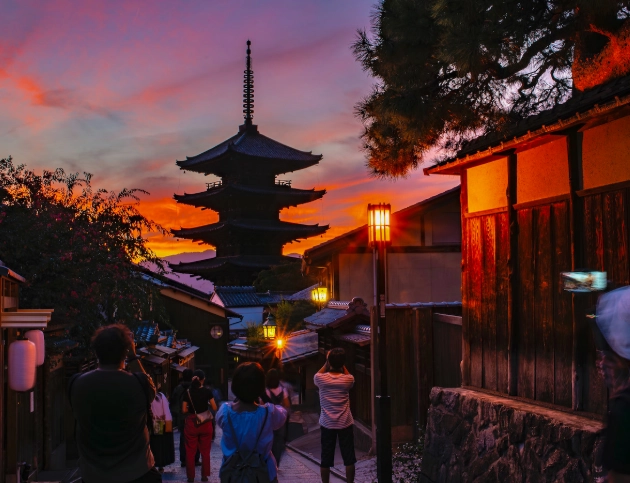
Local Tip: The Official Kyoto City Website is a dry but incredibly useful resource for official hours, festival dates, and transport maps. For a more visitor-friendly guide, the Japan National Tourism Organization (JNTO) page on Kyoto is excellent. Always cross-check opening times, especially post-pandemic.
FAQs: Your "How Many Days in Kyoto" Questions, Answered
Let's tackle the specific questions swirling in your head.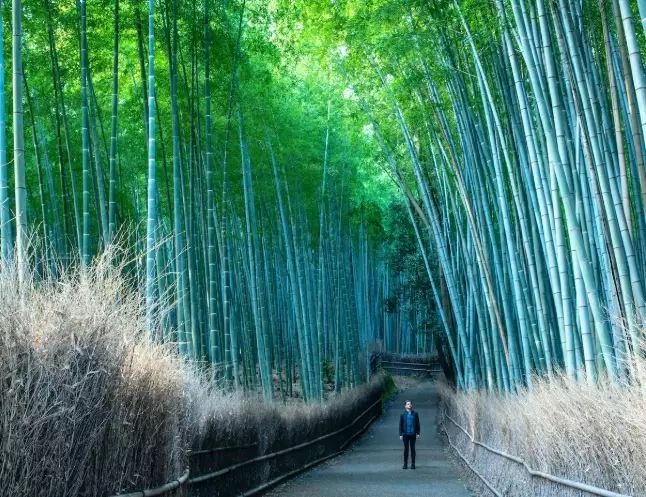
The Final Verdict: How Many Days in Kyoto?
After all this, my blunt, personal recommendation:
- For a first-time visitor who wants a balanced, fulfilling experience without feeling cheated or crushed: Plan for 4 full days as a minimum target. Five is even better.
- If you are a slow traveler, love culture and history, or want to include meaningful day trips: Aim for 6 to 7 days.
- If you're trying to fit it into a whirlwind 10-day Japan trip (Tokyo, Kyoto, Hiroshima, etc.): Protect at least 3 full days as an absolute non-negotiable. Fight for a fourth.
The magic of Kyoto reveals itself in the margins—in the quiet moments between the big sights. The question of how many days in Kyoto is enough is answered by how many of those margins you can create for yourself. Give yourself the gift of time here. You won't regret it. What you might regret is spending your entire visit looking at your watch and a map, calculating the fastest route to the next spot, instead of looking up and just being there.
So, what's your number going to be?



Comments