Your Tochigi Adventure Map
Let's be honest, when you think of Japan, Tokyo, Kyoto, and Osaka probably jump to mind first. Maybe even Hakone for the onsens. But Tochigi? Its capital, Utsunomiya? For a lot of travelers, it's a blank spot on the map, a name you might see flash by on the Shinkansen line to the north. I was the same. I'd breezed past it for years, literally, until a delayed train forced an unplanned stop. What I found wasn't just a transit hub, but a city with a stubborn, charming identity all its own. It's the Tochigi capital, sure, but it's also Japan's unofficial gyoza capital, a city of resilient history, and a gateway to some of the country's most stunning natural and cultural sites that most international tourists completely miss.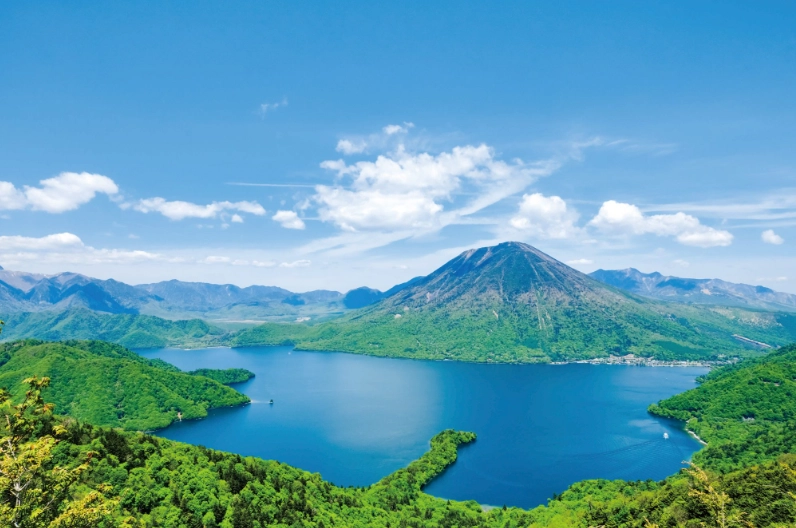
This isn't a generic listicle. This is the guide I wish I'd had before that fateful stop. We're going deep on what makes Utsunomiya, as the heart of Tochigi prefecture, tick. From its surprisingly pivotal role in Japanese history to the very serious business of its dumpling culture, and all the practical stuff in between.
Why Is Utsunomiya the Tochigi Capital Anyway?
It's a fair question. Japan's prefectural capitals aren't always the biggest or most famous cities. In Tochigi's case, the story of Utsunomiya's ascendancy is a classic tale of location, location, and a bit of historical drama.
Back in the day, during the feudal era, the area around modern-day Tochigi was powerful. The city of Nikko, with its breathtaking Toshogu Shrine, was a massive spiritual center. But when the Meiji government reorganized Japan into prefectures in the late 1800s, they needed an administrative center that was more connected. Utsunomiya, sitting on crucial north-south transportation routes (even back then!), was the practical choice. It was a strategic castle town, a hub. Making it the capital of Tochigi was about governance and logistics, not just prestige. The official seat of the Tochigi Prefectural Government (Tochigi Prefecture's official website) is firmly planted here, overseeing everything from infrastructure to tourism for the whole region.
So while Nikko gets the glory (and the UNESCO World Heritage status), Utsunomiya does the day-to-day work of running the prefecture. It gives the city a different, more grounded vibe.
The Layers of History in the Tochigi Capital
Utsunomiya's history isn't just a footnote; it's etched into the city's landscape, if you know where to look.
- The Ancient Roots: Evidence suggests people have lived here for millennia. The Utsunomiya Futarayama Shrine, the city's spiritual heart, is said to have been founded over 1,600 years ago. That's older than a lot of famous Kyoto temples.
- Feudal Power Center: For centuries, Utsunomiya was a key castle town. The Utsunomiya Castle ruins, though just remnants now, tell a story of samurai clans, battles for control, and its role as a checkpoint on the Oshu Kaido highway. Walking around the park, you can feel the strategic importance.
- The Modern Crucible: This is the part that often gets overlooked. Utsunomiya was bombed extensively during World War II. I mean, nearly flattened. The city you see today is almost entirely a post-war reconstruction. That fact alone colors everything. There's a resilience here, a lack of pretension. They rebuilt their home, and later, they built their identity around… dumplings. I find that incredibly human.
For a deeper dive into the city's historical narrative, the Utsunomiya City official website has detailed archives and cultural pages.
The Heartbeat of Utsunomiya: Culture and the Infamous Gyoza
You cannot talk about Utsunomiya without talking about gyoza. It's not just a food; it's a civic obsession, a point of pride, and a surprisingly accurate lens through which to view the city's character.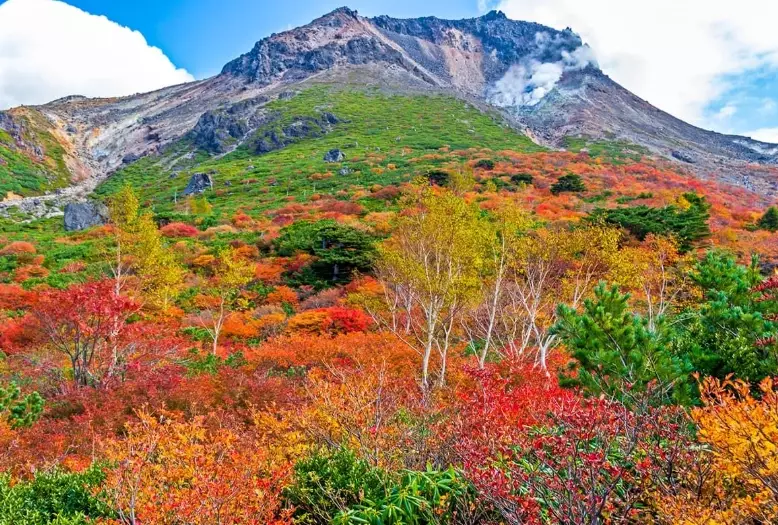
The story goes that after the war, returning soldiers from China brought back recipes and cravings for dumplings. In a resource-scarce time, gyoza—filled with affordable veggies and a little meat—became a staple. It evolved. Utsunomiya developed its own style: smaller, crispier, with a thinner skin and a garlic-forward filling, designed to be eaten in large numbers (we're talking 15-20 per person as a standard order). The city officially brands itself as "Gyoza no Miyako" (The Gyoza Capital), and they back it up with statistics like annual consumption and a dedicated "Gyoza-dori" (Gyoza Street) with dozens of specialist shops.
But to reduce Utsunomiya to just gyoza is a mistake. As the Tochigi capital, it's a cultural hub.
- Futarayama Shrine: The city's foundational site. The approach up the stone steps through a tunnel of trees is atmospheric, especially in the early morning or late afternoon.
- Utsunomiya Museum of Art: A sleek, modern building showcasing both Japanese and international art, with a strong focus on artists connected to the region. It's a quiet, contemplative space.
- Oya History Museum: This one is wild. It's a massive underground museum carved into an old Oya stone quarry. The scale is breathtaking—cathedral-like caverns with cool, still air. It feels otherworldly and is utterly unique to this area.
Utsunomiya's Gyoza Shop Showdown: A Personal Ranking
Based on my own (very full) research, here's how a few of the heavy hitters stack up. Remember, taste is subjective, and half the fun is arguing about it.
| Shop Name | Signature Style | The Vibe | My Take (Personal Opinion!) |
|---|---|---|---|
| Katsube | Super crispy, lacy "renga" (brick) style. Super thin skin. | Always a line. Lively, classic gyoza-ya atmosphere. | The crunch is legendary. For me, the filling was a bit lean, but the texture is a 10/10. |
| Minmin | Juicier filling, slightly thicker skin, perfect garlic balance. | Multiple locations, more spacious. Popular with families. | My personal favorite for overall balance. The filling was flavorful and moist without being greasy. |
| Gyoza no Osho | Plump, steamed-and-fried style. Known for rich flavor. | Bright, chain-like feel (it is a chain, but born here). | Solid and reliable. A great introduction if you're new to the style. Less intense on the crisp factor. |
| Miyoshiken | Delicate, small, and artisanal. Focus on high-quality ingredients. | Tiny, few seats. Feels like a hidden gem. | Beautifully made, but the portions felt small for the price. A refined experience over sheer quantity. |
Beyond the City: Why Utsunomiya is the Perfect Base
This is the secret weapon of choosing the Tochigi capital as your home base. Utsunomiya is a Shinkansen stop on the Tohoku line. From Tokyo, it's about 50 minutes. That connectivity is gold. You can stay in a city with great food and hotel options (often cheaper than Tokyo), and fan out to some of Japan's most incredible sights as easy day trips.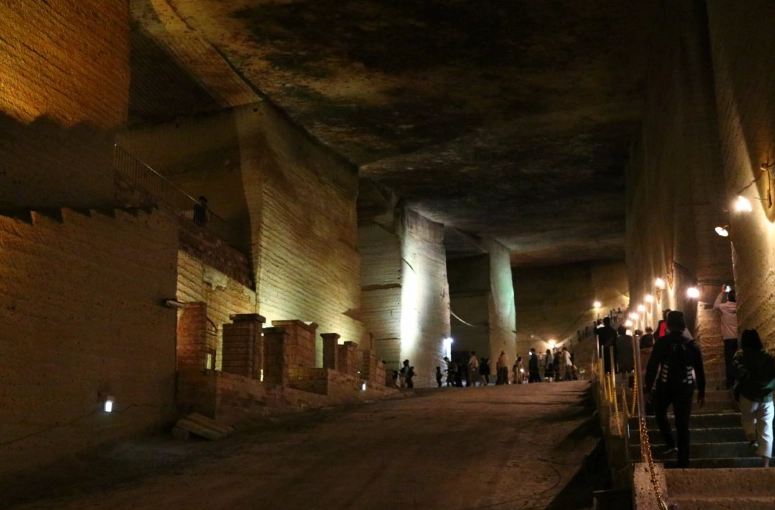
Top Day Trips from the Tochigi Capital:
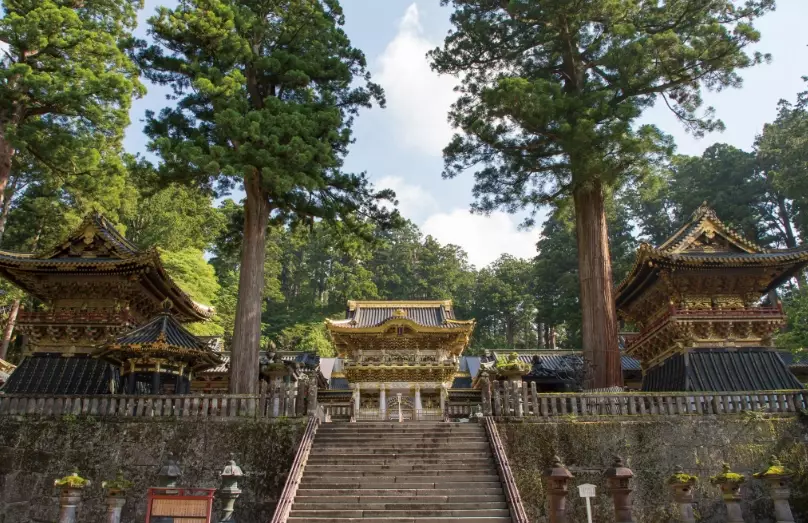
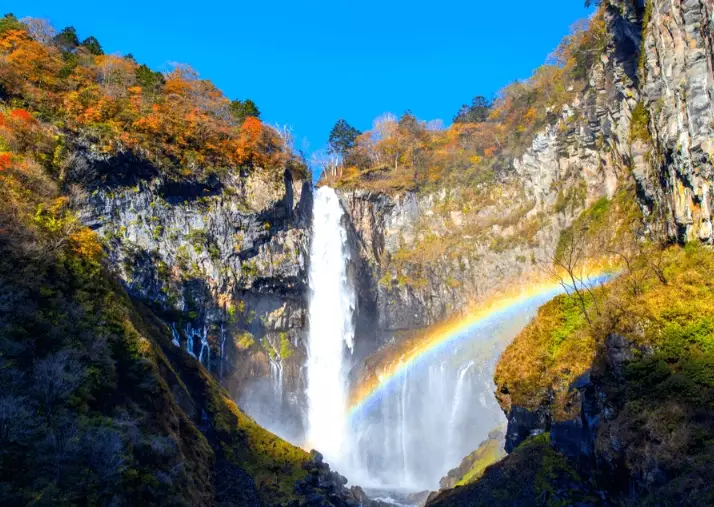
- Nikko: Obviously. The glittering Toshogu Shrine, the serene Rinnoji Temple, and the stunning Kegon Falls. A 45-minute train ride on the JR Nikko Line. Go early to beat the crowds—trust me.
- Kinugawa Onsen & Edo Wonderland: A hot spring resort town with a theme park that recreates the Edo period. It's kitschy but incredibly fun if you're into history or have kids. About 45-60 minutes by train.
- Nasu: A highland resort area known for hiking, onsens, and the Nasu Animal Kingdom. Perfect for nature. Accessible by limited express train.
- Ashikaga Flower Park: Home to the famous great wisteria trellises. In spring, it's like walking into a purple fairy tale. A bit over an hour by train.
I spent a week based in Utsunomiya and did all of these. Coming "home" to a bustling city after a day in the spiritual quiet of Nikko or the themed fun of Edo Wonderland was the perfect contrast. You get the best of both worlds.
A Practical, No-Fluff Guide to Visiting the Tochigi Capital
Alright, let's get down to brass tacks. How do you actually *do* Utsunomiya?
Getting There and Around
From Tokyo: The Tohoku Shinkansen (Yamabiko, Nasuno trains) from Tokyo Station or Ueno Station is the fastest way. It's covered by the Japan Rail Pass. If you're on a budget, the JR Utsunomiya Line (limited express) is slower but cheaper. Once you're in the city, the core areas around the station, Gyoza-dori, and Futarayama Shrine are very walkable. The city has a bus network and taxis are readily available for spots further out like the Oya Museum.
Where to Stay
Stay near JR Utsunomiya Station. It's the transport hub and where most of the life is. You have everything from business hotels (Toyoko Inn, Dormy Inn) to more upscale options. I stayed at a mid-range business hotel a 5-minute walk from the station and it was perfect—easy to drop off shopping bags, refresh, and head back out.
Sample One-Day Itinerary for Utsunomiya
Don't overthink it. Here's a relaxed, doable day that hits the highlights.
| Time | Activity | Notes |
|---|---|---|
| 9:00 AM | Start at Utsunomiya Station. Grab a coffee and a light breakfast from the station bakery (save room!). | The station building ("Ekinaka") has great food stalls and souvenir shops. |
| 10:00 AM | Walk or take a short taxi to Futarayama Shrine. Explore the peaceful grounds. | Climb the steps for a view over the city. It's a gentle climb. |
| 11:30 AM | Head to the Utsunomiya Castle Ruins Park. It's between the shrine and the city center. | More of a pleasant park with historical markers than a castle, but a nice stroll. |
| 1:00 PM | First Gyoza Lunch. Hit one of the famous shops on or near Gyoza-dori. | Try a standard order. Maybe share if you're not a huge eater. |
| 2:30 PM | Take a bus or taxi to the Oya History Museum. Spend 1.5-2 hours in the caverns. | The temperature is cool year-round. Bring a light jacket. |
| 5:00 PM | Return to the city center. Do some shopping or visit a department store basement food hall (depachika). | Great for picking up local Tochigi souvenirs like strawberry products or sake. |
| 7:00 PM | Second Gyoza Dinner. Choose a different shop with a different style. Compare! | This is the Utsunomiya way. Embrace the dumpling marathon. |
| 8:30 PM | Evening stroll around the station area or a drink at a local izakaya. | The city has a lively, local nightlife scene. |
Answering Your Questions About the Tochigi Capital
The Final Verdict on Utsunomiya
Utsunomiya surprised me. It doesn't have the instant postcard beauty of Kyoto or the overwhelming energy of Tokyo. What it has is grit, character, and a deliciously singular focus. It's a city that proudly carries the title of Tochigi capital not just as an administrative fact, but as an identity woven from reconstructed streets, subterranean stone cathedrals, and the relentless, perfect pursuit of the pan-fried dumpling.
It's for travelers who want to step off the well-trodden Golden Route and see a part of Japan that lives and breathes on its own terms. It's for foodies who take their dumplings seriously. It's for history buffs who appreciate layers beyond the obvious. And it's for anyone using the excellent Japan Rail Pass looking for the perfect, strategic base to unlock the wonders of Tochigi prefecture.
My advice? Don't just pass through on the Shinkansen. Get off. Stay a night or two. Order more gyoza than seems reasonable. Explore the underground quarry. Feel the quiet power of Futarayama. You'll leave with a full stomach and a much deeper understanding of what makes this region, and its resilient capital, truly special.
For the most current travel information, always cross-reference with official sources like the Japan National Tourism Organization (JNTO) and the local government sites linked throughout this guide. Now go see for yourself why this Tochigi capital deserves a spot on your Japan itinerary.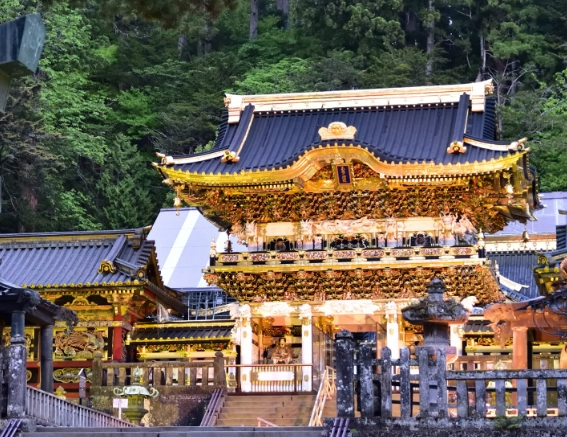
Comments