Okayama Japan often gets overshadowed by its flashy neighbors like Osaka and Hiroshima. That's a mistake I made on my first trip years ago, rushing through on a bullet train without stopping. When I finally spent a few days there, I realized what I'd been missing: a place that feels genuinely Japanese without the tourist conveyor belt. Nicknamed the "Land of Sunshine" for its remarkably clear, sunny weather, Okayama offers a relaxed pace, stunning historical gardens, a castle with serious attitude, and yes, the best peaches you'll ever taste. It's the kind of destination where you can actually unwind while soaking in culture.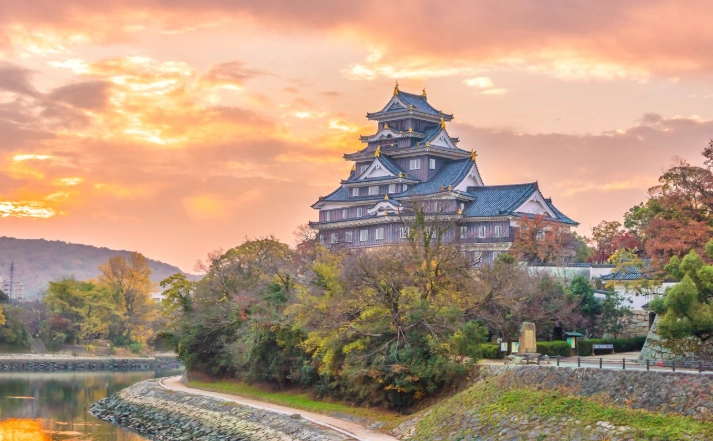
Your Quick Guide to Okayama
What makes Okayama Japan worth visiting?
Let's cut to the chase. You're probably wondering if Okayama deserves a spot on your already-packed Japan itinerary. I think it does, especially if you're looking for a breather. The city's layout is traveler-friendly. The two main attractions—Okayama Castle and Korakuen Garden—are literally across a river from each other. You can do a world-class historical site and one of Japan's top three gardens in a relaxed morning.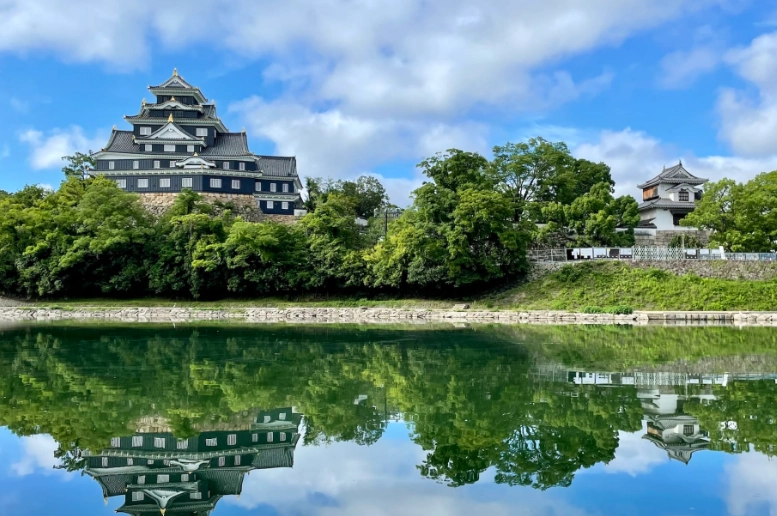
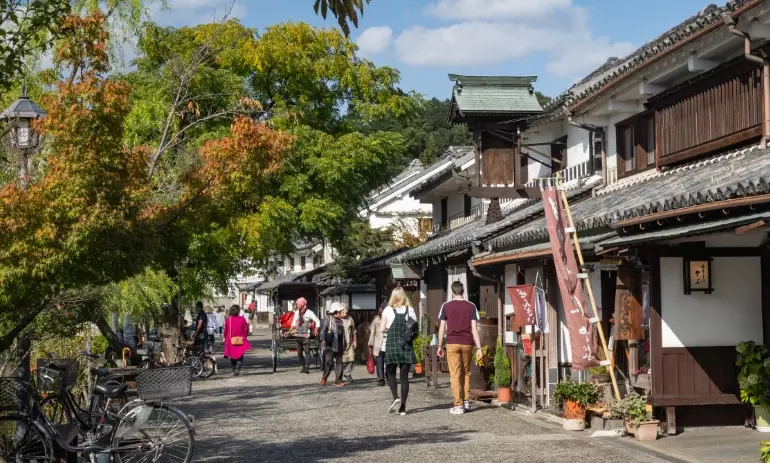
Then there's Kurashiki, a 15-minute train ride away. Its Bikan Historical Quarter, with willow-lined canals and white-walled warehouses, feels like stepping into an Edo-period painting. It's beautiful, but here's the non-consensus part: go early. By 11 AM, the main canal street gets crowded with day-trippers. The magic is in the side alleys at 9 AM.
Okayama also serves as a perfect transport hub. The mighty Seto Ohashi Bridge connects it to Shikoku, making day trips to places like Takamatsu (famous for udon) completely feasible. According to the Japan National Tourism Organization, the Seto Inland Sea area, which Okayama borders, is consistently highlighted for its scenic beauty and cultural depth.
Local Insight: Many tourists just see the castle and garden. But the real Okayama vibe is in the evening around Omotecho and Shiraishi-chō streets near the station. That's where locals go for izakayas and bars. It's not in most guidebooks, but it's where the city feels alive.
Top Attractions in Okayama: What to See and Do
Don't try to see everything. Focus on these core experiences, and you'll get the essence of the place.
1. Korakuen Garden: More Than Just Pretty Landscapes
Address: 1-5 Korakuen, Kita-ku, Okayama City 703-8257
Hours: 7:30 AM - 6:00 PM (Mar-Sept), 8:00 AM - 5:00 PM (Oct-Feb). Last entry 15 mins before closing.
Admission: 410 yen (adults). A combined ticket with Okayama Castle is 640 yen, which saves you a few hundred yen.
Access: A 25-minute walk from Okayama Station, or take the tram (Okaden) to "Korakuen-mae" or "Shiroshita" stop.
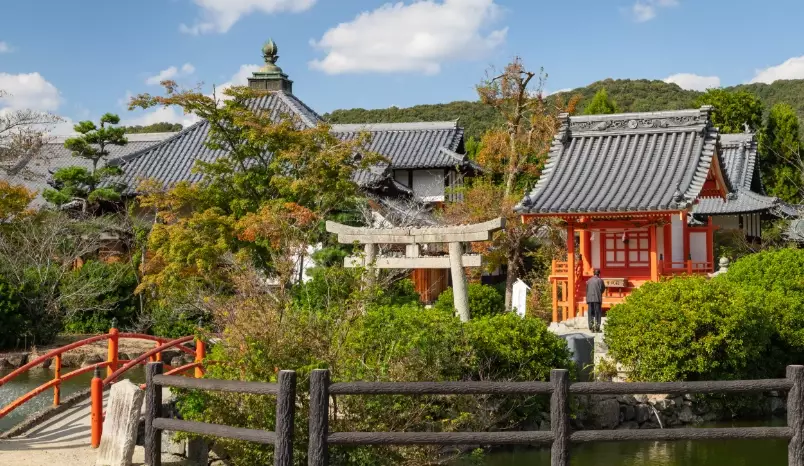
Built in 1700, Korakuen is a "stroll garden" designed for pleasure. The postcard view is from the Yuishinzan hill, looking over the central pond towards Okayama Castle. But the secret is to explore its micro-environments. There's a tea plantation, a rice field, a plum grove, and even a crane aviary. I spent an hour just watching the koi carp in the expansive Kayo-ike pond. It's not a garden you rush through; it's one you settle into. Bring a book, find a bench.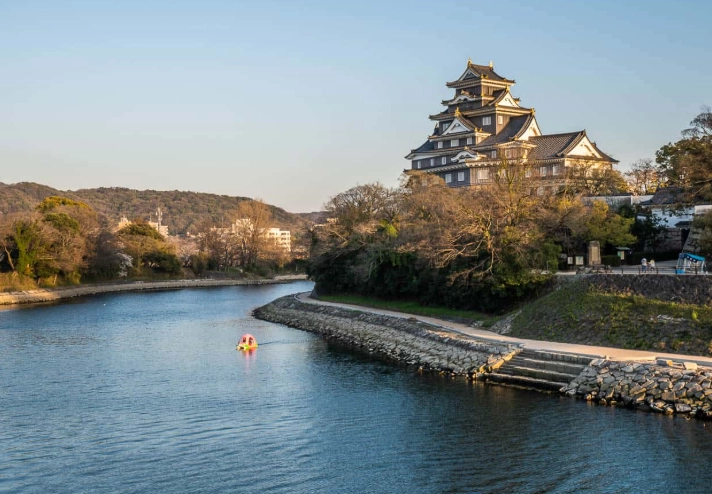
2. Okayama Castle (Crow Castle): History Without the Crowds
Address: 2-3-1 Marunouchi, Kita-ku, Okayama City 700-0823
Hours: 9:00 AM - 5:30 PM (Last entry 5:00 PM).
Admission: 400 yen (adults). Combined ticket with Korakuen is the better deal.
Access: Right across the Asahi River from Korakuen Garden, connected by the picturesque Tsukimi-bashi bridge.
Its black, wooden-plated exterior earned it the nickname "Ujo" (Crow Castle). Here's the real talk: the main keep is a 1966 concrete reconstruction. The original was bombed in WWII. Some purists skip it for this reason. I think that's a shame. Inside, it's a modern museum—well-lit, with elevators, excellent English explanations, and fascinating artifacts like samurai armor. You can even try on a replica kimono. The view from the top floor across the river to Korakuen is worth the price alone. It gives you that classic "castle overlooking its domain" feeling.
3. Kurashiki Bikan Historical Quarter: A Step Back in Time
Address: Bikan Historical Quarter centers around Kurashiki River, Kurashiki City.
Access: From Okayama Station, take the JR Sanyo Line to Kurashiki Station (15 mins, 320 yen). The Bikan area is a 10-minute walk south.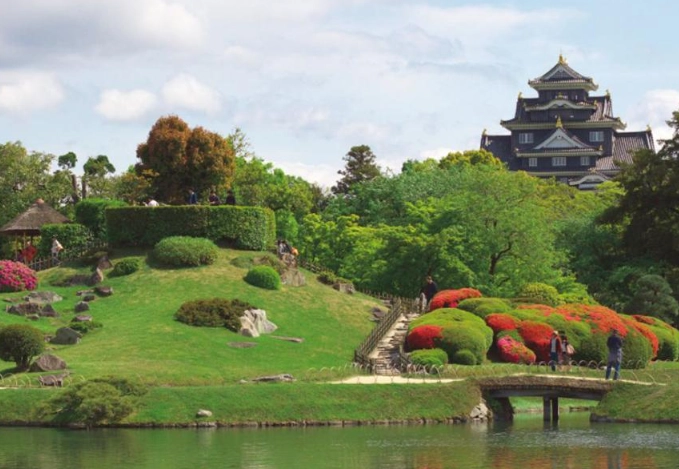
This is the money shot for photographers. Old kura (warehouses) with distinctive white and black walls line a narrow canal, draped with willows. The main activity is a slow stroll. Don't miss the Ohara Museum of Art (Japan's first museum of Western art) and the Kurashiki Museum of Folk Crafts. My advice? Once you've seen the main canal, escape the crowds by wandering the backstreets. The residential areas are pristine and quiet. For a unique local product, look for shops selling "Kurashiki Denim"—the area is known for high-quality jeans.
4. Kojima Jeans Street & The Seto Ohashi Bridge
For something completely different, head to Kojima, the birthplace of Japanese jeans. "Jeans Street" is a shopping street dedicated to denim boutiques. It's niche, but if you're into fashion or unique souvenirs, it's fascinating. Afterwards, drive or take a bus across the Seto Ohashi Bridge. This 13 km series of bridges connecting Honshu to Shikoku is an engineering marvel. The view of the countless islands in the Seto Inland Sea is breathtaking. There's a service area on Yoshima Island with an observation tower—a perfect stop.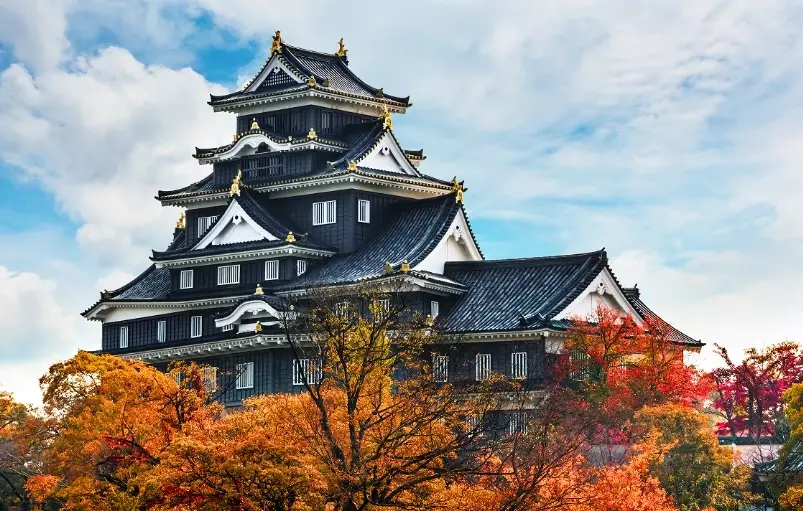
Okayama's Culinary Scene: Beyond the Famous Peach
Yes, the peaches (momo) are legendary—juicy, sweet, and often sold for premium prices (a single perfect peach can cost over 1000 yen). Visit in summer to try them. But the food story goes deeper.
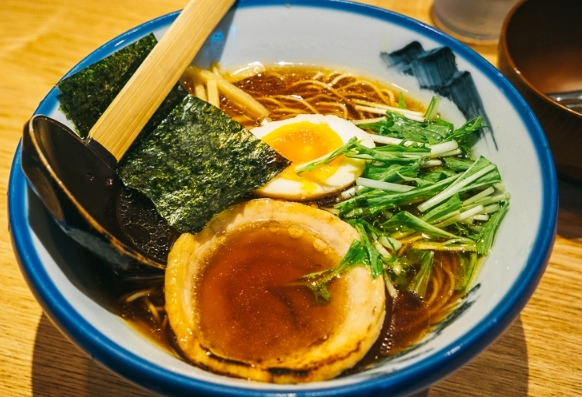
Barazushi: This is Okayama's signature dish. Unlike the compact nigiri of Tokyo, barazushi is a colorful, scattered sushi served in a box or bowl, loaded with seasonal ingredients like shrimp, lotus root, egg, and mushrooms. It's a celebration on a plate. Try it at long-standing local restaurants like Mamakari-tei (multiple locations) which specializes in it.
Fresh Seafood: Proximity to the Seto Inland Sea means great seafood. Look for kaisen-don (seafood rice bowls) at the market near Okayama Station or in Kurashiki.
Local Brews: Okayama Prefecture produces sake and fruit liqueurs. I picked up a small bottle of white peach liqueur that was incredible mixed with soda.
One pitfall I see tourists fall into: they eat only in the station or right next to major attractions. Walk five or ten minutes further. The quality improves and the prices often drop.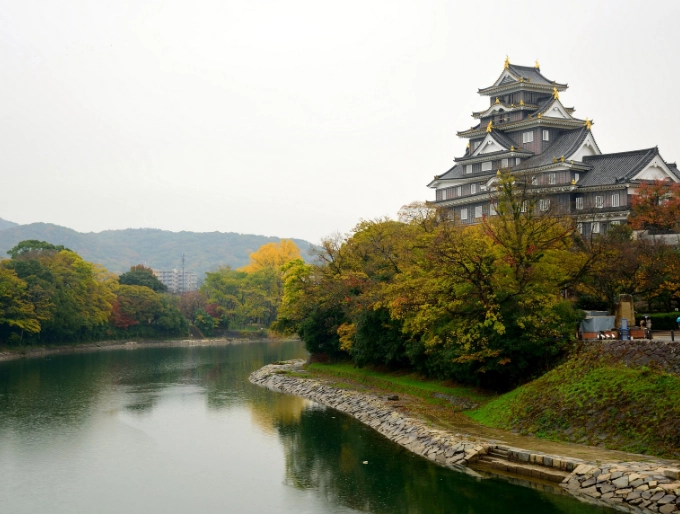
Where to Stay in Okayama: Accommodation for Every Traveler
Location is key. Staying near Okayama Station is the most convenient for arrivals, departures, and day trips. The city center near the castle is quieter but requires a short tram or taxi ride.
| Hotel / Ryokan | Area | Best For | Price Range (per night) |
|---|---|---|---|
| Hotel Granvia Okayama | Okayama Station (directly connected) | Ultimate convenience, business travelers, first-time visitors. You literally get off the Shinkansen and check in. | ¥12,000 - ¥20,000 |
| Dormy Inn Okayama | Near Okayama Station (5-min walk) | Value, great public bath (onsen) on the top floor, free late-night ramen. | ¥8,000 - ¥14,000 |
| Ryokan Kurashiki | Kurashiki Bikan Area | Authentic ryokan experience, staying in the historical quarter, tatami rooms. | ¥20,000 - ¥40,000 (with meals) |
| APA Hotel Okayama-Ekimae | Okayama Station (3-min walk) | Budget-friendly, compact but efficient business hotel rooms. | ¥6,000 - ¥10,000 |
| Mitsui Garden Hotel Okayama | City Center (10-min walk to castle) | Modern style, nice views, good restaurants nearby, quieter location. | ¥10,000 - ¥16,000 |
My personal pick for a balanced experience is the Dormy Inn. The onsen is a lifesaver after a day of walking, and the location is perfect without the premium price of the Granvia.
Planning Your Okayama Itinerary: A 2-Day Sample
Here’s how I would structure a short but fulfilling visit. This assumes you're arriving the evening before.
Day 1: Okayama City Core
Morning (9:00 AM): Start at Korakuen Garden. Enter right as it opens to enjoy the morning light and quiet. Spend 1.5-2 hours strolling.
Late Morning (11:00 AM): Cross the Tsukimi-bashi bridge to Okayama Castle. Explore the keep and museum for about an hour.
Lunch (12:30 PM): Head back towards the station area. Find a restaurant serving Okayama barazushi.
Afternoon (2:00 PM): Take the JR train to Kurashiki (15 mins). Explore the Bikan Historical Quarter. Visit one museum that interests you.
Evening (6:00 PM): Return to Okayama. Have dinner and drinks in the Omotecho area near the station.
Day 2: Choose Your Adventure
Option A (Culture/Scenery): Take a train/bus to the Seto Ohashi Bridge. Visit the observation areas. Consider a short ferry trip to one of the inland sea islands like Shodoshima (requires more time).
Option B (Quirky/Unique): Take the train to Kojima (30 mins from Okayama) to explore Jeans Street. Then, visit the Kibitsuhiko Shrine (associated with the Momotaro folktale) in nearby Soja.
Option C (Relaxed): Sleep in. Do some souvenir shopping at Okayama Station (great for local peach products). Revisit a favorite spot from Day 1. Depart in the afternoon.
Okayama Travel FAQs: Expert Tips for Your Trip
Okayama won't shout for your attention like Tokyo or Kyoto. It's more of a gentle invitation. It asks you to sit by its garden pond, stroll its quiet canals, and taste a piece of fruit that somehow captures the sunshine. In a country known for its intensity, Okayama Japan offers the precious gift of ease. Give it two days. You might just find it's the part of your trip you remember most fondly.


Comments