Let's be honest. If you're here, you're probably already deep into the world of raw denim, or you're standing at the edge, curious about why a pair of jeans could cost hundreds of dollars and demand years of your life to break in. And you keep hearing one name whispered with reverence: Okayama.
It wasn't a fancy marketing campaign that put Okayama on the map for denim lovers. It was the opposite. It was decades of quiet, stubborn dedication to a craft that most of the world had industrialized and forgotten. I remember my first "real" pair. They were stiff as a board, smelled oddly organic, and felt like wearing cardboard. My friends thought I was nuts. But there was a promise in that fabric, a story waiting to be written with every bend of my knee, every day of wear.
That story starts in Japan's Chugoku region, in a place many now call the Mecca of denim.
Why Okayama? The Unlikely Birthplace of Denim Royalty
This is the first question everyone asks. Why Japan? And why Okayama, of all places? The answer is a perfect, historical accident. Post-World War II, Okayama Prefecture, specifically the area around Kurashiki and Kojima, was a powerhouse of textile production, particularly for school uniforms and workwear. They had the looms, the skilled weavers, and the infrastructure.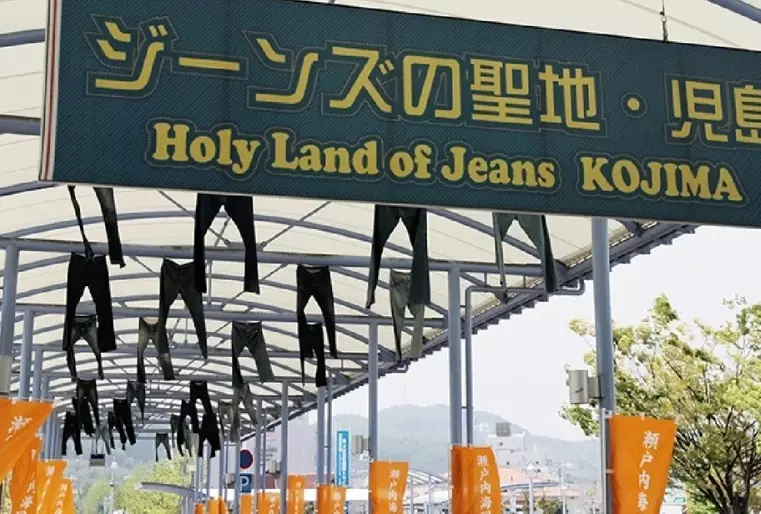
When American vintage jeans from the 1940s and 50s—Levi's 501s, in particular—started becoming cult objects in Japan in the 1970s and 80s, collectors and craftsmen in Okayama looked at them not just as clothing, but as artifacts. They became obsessed with reverse-engineering not just the look, but the soul of these old jeans. The uneven texture, the slubby yarn, the way the indigo faded.
The key differentiator? While American brands moved on to faster, cheaper production, Okayama's artisans dug in. They sought out vintage shuttle looms (Toyoda looms from the 1950s are legendary) that could weave the old-fashioned, slow way, creating the tightly woven, self-finished edge known as selvedge (from "self-edge"). They sourced Zimbabwean or Texas cotton for its long, strong staples. They used natural indigo dye or superior synthetic indigo in ways that allowed for deep, complex fading.
It wasn't about innovation in the tech sense. It was about reclamation. It was about mastering a craft to a level of purity that no longer existed elsewhere. This obsessive focus on material and process is the bedrock of what we now call Okayama Japan jeans.
And then there's Kojima.
Kojima Jeans Street: Where the Dream is Woven
You can't talk about Okayama Japan jeans without talking about Kojima Jeans Street. Imagine a small, unassuming street in a residential area that has transformed into the world's densest concentration of artisan denim brands. It feels almost surreal.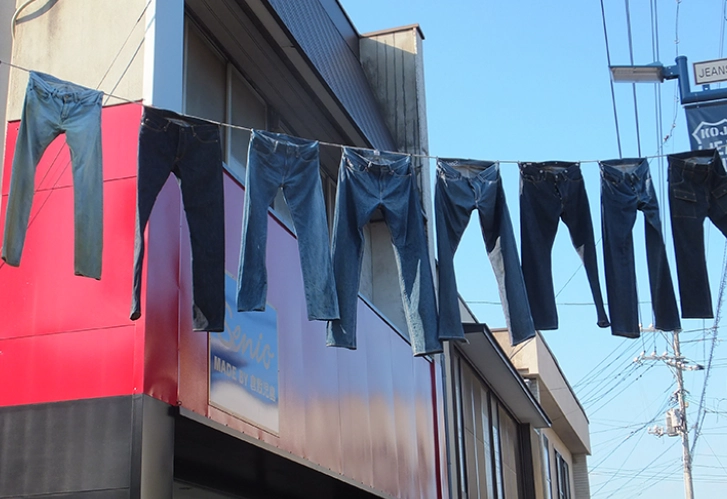
I walked down it on a Tuesday morning. Some shops were still rolling up their shutters. The air smelled faintly of indigo and starch. It's not a flashy, commercial strip. It's ground zero. Here, you can often see the workshop in the back of the store. You can meet the people who dye the yarn, operate the looms, and stitch the pockets. The connection between the product and its origin is tangible.
The Kurashiki City official website and the dedicated Kojima Jeans Street site promote it as a tourist destination, but for enthusiasts, it's a pilgrimage. You're not just shopping; you're visiting the source. You're seeing where the magic—or more accurately, the intensely focused hard work—happens.
The Heavy Hitters: A Guide to Top Okayama Denim Brands
Navigating the world of Okayama brands can be overwhelming. They range from globally famous names to tiny, hyper-niche ateliers. Each has its own philosophy. Let's break down some of the most significant players. This isn't just a list; it's a cheat sheet to the different flavors of Okayama Japan jeans.
| Brand | Known For / Philosophy | Signature Detail | My Personal Take |
|---|---|---|---|
| Momotaro Jeans | The "fightin' brand." Powerful, bold fabrics with a distinctive pink inseam thread (the "Going to Battle" stripe). | Two white stripes painted on the back pocket, representing the stripes on a Momotaro (Peach Boy) warrior's flag. | Their fabric is often incredibly dense and slow to fade. A test of patience, but the results are legendary. Not for the faint of heart. |
| Japan Blue Jeans | Accessibility without compromise. Part of the mighty Collect Mills family, they focus on incredible value and wearable, high-quality fabrics from day one. | Offering a bridge between vintage-inspired and modern fits. They often use their own special denim, like the "Godzilla" fabric. | This is where I'd send a smart beginner. You get true Okayama pedigree and construction at a price that won't make you weep. A fantastic starting point. |
| Studio D'Artisan | One of the original Osaka Five, now deeply connected to Okayama production. Focuses on historical reproduction and natural dyes. | The pig logo, representing their founding year (1979) in the Chinese zodiac. Often uses natural indigo. | Their cuts can be challenging (very vintage), but their dedication to historical accuracy is academic. Wearing them feels like wearing a museum piece. |
| Pure Blue Japan | Textural wizardry. They specialize in creating denim with extreme slub, nep, and unevenness, giving it a 3D, organic feel. | The "X" pattern on the indigo-dyed patch. Their fabrics are instantly recognizable by touch. | If you love tactile, crazy texture, this is your brand. The fades are wild and unique. The fabric can feel rough initially, but it breaks into something beautiful. |
| Okayama Denim | Not a manufacturer, but the crucial curator. An online store and blog that aggregates the best of Okayama and Japanese denim for a global audience. | Their collabs with small brands and exclusive fabrics. They are the gateway for most international buyers. | Invaluable resource. Their blog and measurement guides saved me from costly mistakes. They've done more to globalize Okayama denim than almost anyone. |
See what I mean? It's a whole ecosystem. You've got the warrior (Momotaro), the professor (Studio D'Artisan), the artist (Pure Blue Japan), and the friendly guide (Japan Blue, Okayama Denim). Choosing one isn't just about fit; it's about which story you want to live in.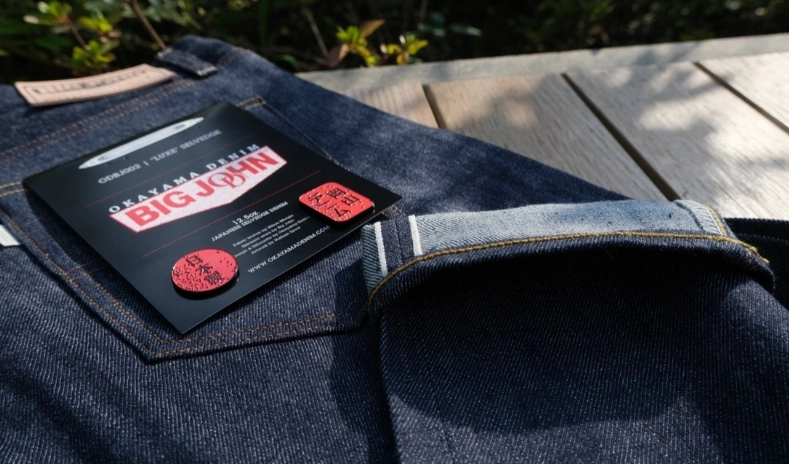
Buying Your First (or Next) Pair: A No-Nonsense Guide
So you're convinced. You want in. How do you actually get a pair of these legendary Okayama Japan jeans without hopping on a plane? Let's get practical. This is the part most articles gloss over, but it's where the real headaches happen.
Step 1: The Fit is Everything (Forget the Brand for a Second)
This is the most common mistake. People fall in love with a brand's story or fabric and force themselves into the wrong cut. Japanese brands often use vintage-inspired patterns. This can mean:
- Higher rises: They sit at your natural waist, not your hips. This feels weird if you're used to low-rise jeans but is infinitely more comfortable for sitting and moving.
- Tapered vs. Straight: A modern "taper" from a Japanese brand might still be roomier in the thigh than a fast-fashion skinny jean. You need to look at thigh, knee, and leg opening measurements.
My advice?
Find the best-fitting pair of pants you own. Jeans, chinos, whatever. Lay them flat and measure them: waist, front rise, thigh (1" down from crotch), knee (13" down from crotch), leg opening, and inseam. Now, use those numbers as your bible. Compare them to the detailed size charts on stores like Okayama Denim or individual brand sites. Do not guess. Do not "size for vanity." Raw denim stretches in the waist (up to an inch) but barely anywhere else.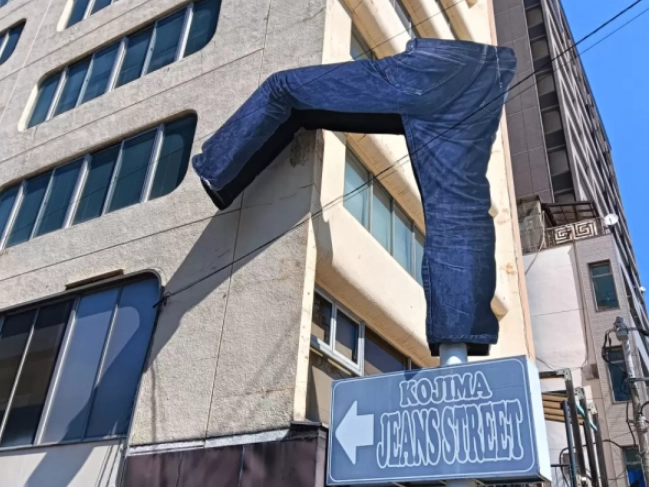
Step 2: Where to Buy
You have three main avenues:
- Direct from Japan (Online): Stores like Okayama Denim, Denimio, and Bears Tokyo. Pros: Best selection, often lower prices, exclusive models. Cons: Potential import taxes, costly returns.
- Local Boutiques (if you're lucky): Major cities worldwide have specialty stores. Pros: You can try them on! Get expert advice. Cons: Limited stock, higher markups.
- The Secondhand Market: Grailed, eBay, dedicated forums. Pros: Great for finding broken-in pairs or discontinued models at a discount. Cons: Sizing is final, condition varies.
Pro Tip on Import Taxes: When ordering from Japan, be mentally prepared for a customs bill. Stores like Okayama Denim often offer a "tax-included" shipping option that pre-pays these fees, avoiding surprise charges from the courier. It's usually worth it for peace of mind.
Step 3: The Unspoken Truths & Pain Points
Let's not romanticize this. There are downsides.
The Break-In Period is Real (and Painful). Stiff, raw selvedge denim can be uncomfortable. The waistband might dig in. The seams can feel like knives behind your knees. It passes after 2-4 weeks of consistent wear, but it's a commitment. Don't plan a long hike in brand-new, unsanforized jeans.
They Will Bleed. Everywhere. Indigo crocking is not a myth. Your new Okayama Japan jeans will transfer dye onto light-colored shoes, car seats, couches, and your hands. This lessens over time but never fully stops. It's part of the charm, but it's also a genuine nuisance.
The Cost of Care. You're not supposed to wash them often (maybe every 6-12 months initially). This leads to the inevitable "are these dirty?" conversation. When you do wash, it's a whole ritual: inside out, cold water, no spin, air dry. It's not just throwing them in the machine.
Beyond the Hype: Answering Your Real Questions
Are Okayama Japan jeans really worth the money?
It depends. If you view jeans as a disposable, trend-driven item, then absolutely not. You'd be miserable. If you view them as a long-term companion, an investment in an object that will mold to your body and tell the story of your life, then yes, 100%. The cost per wear over a decade makes them cheaper than most mall jeans. The quality of stitching, the durability of the fabric, and the pride of ownership are tangible. But you have to want that experience.
What's the deal with "unsanforized" vs. "sanforized"?
This is crucial. Sanforized denim has been pre-shrunk. What you buy is what you get. Unsanforized (or "shrink-to-fit") denim has not been shrunk. You must buy them larger to account for significant shrinkage (up to 10% in length and width) during the first wash/soak. Most serious vintage reproductions are unsanforized. It's more authentic but requires research and sizing acumen. If the product page doesn't say, assume sanforized. If it says "unsanforized," stop and read the sizing instructions twice.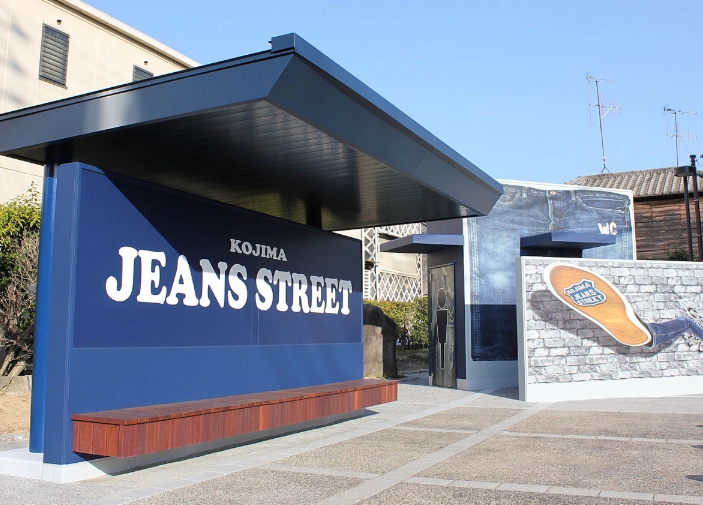
How do I spot fake Okayama denim?
Fakes of hyper-niche brands are less common than fakes of Supreme, but they exist. Look for:
- The Selvedge ID: The colored line on the outseam. Each mill has its own colors (e.g., Collect Mills uses red/blue). Fakes often get this wrong or it looks cheap.
- Hardware: Buttons and rivets should be substantial, often branded with the maker's mark. They shouldn't feel light or plasticky.
- Stitching: It should be incredibly even and tight, with no loose threads. Look for chain-stitching on the hem (a roped effect).
- The Patch: Should be thick leather or suede, often hand-numbered, with clear branding.
- Price: If a pair of "new" Momotaros is $80 on eBay, it's fake.
The safest bet is to buy from the authorized retailers listed on the brand's official site or trusted hubs like Okayama Denim.
The Fabric of a Community
What surprised me most wasn't the quality of the jeans—I expected that. It was the community. There are entire online forums (like Superfuture's Superdenim or Reddit's r/rawdenim) dedicated to documenting the fade progress of their Okayama Japan jeans. People post monthly fade updates, troubleshoot fit issues, and share washing techniques.
This isn't just about consumerism. It's about a shared appreciation for craft, patience, and the beauty of something that improves with age and use. In a world of fast fashion, that feels quietly revolutionary. A well-known article from Vogue Business even highlighted how this "slow denim" movement represents a broader shift towards conscious consumption and valuing provenance.
Okayama didn't set out to create a luxury product. It set out to preserve a truth about how things are made. And in doing so, it created something far more valuable: a standard. When you zip up a pair of jeans that started as cotton in a field, was spun into yarn in a mill, dyed in a vat, woven on a 70-year-old loom, and stitched by someone who takes pride in a single seam, you feel different. You're connected to that chain.
So, are Okayama Japan jeans for everyone? No. But if the idea of a personal, evolving artifact made with uncompromising integrity speaks to you, then your search might just end right here.


Comments