Your Winter Beppu Roadmap
- What's the Weather Really Like in Beppu During Winter?
- Why Winter is Secretly the Best Time to Visit Beppu
- Top Things to Do During a Beppu Winter
- Where to Stay: Ryokans, Hotels, and Budget Options for Winter
- Getting Around and Planning Your Winter Itinerary
- Budgeting for Your Beppu Winter Trip: Where to Save and Splurge
- Frequently Asked Questions About Beppu in Winter
Let's be honest. When you think of a winter getaway in Japan, Beppu might not be the first place that pops into your head. Hokkaido for the powder snow, sure. Tokyo for the illuminations, maybe. But Beppu? Most people picture it as a steaming summer destination. That's exactly why you should listen up.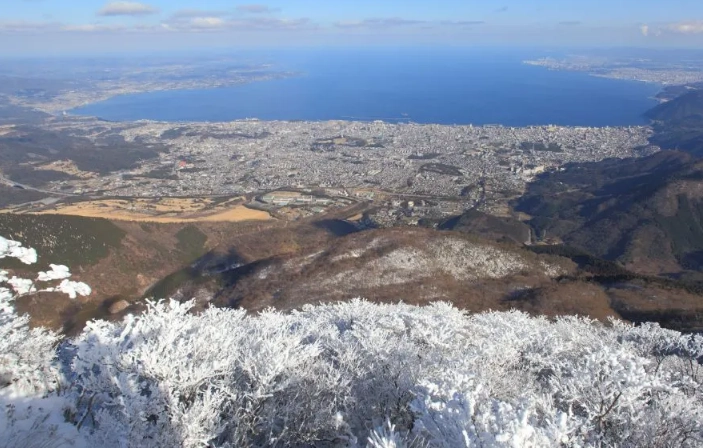
I made the same assumption on my first trip to Japan. I saved Kyushu for a spring itinerary. It was lovely, don't get me wrong, but it was also packed. Years later, on a whim, I booked a December trip back to Beppu. What I discovered completely changed my perspective. A Beppu winter isn't just a "shoulder season" compromise; it's arguably the most magical, authentic, and comfortable time to experience this legendary onsen town.
The steam rising from a thousand hot spring vents looks more dramatic against a crisp blue winter sky. The warmth of a 42-degree bath feels infinitely more rewarding when there's a chill in the air. And you can actually get a seat at that famous ramen shop without queuing for an hour.
This isn't just another generic travel listicle. This is your complete, no-BS guide to planning an incredible trip to Beppu in winter. We're going to cover the practical stuff everyone else glosses over—like what the heck to wear when it's 8°C (46°F) outside but you're hopping between hot baths. We'll dig into the unique seasonal experiences, the best-value ryokans, and how to navigate the place like a pro. Consider this your one-stop resource for turning a Beppu winter holiday from an idea into an unforgettable reality.
What's the Weather Really Like in Beppu During Winter?
First things first, let's kill the biggest myth. Beppu is in Kyushu, Japan's southernmost main island. Its winter is mild by Japanese standards, but it's not tropical. You won't find palm trees swaying in a blizzard, but you also won't need to dig your car out every morning.
Temperature, Rain, and That Famous Steam
From December through February, average daytime highs hover between 10-13°C (50-55°F). Nights can dip down to 3-6°C (37-43°F). It's crisp, it's fresh, but it's rarely bone-chillingly cold. The humidity from all the hot springs can sometimes make the air feel a bit damper and colder than the thermometer suggests, though.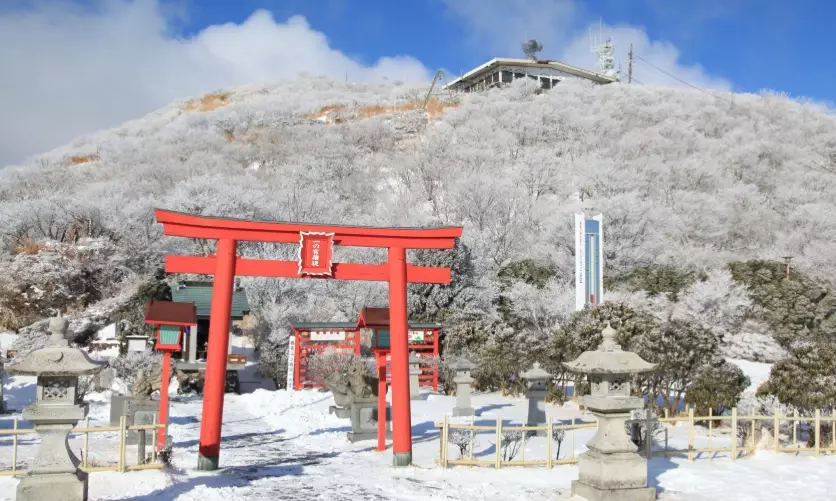
Rain? You'll get some. January tends to be the driest of the three winter months, but you should always be prepared for a drizzle. The upside? Those misty, drizzly days make the volcanic steam plumes from the "Hells" (Jigoku) look absolutely epic, like something from a fantasy movie. I remember standing at Kannawa Jigoku on a gray afternoon, the sulfurous steam mingling with the low clouds—it was atmospheric in the best way possible.
Snow is a rare guest in Beppu city itself. It might dust the surrounding mountains, making for a gorgeous backdrop, but it seldom settles in the town center. If you're desperate for snow, a day trip to the nearby Kuju Mountain range or Mount Tsurumi (accessible by ropeway) can get you there.
Local Insight: The contrast is the real magic. Your body is toasty warm in the onsen, your face feels the cool winter air, and you're watching steam rise into the clear, cold sky. It's a sensory experience summer just can't deliver.
The Ultimate Beppu Winter Packing List (No Guesswork)
Packing for a Beppu winter trip is all about layers. You need to be ready for a chilly morning walk, a warm indoor museum, a steamy outdoor bath, and a cool evening stroll. Here’s what I’ve learned works best:
- Base Layer: Thermal underwear (merino wool is fantastic). This is non-negotiable if you feel the cold easily.
- Mid Layers: Fleece jackets, sweaters, cardigans. Easy to put on and take off.
- Outer Layer: A waterproof and windproof jacket is worth its weight in gold. A down puffer jacket is perfect for dry days.
- Bottom Half: Jeans or thick trousers are fine. For extra cold days, thermal leggings underneath do the trick.
- Footwear: Comfortable, waterproof walking shoes or boots. You'll be walking a lot, and wet socks are the enemy of a good day. Slip-on shoes are a bonus for easy onsen/ryokan changes.
- Accessories: A scarf, beanie, and gloves. You'll thank me when you're waiting for a bus or walking along the beachfront.
- Onsen Kit: Most ryokans and public baths provide towels, but I always pack a small, quick-dry towel just in case. Don't forget a small bag to carry your toiletries to the bath.
See? Not complicated. Just smart layering.
Why Winter is Secretly the Best Time to Visit Beppu
Okay, so the weather is manageable. But why choose winter over, say, cherry blossom season? Let me give you the real, tangible reasons that go beyond postcard pictures.
Fewer people. This is the biggest one.
Beppu is a major domestic tourism destination. During peak seasons (Golden Week, summer holidays), it's swamped. In winter, especially outside of the New Year period, you get the place back. You can wander through the Beppu Jigoku (Hell) Tour sites without playing human bumper cars. You can actually relax in a public bath instead of sharing it with a school tour group. The pace is slower, the service is more attentive, and you can actually hear the water bubbling.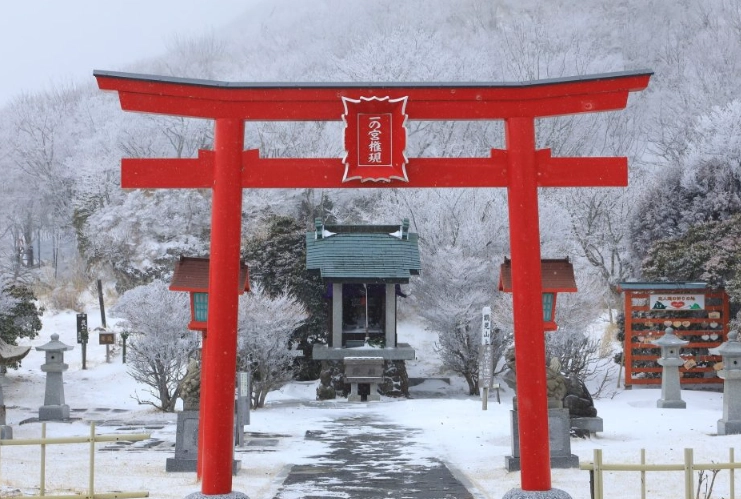
Then there's the value. Hotel and ryokan rates can be significantly lower in winter. I'm talking about staying at a beautiful, traditional inn with a private open-air bath for a price that would be unthinkable in April. You can often find special "Winter Plan" packages that include elaborate seasonal dinners (more on that later).
My most memorable Beppu experience was at a small, family-run ryokan in January. We were the only guests that night. The owner spent time explaining each dish of our kaiseki meal, which featured winter specialties like fugu (blowfish) and wild boar. After dinner, we had the large indoor bath all to ourselves for over an hour. That level of peace and personal attention is a rare luxury in busier times.
And let's not forget the pure, hedonistic pleasure of hot springs in cold weather. It's not just about being warm. It's the physiological joy of the contrast. The deep muscle relaxation feels more profound. Sitting in a rotenburo (outdoor bath) as the cool air touches your face while your body is submerged in 40°C water is a form of meditation. It makes the concept of a Beppu winter vacation utterly perfect.
Top Things to Do During a Beppu Winter
So you're convinced a winter trip is a good idea. What exactly is there to do? Plenty. Beyond the obvious onsen hopping, winter adds its own unique flavor to the classic Beppu itinerary.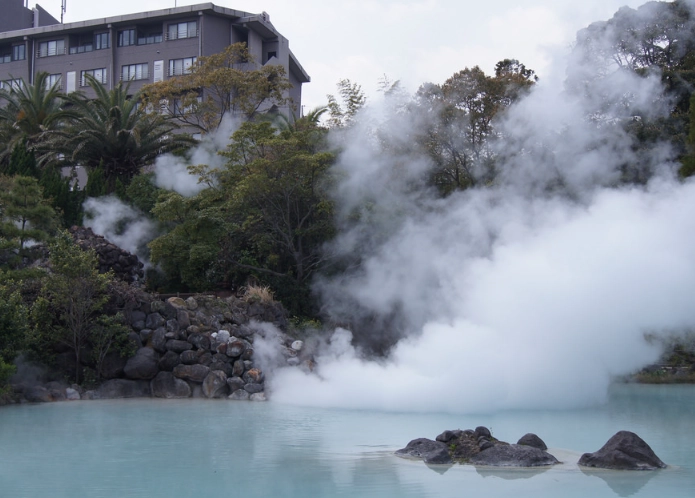
The Onsen Experience: From Public Baths to Luxury Ryokans
This is the core of any Beppu trip, winter or summer. But your strategy might change. In winter, seeking out baths with great outdoor views or unique atmospheres becomes a priority.
My Top Picks for a Winter Soak:
- Takegawara Onsen: This historic public bath is a Beppu icon. The main bath is a vast, steamy cavern of a room. In winter, the steam is so thick it's almost surreal. It's a no-frills, authentic experience for a few hundred yen. The sand baths here are also famous (they bury you in naturally heated sand), which feels incredibly cozy on a cold day.
- Myoban Yunosato: This area is known for traditional "furnace huts" where they make yunohana (onsen salts). The small, rustic sotoyu (public baths) scattered around the village, like Myoban Onsen, are often simple, wooden, and wonderfully atmospheric in the winter mist.
- A Ryokan with a Private Open-Air Bath: This is where you splurge. Booking a room with its own kashikiri-buro (reserved bath) on the balcony is a game-changer in winter. You can soak whenever you want, naked under the stars, without braving the cold to go to a public bath. Suginoi Palace is famous for its views, but many smaller inns offer this too.
The Beppu Hells (Jigoku Meguri) - A Different Vibe
The eight spectacular geothermal pools are a must-see. In winter, they take on a new character. The steam is more intense, rising in great plumes against the often-clear winter sky. The colors of the pools—the cobalt blue of Umi Jigoku, the blood-red of Chinoike Jigoku—seem more vivid without the haze of summer heat.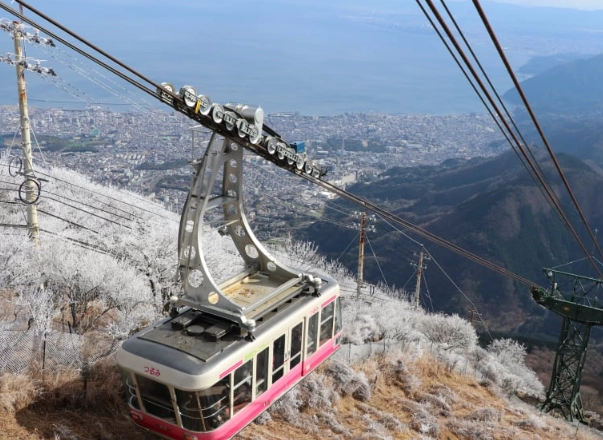
Practical tip: Visit in the late afternoon. The pools are often illuminated after sunset during the winter months, creating an eerie, beautiful glow. It's less crowded, and the contrast between the warm steam and the cold evening air is magical. Check the official website for current opening hours and lighting schedules.
Winter-Only and Seasonal Activities
This is where you get beyond the guidebooks.
- Strawberry Picking: Winter is strawberry season in Japan. Several farms in the Beppu/Oita area offer all-you-can-eat strawberry picking (ichigo-gari). It's a sweet, fun activity, especially for families. The strawberries are incredibly juicy and fragrant.
- Warm Up with Local Sake: Oita Prefecture produces excellent sake. Winter is the season for hiyaoroshi (autumn sake release) and fresh, new sake. Visiting a local sake brewery like Kamenoi Shuzo for a tasting is a perfect indoor activity. Pair it with some winter oden (a hotpot dish) from a convenience store—a classic Japanese winter combo.
- Beppu Christmas & Winter Illuminations: While not on the scale of Tokyo, Beppu often has festive light displays in areas like Beppu Park or near the station, adding a cheerful sparkle to the evenings from late November through December.
- New Year's Traditions (Shogatsu): If you're visiting around January 1st, you'll witness a uniquely Japanese celebration. People visit shrines for hatsumode (first shrine visit of the year). Beppu's Kamegawa Hachimangu Shrine is a lively spot. Be aware that many businesses close from Dec 31-Jan 3, and travel is very busy, so book far in advance.
Where to Stay: Ryokans, Hotels, and Budget Options for Winter
Choosing the right accommodation can make or break your Beppu winter getaway. Your priorities in winter might shift towards warmth, easy bath access, and that cozy feeling.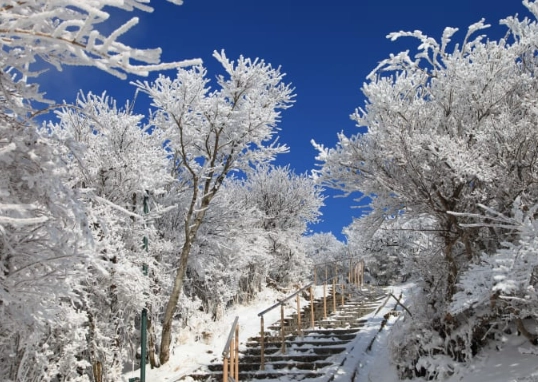
| Accommodation Type | Best For... | Winter-Specific Perks | Considerations |
|---|---|---|---|
| Luxury Ryokan (e.g., Suginoi Hotel, Amane) | The ultimate splurge, cultural immersion, gourmet meals. | Private in-room baths, indoor/outdoor baths on-site, elaborate winter kaiseki dinners featuring seasonal ingredients like crab and wild boar. Heated floors (yukadanbō). | Very expensive. Meals are often mandatory (part of the plan). Dress code (yukata) can feel drafty—wear layers underneath! |
| Mid-Range Ryokan/Minshuku | Authentic experience without breaking the bank. | Often have charming indoor baths or small outdoor baths. Home-cooked dinner with local winter flavors. Cozy, family-run atmosphere feels extra welcoming in cold weather. | Facilities may be older. Baths may be shared with other guests (but likely fewer of them in winter!). |
| Business Hotel (e.g., Dormy Inn, Toyoko Inn) | Budget, convenience, predictability. | Reliable heating, often located near stations. Some (like Dormy Inn) have decent public baths on the top floor—a huge plus after a cold day of sightseeing. | Can feel sterile. No traditional atmosphere. You'll need to go out for meals and baths. |
| Guesthouse / Hostel | Solo travelers, tight budgets, social atmosphere. | Great for meeting other travelers. Some have small communal baths or free passes to local sento. Kitchen allows for making warm drinks/snacks. | Least private. Shared facilities can be a hassle in winter when you just want to be warm. Heating may be uneven. |
My advice? For a true Beppu winter experience, try to stay at least one night in a ryokan. The joy of not having to venture out into the cold for your dinner or your evening bath is immense. For the other nights, a business hotel with a good bath is a practical and cost-effective choice.
Getting Around and Planning Your Winter Itinerary
Beppu is fairly walkable in its core, but the hills and spread-out nature of some attractions (like the Hells) make transportation key, especially when it's chilly.
Transportation Tips for the Cold
- Buses: The Beppu City Bus network and the "My Beppu Free" tourist bus are your best friends. They connect all major sights. In winter, check schedules carefully as some routes may have reduced frequency. The Kyushu Sanko Bus website (operates many routes) has English timetables.
- Taxi: More justifiable in winter, especially for a group heading to a distant onsen or ryokan at night. It's worth the extra cost to avoid a cold wait at a bus stop.
- Rental Car: Offers maximum comfort and flexibility. You can control the heat, store your layers, and easily visit outlying areas like Yufuin. Just be confident driving on the left and navigating sometimes narrow streets.
- Walking: Still essential! Just dress appropriately. The walk along Beppu's waterfront can be bracing but beautiful on a sunny winter day.
A Sample 3-Day Winter Beppu Itinerary
Here’s a balanced plan that mixes activity with ample onsen relaxation.
Day 1: Arrival & Downtown Immersion
Arrive at Beppu Station. Check into your accommodation. Head straight to Takegawara Onsen to warm up and get into the onsen spirit. Explore the nearby Kannawa district on foot, visiting a few of the iconic Beppu Hells like Umi Jigoku and Oniyama Jigoku. Enjoy a warm dinner of Beppu's famous jigoku-mushi (hell-steamed) pudding or savory dishes cooked by geothermal steam.
Day 2: Culture, Crafts, and Scenic Views
Take a bus to the Myoban Yunosato area. Visit a yunohana hut to see the traditional salt-making process. Soak in one of the rustic local sotoyu. In the afternoon, take the Beppu Ropeway up Mount Tsurumi for panoramic winter views over the city and bay. You might even see snow up top. Return to your ryokan for a lavish winter kaiseki dinner and a long, leisurely soak.
Day 3: Relaxation & Departure (or Extension)
Enjoy a final morning soak. Do some last-minute souvenir shopping for onsen cosmetics (great gifts!). If you have time, visit the Beppu City Traditional Bamboo Crafts Center for a warm indoor activity. Alternatively, take a short train trip to the nearby elegant hot spring town of Yufuin for a different vibe before departing.
Budgeting for Your Beppu Winter Trip: Where to Save and Splurge
Let's talk numbers. A Beppu winter holiday can be surprisingly affordable if you know where to allocate your funds.
Money-Saving Tip: The single best way to save is to visit outside of the New Year holiday (Dec 29 - Jan 5) and on weekdays. Ryokan prices can double or triple during New Year.
Splurge on:
1. One night in a good ryokan with dinner. This is the heart of the experience. The multi-course dinner is often a highlight, featuring expensive seasonal delicacies you'd pay a fortune for in a restaurant.
2. A room with a private bath. In winter, this convenience and luxury are worth every yen.
3. Taxis at night. Your comfort and safety after a relaxing bath are worth it.
Save on:
1. Lunch. Eat like a local at a ramen shop, a tonkatsu place, or even get a fantastic bento from a department store basement (depachika).
2. Public transportation passes. Look into the 1-day or 2-day bus passes for unlimited travel on the tourist loops.
3. Public onsens. For a few hundred yen, you can access incredible baths like Takegawara. You don't need a fancy ryokan bath every time.
4. Accommodation for subsequent nights. After your ryokan splurge, switch to a business hotel.
Frequently Asked Questions About Beppu in Winter
I get a lot of questions from friends planning their trips. Here are the most common ones, answered bluntly.
- Jigoku-mushi: Anything steamed over the volcanic vents.
- Fugu (blowfish): A seasonal winter delicacy, served as sashimi or in hot pot.
- Kanimeshi (crab rice): Fresh crab is a winter treasure.
- Yudofu (hot tofu): Simple, warming, and delicious.
- Oden: The ultimate Japanese winter comfort food, available everywhere from convenience stores to specialist shops.
So, there you have it.
Planning a trip to Beppu in winter isn't about making compromises. It's about unlocking a smarter, more serene, and deeply satisfying version of one of Japan's greatest hot spring destinations. You trade sweating in summer crowds for the sublime pleasure of warmth in a cool, quiet landscape. You exchange peak-season prices for better deals and more personal service. You get to experience the daily rhythms of the town without the tourist frenzy.
My final piece of advice? Don't over-schedule. The true joy of a Beppu winter escape lies in the slow moments: lingering in a bath as long as you want, savoring a hot cup of amazake (sweet sake drink) from a street stall, watching the steam rise over the town at dusk. Embrace the season, pack those layers, and get ready for a uniquely Japanese kind of winter warmth.


Comments