Guide Highlights
- Why Tokyo? More Than Just Neon and Anime
- Getting Your Ducks in a Row: Pre-Trip Essentials
- Crafting Your Tokyo Travel Itinerary: A 5-Day Blueprint
- Getting Around Tokyo: Conquering the Train System
- Eating in Tokyo: A Food Lover's Playground
- Where to Stay: Tokyo Travel Accommodation Breakdown
- Practical Tokyo Travel Info & FAQs
- Beyond the Basics: Leveling Up Your Tokyo Travel
Let's be honest. Planning a Tokyo travel itinerary can feel overwhelming. You've seen the pictures of Shibuya Crossing, heard about the robot restaurants, and maybe you're dreaming of perfect sushi. But where do you even start? How do you navigate a city that feels like five cities mashed into one?
I remember my first time. I landed at Narita, jet-lagged and clutching a phrasebook, completely unprepared for the sensory overload. I spent my first hour just trying to figure out the train ticket machine. It was equal parts thrilling and terrifying.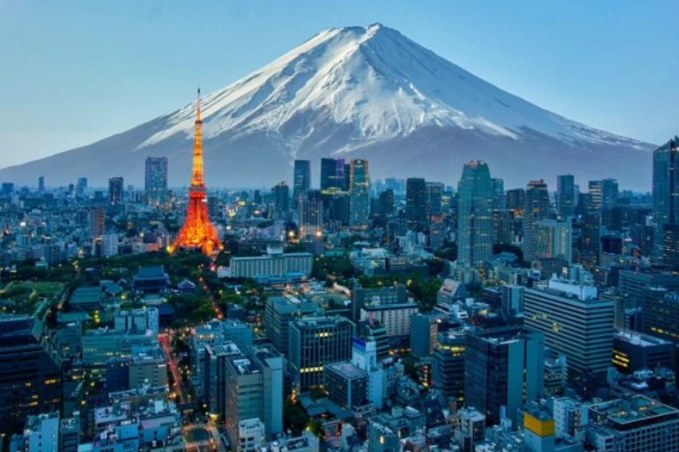
That's why I'm writing this. Not as a distant expert, but as someone who's made the mistakes so you don't have to. This isn't a list of every single attraction. It's a practical, street-level guide to experiencing Tokyo travel the right way—efficiently, affordably, and with a lot of wonder.
Why Tokyo? More Than Just Neon and Anime
Before we dive into the logistics, let's talk about the soul of the place. Tokyo travel offers a unique paradox. It's a hyper-modern metropolis where you can find a 400-year-old temple nestled between skyscrapers. It's incredibly efficient yet deeply traditional. The order is palpable—people queue perfectly for trains, streets are spotless—but within that order exists boundless creativity.
You come for the spectacle, but you'll remember the moments in between. The quiet bow of a shopkeeper. The exquisite presentation of a 500-yen convenience store bento box. The sudden discovery of a tiny, world-class cocktail bar down an alley you almost didn't enter.
That's the real goal of any Tokyo travel plan: to create space for those unexpected discoveries while hitting the icons.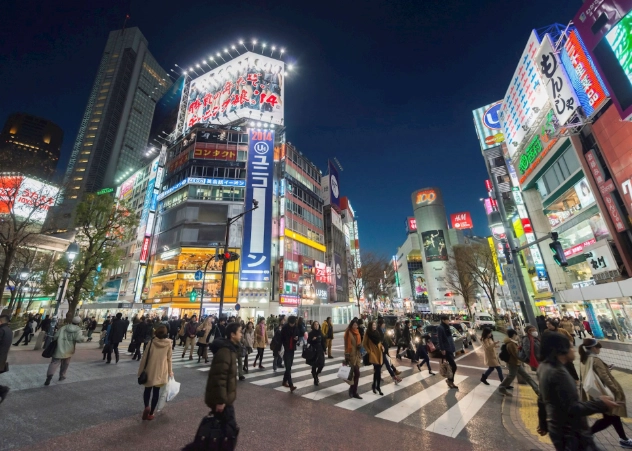
Getting Your Ducks in a Row: Pre-Trip Essentials
Okay, down to business. A smooth Tokyo travel experience starts long before you board the plane.
Visas, Money, and When to Go
First, check visa requirements. Citizens of many countries (like the US, UK, Canada, Australia, and most of the EU) get a 90-day tourist visa on arrival. Always confirm on the official source, like the Japanese Ministry of Foreign Affairs website, as rules can change.
Money-wise, Japan is still surprisingly cash-based in many smaller shops, restaurants, and temples. While major places take credit cards, you must carry yen. I'd get some at the airport ATM (they're plentiful and have English menus) and then use 7-Bank ATMs at 7-Eleven stores, which reliably accept foreign cards.
When is the best time for Tokyo travel? Everyone shouts "cherry blossom season!" (late March to early April). And yes, it's magical. But it's also the most crowded and expensive time of the year. Hotels book out months in advance, and parks are packed.
My personal favorite? Late October to November. The autumn leaves (koyo) are stunning, the weather is crisp and perfect for walking, and the crowds are thinner. Late February to March (before the blossoms) is also a great, chilly-but-clear option. Summer (June-August) is hot, humid, and rainy—I'd avoid it for a first trip unless you handle heat well.
| Season | Pros | Cons | My Take |
|---|---|---|---|
| Spring (Mar-May) | Cherry blossoms, mild weather, festive atmosphere. | Extremely crowded, peak prices, booked-out accommodations. | Iconic but stressful. Only if this is a lifelong dream. |
| Summer (Jun-Aug) | Festivals (matsuri), vibrant green landscapes. | Hot, humid, rainy (typhoon risk in Aug/Sep), muggy. | Hard pass for a first-timer. The humidity is no joke. |
| Autumn (Sep-Nov) | Beautiful fall foliage, pleasant temperatures, great food. | Can be busy in late Nov, some rain in September. | The sweet spot. Perfect for exploration. |
| Winter (Dec-Feb) | Illuminations, fewer crowds, possible day trips to snow. | Can be quite cold, shorter daylight hours. | Underrated! Cozy and beautiful, great for foodies. |
The Golden Rule: Book Accommodation EARLY
Tokyo hotels, especially the well-located and reasonably priced ones, sell out fast. I'm talking 3-4 months in advance for popular seasons. Don't wait. Areas like Shinjuku, Shibuya, Ginza, and Tokyo Station are fantastic transport hubs. But consider places like Asakusa or Ueno for a slightly quieter, more traditional vibe (and often better value).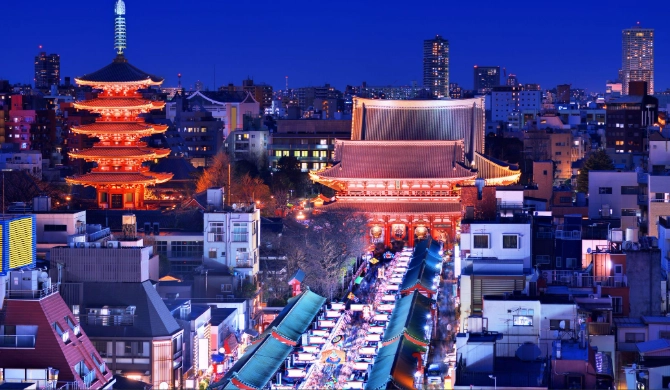
And hey, while capsule hotels are a fun novelty for a night, I wouldn't recommend them for your entire Tokyo travel stay. The lack of personal space and constant shuffling gets old fast.
Crafting Your Tokyo Travel Itinerary: A 5-Day Blueprint
Here’s a balanced 5-day Tokyo travel itinerary that mixes must-sees with local flavor. Feel free to mix and match days based on your interests.
Day 1: Iconic Tokyo & First Impressions
Start big. Head to Shibuya. Exit the station at the famous Hachiko exit and dive straight into the scramble crossing. Do it a few times from different angles. It's chaos, but it works. Then, for a killer (and free) view, go to the rooftop of the MAGNET by SHIBUYA 109 building. It costs a few hundred yen but saves you the queue for the Shibuya Sky observation deck.
From there, a short train ride to Harajuku. Takeshita Street is the famous, crowded, sugary heart of kawaii culture. It's a spectacle. Honestly? It's a bit of a tourist trap now, packed with generic crepe stands and souvenir shops. The real charm is in the backstreets of Harajuku and neighboring Omotesando, full of unique designer boutiques and cool cafes.
End your day in Shinjuku. Wander the electric chaos of Kabukicho (stay on main streets at night), see the Metropolitan Government Building for a free panoramic view (the south tower is often less crowded), and find a tiny izakaya (pub) in the Omoide Yokocho "Piss Alley" for yakitori and beer.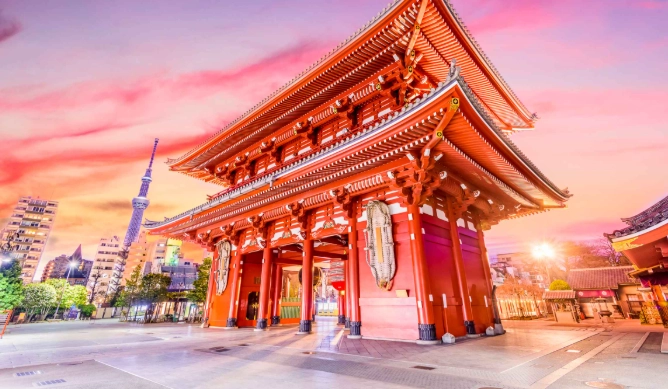
Day 2: Modernity, Art, and a Dose of Serenity
Head east to teamLab Planets TOKYO in Toyosu. Book your ticket weeks in advance online. This digital art museum is an experience—you walk through water, wander in gardens of light. It's worth the hype and the trip. Nearby is the new Toyosu Fish Market (the successor to Tsukiji). The inner wholesale market is restricted, but the outer market buildings have fantastic sushi restaurants where you can eat incredibly fresh seafood.
In the afternoon, take the Yurikamome automated train over the Rainbow Bridge to Odaiba. It's a futuristic artificial island with shopping malls, the replica Statue of Liberty, and great views back towards the city. The teamLab Borderless museum is slated to reopen here in 2024 as well.
Feeling overwhelmed by the futurism? Finish your day back in central Tokyo at Hamarikyu Gardens, a beautiful classical landscape garden with a tea house on a pond. The contrast is startling and lovely.
Day 3: The Historic Heart & Cultural Immersion
Today, step back in time in Asakusa. This is old Tokyo. Walk through the thunderous Kaminarimon (Thunder Gate) and down the bustling Nakamise-dori shopping street towards Senso-ji Temple. It's touristy, yes, but it's also genuinely historic and vibrant. For a quieter moment, go to the adjacent Asakusa Shrine.
From Asakusa, take a Tokyo Cruise boat down the Sumida River to Hinode Pier. It's a relaxing way to see the city from a different angle. From there, you can walk or take a short train to the Imperial Palace East Gardens. You can't enter the main palace grounds without a special tour (bookable through the Imperial Household Agency website), but the East Gardens are free, expansive, and peaceful.
Day 4: Neighborhood Deep Dive & Pop Culture
Pick your passion. Are you into electronics, anime, and quirky culture? Then Akihabara is your mecca. Spend hours in multi-story arcades, electronics shops (like Yodobashi Camera), and anime goods stores. Don't miss the Gachapon Hall for capsule toy machines. The vibe is uniquely, intensely otaku.
More into trendy fashion, indie art, and a bohemian feel? Shimokitazawa is your spot. It's a labyrinth of narrow streets packed with vintage clothing stores, record shops, tiny theaters, and fantastic coffee roasteries. It feels like a village within the city and is a favorite among young locals.
For a more upscale, refined neighborhood exploration, spend your day in Ginza. Window-shop at flagship stores, visit department store food basements (depachika—a culinary wonderland), and have a coffee at a classic kissaten (coffee shop).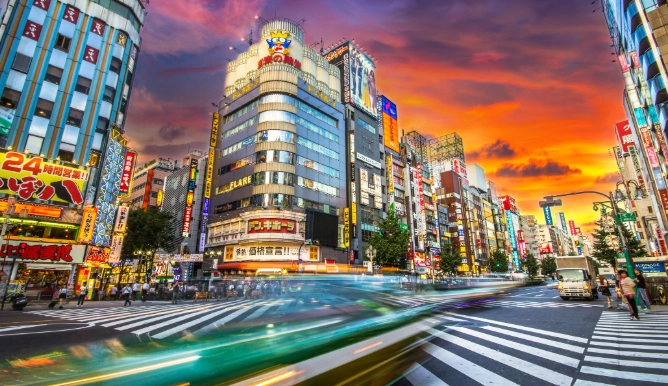
Day 5: Your Choice & Last-Minute Discoveries
Use your last day to revisit a favorite area, shop for souvenirs, or tackle something you missed.
- Ueno Park: Museums (like the Tokyo National Museum), a zoo, and street performers.
- Roppongi: For art at the Mori Art Museum and nightlife (be mindful of touts in the main nightlife area).
- Yanaka Ginza: A "shitamachi" (old downtown) area that survived the war and earthquakes. It's a slow, charming street with traditional snacks and a cemetery park full of stray cats.
My last day ritual? I find a department store depachika, buy a beautifully crafted bento box, and have a picnic in a park like Shinjuku Gyoen or Yoyogi Park. It's the perfect, quiet farewell to the city's obsession with quality and detail.
Getting Around Tokyo: Conquering the Train System
This is the part that intimidates people the most. The Tokyo metro map looks like a bowl of colorful spaghetti. But I promise, it's logical and, once you get it, incredibly efficient.
Step 1: Get a Suica or Pasmo card. Immediately. You can buy these rechargeable IC cards at any major station from a machine (there's an English button). Tap it to enter and exit any train, subway, or bus. You can even use it at convenience stores, vending machines, and many shops. It's the skeleton key to the city. The Welcome Suica and Pasmo Passport are versions for tourists that you can get at the airport.
Step 2: Use Google Maps or Apple Maps. Seriously, they are lifesavers. Type in your destination, select the transit option, and it will tell you exactly which line to take, which platform, the departure time, the cost, and even which car to board for the most efficient transfer. It's accurate to the minute.
Key things to know:
- There are multiple operators: JR East lines (like the Yamanote Loop Line, which circles central Tokyo), Tokyo Metro, and Toei Subway. Your IC card works on all of them.
- The Yamanote Line is your best friend. It connects Shinjuku, Shibuya, Harajuku, Tokyo, Ueno, and Ikebukuro in a loop.
- Trains stop running around midnight. Taxis are expensive, so plan your nights out accordingly.
- During rush hour (7:30-9:30 AM), certain lines are packed. Avoid them if you can, or just go with the flow—it's an experience in itself.
Eating in Tokyo: A Food Lover's Playground
Food is half the reason for Tokyo travel. From Michelin stars to street stalls, the quality is consistently astounding.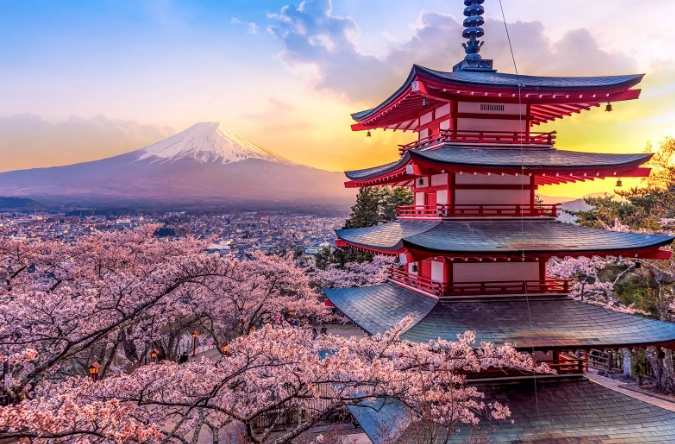
Must-Try Foods
- Sushi/Sashimi: Go to a conveyor belt (kaiten-zushi) like Sushiro or Kura Sushi for fun and value. For a sublime experience, try to book a counter seat at a small sushiya (sushi restaurant)—expect to budget for it.
- Ramen: A universe in itself. Shoyu (soy), shio (salt), miso, tonkotsu (pork bone). Don't be shy about slurping. Ichiran is a famous chain with private booths, but find a local shop with a vending machine outside for tickets.
- Tempura: Light, crisp, and not greasy. A good tempura-ya is a revelation.
- Yakitori: Grilled chicken skewers, best enjoyed with a beer in a smoky izakaya.
- Convenience Store (Konbini) Food: 7-Eleven, FamilyMart, Lawson. Their onigiri (rice balls), sandwiches, and fried chicken are legitimately delicious and a budget traveler's savior.
How to Find and Eat at Great Places
Look for lines of locals. That's the best indicator. Use Tabelog (Japan's Yelp, scores out of 5, a 3.5 is very good). Don't be afraid of restaurants with plastic food displays or ticket machines—they make ordering easy.
A note on etiquette: It's polite to say "itadakimasu" before eating and "gochisosama deshita" after. Don't stick your chopsticks upright in rice. It's generally okay to slurp noodles. And you'll be given an oshibori (wet towel)—use it to clean your hands, not your face.
Where to Stay: Tokyo Travel Accommodation Breakdown
| Area | Vibe | Best For | Considerations |
|---|---|---|---|
| Shinjuku | Energetic, major transport hub, business & nightlife. | First-timers, nightlife lovers, easy access everywhere. | Can be noisy, Kabukicho area can feel seedy at night. |
| Shibuya | Youthful, trendy, fashion-forward, central. | Younger travelers, shoppers, those wanting to be in the heart of the action. | Very busy, accommodations can be pricey for the size. |
| Ginza/Tokyo Stn | Upscale, polished, excellent transport (especially for Shinkansen). | Luxury travelers, foodies, those taking day trips. | More expensive, can feel less "neighborhoody" at night. |
| Asakusa | Traditional, historic, more relaxed pace. | Culture seekers, budget travelers, a different side of Tokyo. | Further from some western hubs like Shibuya/Shinjuku. |
| Ueno | Down-to-earth, great park & museums, good value. | Families, museum-goers, budget-conscious travelers. | Not as glitzy, some parts feel a bit dated. |
| Roppongi | International, nightlife, art museums. | Nightlife, art lovers, expat scene. | Be wary of touts in the main nightlife district after dark. |
Practical Tokyo Travel Info & FAQs
Let's tackle those niggling questions that pop up when planning.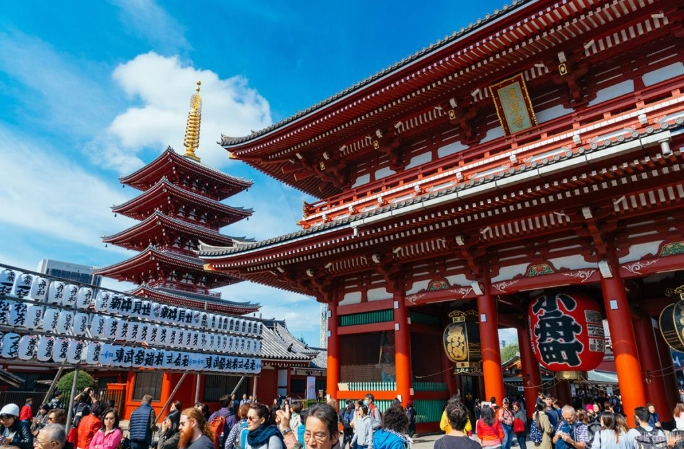
Is Tokyo expensive?
It can be, but it doesn't have to be. You can have a $300 sushi dinner or a $10 ramen bowl that's mind-blowing. Accommodation and long-distance transport are your biggest costs. Use local trains, eat at casual spots and konbini, and stay in business hotels to keep costs down. Free attractions like temples, parks, and city views abound.
How many days do I need?
Five days is a solid minimum to hit the highlights without being a marathon. A week allows for a day trip (like Kamakura or Nikko) and more neighborhood exploration. For a deep dive, 10 days or more is fantastic.
Do I need to speak Japanese?
Not at all for the standard Tokyo travel route. In train stations, major shops, and restaurants, you'll find English signs and often English menus. Learning a few key phrases (hello, thank you, excuse me, please, this one) is appreciated and goes a long way. People are incredibly helpful even with a language barrier.
What about internet access?
Essential. Rent a pocket WiFi device (pick up at the airport) or buy a Japanese SIM card/eSIM for tourists. Having constant data for maps and translation is non-negotiable for a stress-free trip.
Is it safe?
Tokyo is one of the safest large cities in the world. You can walk around at night with a high degree of comfort. Normal precautions apply (watch your belongings in crowds), but violent crime against tourists is exceedingly rare.
Beyond the Basics: Leveling Up Your Tokyo Travel
Once you've got the essentials down, here's how to make your trip truly special.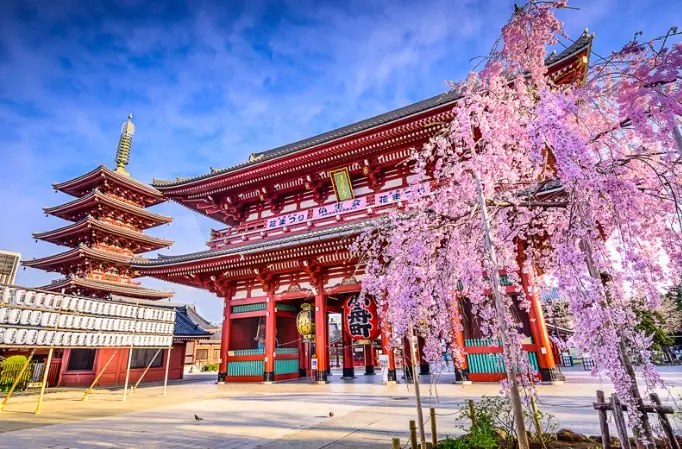
- See a Sumo Match: If your trip coincides with one of the six annual Grand Tournaments (three are in Tokyo), get tickets. It's an incredible spectacle. The Japan Sumo Association website has schedules.
- Visit a Sento (Public Bath): For a local experience, find a neighborhood sento. Wash thoroughly before getting in the communal baths. It's relaxing and cultural. (Note: Most do not allow tattoos; some have private rental options or are more foreigner-friendly.)
- Take a Day Trip: Tokyo is a great base. Go to Kamakura for the giant Buddha and temples by the sea. Or Nikko for breathtaking shrines and nature. Hakone for onsens (hot springs) and views of Mt. Fuji (on a clear day!).
- Attend a Festival (Matsuri): Check local listings. From the Sanja Matsuri in Asakusa (May) to smaller neighborhood festivals, they're chaotic, joyous, and unforgettable.
Look, the biggest mistake you can make on your Tokyo travel adventure is trying to see and do everything. You'll exhaust yourself. The city is vast. Pick a few themes, leave gaps in your schedule to wander, and be ready to be surprised.
It's a city that rewards curiosity. Turn down that narrow alley. Peek into that unassuming basement bar. Try the strange-looking pastry. That's where the magic happens, far from the guidebook lists.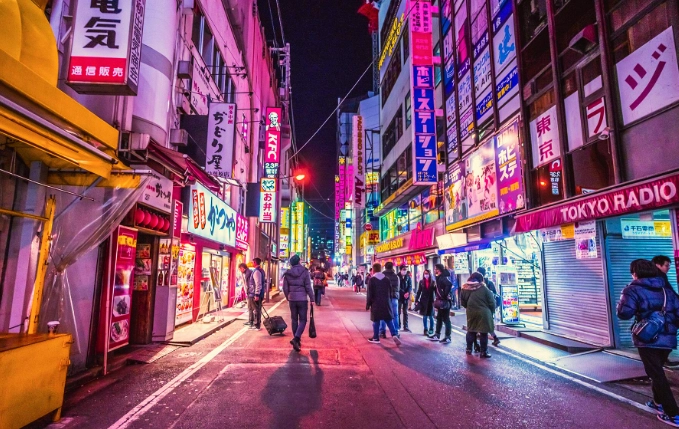
Tokyo doesn't just give you a holiday; it gives you a perspective shift. You'll come home a little more patient, a little more appreciative of detail, and already planning your next trip back to explore what you missed. And trust me, you will miss something. That's the point.
Have an incredible time.


Comments