Let's be honest. You're standing in the duty-free shop at New Chitose Airport, staring at a wall of "White Lover" and "Royce" chocolate boxes. Everyone else has the same idea. Your suitcase is half-empty, waiting for something that actually says "Sapporo," not just "airport gift shop." I've been there. After a decade of trips to Hokkaido, I've learned that the best Sapporo souvenirs aren't always the most advertised ones. They're the things locals actually enjoy, the products with a story tied to this specific, snowy, dairy-rich island. This guide is about finding those.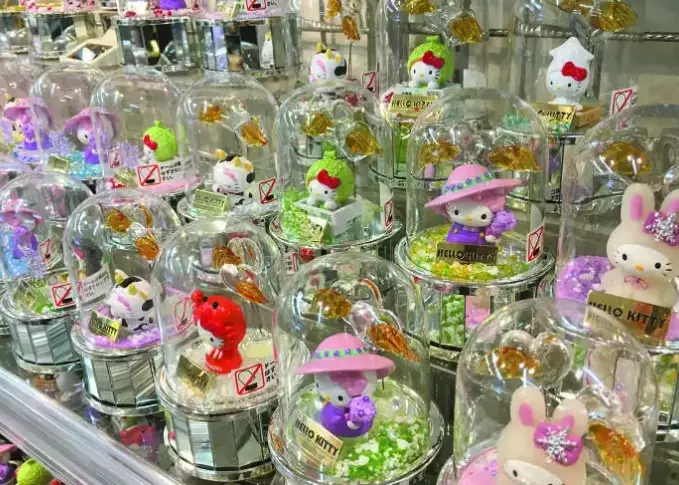
Your Sapporo Souvenir Cheat Sheet
The Edible Souvenirs You Can't Miss
Hokkaido is Japan's breadbasket. The milk is richer, the potatoes are fluffier, and the seafood is absurdly fresh. Your souvenir strategy should start with food, but move beyond the obvious.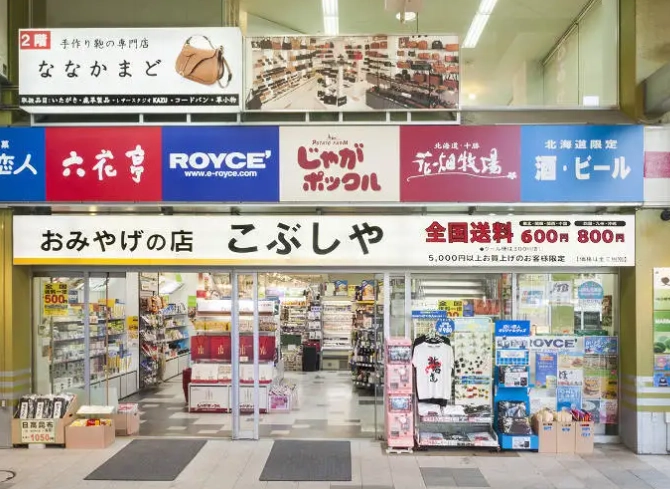
Dairy Delights Beyond Butter
Yes, Hokkaido butter is famous. But carrying a stick of butter home is... a choice. Instead, look for products that capture that creamy richness in a more travel-friendly form.
Sapporo Cheese Karinto: This is a game-changer. Imagine a sweet, crunchy traditional Japanese snack (karinto) fused with the sharp, savory punch of aged Sapporo cheese. It's addictive. Brands like Furano Cheese Factory make excellent versions. A bag costs around 500-800 yen. You'll find it in depachika (department store basements) like in Daimaru or Esta.
Fromage Crème Cookies: Forget the over-hyped ones for a second. Seek out "Sapporo Gakuin" cookies. They're less sweet, with a tangier cream cheese filling that feels more sophisticated. Locals often buy these for themselves, not just as gifts. A box is about 1200 yen.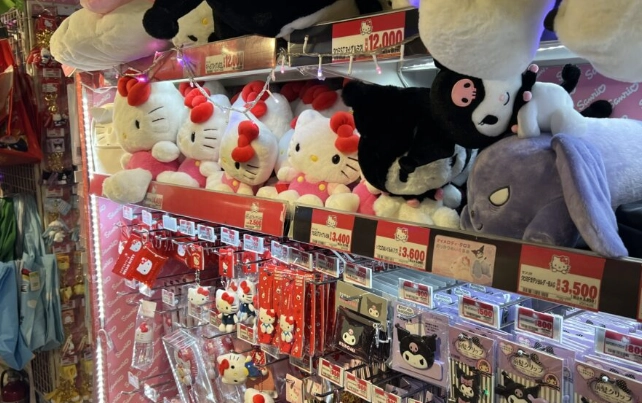
The Chocolate Conversation
Royce' Nama Chocolate is deservedly famous. The melt-in-your-mouth texture is unreal. But here's the insider move: buy it at the airport on your way out. They have dedicated freezers right before security. Don't burden your hotel minibar with it for days. The potato chip chocolate is their other iconic product, but it's a polarizing texture—salty, crunchy, and chocolatey all at once. Try a small bag first.
The bigger mistake is ignoring smaller chocolatiers. Shiroi Koibito (White Lover) is the symbol, but honestly, it's a shortbread cookie with white chocolate. It's fine. The factory tour is fun. But for something more unique, look for chocolate made with Hokkaido red wine or lavender-infused chocolate from Furano region makers sold in Sapporo shops.
Savory & Soup Secrets
This is where you can really impress. Hokkaido's miso ramen is a national treasure, and you can bring it home.
Sapporo Ichiban Original Miso Ramen: Not the instant cup, but the actual fresh noodle kits sold in refrigerated sections of supermarkets like Seijo Ishii or AEON. They come with fresh noodles, miso paste, and lard packets. You need to keep them cool, so this is a last-day purchase, but it's the closest you'll get to the real deal abroad. A pack is about 400-600 yen.
Soup Curry Roux: Soup curry is a Sapporo-born dish—a brothier, spicier cousin of Japanese curry. Companies like Picante (a famous local chain) sell take-home roux packs. You can find them at their restaurants or in the souvenir section of JR Tower STELLAR PLACE. Choose your spice level carefully; level 3 is plenty for most.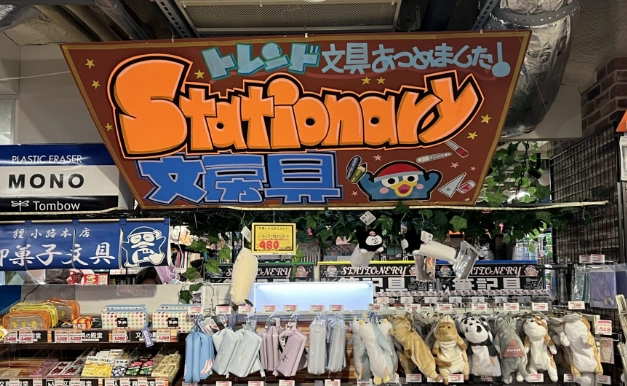
Non-Food Treasures & Unique Finds
Not everything needs to be eaten. Sapporo and Hokkaido have a craft and design scene rooted in its climate and culture.
Glassware from the North
The city of Otaru, a 30-minute train ride from Sapporo, is famous for its glassworks (glass is called "Garasu" in Japanese). While you can visit Otaru, many of the best pieces are sold in Sapporo.
Kitaichi Glass: Perhaps the most famous. Their oil-and-water style lamps and delicate glassware are beautiful. But they're fragile and heavy. For a more practical souvenir, look for their glass sake cups (ochoko) or wind chimes (furin). A small piece can start around 2000 yen. Find them at their shop in the Tanukikoji Arcade or at the airport.
A less touristy option is seeking out modern Hokkaido glass artists. Shops like "Craft & Design Hokkaido" in the Sapporo Factory complex feature work from local artisans—unique jewelry, vases, and ornaments you won't see elsewhere.
Textiles with a Story
Hokkaido's indigenous Ainu people have distinctive patterns used in wood carving and embroidery. Reproducing these patterns respectfully is an important part of local craft.
Look for tenugui (thin cotton towels) or handkerchiefs with modern interpretations of Ainu-inspired designs or patterns depicting Hokkaido wildlife (red-crowned cranes, foxes, bears). They're lightweight, practical, and support local artists. Shops in the Hokkaido University area or the Historical Village of Hokkaido gift shop often carry these.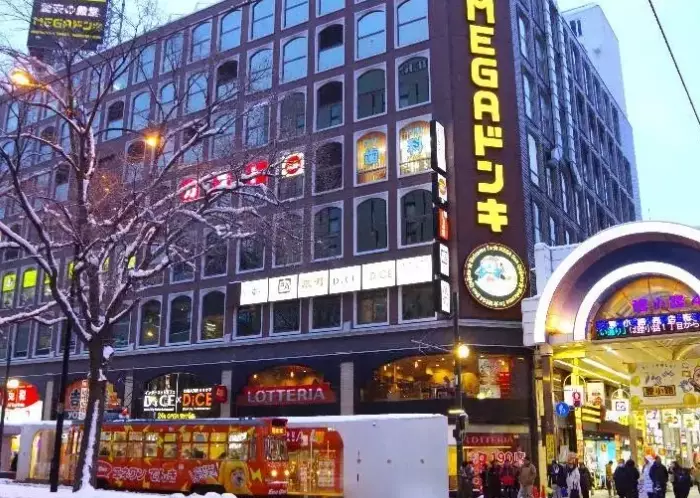
The Quirky & Collectible
Sapporo Snow Festival Merch: If you visit during the famous Yuki Matsuri (February), official merchandise like pins, mugs, or posters is a great memory. Outside the season, you might find leftover stock at the Sapporo Tourist Information Center (TIC) in JR Sapporo Station.
Jozankei Onsen Goods: Jozankei, a hot spring town just outside Sapporo, sells excellent onsen powder (hot spring bath salts) that capture the mineral-rich waters. It's a slice of relaxation you can take home. Available at the resort shops or in Sapporo department stores' cosmetic sections.
Where to Shop: From Department Stores to Hidden Alleys
Location is everything. Each area has a different vibe and product mix.
JR Sapporo Station / STELLAR PLACE / PASEO: This is your one-stop efficiency hub. The depachika at Daimaru Sapporo is legendary for food souvenirs. Everything is here, from Royce to rare regional sweets. It's crowded, especially evenings. PASEO and APIA underground malls have smaller gift shops with a good curated selection. Perfect for last-minute, high-quality shopping.
Tanukikoji Shopping Arcade: This long, covered shotengai is more eclectic. You'll find a mix of tourist souvenir shops, old-school confectioners, kitchenware stores, and the aforementioned Kitaichi Glass. Prices can be better here, and you can haggle a tiny bit in some smaller shops. It's less overwhelming than the station. Don't miss the side alleys for smaller craft shops.
Nijo Market & Curb Markets: For foodies. Nijo Market is tourist-focused but has excellent dry scallops (kaibashira), crab miso, and kelp (kombu). For a more local experience, try Jogai Market (Sapporo Central Wholesale Market Curb Market). You can buy vacuum-sealed salmon, uni (sea urchin) paste, and other seafood products for travel. Go early in the morning.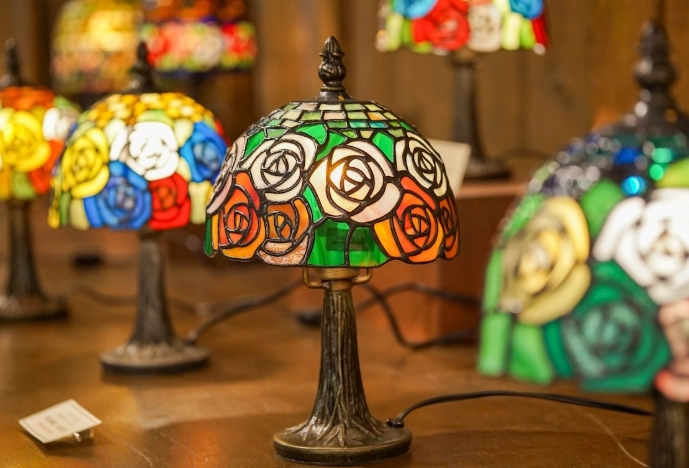
New Chitose Airport: Don't underestimate it. The "Sweet Heaven" area has every famous Hokkaido confectionery under one roof. The Royce' freezer shop is right where you need it. They also have a great selection of non-perishable souvenirs, liquor, and regional crafts. It's your safety net for anything you forgot.
Expert Tips for Souvenir Success
This is the stuff most lists don't tell you.
Tax-Free Shopping: Most major stores in tourist areas offer tax-free (8-10% off) for purchases over 5000 yen (before tax) on consumables and general goods. You must have your passport with you. The staff will seal the items in a special bag—you're not supposed to open it until you leave Japan. It's a significant saving.
The "Omiyage" Culture: In Japan, you're expected to bring back small gifts (omiyage) for coworkers, family, and friends. This is why individual-packaged sweets are so prevalent. A safe, appreciated choice is a box of nice cookies or candies that can be shared. Count how many people you need to give to before you shop.
Packaging vs. Product: Japanese gift packaging is an art. A beautifully wrapped box might contain fewer or smaller items than a plainer one for the same price. Check the weight or number of pieces listed. Sometimes, the simpler packaging aimed at locals is better value.
My Personal Rule: I always buy one "showstopper" item (a nice piece of glass, a special sake set) and several smaller, edible items for sharing. This balances uniqueness with tradition.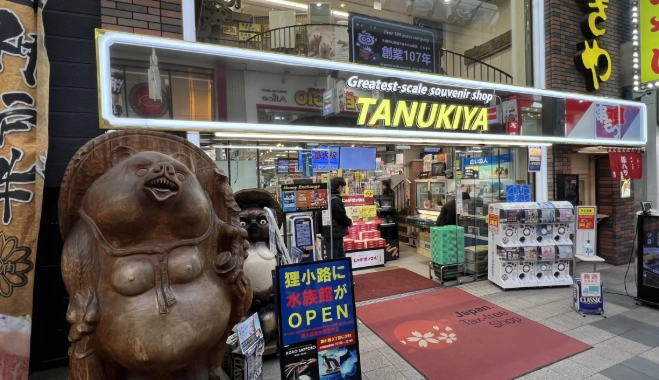
Your Souvenir Questions, Answered
What's the best Sapporo souvenir for someone who doesn't like sweet food?
Head straight for the savory aisle. Soup curry roux packs are a fantastic choice—they're unique to Sapporo and offer a cooking experience. High-quality dried scallops or strips of kombu (kelp) from Nijo Market make for luxurious cooking ingredients. Sapporo Cheese Karinto provides that cheesy, savory crunch. For a non-food option, a tenugui towel with Hokkaido designs is practical and artistic.
How can I pack fragile glassware or chocolate safely in my checked luggage?
For glass, the shop will usually pack it well in bubble wrap and a box. Your job is to buffer it in the center of your suitcase. Wrap it in your thickest clothing—a sweater or jeans. Place it so it's not touching the hard sides of the suitcase. For chocolates like Royce, if you're not buying at the airport, use a small insulated lunch bag with a freezer pack. Pack it in your carry-on if possible, as checked luggage holds can get very cold or hot. Always declare you have perishables if you carry them on.
Are souvenirs cheaper in Sapporo city or at New Chitose Airport?
The prices are almost always standardized. You won't find Royce or Shiroi Koibito significantly cheaper in one place or another. The advantage of the city is selection and uniqueness—you can find smaller brands, fresh noodles, and local crafts. The airport's advantage is convenience and consolidation—everything is there, it's tax-free, and it's designed for travel. For common branded items, the airport is fine. For anything special, shop in the city.
What's a common souvenir mistake first-time visitors make?
Buying everything on the first day. You'll see a shop, get excited, and load up. Then you'll see the same items cheaper or better packaged elsewhere, or you'll find something you like more. It also means you're hauling stuff around for your whole trip. Do a reconnaissance stroll first, note prices and selections, then make your purchases strategically towards the end. The other mistake is buying only the most advertised items. Venture into a depachika and look at what's flying off the shelves—that's what locals are buying.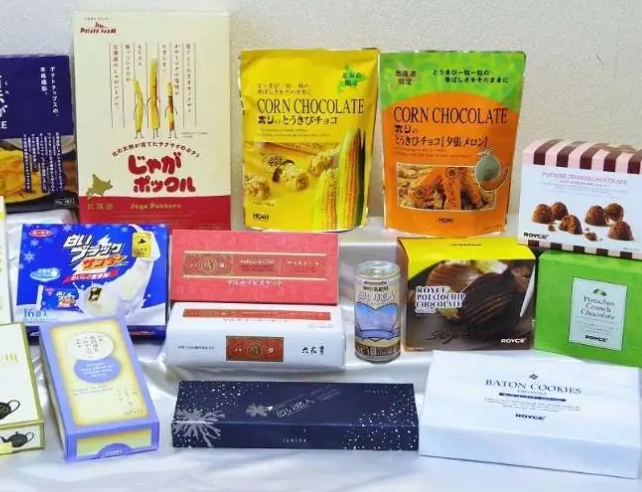

Comments