Explore This Guide
- Why Bother with Kamakura? (And Who It's Actually For)
- The Heart of Kamakura Travel: The Must-Sees & The Overrated
- Getting There & Getting Around: No-Nonsense Logistics
- What to Eat in Kamakura (Beyond Tourist Ice Cream)
- Crafting Your Perfect Kamakura Travel Itinerary
- Kamakura Travel: Your Burning Questions Answered
- Final Thoughts Before You Go
So you're thinking about a Kamakura travel adventure. Good choice. Everyone talks about Kyoto, but Kamakura? It's like Kyoto's cooler, more relaxed cousin who lives by the beach. Just an hour south of Tokyo's chaos, you'll find yourself surrounded by ancient temples, a giant bronze Buddha that's seen centuries go by, and winding streets that feel a world away from Shibuya Crossing.
I've lost count of how many times I've hopped on the train from Shinjuku for a Kamakura day trip. Sometimes it's just to clear my head, other times to show friends around. Each visit feels a bit different. The first time, I made all the classic mistakes – trying to see everything in three hours, getting stuck in the weekend crowds at the Great Buddha, missing the last train from Enoshima. Let's just say I learned the hard way so you don't have to.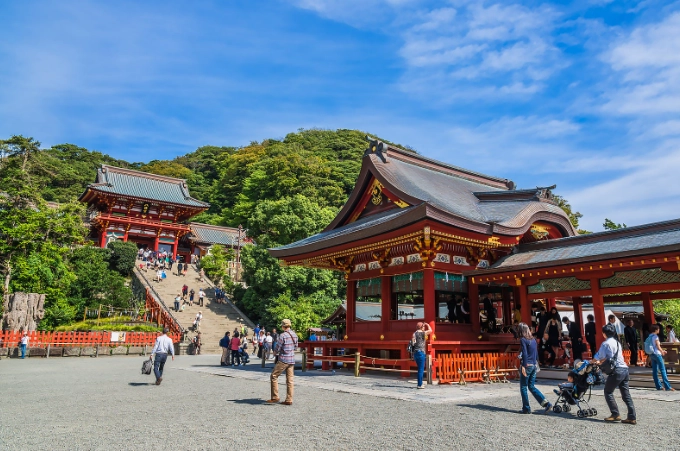
Why Bother with Kamakura? (And Who It's Actually For)
Look, if you want neon lights and karaoke boxes, stay in Tokyo. Kamakura travel is for people who want a slice of old Japan without the overwhelming crowds of Kyoto (though, full disclosure, Kamakura gets packed too, just on a smaller scale). It's perfect for history buffs, temple enthusiasts, casual hikers, photographers, and anyone who needs a break from city concrete.
It's also incredibly flexible.
You can do a whirlwind half-day trip just to see the Great Buddha and Hase-dera. You can spend a full, leisurely day exploring the eastern and western temple circuits. Or, my personal recommendation, turn it into a weekend getaway, combining temple visits with beach time at Yuigahama or exploring the island of Enoshima. The Japan National Tourism Organization often highlights Kamakura as a premier cultural day trip, and for good reason.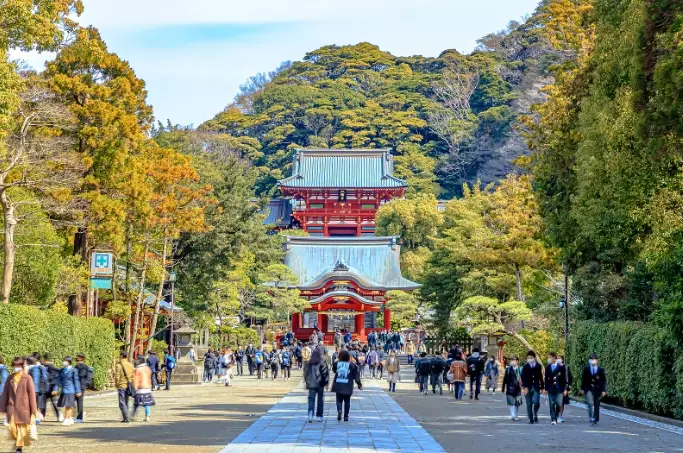
The Heart of Kamakura Travel: The Must-Sees & The Overrated
Let's get real about the sights. Not everything is worth the hype, and some gems are surprisingly quiet.
The Great Buddha (Kotoku-in)
You can't talk about Kamakura travel without mentioning the Daibutsu. It's the poster child. And yes, you should see it. Sitting 13.35 meters tall in the open air (unlike the one in Nara, which is indoors), it's an impressive piece of 13th-century craftsmanship. The details on the curls of his hair, the serene expression – it's better up close.
Is it crowded? Almost always. Go as early as you can stomach, right when it opens at 8:00 AM. The light is softer for photos, and you might get a few minutes of relative peace before the tour buses arrive.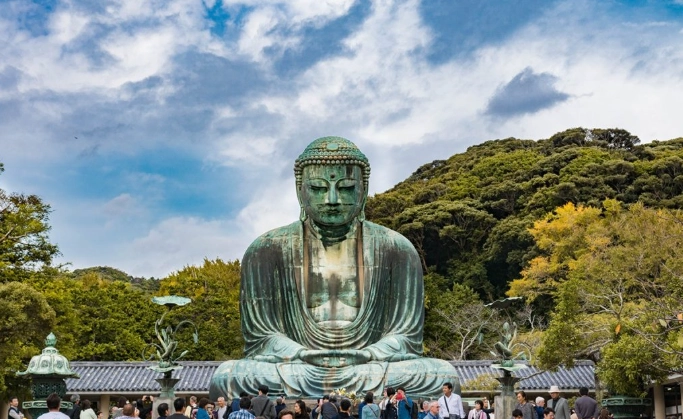
Hase-dera (Hase Temple)
A five-minute walk from the Buddha, this temple is often lumped in with the same visit. Don't treat it as an afterthought. Hase-dera is beautiful. The main hall overlooks the sea, and the gardens are meticulously kept. The cave filled with countless small statues of Benzaiten, the goddess of music and fortune, is cool and atmospheric (literally – a relief on a hot day).
But here's my slightly negative take: the climb. There are a lot of steps. Not a crazy mountain hike, but enough to make you pause if you have mobility issues or are just plain tired. The view from the top is nice, but if you're pressed for time or energy, the lower gardens are just as lovely.
Tsuruoka Hachimangu Shrine
This is the most important Shinto shrine in Kamakura, dedicated to Hachiman, the god of war and the patron god of the Minamoto clan (the samurai who established the Kamakura shogunate). The approach through the woods is stately, with three giant torii gates. The shrine itself is spacious and grand.
It can feel a bit... formal compared to the cozier temple gardens. The museum on the grounds houses some real samurai swords and armor, which is a big draw for history nerds. Check the official Kamakura City tourism website for seasonal events here; New Year's is absolute madness, but festivals in spring and autumn are fantastic.
The Hidden Gems Most People Walk Right By
This is where your Kamakura travel experience goes from good to great. Skip the packed main street from Kamakura Station to Hachimangu (Komachi Dori) for an hour and try these:
- Zeniarai Benten Shrine: You wash your money here. Literally. The legend says money washed in the spring water will double. It's kitschy, fun, and tucked into a hillside cave. The walk through the tunnel-like path is half the adventure.
- Hokokuji Temple (The Bamboo Temple): A small, quiet temple with a stunning grove of bamboo in the back. You can pay a little extra to have matcha green tea while sitting in a tatami room overlooking the bamboo. It's a moment of pure, Instagrammable peace. Worth every yen.
- Goryo Shrine & the Dankazura Path: A raised pedestrian pathway lined with cherry trees, leading from the west side of town towards the shrine. In cherry blossom season, it's magical. In other seasons, it's just a pleasant, elevated walk away from traffic.
Getting There & Getting Around: No-Nonsense Logistics
This is the practical glue that holds a good Kamakura trip together. Mess this up, and you'll waste time and money.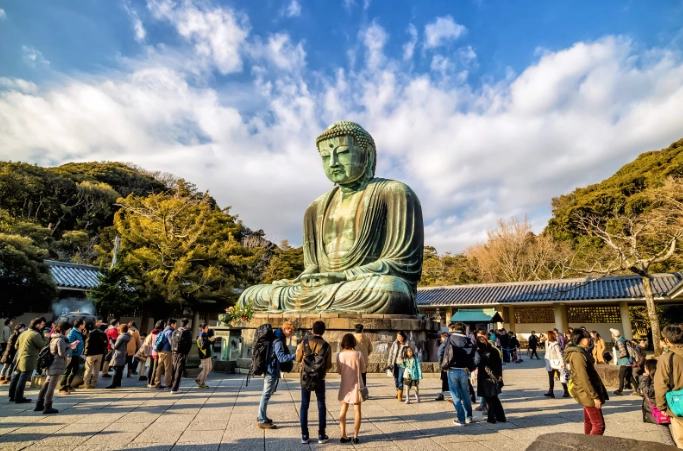
From Tokyo to Kamakura: Your Options, Ranked
| Route / Train Line | From (Tokyo) | Approx. Time | Approx. Cost (One Way) | Why Choose It |
|---|---|---|---|---|
| JR Yokosuka Line (Direct) | Tokyo, Shinagawa, Shimbashi | 55-60 mins | 920 yen | Most straightforward. Drops you right at Kamakura Station (the main hub). No transfers. |
| JR Shonan-Shinjuku Line (Direct) | Shinjuku, Shibuya, Ikebukuro | 60 mins | 920 yen | Best if you're staying on the west side of Tokyo. Also direct to Kamakura Station. |
| Odakyu Romancecar (Limited Express) | Shinjuku | 55 mins | 1,470 yen* | More comfortable reserved seats, scenic views. Goes to Fujisawa, then transfer to Enoshima Electric Railway. |
| JR Tokaido Line to Ofuna, then transfer | Tokyo, Yokohama | 70-80 mins | ~900 yen | Usually not the best option unless your timing aligns perfectly. |
* Romancecar requires a base fare + a limited express ticket. The Enoshima-Kamakura Free Pass from Odakyu is a great deal if you plan to use the Enoden line a lot.
Inside Kamakura: Walking, Bikes, and the Charming Enoden
Once you're there, most of central Kamakura is very walkable. The walk from Kamakura Station to Tsuruoka Hachimangu is about 15-20 minutes. To the Great Buddha area from Hase station on the Enoden is another 10-15 minute walk.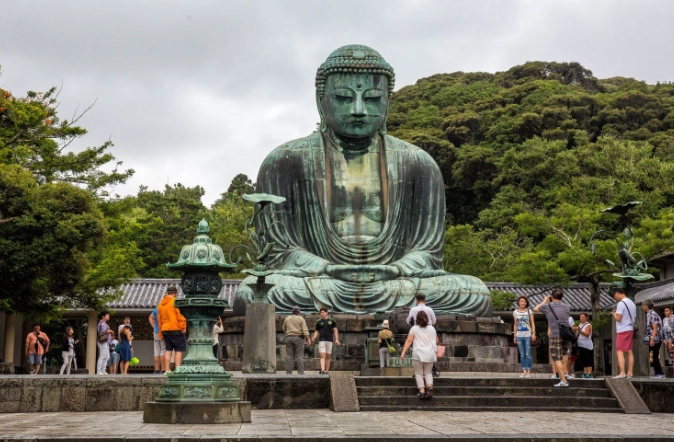
But for longer distances, like going from the Great Buddha to the bamboo grove at Hokokuji, consider:
- The Enoshima Electric Railway (Enoden): This single-track, vintage train that runs along the coast is an attraction in itself. It's slow, it's often crowded, but riding it with the sea views is a quintessential part of the Kamakura travel vibe. Get a day pass if you plan to use it more than twice.
- Renting a Bicycle: Numerous shops near Kamakura Station rent bikes for around 800-1,500 yen for the day. It's a fantastic way to cover more ground, especially to explore the western side (like the Zeniarai Benten shrine) or cruise along the beach road. Just be careful on some of the narrower, hillier paths.
- Local Buses: JR and Keikyu buses cover areas the train doesn't. Useful for reaching places like the Kamakura Museum of Literature or some of the more far-flung temples. Use Google Maps for real-time schedules.
What to Eat in Kamakura (Beyond Tourist Ice Cream)
Kamakura has its own food scene. It's not all about the purple sweet potato soft serve (though it's delicious, try it).
Local specialties you should seek out:
- Shirasu (Whitebait): Tiny, translucent fish caught locally. You can have them raw (nama shirasu), boiled (kama-age), or dried. They're served over rice (shirasu-don) – a simple, briny, and refreshing meal. The area around the fishing port in neighboring Enoshima is the best place for this.
- Kamakura Vegetables: The area is known for high-quality produce. Look for restaurants boasting "Kamakura yasai" on their menus. The tempura or simple boiled vegetable sides are often standout.
- Hato Sabure (Dove-shaped Butter Cookies): The classic Kamakura souvenir. They're buttery, crumbly, and not too sweet. Toshimaya is the most famous shop, right near the station. Perfect for taking home.
- Great Buddha Curry: Yes, it's a gimmick. Some restaurants near Kotoku-in serve curry rice molded into the shape of the Great Buddha's head. It's silly fun for lunch.
Crafting Your Perfect Kamakura Travel Itinerary
Here’s the thing – there is no single perfect itinerary. It depends on your time, energy, and interests. But to give you a solid template, here are two proven plans.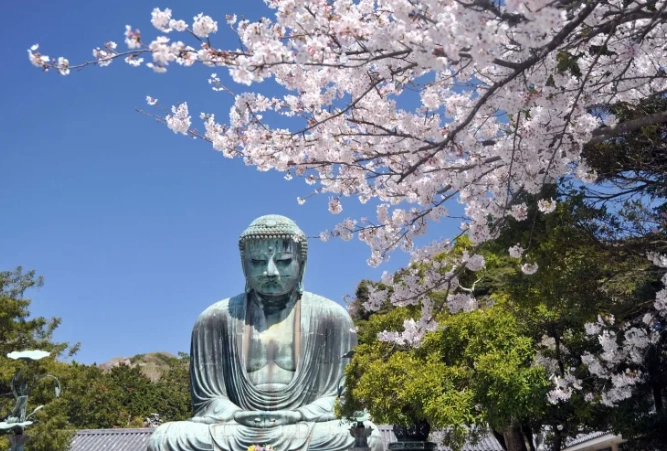
The Classic One-Day Kamakura Travel Blitz
This is for the time-pressed traveler who wants the highlights. It's a bit rushed, but doable.
- Morning (8:30 AM - 11:30 AM): Arrive at Kamakura Station via JR. Walk or take a bus to Tsuruoka Hachimangu Shrine. Explore the main grounds. If you're quick, peek at the museum.
- Late Morning (11:30 AM - 1:30 PM): Walk back towards the station along Komachi Dori. Grab a quick street food snack (try the croquettes!) or a light lunch. Hop on the Enoden line at Kamakura-kōkō-mae station heading towards Hase.
- Afternoon (1:30 PM - 4:30 PM): Get off at Hase Station. Visit Hase-dera Temple first for the sea views. Then walk to the Great Buddha (Kotoku-in). Take your time here, it's the main event.
- Late Afternoon (4:30 PM Onwards): If you have energy, take the Enoden one more stop to Inamuragasaki to catch a sunset over the water. Then take the Enoden back to Fujisawa and transfer to the JR train, or take a bus back to Kamakura Station.
The Leisurely Two-Day Kamakura & Enoshima Getaway
This is my preferred way to experience Kamakura travel. It lets you breathe.
Day 1: The Heart of Kamakura
Focus on the eastern side. Start with Tsuruoka Hachimangu, then wander the Dankazura path. Have a traditional lunch. In the afternoon, visit Hokokuji (the Bamboo Temple) for tea, then explore the quieter temples in that area like Jochi-ji. End your day with a nice dinner near Kamakura Station.
Day 2: The Great Buddha, Coast & Enoshima
Take the Enoden to Hase. See Hase-dera and the Great Buddha in the morning. Then, continue on the Enoden to the end of the line at Enoshima. Spend the afternoon exploring Enoshima Island – the shrines, the lighthouse (Sea Candle) for panoramic views, and the Samuel Cocking Garden. If it's summer, pack a towel and enjoy the beach at Yuigahama or Shichirigahama before heading back to Tokyo.
Kamakura Travel: Your Burning Questions Answered
I get asked these questions all the time. Let's clear them up.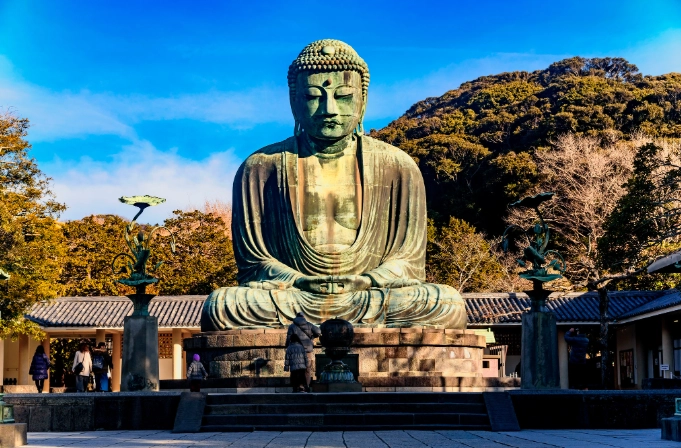
Final Thoughts Before You Go
Kamakura travel isn't about ticking boxes. It's not a competition to see the most temples. It's about stepping back in time, feeling the history in the mossy stone lanterns and ancient cedar trees, and letting the coastal breeze reset you.
Pack comfortable shoes – you'll walk more than you think. Bring a small coin purse for the 300-500 yen temple entry fees (they add up). Have a data SIM or pocket wifi so you can navigate the side streets without worry. And most importantly, leave some space in your plan to wander.
So book your train ticket, charge your camera, and get ready to discover why this seaside samurai town has been captivating visitors for over 800 years. Your Kamakura travel adventure awaits.

Comments