Walking into Ginzan Onsen for the first time feels like stepping onto a film set. Wooden ryokan with gabled roofs line both sides of the Ginzan River, connected by arched stone bridges. Steam rises from the hot spring drains along the water's edge, mixing with the cold mountain air. It’s breathtaking, yes, but also a place where logistics matter. I’ve been visiting this silver mountain hot spring town for years, and the difference between a good trip and a magical one often comes down to a few key details most first-timers miss.
This isn't just another list of pretty pictures. It's a practical guide built on getting things wrong so you can get them right. We’ll cover exactly how to get there (the train-bus combo is an experience in itself), where to stay to actually secure a room with a private bath (tougher than you think), and how to navigate the town when it’s buried under snow. Let’s get into it.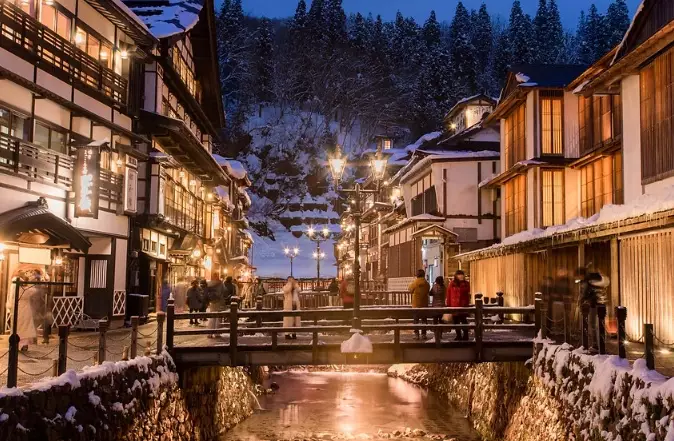
Your Ginzan Onsen Trip at a Glance
What Makes Ginzan Onsen Special? Beyond the Postcard
Ginzan Onsen, located in Obanazawa City, Yamagata Prefecture, was once a thriving silver mine in the 15th century. When the mining declined, the hot springs took over. The town you see today was largely rebuilt in the 1920s after a fire, giving it a unified Taisho-era romantic architectural style. It’s not an ancient village, but a deliberately crafted hot spring resort that achieved iconic status, partly thanks to appearing in the popular drama "Oshin" and, for many international visitors, inspiring the bathhouse in Studio Ghibli's "Spirited Away."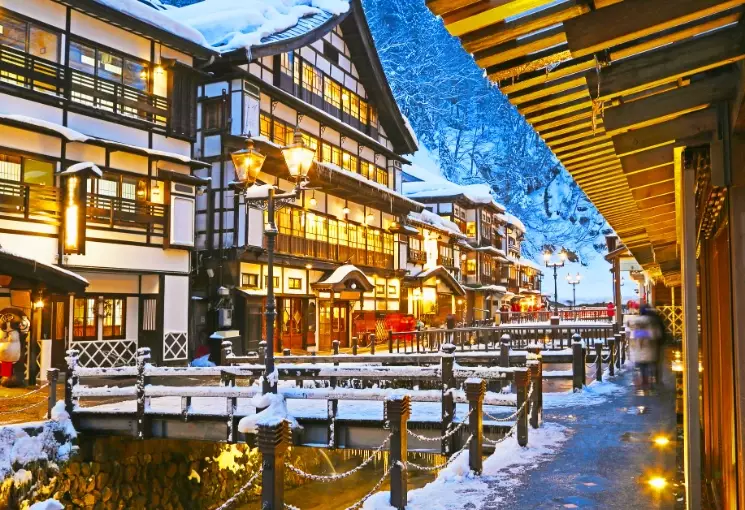
The magic is in the atmosphere, especially after dusk when gas lamps flicker on, illuminating the snow and reflecting off the river. The sound of the water and the sight of people in yukata shuffling between baths is the main event. There are no major temples or sprawling attractions. The attraction is the immersion.
What is the Best Time to Visit Ginzan Onsen?
Winter (December to March) is the undisputed peak season. The snow transforms the town into the iconic scene you’ve seen. However, "peak" also means crowded day-trippers from around 10 AM to 3 PM. For the best experience, you must stay overnight. The buses leave, the day crowds vanish, and the town reverts to a serene, lamplit wonderland just for the ryokan guests.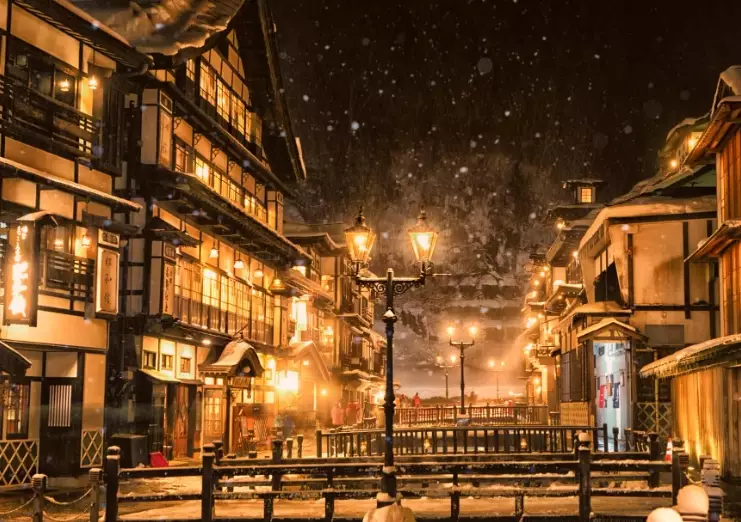
Shoulder seasons like autumn (October-November) offer stunning fall foliage without the extreme cold and slightly fewer people. Spring (April-May) is pleasant but the snow is gone, and it loses that classic look. Summer is quiet and green, but the hot spring experience feels less cozy. My non-consensus take? Late November or early December, just as the first snows settle but before the holiday rush, can be perfect.
How to Get to Ginzan Onsen: The Journey is Part of the Adventure
Ginzan Onsen is remote. There is no train station at the town. The standard and most scenic route is via Oishida Station on the JR Ou Main Line.
The Standard Route (From Tokyo)
- Shinkansen: Take the Yamagata Shinkansen from Tokyo Station to Oishida Station. The ride takes about 3 hours. Reserve your seat; it’s a popular route. You can use your Japan Rail Pass.
- Local Bus: From Oishida Station, board the dedicated Ginzan Onsen bus. The ride takes about 40 minutes through winding mountain roads. The bus schedule is tightly coordinated with Shinkansen arrivals. Check the latest timetable on the Yamagata Kotsu website. Missing the bus means a long, expensive taxi ride.
Cost (One Way from Tokyo): Shinkansen (~¥10,000) + Bus (~¥720) = ~¥10,720.
From Yamagata City: Take a local train to Oishida (about 50 mins), then the same bus.
By Car: Possible, but not recommended in winter unless you have extensive experience driving in heavy snow. Parking is extremely limited and often reserved for ryokan guests. The roads are narrow and can be treacherous.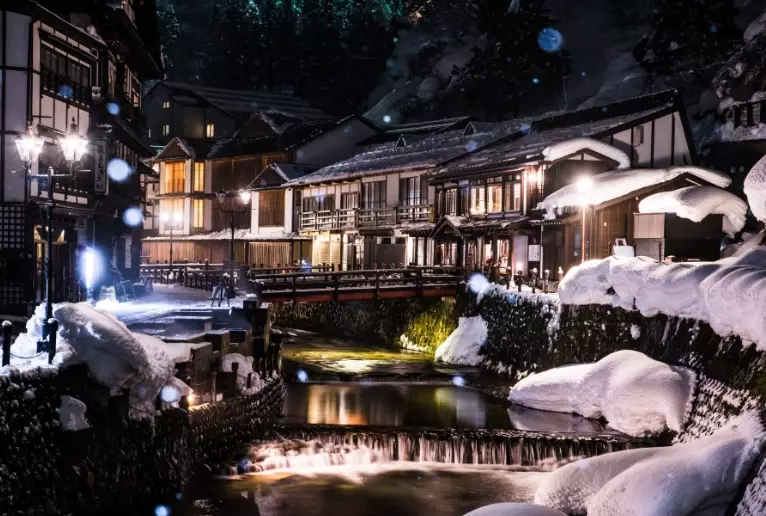
Where to Stay in Ginzan Onsen: A Ryokan Breakdown
This is the most important decision. There are about a dozen ryokan. They book up months in advance, especially for winter weekends. All offer kaiseki (multi-course) dinner and Japanese breakfast, and most have both public and private baths. The key differentiator is whether your room has a private open-air bath (kashikiri rotenburo). If you value privacy, this is worth the premium.
| Ryokan Name | Key Feature & Vibe | Private Bath in Room? | Price Range (Per Person, 2 pax) | Booking Tip |
|---|---|---|---|---|
| Notoya Ryokan | The iconic, most photographed ryokan. Central location, classic architecture. | Some suites have it. Limited availability. | ¥40,000 - ¥70,000+ | Book 4-6 months ahead. Be ready the moment reservations open. |
| Fujiya Inn | Historic, smaller, intimate feel. Excellent food. Less crowded public area. | Yes, in select rooms. | ¥35,000 - ¥50,000 | A great alternative to Notoya. Slightly easier to book. |
| Takimikan | Large, modern facilities. Has a large indoor public bath with waterfall. | Yes, in many rooms. | ¥30,000 - ¥45,000 | Good for families or those wanting more space and amenity options. |
| Ginzan-so | Budget-friendly option at the edge of town. Simple, clean, authentic. | No | ¥15,000 - ¥25,000 | Perfect if you just need a base and plan to use public foot baths. |
My personal experience at Fujiya was exceptional. The service was attentive without being intrusive, and the in-room bath overlooking a small private garden was worth every yen after a day in the snow. A mistake I made once? Booking a room without a private bath at a premium ryokan. The public baths were lovely, but waiting for a family to finish so I could have a moment alone at 10 PM was less than ideal.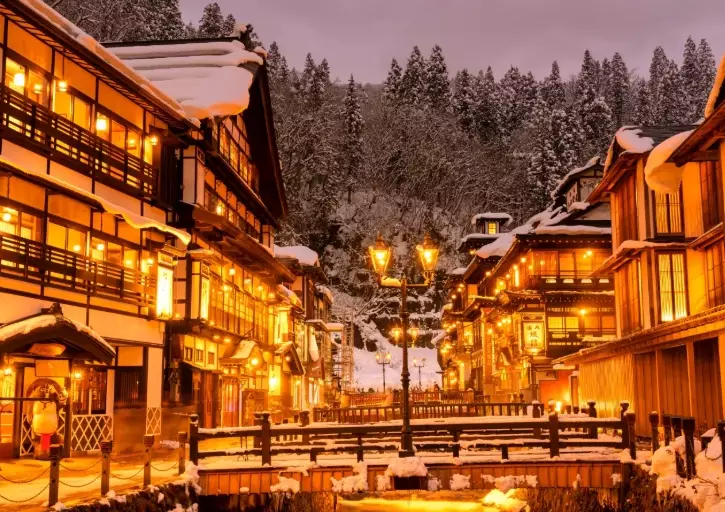
What to Do & See in Ginzan Onsen (It's About the Experience)
Again, the activity is being there. But here’s how to fill your time meaningfully.
1. Public Foot Baths (Ashiyu)
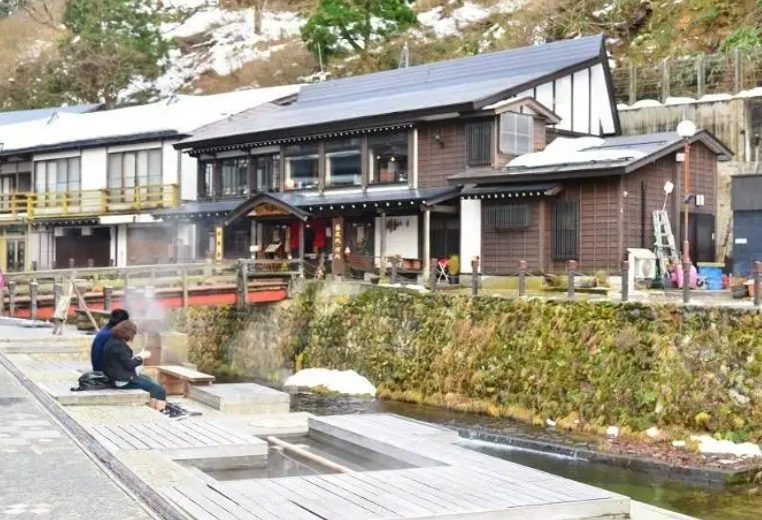
There are several free foot baths along the river. Bring a small towel. The one near the Shirogane Bridge is the most popular. It’s a fantastic way to relax and people-watch. Pro tip: Go early in the morning before the day buses arrive—you’ll have it to yourself.
2. The Public Bathhouse: "Ginzan Onsen Public Bath"
For a small fee (around ¥500), you can use the large, traditional public bathhouse at the far end of town. It’s segregated by gender and a great option if your ryokan only has small baths. Open from 7:00 AM to 9:00 PM (last entry 8:30 PM).
3. Walk to the "Ginzan Falls" (Ginzandaki)
A 20-minute walk upstream from the last ryokan leads to a modest but pretty waterfall. The path is paved but can be icy in winter—wear proper footwear. It’s a nice escape from the main street.
4. Cafe & Souvenir Hunting
Haikara-san is a charming retro cafe in a preserved old building, perfect for coffee and a snack. For souvenirs, local specialties include kokeshi dolls and dingo (a local sesame candy). The general store near the bus stop sells essentials you might have forgotten.
A Realistic 2-Night Ginzan Onsen Itinerary
Here’s how a perfect winter getaway could unfold. This assumes you’ve booked a ryokan with half-board (dinner & breakfast).
Day 1: Arrival & First Impressions
- Morning: Depart Tokyo on the Shinkansen. Enjoy the view as cityscape turns to snowy fields.
- Early Afternoon: Arrive at Oishida, catch the coordinated bus to Ginzan Onsen.
- Check-in at your ryokan. Change into yukata immediately.
- Late Afternoon: Explore the main street. Hit the foot baths. Take photos in the daylight.
- Evening: Enjoy your elaborate kaiseki dinner at the ryokan.
- Night: Soak in your private bath or visit the ryokan's public bath. Walk the lamp-lit streets after 8 PM when it's quiet.
Day 2: Deep Immersion
- Morning: Early rise for a soak. Enjoy the multi-dish Japanese breakfast.
- Late Morning: Walk to Ginzan Falls. The path is quiet at this time.
- Afternoon: Relax in the ryokan lounge, read, or visit the public bathhouse. This is your downtime.
- Late Afternoon: As day-trippers leave, reclaim the streets. Cafe stop at Haikara-san.
- Evening: Another fantastic dinner at the ryokan. A different soak under the stars.
Day 3: Departure
- Final morning soak and breakfast.
- Check-out (usually by 10 AM). Ryokans will hold your luggage.
- Take a final stroll, buy souvenirs.
- Catch the bus back to Oishida Station for your journey onward.
Ginzan Onsen FAQs: The Questions You Actually Have
Ginzan Onsen isn’t a checklist destination. It’s a mood. It’s about slowing down, feeling the contrast of the cold air and the hot water, and letting the timeless scenery wash over you. With the right planning—securing that ryokan reservation early, packing the right boots, and committing to at least one full night—you’re not just visiting a hot spring town. You’re stepping into its story.


Comments