Explore This Guide
- Why Kansai? Cutting Through the Hype
- Crafting Your Kansai Travel Itinerary: A Realistic Approach
- The Kansai Heavy Hitters: What's Worth It & What's Overrated?
- The Lifeline: Navigating Kansai Transport (Without Losing Your Mind)
- Where to Lay Your Head: Kansai Accommodation Breakdown
- Eating Your Way Through Kansai: A Food Primer
- Beyond the Beaten Path: Leveling Up Your Kansai Travel
- Your Kansai Travel Budget: A Rough Guide
- The Final Word
Let's talk about Kansai travel. You've probably seen the pictures – the bright lights of Dotonbori in Osaka, the serene golden pavilion in Kyoto, the bowing deer in Nara. It looks amazing, right? But then you start planning and suddenly you're drowning in a sea of guidebooks, conflicting blog posts, and forum threads that are ten years old. Which pass should you buy? Is Kyoto really that crowded? Can you actually do it on a budget?
I've been there. My first trip to Kansai was a mess of missed trains and "why didn't anyone tell me this?" moments. I've since been back more times than I can count, sometimes for work, often just for the ramen. This guide is everything I wish I'd known. We're not just ticking off temples; we're figuring out how to actually experience the place without the stress.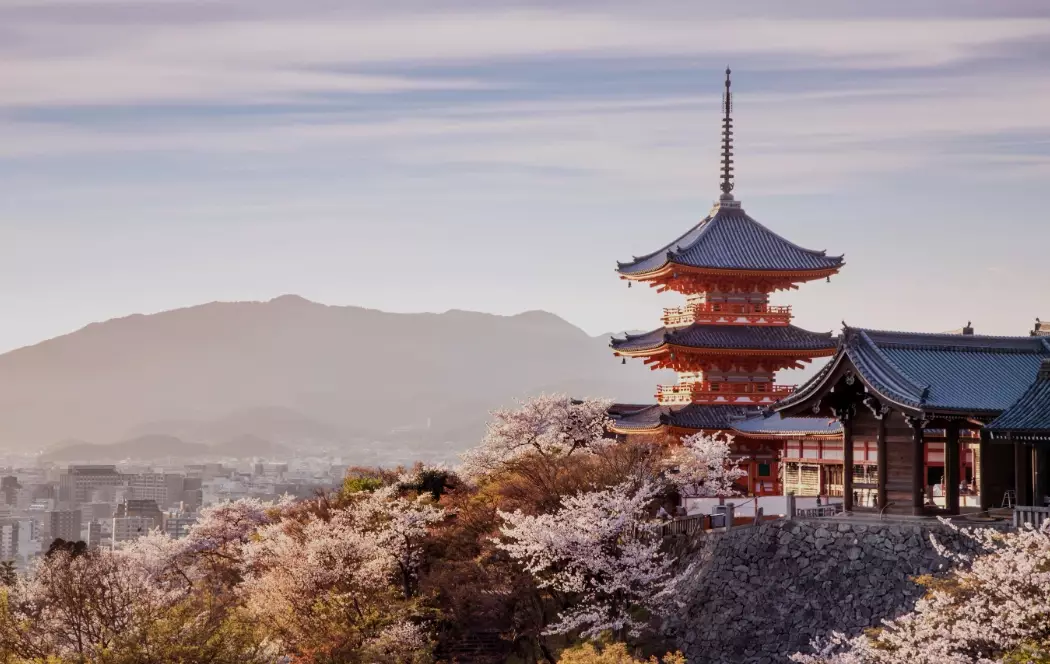
Why Kansai? Cutting Through the Hype
Everyone goes to Tokyo. Kansai is different. It's often called the heart of Japan, and for good reason. This is where you'll find the deep history, the iconic food culture (Osaka is the nation's kitchen, after all), and a pace of life that feels more... human. Tokyo is futuristic and frantic; Kansai is warm, a bit grittier in the best way, and deeply connected to tradition.
For a traveler, it offers this incredible density. In the span of an hour, you can go from the ultra-modern skyscrapers of Osaka's Umeda district to the silent, moss-covered grounds of a Kyoto temple that's a thousand years old. That contrast is magical. Planning your Kansai travel around that contrast is the key.
Crafting Your Kansai Travel Itinerary: A Realistic Approach
Forget the "7 cities in 5 days" madness. You'll spend your whole trip on trains. The goal is depth, not breadth.
The Classic First-Timer Framework (7-10 Days)
This is the sweet spot. It gives you time to breathe.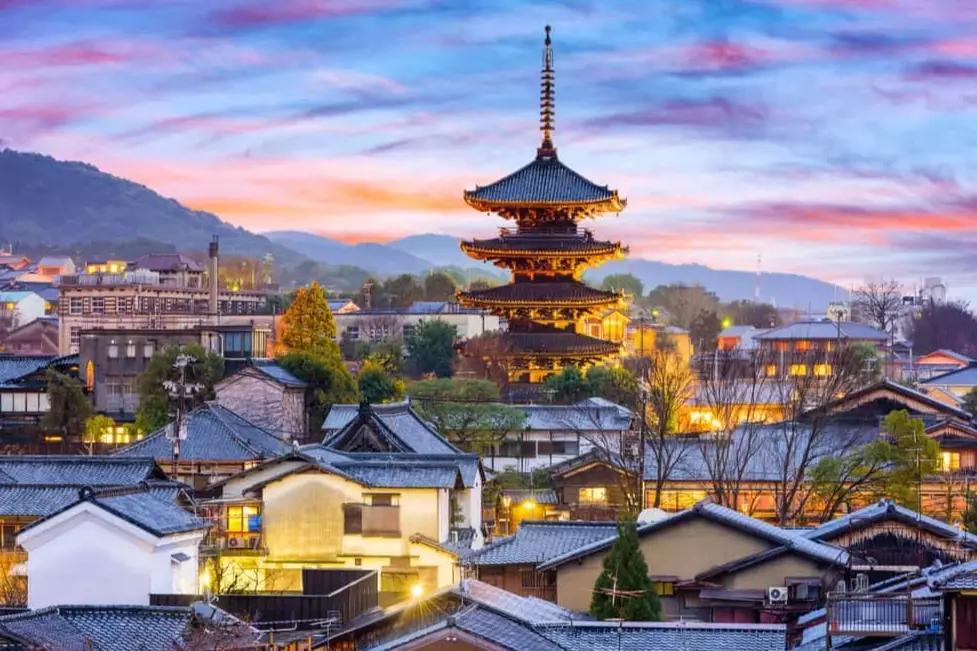
- Days 1-3: Kyoto. Immerse yourself. Don't try to see every temple. Pick a few in the same area (like Higashiyama) and wander the back streets. Get lost. That's where the magic is.
- Days 4-5: Osaka. Switch gears completely. Eat everything. Feel the energy. Use Osaka as a base for a day trip.
- Day Trip from Osaka: Nara. It's a must. The deer are fun, but Todai-ji Temple, housing the Great Buddha, is genuinely awe-inspiring.
- Day 6-7: Choose Your Adventure. Add an overnight in a Kinosaki Onsen town, a day in Kobe for beef and a port view, or a trip to the spiritual mountaintop complex of Koyasan.
If You're Short on Time (4-5 Days)
Focus on two cores: Kyoto and Osaka, with Nara as a day trip from either. Base yourself in one city. I'd actually recommend Osaka for this – hotels are often cheaper and more modern, and the nightlife is right there when you're done sightseeing. The train between Osaka and Kyoto is only about 30 minutes on the rapid service.
Insider Tip: The single best thing you can do for your Kyoto days is start early. I mean, at the temple gates by 8 AM early. You'll have places like Fushimi Inari Taisha (the thousand torii gates) almost to yourself. By 10:30 AM, it's a human traffic jam. The difference is night and day.
The Kansai Heavy Hitters: What's Worth It & What's Overrated?
Kyoto's Non-Negotiables
- Fushimi Inari Taisha: Go early or go late. Hiking up the entire mountain path takes a couple of hours, but you leave 95% of the crowds behind after the first few bends. The view from the top is mediocre, but the journey through endless orange gates is unforgettable.
- Kinkaku-ji (The Golden Pavilion): Yes, it's always packed. Yes, you walk a set path. But it's stunning. See it, take your photo, accept the crowds. It's a quick visit.
- Arashiyama Bamboo Grove: The truth? The main path is short and can feel like a theme park line. The secret is the surrounding area. Walk through the Okochi Sanso Garden (requires a small fee, worth every yen) or hike up to the Arashiyama Monkey Park for city views.
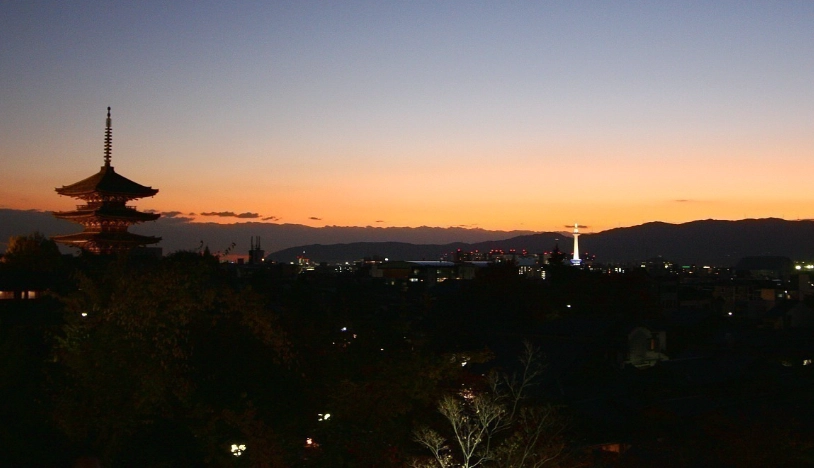
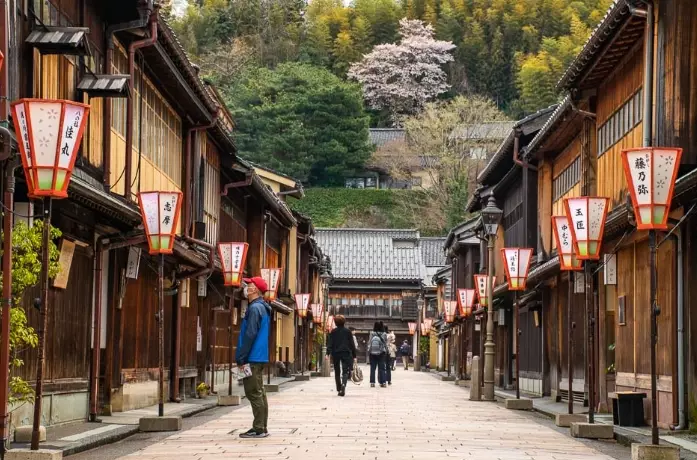
- Gion & Higashiyama District: This is old Kyoto. Wander the preserved streets like Sannenzaka and Ninenzaka. Window shop for pottery. This area feels timeless, even with the tourists.
Osaka's Energy Hubs
- Dotonbori: Sensory overload in the best way. Go at night when the neon signs (like the famous Glico Running Man) are lit. It's chaotic, loud, and essential. Don't just look – eat! Takoyaki from a street stall is mandatory.
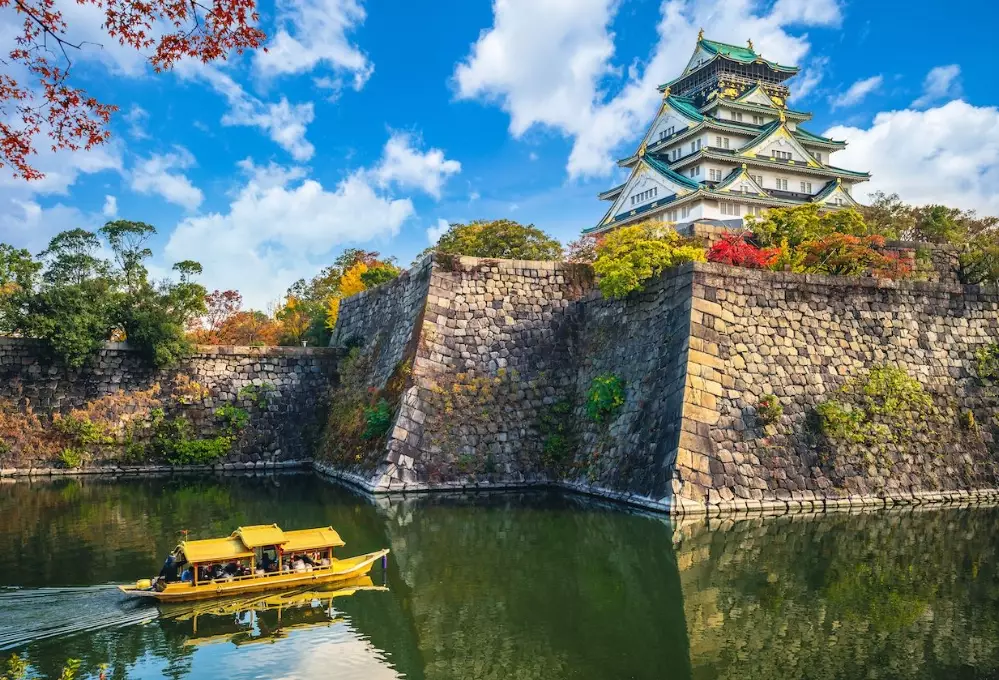
- Osaka Castle: The park is beautiful, especially during cherry blossom season. The castle itself is a concrete reconstruction with a museum inside. History buffs might enjoy it; others might prefer the view from the outside. I'm in the latter camp.
- Shinsekai & Tsutenkaku Tower: This area has a retro, slightly faded charm. It's known for kushikatsu (deep-fried skewers). It feels more local and rough-around-the-edges than Dotonbori.
- Kuromon Ichiba Market: A covered market street. Great for fresh seafood snacks, but it's become very tourist-focused. Prices can be high. Go for the atmosphere, but maybe eat a bigger meal elsewhere.
A Reality Check: Everyone raves about Osaka's food (and rightly so), but the hype around certain "must-try" restaurants can lead to hour-long queues. Some are worth it (a tiny, master-led okonomiyaki place), but often you'll find equally incredible food in a random basement restaurant or a stall down a side alley. Be adventurous.
Nara in a Nutshell
Nara Park is huge and green. The deer are everywhere and they will bow for crackers (shika senbei). They can also be pushy – watch your maps and paper bags! The absolute star is Todai-ji Temple's Daibutsuden (Great Buddha Hall). It's one of the largest wooden buildings in the world, and the bronze Buddha inside is immense. It gives you a real sense of scale and history that's hard to find elsewhere.
A perfect Nara day: Arrive, buy deer crackers, walk through the park to Todai-ji, explore the hall, then wander to the quieter Kasuga Taisha shrine with its thousands of stone lanterns.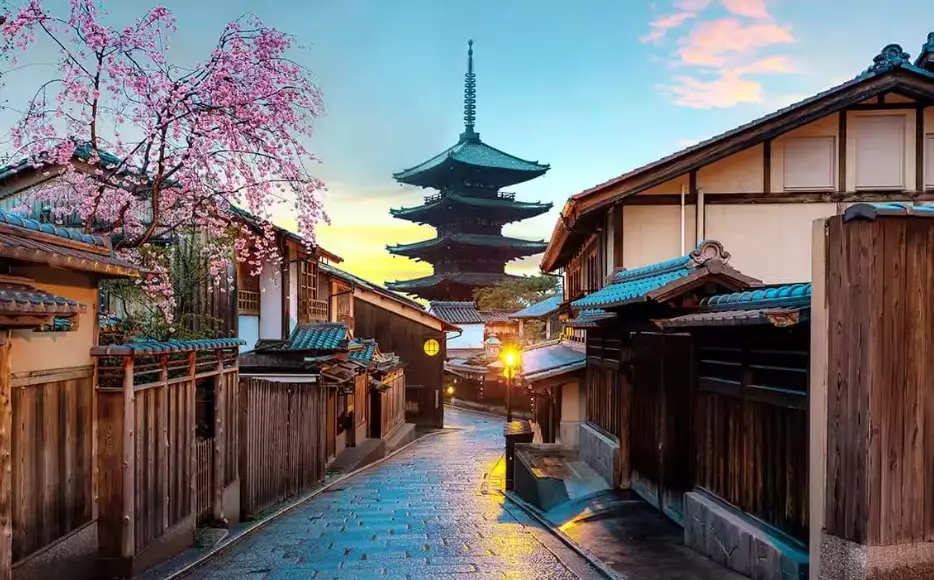
The Lifeline: Navigating Kansai Transport (Without Losing Your Mind)
This is the biggest headache for most people planning Kansai travel. Multiple private railway companies, a Japan Rail (JR) network, subways, buses. It looks like a bowl of colorful spaghetti on a map.
The golden rule: Don't buy a pass just because a blog told you to. Do the math for your specific itinerary.
| Pass Name | Best For... | Covers | The Real Talk |
|---|---|---|---|
| JR Kansai Area Pass | Trips between Kyoto, Osaka, Nara, Kobe, Himeji on JR lines. Airport transfers via Haruka. | JR West trains in the region. Not subways or private railways. | Very convenient if your movements align with JR lines (e.g., Kyoto Station to Osaka Station, Osaka to Nara JR line). Check your hotel locations first. |
| ICOCA / Suica Card | Almost everyone. The pay-as-you-go workhorse. | Almost all trains, subways, buses, and even convenience stores/vending machines. | This should be your default. Get one when you land. Tap in, tap out. No fuss. It's the easiest way to get around for most city travel. |
| Kansai Thru Pass | Intricate travel using many non-JR lines, subways, and buses across multiple days. | Most private railways (Keihan, Hankyu, Kintetsu etc.), subways, and buses. NOT JR. | Powerful but complex. Only worth it if you're making several long, non-JR trips per day. For a simple Kyoto-Osaka-Nara loop, an ICOCA + maybe a single JR pass day is often cheaper. |
| Osaka Amazing Pass / Kyoto City Bus Pass | Heavy sightseeing in a single city for one day. | Unlimited city transport (subway/bus) + free entry to many attractions. | Do the math! If you plan to visit 3-4 paid attractions listed and use the subway a lot that day, it's a steal. Otherwise, just use your ICOCA. |
My standard advice? Land at Kansai International Airport (KIX). Buy an ICOCA & Haruka discounted ticket package right there. The ICOCA is your stored-value card, the Haruka ticket gets you directly to Kyoto Station on the comfortable express train. You're set for 80% of your travel.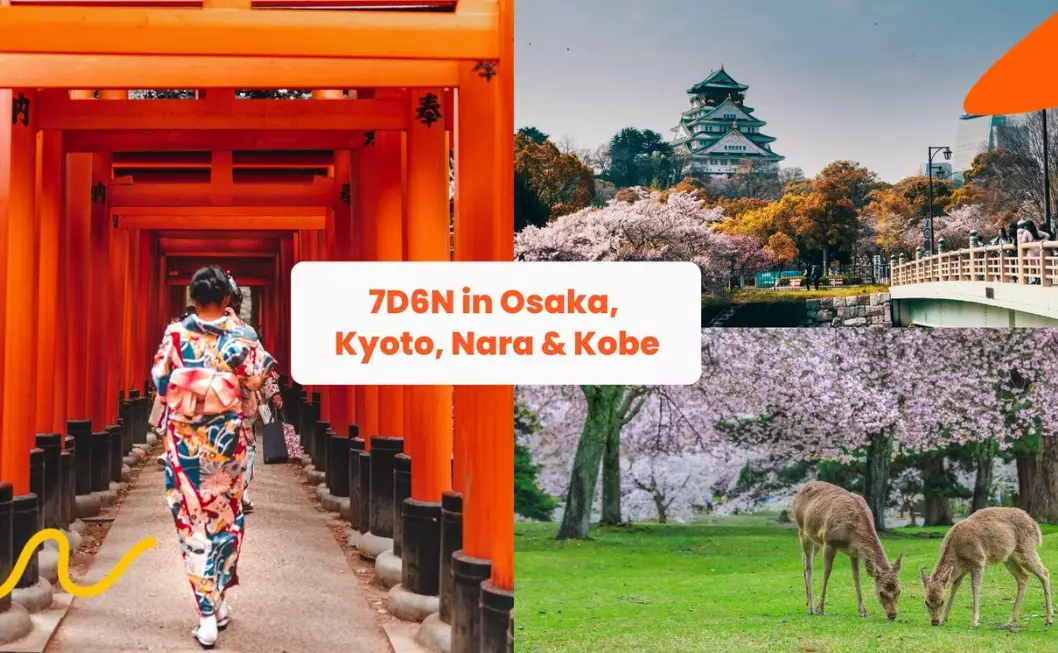
Where to Lay Your Head: Kansai Accommodation Breakdown
Your base changes the feel of your trip.
- Kyoto: Staying near Kyoto Station is supremely convenient for train travel but can feel sterile. Staying in Gion/Higashiyama is atmospheric and walkable to many sights, but rooms are smaller, older, and pricier. A good middle ground is along the Keihan or Hankyu subway lines.
- Osaka: For nightlife and food, Namba (Minami) is unbeatable. For a more business-like, central feel with great transport links, Umeda (Kita). Namba is louder, Umeda is more polished.
- Unique Stays: Consider a ryokan (traditional inn) with kaiseki dinner for one night in Kyoto. Or a night at a temple lodging (shukubo) on Mount Koya for a profound spiritual experience. These are the moments that define Kansai travel.
Eating Your Way Through Kansai: A Food Primer
Osaka and Kyoto have very different food personalities.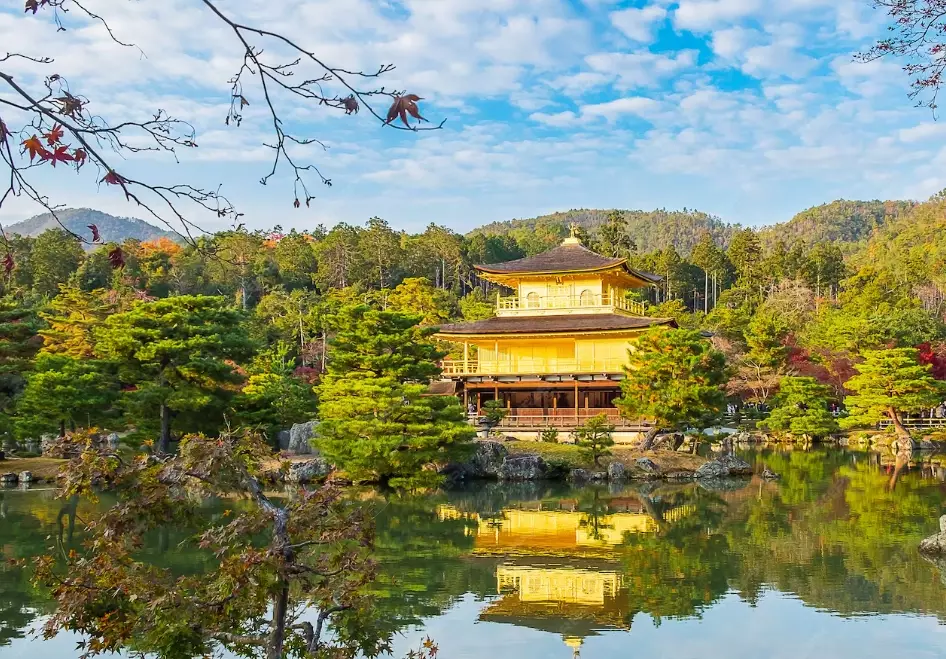
Osaka = Casual, Bold, Fun. This is street food and hearty comfort food.
- Takoyaki: Ball-shaped batter with a piece of octopus inside. Creamy, hot, and topped with sauce, mayo, and bonito flakes. Get it from a stall.
- Okonomiyaki: A savory cabbage pancake. In Osaka, it's mixed together and grilled. You often grill it yourself on a hotplate at your table.
- Kushikatsu: Deep-fried skewers of meat, vegetables, and cheese. Dip once in the shared sauce – no double-dipping!
Kyoto = Refined, Seasonal, Elegant. The food is an art form.
- Kaiseki Ryori: A multi-course seasonal feast. It's an investment, but a culinary highlight of Japan.
- Yudofu: Simmered tofu. Sounds simple, but in Kyoto, often made with sublime local water and tofu, it's a delicate and warming dish, especially in temple restaurants.
- Matcha Everything: From thick, ceremonial matcha to matcha parfaits and lattes. Uji, just south of Kyoto, is the matcha capital.
A general rule for finding good food in Japan: Look for places with plastic food models outside (so you know what to order) or a handwritten menu. If it's crowded with locals, even if it looks unassuming, it's probably fantastic.
Beyond the Beaten Path: Leveling Up Your Kansai Travel
Once you've seen the big sights, here's where it gets really good.
- Himeji: A 30-minute Shinkansen ride from Osaka. Himeji Castle is Japan's most magnificent original castle, a stunning white heron perched on a hill. It's flawless. Pair it with the nearby Kokoen Garden.
- Koyasan (Mount Koya): The center of Shingon Buddhism. Stay in a temple, attend the morning prayers, and walk through the vast, mystical Okunoin Cemetery among ancient cedar trees. It's a transformative overnight trip.
- Kinosaki Onsen: A classic onsen town where you stroll the canal-lined streets in a yukata, hopping between seven public bathhouses. The ultimate relaxation.
- Uji: Between Kyoto and Nara. Famous for matcha and the beautiful Byodoin Temple (on the 10-yen coin). A peaceful half-day escape.
Your Kansai Travel Budget: A Rough Guide
Let's be real. Japan isn't cheap, but it's not as expensive as people fear. You can tailor it.
- Budget Traveler (¥8,000-¥10,000/day): Hostel dorms, combini (convenience store) meals for breakfast/lunch, street food and cheap ramen for dinner, focus on free sights (temples, gardens, wandering), local trains.
- Mid-Range Traveler (¥15,000-¥25,000/day): Business hotel or nice Airbnb, a mix of casual and one nice meal per day, all local transport plus maybe a rail pass, paid entry to key attractions.
- Comfort/Splurge (¥35,000+/day): Boutique hotels or a night in a ryokan, fine dining (kaiseki, premium Kobe beef), taxis when convenient, private guides for half-days.
The biggest expenses are accommodation and long-distance transport. Food can be incredibly good value.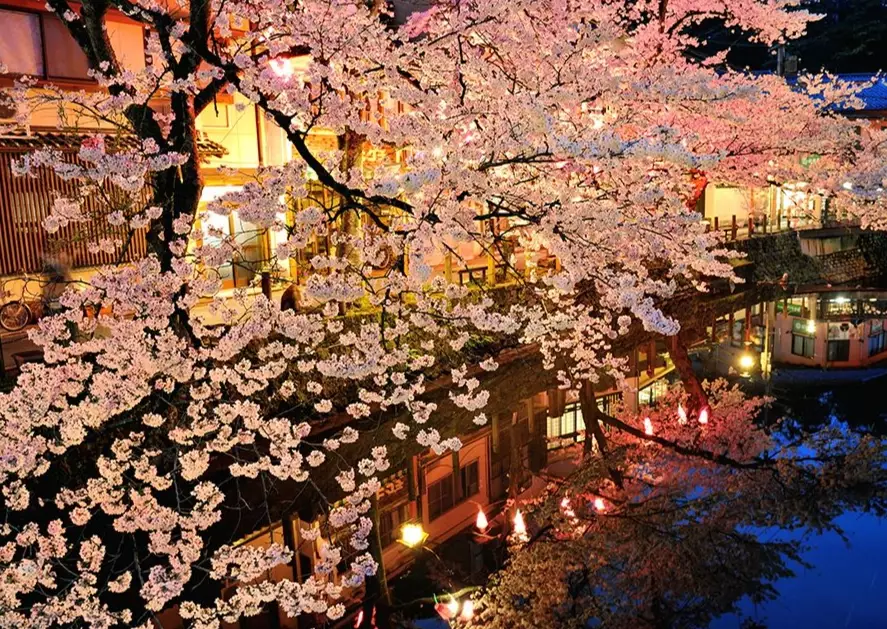
Kansai Travel: Your Burning Questions Answered
Is the Japan Rail Pass worth it for just Kansai travel?
Almost certainly no. The nationwide JR Pass is designed for long-distance Shinkansen travel (e.g., Tokyo to Kyoto). For travel contained within the Kansai region, the smaller regional passes (like the JR Kansai Area Pass) or no pass at all are almost always more cost-effective. Use the official JR West Pass calculator to be sure.
What's the best way to handle money and payments?
Cash is still king in many smaller restaurants, markets, and temples. Always carry yen. That said, major hotels, department stores, and an increasing number of restaurants take credit cards. Your ICOCA card can be used for small purchases at convenience stores and vending machines. Use 7-Eleven ATMs (Seven Bank) for the most reliable international cash withdrawals.
How do I deal with the crowds, especially in Kyoto?
The strategies are simple but crucial: 1) Go early. 2) Visit popular spots on weekdays. 3) Explore neighborhoods, not just ticketed attractions. The Philosopher's Path is lovely even if the temples along it are busy. 4) Consider visiting in shoulder seasons (late autumn, early winter after fall colors, late spring before the rain) rather than peak cherry blossom or maple leaf seasons.
Any essential etiquette tips?
Be quiet on public transport (no phone calls). Don't eat while walking. Queue orderly. When visiting temples and shrines, wash your hands at the chozuya (water pavilion) before entering. Be respectful when taking photos, especially of people or inside sacred spaces (look for "no photography" signs). Slurping your noodles is perfectly fine – it shows you're enjoying the meal!
Where can I find reliable, up-to-date information online?
For official transport info and pass details, the JR West and JR Central websites are authoritative. For general travel inspiration and practical info, the Japan National Tourism Organization (JNTO) site is an excellent, unbiased resource. For hyper-local events or openings, check the Kyoto City Official Website or Osaka City Official Website.
The Final Word
Planning Kansai travel can feel overwhelming, but the payoff is immense. This is a region that gets under your skin. It's the warmth of the people (the Kansai-ben dialect is famously friendly and direct), the depth of history you can literally touch, and the sheer joy of the food.
Don't try to see it all. Pick a few places that speak to you, build a loose itinerary around them, and leave room to get lost. Buy that extra stick of dango (sweet dumplings), sit by the river in Arashiyama, let a deer steal your map. That's the stuff you'll remember.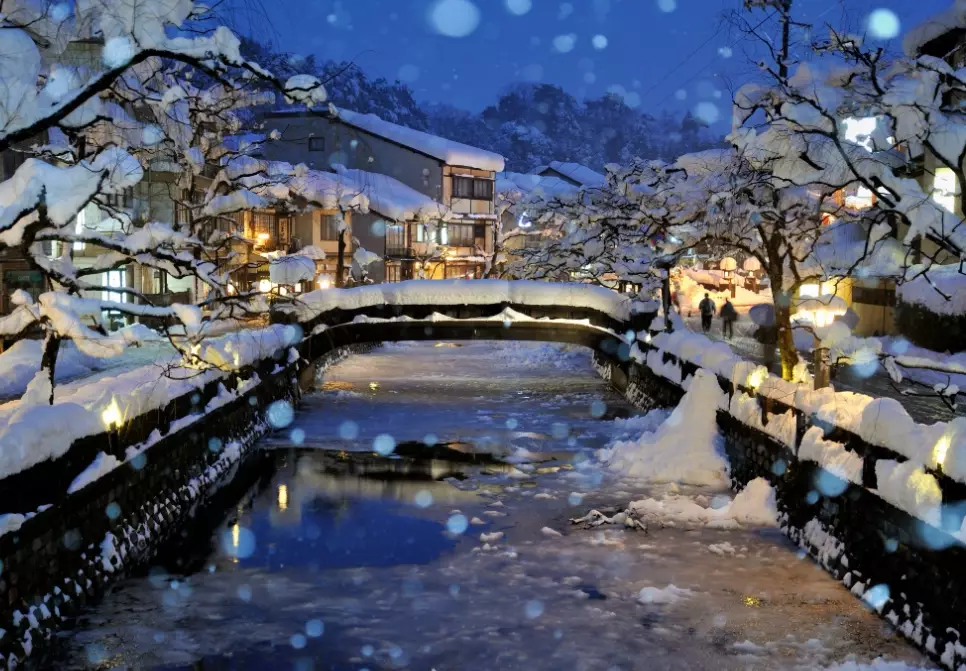
Use this guide as a starting point, but make the trip your own. The real magic of Kansai happens between the lines of any itinerary.


Comments