Quick Navigation
- Stop Asking "Which Area is Best?" Start Asking "Best for What?"
- The Top Contenders: Breaking Down Tokyo's Best Bases
- Let's Put Them Side-by-Side: The Quick Comparison Table
- Budget Reality Check: Where Your Yen Goes the Furthest
- Transport is Everything: The Yamanote Line is Your Best Friend
- Your Burning Questions, Answered (The FAQ)
- The Final Word: Making Your Decision
Let's be honest. Trying to figure out which area is best to stay in Tokyo can feel like trying to drink from a firehose. You've got shiny brochures telling you everywhere is amazing, blog posts that all sound the same, and a map covered in names you can't pronounce. It's overwhelming. I've been there – my first trip, I picked a place because the hotel photo had a nice potted plant. Bad move. It was miles from everything.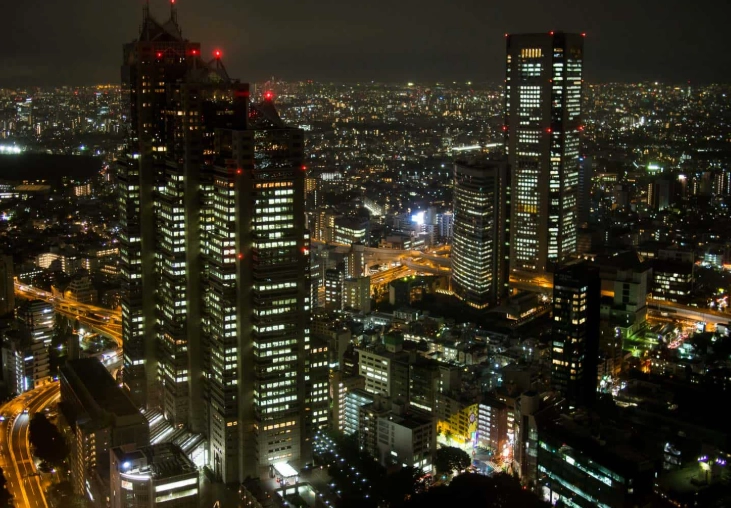
This guide is different. We're cutting through the noise. I'm not going to list every single district. Instead, we're going to match Tokyo's best neighborhoods to you – your travel style, your budget, and what you actually want to do. Forget the generic advice. Whether you're a first-timer wide-eyed at the thought of Shibuya Crossing, a family trying to keep everyone happy, or a foodie on a mission, there's a perfect base for you. The answer to "which area is best to stay in Tokyo?" is never one-size-fits-all. It's "which area is best for you to stay in Tokyo?"
The Core Idea: Tokyo is a constellation of cities, not one monolithic blob. Where you stay defines your experience. Picking the right area is more important than picking the fanciest hotel.
Stop Asking "Which Area is Best?" Start Asking "Best for What?"
The biggest mistake people make is searching for one perfect spot. Tokyo doesn't work like that. Shinjuku is a nightmare for someone seeking quiet temples, but a paradise for someone who wants to be in the heart of the action 24/7. So before we dive in, grab a coffee and ask yourself these quick questions:
- Is this your first time in Tokyo, or are you a returning visitor?
- What's your travel personality? Non-stop sightseer? Laid-back wanderer? Serious shopper?
- Who are you traveling with? Solo? Partner? Family with kids?
- What's your budget for accommodation? (This is a huge factor in Tokyo).
- How important is nightlife and being able to walk back to your hotel?
- Do you want to be on a major train line (like the Yamanote Line) for easy access?
Got your answers? Good. Now the neighborhoods will start to make a lot more sense.
The Top Contenders: Breaking Down Tokyo's Best Bases
Here’s the meat of it. I've grouped these areas by the type of traveler they suit best. This isn't just about sightseeing proximity; it's about vibe, convenience, and that feeling you get when you step out your hotel door.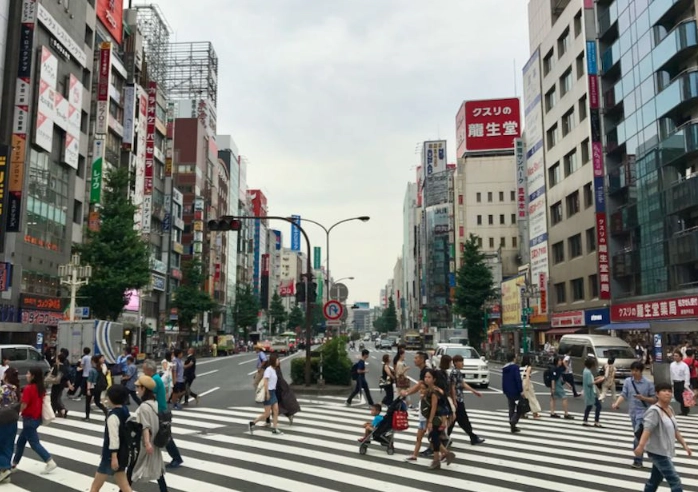
For the First-Timer & The Sightseeing Powerhouse
If it's your first rodeo in Tokyo, you want convenience, iconic views, and that "wow, I'm in Tokyo" feeling from minute one. You'll be hitting the big sights and want a central hub.
Top Pick: Shinjuku. Hear me out. Yes, it's chaotic. The station is a legendary maze (I once got lost for 25 minutes trying to find the right exit). But for a first-timer, its sheer efficiency and 24/7 energy are unbeatable. It's a direct Narita Express (N'EX) stop, a major hub for trains to Mount Fuji/Hakone, and home to the Tokyo Metropolitan Government Building for free panoramic views. You have every type of restaurant imaginable, from tiny ramen joints to robot restaurants (a tourist trap, but a fun one). At night, it transforms. Kabukicho is... intense. A sensory overload. Some love it, some find it seedy. My take? It's safe but can be overwhelming. Best for adults, not families with young kids.
The Strong Runner-Up: Shibuya. Younger, trendier, slightly (just slightly) less chaotic than Shinjuku. This is the ground zero of youth culture, fashion, and that famous scramble crossing. If your Tokyo dream is filming yourself crossing with the crowds, staying here is a no-brainer. The shopping is phenomenal for trendy clothes and quirky gadgets. Nightlife is massive, centered around places like Shibuya Center-Gai. The downside? It can feel relentlessly young and noisy. Hotels near the station are pricey.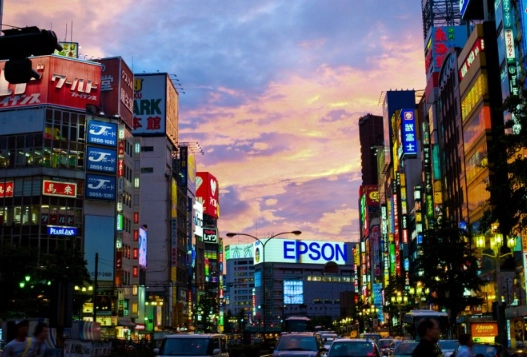
So, which area is best to stay in Tokyo for first-timers? Between Shinjuku and Shibuya, I'd lean towards Shinjuku for its superior transport links and slightly broader appeal. Shibuya wins if you're under 35 and live for street fashion and energy.
For the Culture Seeker & The Repeat Visitor
You've done the scramble crossing. You want to dig deeper, feel a more traditional pulse, and maybe escape the skyscrapers for a bit.
The Undisputed Champion: Asakusa. This is old Tokyo. The vibe is completely different. You'll be steps from the magnificent Senso-ji Temple, Tokyo's oldest. The streets leading to it (Nakamise-dori) are packed with stalls selling traditional snacks and souvenirs. It's touristy, yes, but it feels authentically touristy, if that makes sense. You can find lovely ryokans (traditional inns) here, offering a taste of Japanese hospitality. It's also on the direct Ginza subway line to Ginza and Shibuya, and a water bus from here goes to Odaiba or Hama-rikyu Gardens. The downside? It's not on the Yamanote Line, so you'll need to connect for some destinations. And it gets very quiet at night – which is a pro for some, a con for others.
The Refined Alternative: Tokyo Station / Marunouchi Area. This is for the traveler who appreciates elegance, history, and ease. Tokyo Station itself is a beautiful red-brick Meiji-era building. You're at the absolute center of the train network. The Imperial Palace East Gardens are a peaceful stroll away. The area is upscale, clean, and orderly. It's perfect for business travelers or those who want a sophisticated, calm base. But let's be real – it's expensive, and after 7 PM, it can feel a bit like a ghost town as office workers vanish. The nightlife is non-existent.
For the Foodie & The Night Owl
Your trip revolves around what and where you eat and drink. You want izakayas, standing bars, ramen joints, and the option to stumble home safely.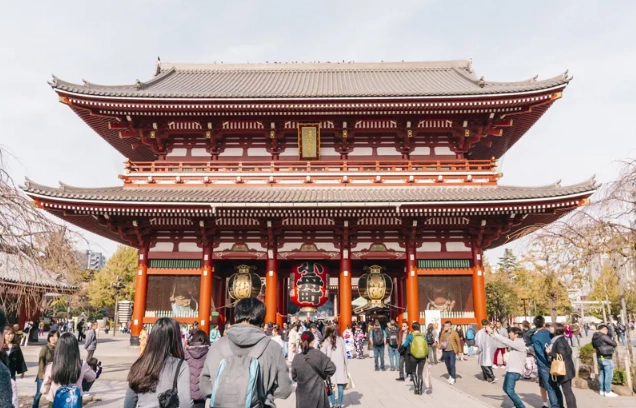
The King of Nightlife: Roppongi. It has a... reputation. For decades, it's been the foreigner-friendly nightlife hub. That means lots of clubs, international bars, and a party atmosphere. It's also home to the fantastic Roppongi Hills and Tokyo Midtown complexes, with great art museums (like Mori Art Museum), upscale dining, and beautiful city views. The mix is weird but works: high culture by day, wild parties by night. The downside? It can feel a bit transactional and seedy in the clubbing areas, with touts trying to pull you into bars. Not my personal favorite vibe, but undeniably central for nightlife.
The Local's Choice: Shinbashi / Shimbashi. This is where salarymen unwind. After work, the streets under the train tracks fill with tiny, smoky izakayas (Japanese pubs) packed with locals in suits. The food is authentic, the drinks are cheap, and the atmosphere is incredibly real. It's a fantastic place to experience Japanese after-work culture. You're also one stop from Tokyo Station and on the Yamanote Line. The catch? It's not a "pretty" area. It's utilitarian, a bit grimy in that charming way, and hotel options are more business-oriented than resort-style.
For Families & The Comfort-Seeker
Space, safety, easy stroller access, and things to keep kids entertained are the priorities. You might value a slightly slower pace.
Top Pick: Ueno. This is a fantastic, often overlooked choice for families. Ueno Park is a massive green space containing the Tokyo National Museum, a zoo, a pond, and plenty of room to run around. The area has a down-to-earth, slightly retro feel. Ameya-Yokocho market is a bustling, noisy street market great for snacks and souvenirs. It's a major transport hub (on the Yamanote Line) with direct Skyliner access from Narita Airport, which is a huge plus when managing luggage and kids. Hotels here often offer better value for space than in Shinjuku or Shibuya. It's not glamorous, but it's practical and friendly.
The Modern & Clean Option: Odaiba. Odaiba is a futuristic, man-made island in Tokyo Bay. It feels like a different city. It's spacious, with wide sidewalks, massive shopping malls (like Aqua City, DiverCity with the giant Gundam statue), teamLab Borderless (when it reopens), and great kid-friendly attractions like Legoland Discovery Center. Many hotels have spectacular views of the Rainbow Bridge and Tokyo skyline. The downside? It's a bit isolated. You're reliant on the Yurikamome automated train or the Rinkai Line to get to central Tokyo. It can feel a bit sterile and manufactured compared to the organic chaos of older districts. But for a family wanting space and modern conveniences, it's hard to beat.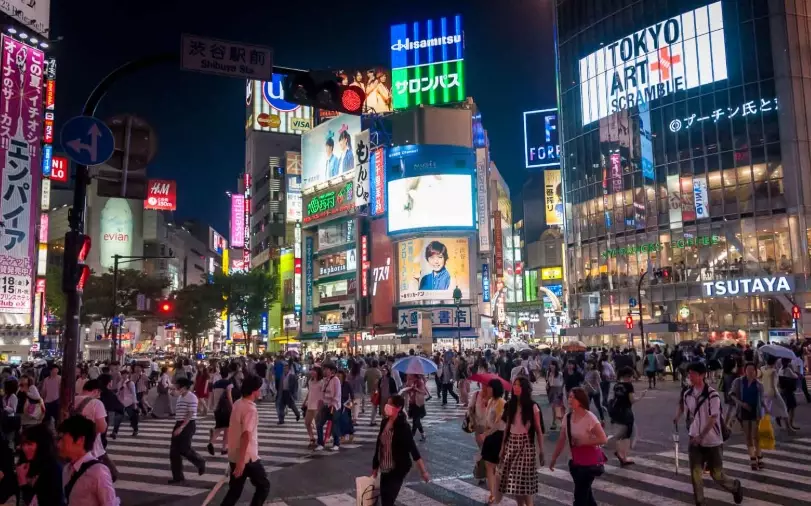
Let's Put Them Side-by-Side: The Quick Comparison Table
Sometimes you just need to see it all in one place. This table sums up the key differences to help you narrow down your choice for which area is best to stay in Tokyo for your trip.
| Area | Best For | Vibe | Transport | Budget Level | One Big Pro | One Big Con |
|---|---|---|---|---|---|---|
| Shinjuku | First-timers, Nightlife, Convenience | Energetic, Chaotic, 24/7 | Excellent (Major hub, N'EX stop) | Mid to High | Unbeatable transport & dining options | Overwhelming, crowded, maze-like station |
| Shibuya | Youth Culture, Shopping, Energy | Trendy, Loud, Fast-paced | Excellent (Yamanote Line hub) | Mid to High | Heart of youth fashion & iconic crossing | Can feel too trendy/noisy; expensive |
| Asakusa | Culture, Tradition, Budget | Traditional, Tourist-friendly, Charming | Good (Subway lines, not on Yamanote) | Low to Mid | Authentic old-Tokyo feel, Senso-ji Temple | Quiet at night, requires transfers |
| Tokyo Station | Business, Luxury, Centrality | Upscale, Orderly, Quiet at night | The Best (Central to everything) | High | Peak convenience for rail travel | Expensive, lacks local neighborhood vibe |
| Ueno | Families, Value, Park access | Down-to-earth, Spacious, Lively | Excellent (Yamanote, Skyliner) | Low to Mid | Great park for kids, good value hotels | Not as "glamorous" as other areas |
| Ginza | Luxury Shopping, Fine Dining | Sophisticated, Pristine, Chic | Very Good (Multiple subway lines) | Very High | World-class shopping & dining | Extremely expensive, can feel sterile |
Budget Reality Check: Where Your Yen Goes the Furthest
Tokyo can be punishingly expensive for accommodation, but it doesn't have to be. Your choice of area has a massive impact on your wallet.
- Budget-Friendly (But Still Great): Asakusa and Ueno are your best bets. You'll find older business hotels, capsule hotels (an experience in itself!), and family-run ryokans that offer much better value. Ikebukuro, another major Yamanote Line station west of Shinjuku, is also a great budget option with less tourist inflation.
- Mid-Range Sweet Spot: Shinjuku and Shibuya have plenty of options, but you'll be paying for location. Look for hotels a 5-10 minute walk from the main station chaos – they're often quieter and slightly cheaper. The Shinagawa area is a major shinkansen (bullet train) stop with good mid-range chain hotels, perfect if you're doing a lot of day trips.
- Splurge-Worthy: Ginza, Marunouchi (Tokyo Station), Roppongi Hills, and the Tokyo Bay area (like Odaiba or Hamamatsucho for the Conrad) are where you'll find the luxury international brands and stunning views. You're paying for impeccable service, space (a rarity), and prime postcodes.
A Quick Rant on Room Size: Manage your expectations. A "standard double" room in a central Tokyo hotel might be 14 square meters (150 sq ft). That's... compact. You'll be living out of your suitcase. If space is non-negotiable, you'll need to look at serviced apartments, higher-tier hotels, or consider areas slightly further out.
Transport is Everything: The Yamanote Line is Your Best Friend
This is non-negotiable for first-timers. The JR East Yamanote Line is a loop line that connects most of the major areas we've talked about: Shinjuku, Shibuya, Ueno, Tokyo, Shinagawa, Ikebukuro. Staying near a Yamanote Line station is the single biggest convenience hack for getting around Tokyo efficiently. Seriously, it's a game-changer.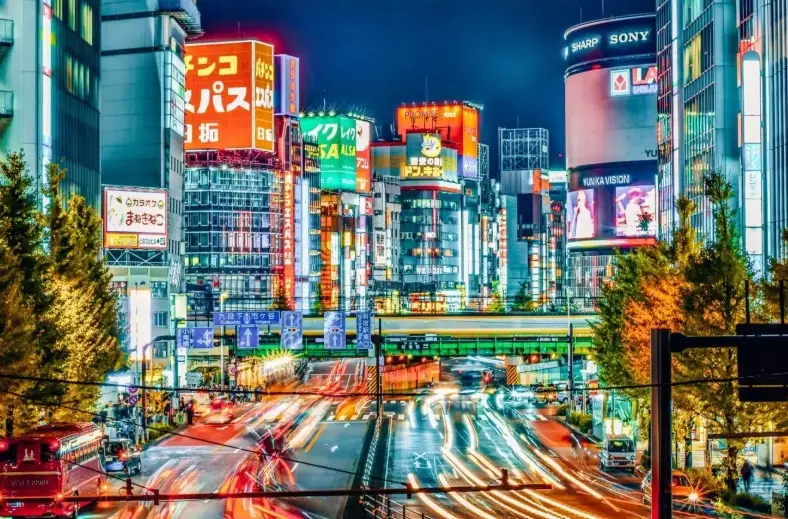
Areas like Asakusa and Odaiba aren't on it, but they have other excellent lines. Always check your hotel's proximity to a major station, not just the neighborhood name. A "10-minute walk" from Shinjuku Station might feel like a marathon after a long day of sightseeing.
Your Burning Questions, Answered (The FAQ)
The Final Word: Making Your Decision
So, after all this, which area is best to stay in Tokyo? You tell me. Go back to those questions you asked yourself at the start.
If you're a first-timer who wants to be in the thick of it: Shinjuku.
If you're a family looking for space and ease: Ueno or Odaiba.
If you're a culture buff on a budget: Asakusa.
If you're a foodie who wants local izakayas: Shinbashi.
If you're a luxury shopper: Ginza.
My last piece of advice? Book early. Tokyo hotels fill up, and prices only go up. And once you've booked, stop worrying. Tokyo's public transport is so good that even if you don't pick the 100% perfect spot, you're never more than a 30-minute train ride from anywhere you want to be. The most important thing is just to get there and start exploring.
Have an amazing trip. You're going to love it.

Comments