Quick Navigation
Let's be honest, when you think of a perfect winter day trip from Tokyo, your mind probably jumps to Hakone for onsens or Nikko for majestic snowscapes. Kawagoe? That's more of a spring or autumn destination, right? For the famous sweet potato treats and pleasant strolls. I thought the same, until I actually went there on a crisp January afternoon on a whim. What I discovered completely shifted my perspective. A Kawagoe winter has a quiet, dignified charm that's entirely its own. The crowds thin out, the air is clear and cold, and the whole "Little Edo" atmosphere feels more authentic, almost like stepping back in time when the streets were quieter. The famous kurazukuri (clay-walled warehouse) buildings look even more striking against a pale winter sky, and let me tell you, hot sweet potato steamed bun tastes about a hundred times better when you're clutching it to warm your fingers.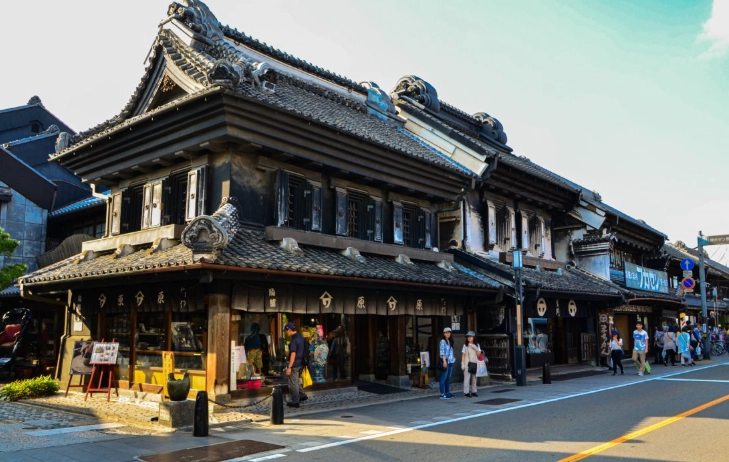
So, is Kawagoe worth it in winter? Absolutely. But you need to know what you're getting into, and more importantly, what you're coming for. It's not a ski resort. You won't find towering snowmen (though a light dusting can happen). What you will find is a unique blend of seasonal illuminations that transform the old streets, incredibly hearty and warming local food specifically designed for the cold, and a couple of festivals that are deeply rooted in local tradition. This guide is everything I wish I'd known before my first winter visit, packed with practical tips, honest opinions, and a deep dive into what makes a Kawagoe winter experience special.
What Makes Winter in Kawagoe Special?
You go to Kawagoe for history, for that preserved Edo-period feeling. In winter, that feeling is amplified. Without the foliage of spring or the vibrant greens of summer, the architectural lines of the old merchant houses become the stars. The dark wood and white plaster stand out starkly and beautifully. The main street, Kashiya Yokocho (Penny Candy Alley), usually buzzing, takes on a nostalgic, almost sleepy quality that I personally found more charming. Shopkeepers have more time to chat. And then there's the light. The low winter sun casts long, dramatic shadows down the narrow lanes, perfect for photography. When dusk falls early, that's when the modern magic begins—the illuminations.
The cold also dictates the rhythm of the day. You're not just wandering aimlessly; you're on a mission to find the next warm drink, the next steaming snack. This turns the visit into a delicious culinary scavenger hunt. Every bite feels earned. The seasonal focus shifts from light sweets to robust, soul-warming dishes. It's a different, more introspective way to experience the town.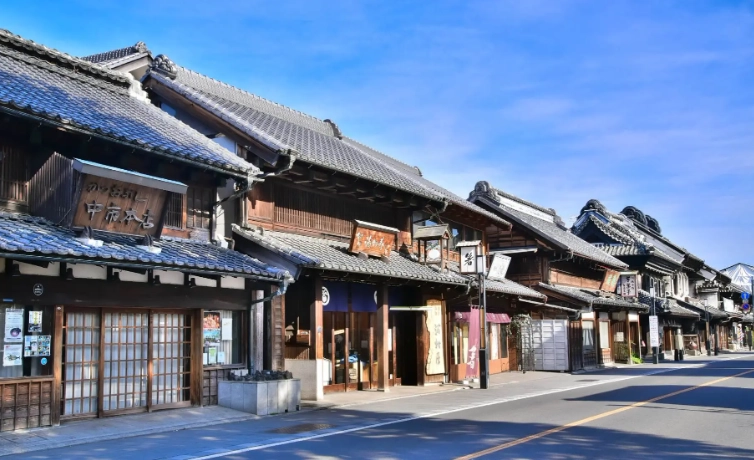
The Crown Jewel: Winter Illuminations & Lights
This is arguably the biggest draw for a Kawagoe winter visit. The city doesn't just put up a few strings of bulbs; it creates full-blown light-up scenes that blend seamlessly with the historical backdrop. The main event is usually the "Kawagoe Winter Festival" or the "Kawagoe Festival Village Illumination" held at the festival museum area. But lights pop up in several key locations.
Here’s a breakdown of the main illumination spots you should know about:
| Location | What to Expect | Best For | My Personal Take |
|---|---|---|---|
| Kita-in Temple Precinct | Thousands of blue and white LEDs creating a serene, mystical "ice world" effect. Lights often placed around ancient trees and the famous Gohyaku Rakan statues. | Tranquil, spiritual atmosphere. Incredible photos of ancient structures softly lit. | This is my favorite. It's peaceful, not crowded, and feels sacred. The blue light on the stone statues is hauntingly beautiful. A must-see for a quiet moment. |
| Kawagoe Festival Museum Area (Matsuri Kaikan) | The most spectacular display. Massive, ornate floats are lit up from within and without, creating a dazzling indoor spectacle. Often paired with projection mapping on the building's exterior. | Seeing the elaborate festival floats up-close in dramatic light. Family-friendly. | Absolutely stunning visually. However, it can get quite packed inside the museum. Go early or be prepared for a short queue. Worth it for the "wow" factor. |
| Kurazukuri no Machinami (Warehouse District) | Subtle, warm lighting along the main street (Ichiban-gai) to highlight the warehouse buildings' facades. Not a colorful light show, but an elegant accent. | Romantic evening strolls. Capturing the classic "Edo" street scene at night. | This is lovely for a walk after dinner. It's not overwhelming, just enough light to see the details of the buildings. Perfect for a slow, contemplative end to your day. |
| Honmaru Goten (Kawagoe Castle Remains) | Gentle garden illuminations. Paths lined with lanterns or small lights, often with a subtle theme like "bamboo forest of light." | A short, pleasant walk. Less crowded than the main sites. | A nice add-on if you have time. It's small-scale but pretty. Don't go out of your way for it, but if you're in the area, it's a pleasant few minutes. |
A crucial tip: Dates and times for these illuminations change every year. They typically run from early December through late February or early March. Always double-check the official schedules before you go. The best resource is the Kawagoe City Official Tourism Website (English). I made the mistake of assuming the dates were the same as the previous year once and almost missed the Kita-in lights! Don't be like me.
Winter Festivals and Events
Beyond the lights, winter in Kawagoe is marked by a few key events that offer a glimpse into local culture.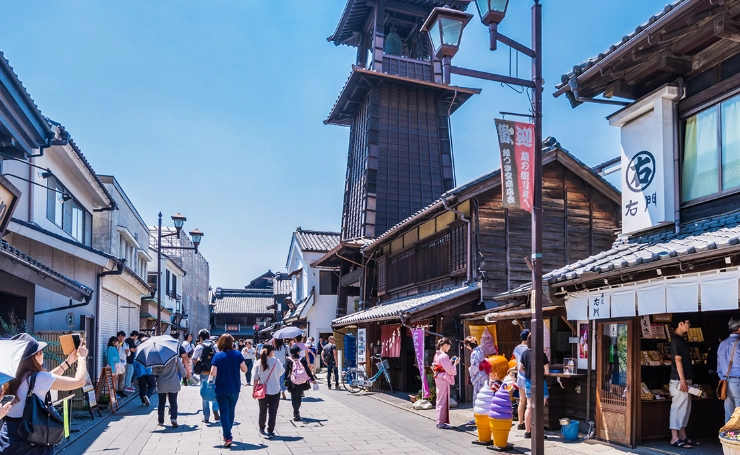
The Kawagoe Hikawa Shrine Setsubun Festival (early February) is a fun, lively affair. Setsubun marks the day before the start of spring according to the lunar calendar. The main event is mamemaki (bean throwing), where priests and often local celebrities throw roasted soybeans into the crowd while shouting "Oni wa soto! Fuku wa uchi!" ("Demons out! Fortune in!"). You're supposed to catch and eat the number of beans corresponding to your age for good health. It's chaotic, cheerful, and very photogenic. The shrine gets packed, so wear comfortable shoes.
Then there are smaller, more niche events. I stumbled upon a sweet potato harvesting experience at a local farm in early winter once (bookings required in advance, usually through the tourism site). Getting your hands dirty to dig up the very ingredient the town is famous for was a fantastic, if muddy, memory. It really connected the dots between the field and the delicious imo (sweet potato) treats sold everywhere.
Want to see the festival floats in action, not just lit up? Check if your visit coincides with any smaller Daikoku festival events, where they might be pulled through the streets by hand. It's rare in winter, but it happens.
The Ultimate Kawagoe Winter Food Guide
This is where Kawagoe winter truly shines. The cold weather cuisine is phenomenal. Forget dainty sampling; this is about hearty, warming, stick-to-your-ribs food that makes the chilly air irrelevant.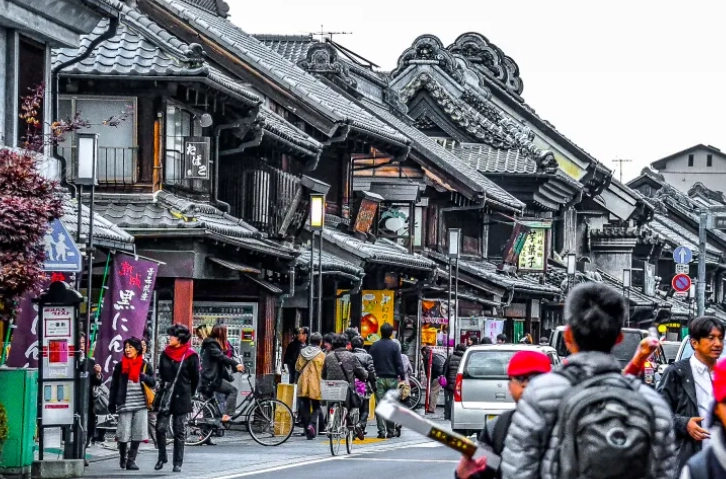
Must-Try Warmth-Inducing Dishes
First and foremost: the sweet potato, or imo. In winter, it's not just a snack; it's a lifeline. The ways it's prepared shift to provide maximum warmth.
- Yaki-imo (Roasted Sweet Potato): Sold from rustic-looking metal drums on carts. The vendor uses long tongs to pull out a steaming, perfectly roasted potato. It's simple, sweet, and incredibly hot. Tearing one open and eating it with your hands is a primal winter pleasure. Look for the Annou variety, which is particularly sweet and creamy.
- Imo-shu (Sweet Potato Shochu): A local alcoholic spirit distilled from sweet potatoes. Served warm (oyuwari) with hot water, it's like a gentle, sweet fire spreading through your chest. Perfect after a long walk. I find it smoother and sweeter than barley shochu.
- Imo-gashi (Sweet Potato Sweets): Winter versions are often served warm. Think imo daifuku (mochi stuffed with sweet potato paste) that's gently grilled, or sweet potato pudding served hot. The famous "Kintsuba" (a jellied sweet bean cake) also has a sweet potato version that feels more substantial in winter.
But Kawagoe winter food goes far beyond the sweet potato.
My Top 3 Savory Winter Bites in Kawagoe:
- Unagi (Eel) on Rice: Eel is a high-energy food traditionally eaten in summer to combat fatigue. But in the old merchant houses, it was a luxury year-round. A bowl of hot, freshly grilled eel glazed with sweet-savory sauce over rice (unaju) is unbelievably rich and satisfying on a cold day. The fat just melts. It's pricey, but consider it your winter splurge meal.
- Kawagoe-style Oden: Oden is a winter staple across Japan—a simmering pot of various ingredients like daikon radish, boiled eggs, and fish cakes in a light, savory broth. Kawagoe has its own twist, often using a darker, slightly sweeter broth influenced by its Edo-era heritage. The "Kawagoe Daruma" fish cake, shaped like a Daruma doll, is a local specialty you have to try. Standing at a street-side oden stall, picking items with chopsticks, and washing it down with hot sake is a classic Japanese winter scene.
- Gyūdon (Beef Bowl) with Local Saitama Beef: Saitama Prefecture, where Kawagoe is located, has excellent beef. A hot, steaming bowl of rice topped with thinly sliced, simmered beef and onions is the ultimate fast, warm, and filling lunch. It's cheaper than unagi but just as effective at fighting the cold.
Don't overlook the drinks! Hot amazake (a sweet, non-alcoholic or very low-alcohol fermented rice drink) is sold everywhere. It's creamy, sweet, and feels nourishing. And of course, hot green tea or coffee from the many cafes tucked into old warehouses is a great way to pause and warm up.
Planning Your Practical Kawagoe Winter Day Trip
Alright, you're sold on the idea. Now, how do you make it happen without freezing or missing the best parts? Here’s the nitty-gritty.
Weather, Clothing, and What to Pack
Kawagoe's winter (December to February) is cold and dry. Average temperatures range from 2°C to 8°C (36°F to 46°F), but it can feel colder with the wind, especially in the open spaces near the river or shrines. January is usually the coldest month. Snow is infrequent and usually light, but it can happen, creating a magical (and slippery) scene.
Packing list essentials:
- Layered clothing: A thermal base layer, a warm middle layer (fleece or wool), and a windproof/water-resistant outer jacket is the golden formula.
- Comfortable, warm footwear: You will be walking on stone and paved streets all day. Waterproof boots with good insulation are ideal, especially if there's slush or rain.
- Accessories: A hat, gloves, and a scarf are non-negotiable. A huge amount of body heat is lost through the head and neck.
- Hand warmers (kairo): Buy a pack from any convenience store in Tokyo before you go. They are lifesavers. Stick them in your pockets or gloves.
- Portable battery charger: Cold weather drains phone batteries faster, and you'll be using your phone for maps and photos all day.
Getting There and Around
From central Tokyo (like Shinjuku or Ikebukuro), Kawagoe is about an hour away by train. The most direct and scenic route for tourists is the Tobu Tojo Line from Ikebukuro Station to Kawagoe Station. You can take an express train that gets you there in about 30 minutes, but it requires a separate express ticket on top of the base fare. The local train is slower but cheaper. I usually just take the express to maximize my time.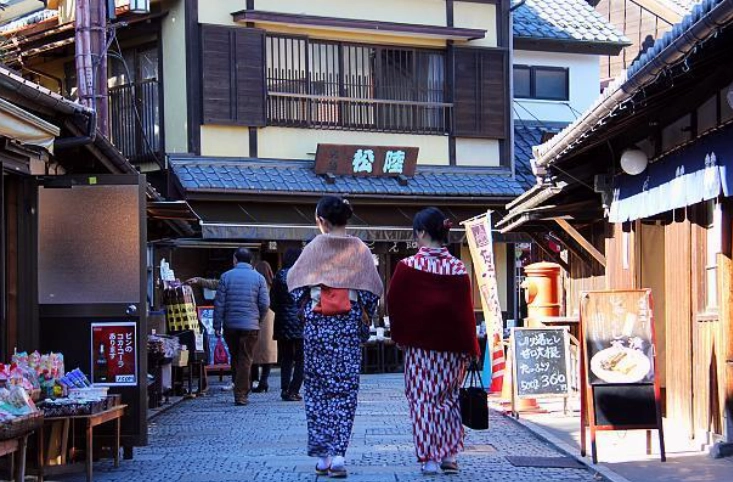
Another popular option is the JR Saikyo / Kawagoe Line from Shinjuku Station. It's covered by the Japan Rail Pass if you have one, but it can be more crowded with commuters.
Once you arrive at Kawagoe Station (either Tobu or JR), the main historical area is a 15-20 minute walk, or a short bus ride away. I recommend walking if the weather is decent—it's a nice way to see the town transition from modern to old. There's also a handy "Koedo Loop Bus" that circles all the major tourist spots. A one-day pass is cheap and saves your feet, especially in the cold. Schedules are available at the station's tourist information center, which should be your first stop. Grab an English map!
For the most accurate and up-to-date train schedules and fares, the Jorudan Travel Planning Site (English) or the official Tobu Railway website are invaluable.
A Sample Winter Itinerary (The Smart Way)
Here’s how I structure a perfect Kawagoe winter day to catch the daylight sights and the night lights without rushing.
Morning (10:00 AM - 12:30 PM): Arrive at Kawagoe Station. Head straight to the tourist info center. Walk or take the bus to the Kita-in Temple. Spend a good hour here exploring the temple grounds, the famous Gohyaku Rakan statues, and the remains of Edo Castle. The morning light is beautiful here, and it's usually quiet.
Lunch (12:30 PM - 2:00 PM): Walk towards the main warehouse district. For lunch, dive into something warm. Either queue for a famous unagi restaurant (be prepared to wait) or grab a hearty bowl of Kawagoe-style oden or gyūdon from a smaller shop. My personal favorite is finding a place that does a teishoku (set meal) with grilled fish and hot soup.
Afternoon (2:00 PM - 4:30 PM): This is your time to explore Kashiya Yokocho (Penny Candy Alley) and the Kurazukuri no Machinami (Warehouse Street). Shop for traditional sweets and souvenirs. Pop into the Kawagoe Festival Museum (Matsuri Kaikan) to see the magnificent floats in daylight first. Have a mid-afternoon snack—this is the perfect time for that hot sweet potato or a warm sweet.
Late Afternoon to Evening (4:30 PM onwards): As the sun starts to set, make your way back to Kita-in Temple (if it's illuminated) to see it transform. Then, head to the Kawagoe Festival Museum area for the main light-up spectacle. Afterward, enjoy a relaxed dinner at an izakaya (Japanese pub) in the warehouse district, trying local sake or imo-shu. Finally, take a peaceful stroll down the illuminated Ichiban-gai street before heading back to the station.
Too packed? Just pick the sights that matter most to you. The illuminations are the evening priority.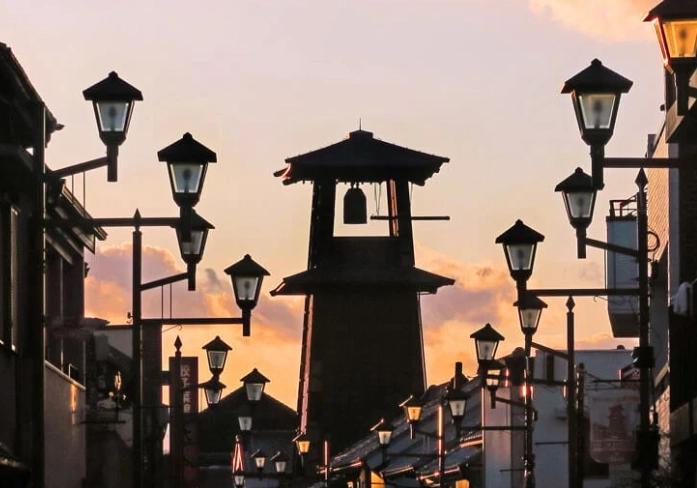
Kawagoe Winter: Your Questions Answered
Final Thoughts: Embracing the Chill
A Kawagoe winter visit requires a bit more preparation than a sunny spring day. You have to bundle up, plan around the early sunset, and be strategic. But the rewards are immense. You get to experience "Little Edo" in a more intimate, atmospheric way. The food becomes a central character in your adventure, not just a sideshow. And the illuminations add a layer of modern magic to the historical setting that you simply can't find in other seasons.
It's not the obvious choice, but that's what makes it special. It feels like discovering a secret side of a popular destination. So, pack your warmest gloves, charge your camera, and get ready to eat your way through one of the most delicious and visually stunning winter day trips from Tokyo. Just remember to let that yaki-imo cool down first.
For the most current event information, always refer to the official source: the Kawagoe City Tourism Association website. They have detailed calendars, access maps, and sometimes even special discount coupons for buses or attractions.


Comments