Your Quick Guide to Nara
- Why Bother with Nara Travel? It's More Than Just Deer
- The Heart of Your Nara Travel: Must-See Sights & Experiences
- Crafting Your Perfect Nara Travel Itinerary: Day Trip or Overnight?
- Getting There, Getting Around, and Practical Nara Travel Tips
- Eating in Nara: It's Not Just About the Sights
- Your Nara Travel Questions, Answered
- Final Thoughts on Planning Your Nara Adventure
Let's be honest, when most people plan a trip to Japan, Nara isn't always the first name that pops up. Kyoto, Tokyo, Osaka—they steal the spotlight. But let me tell you, skipping Nara is a mistake I almost made, and I'm so glad I didn't. My first Nara travel day was one of those perfect travel surprises, the kind that sticks with you. It wasn't just about checking a site off a list; it was about feeding overly-persistent deer, staring up at a bronze Buddha so massive it made me feel tiny, and wandering down quiet lanes that felt centuries away from the modern world.
This guide is everything I wish I'd known before I went. It's not a dry list of facts. It's a practical, honest, and hopefully helpful companion for planning your own Nara adventure. We'll talk about the famous stuff you can't miss, the hidden corners most tourists rush past, how to actually enjoy the deer (without getting bitten), and how to fit it all into your Japan itinerary. Whether you're thinking of a quick Nara day trip from Kyoto or a more relaxed overnight stay, I've got you covered.
Why Bother with Nara Travel? It's More Than Just Deer
Okay, the deer are adorable. They bow for crackers, they photobomb your pictures, they're everywhere. But if you think that's all there is, you're missing the point. Nara was Japan's first permanent capital, way back in 710. That's over 1,300 years of history packed into a surprisingly walkable city. This is where Japanese Buddhism really took root, where art and architecture flourished in a way that still defines the country's cultural identity.
Walking through Nara Park isn't like walking through a regular city park. It's an open-air museum. Ancient temples, some of the oldest wooden buildings on the planet, and priceless national treasures are just... sitting there, nestled among the trees and grassy knolls. The atmosphere is different too. While Kyoto can feel bustling and museum-like, Nara has a slower, more serene pace. There's a tangible sense of peace, especially if you venture away from the main path to Todai-ji. For anyone interested in the soul of old Japan, a Nara travel plan is non-negotiable.
The Heart of Your Nara Travel: Must-See Sights & Experiences
You can't see everything in one day, and you shouldn't try. Here’s my breakdown of the essentials, the nice-to-haves, and the hidden gems that will make your trip special.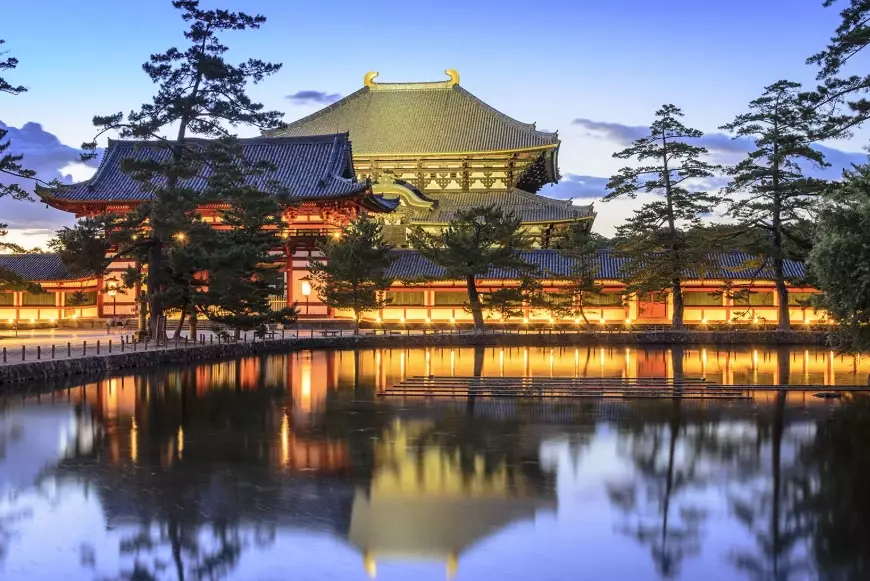
The Absolute Non-Negotiables
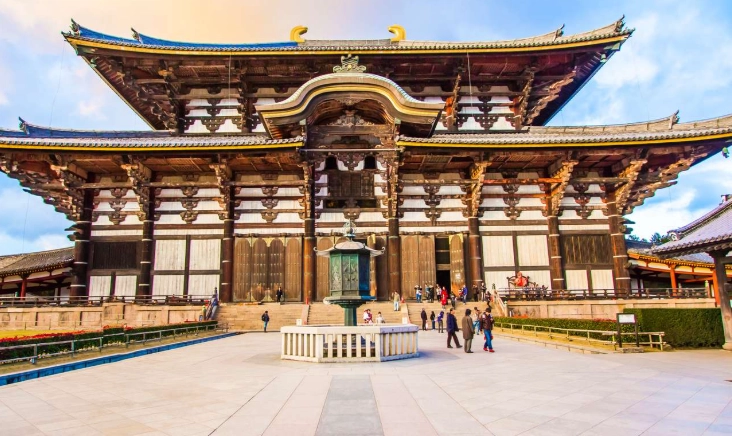
Todai-ji Temple & the Great Buddha (Daibutsu). This is the big one. Literally. The main hall, the Daibutsuden, is one of the largest wooden buildings in the world. Walking through the massive Nandaimon Gate with its fierce guardian statues sets the tone. Then you see it. The Great Buddha Vairocana is a 15-meter-tall bronze colossus. Photos don't do it justice. The scale is humbling. Don't just look and leave—circle around the back. There's a pillar with a hole in its base said to be the size of the Buddha's nostril. Legend says if you can squeeze through it, you'll attain enlightenment. Kids zip right through; adults... well, let's just say it's a tight squeeze and a good laugh.
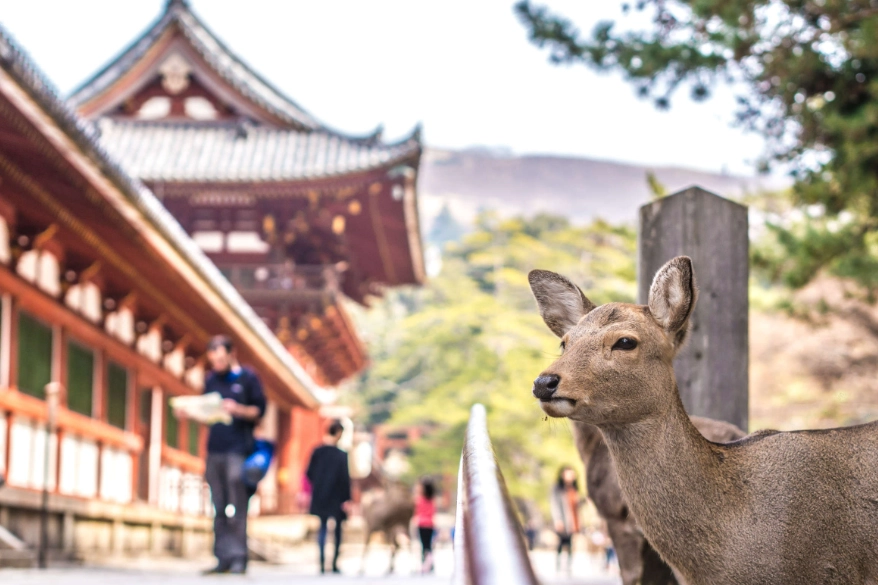
Nara Park and the Deer. This is your quintessential Nara travel moment. Over 1,000 sika deer roam freely. You can buy special shika senbei (deer crackers) from vendors for about 200 yen. Pro-tip: Buy them, break the stack into pieces, and hide the main pack. The deer know what the crackle of that wrapper means and will swarm you. Hold a cracker up, say "onegaishimasu" (please), and many will bow! It's magical. But be warned: they can be pushy and may nibble on maps, clothing, or anything that smells vaguely like food. Keep bags zipped up.
The deer are considered sacred messengers of the gods in Shinto belief, which is why they've been protected here for so long. But let's be real—today, they're savvy, semi-wild park residents who know exactly how to get snacks from tourists.
Kasuga Taisha Shrine. A stark contrast to Todai-ji's grandeur. This Shinto shrine is famous for its hundreds of bronze and stone lanterns lining the paths. They're donated by worshippers over centuries. It's a serene, almost mystical walk through the forest to get there. If you visit in early February or mid-August, you might catch the Mantoro festivals when all the lanterns are lit. The effect is breathtaking. The shrine's vermilion pillars and white walls against the deep green of the forest make for incredible photos, even without the lanterns lit.
Beyond the Big Three: Temples Worth Your Time
Most people see Todai-ji and think they're done with temples. Big mistake. Nara is packed with incredible, quieter sites. Here’s a quick comparison to help you choose based on your interests: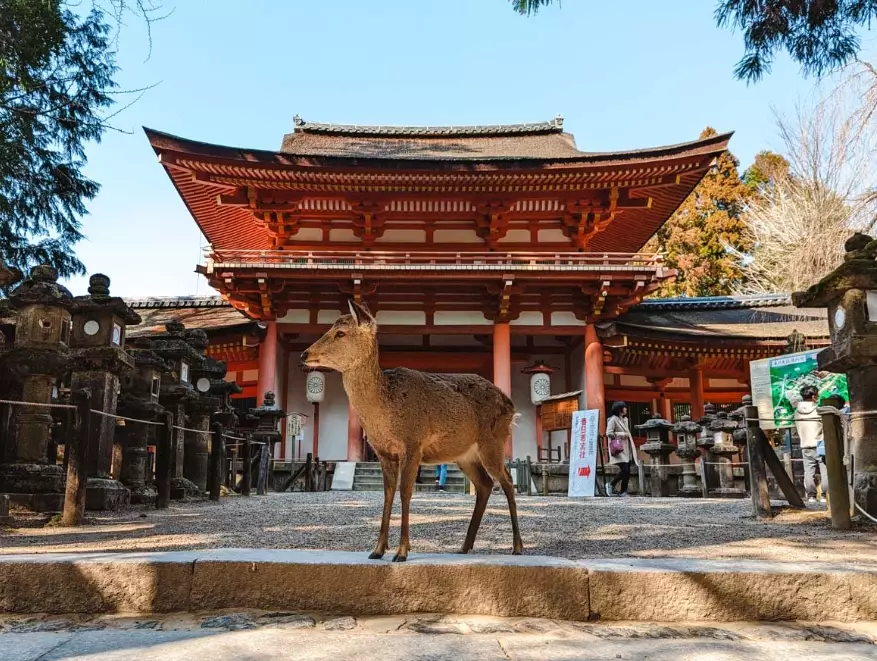
| Temple | Key Feature | Atmosphere/Vibe | Best For... |
|---|---|---|---|
| Kofuku-ji | Five-story Pagoda (Nara's symbol) | Central, park-like, iconic | Iconic photos, easy access from station |
| Yakushi-ji* | East Pagoda (a national treasure) | Quiet, architectural wonder | Architecture buffs, peace seekers |
| Toshodai-ji* | Founder's Hall, serene complex | Extremely peaceful, less visited | Deep cultural immersion, meditation |
| Shin-Yakushi-ji | Clay statue of the Healing Buddha | Small, intimate, powerful art | Art lovers, a quick but profound stop |
*Yakushi-ji and Toshodai-ji are located in the Nishinokyo area, a short bus ride west of central Nara Park. They are often overlooked but are UNESCO World Heritage sites of immense importance.
My Top 3 Lesser-Known Gems for Your Nara Travel Itinerary
- Isuien Garden & Neiraku Museum: After the crowds, this strolling garden is a tonic. It's split into two parts, front and back, each with ponds, lanterns, and borrowed scenery (shakkei) that incorporates the roofs of Todai-ji into the view. The attached museum has a lovely collection of Chinese bronzes and Korean ceramics. It's a perfect spot to sit and process everything you've seen.
- Naramachi: This is the old merchant district, south of Sarusawa Pond. Forget wide avenues; here it's all narrow lanes, traditional machiya (townhouses) with latticed fronts, small shops, and cafes. Some machiya are open to the public as museums. It feels lived-in and real, not a preserved theme park. Perfect for an aimless afternoon stroll and some unique souvenir shopping.
- Mount Wakakusa (Wakakusayama): If you want a view, this is it. It's that large, grassy hill you see north of Nara Park. You can hike up (takes about 30-45 minutes) for a panoramic view over the entire city basin. In late January, the grass is burned in a famous festival (Yamayaki), but other times of year, it's just a beautiful, quiet escape with grazing deer at the base.
Crafting Your Perfect Nara Travel Itinerary: Day Trip or Overnight?
This is the big question. Can you do Nara as a day trip? Absolutely. Should you? That depends.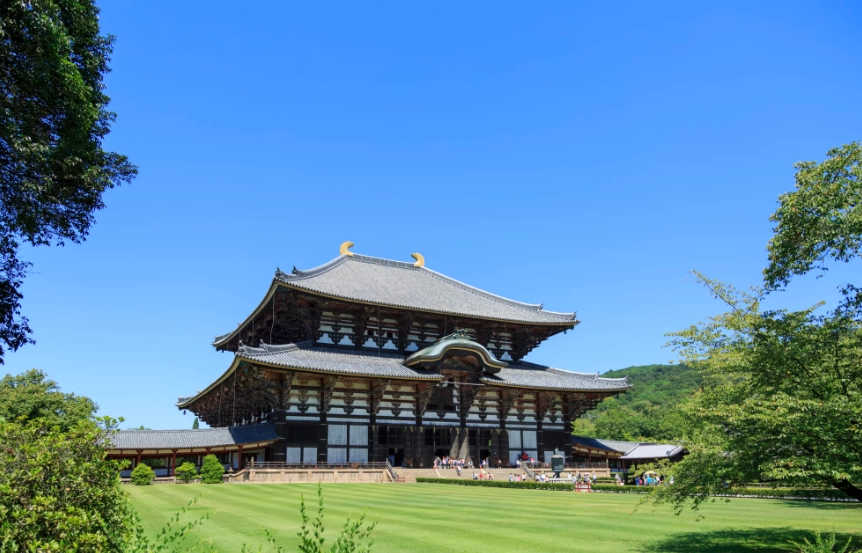
The Classic Nara Day Trip from Kyoto/Osaka
This is the most popular option and it works. Here’s a realistic, tried-and-tested schedule:
- Morning (9:00 AM - 12:00 PM): Arrive at Kintetsu Nara Station (it's closer to the park than JR Nara Station). Walk straight to Nara Park. Feed some deer on the way (get it out of your system early!). Head directly to Todai-ji. Spend a good 90 minutes here, including the museum if you're keen.
- Lunch (12:00 PM - 1:00 PM): Eat near the park. Options range from simple noodle shops to nicer restaurants. I had a great kakinoha-zushi (sushi wrapped in persimmon leaf) from a shop near Sarusawa Pond.
- Afternoon (1:00 PM - 4:00 PM): Choose your own adventure. Option A (Culture): Visit Kasuga Taisha, then wander through Isuien Garden. Option B (Depth): Take a bus to the Nishinokyo area for Yakushi-ji and Toshodai-ji. Option C (Local Vibes): Explore the Naramachi district.
- Late Afternoon (4:00 PM onward): Do some last-minute souvenir shopping (deer-themed anything!), grab a coffee, and head back to the station.
The day trip is efficient, but it's a marathon. You'll hit the highlights, but you'll be on the clock and likely dealing with peak crowds at Todai-ji.
Why I Recommend an Overnight Stay
If your schedule allows, stay one night. Seriously. The magic of Nara travel reveals itself in the early morning and late afternoon when the tour buses have left. Imagine walking through Nara Park at 8 AM, with mist rising and the deer calm, having Todai-ji almost to yourself. Or seeing Kasuga Taisha in the soft golden light before it closes. You can also properly visit the Nishinokyo temples and Naramachi without rushing. The city has a wonderful, quiet atmosphere in the evening. You'll find locals in the izakayas near the stations, and the pressure to "see everything" evaporates.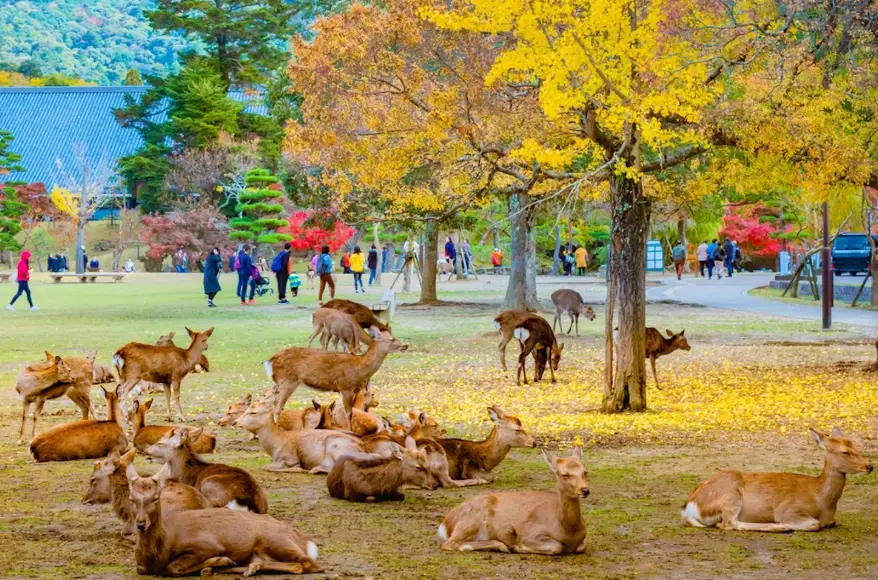
Getting There, Getting Around, and Practical Nara Travel Tips
How to Get to Nara
It's super easy from Kyoto or Osaka. The main choice is between JR and Kintetsu railway lines.
- From Kyoto: The Kintetsu Limited Express (about 35 minutes) is the fastest and most convenient, taking you directly to Kintetsu Nara Station, which is a 5-minute walk to the park. The JR Nara Line is slower (about 45-70 minutes on local/rapid trains) but is covered by the Japan Rail Pass. JR Station is a 20-minute walk to the park.
- From Osaka (Namba): The Kintetsu line is again the best direct option (about 40 minutes to Kintetsu Nara). From Osaka (Umeda/JR Osaka Station), the JR Yamatoji Line is straightforward and covered by the JR Pass (about 50 minutes).
For the most up-to-date schedules and route planning, I always double-check with the official JR West and Kintetsu Railway websites. They're accurate and reliable.
Getting Around Nara City
Walk. Seriously, most of what you want to see in central Nara is within a 30-minute walk from Kintetsu Nara Station. Walking is the best way to experience the city's atmosphere and stumble upon little surprises. For the Nishinokyo temples (Yakushi-ji, Toshodai-ji), you'll want to take a bus from either Nara station. The city bus loop is simple to understand. A one-day bus pass can be worth it if you plan to make multiple trips.
Essential Practical Advice
- Cash is King: Many smaller temples, cracker vendors, and local shops in Naramachi only accept cash.
- Comfortable Shoes: You will walk on uneven stone paths, gravel, and slopes. Leave the fancy footwear at the hotel.
- Deer Etiquette: Don't tease them with food. If you're out of crackers, show them your empty hands and say "nai" (none). They usually get the hint. Be careful of your belongings—they will eat paper.
- Temple/Shrine Manners: It's respectful to wash your hands at the temizuya (water pavilion) before entering shrine grounds. Photography is usually forbidden inside worship halls (there will be signs).
- Luggage Storage: Both JR and Kintetsu Nara Stations have plentiful coin lockers in various sizes, perfect for day-trippers.
Eating in Nara: It's Not Just About the Sights
Nara has its own unique food culture. Don't just settle for a convenience store bento. Here’s what to seek out:
- Kakinoha-zushi: This is Nara's signature dish. Sushi (usually mackerel or salmon) pressed and wrapped in a fragrant persimmon leaf, which acts as a natural preservative and adds a subtle flavor. It's a perfect picnic food. You'll find it in shops all over, especially near the stations and park.
- Nara Somen (Miwa Somen): Thin, delicate wheat noodles, often served cold in the summer. They have a lovely, slightly chewy texture.
- Nara-style Pickles (Nara-zuke): Unique because they're pickled in sake lees (the leftover yeast from sake production). They have a distinctive sweet, salty, and slightly alcoholic taste. An acquired taste, but worth a try!
- Persimmon Leaf Sushi: I know, I mentioned it, but it's so good it deserves two spots. Grab a box from a shop like "Hiraso" near Kintetsu Nara Station and eat it in the park.
For a casual meal, the streets leading from Kintetsu Station to the park are lined with options. For a more local dinner experience if you're staying over, explore the areas around both stations.
Your Nara Travel Questions, Answered
Final Thoughts on Planning Your Nara Adventure
Look, planning any trip can be overwhelming. But Nara is one of those places that rewards a little bit of planning with an immense amount of wonder. It’s accessible, compact, and offers a depth of history and culture that’s hard to find anywhere else.
The core of a great Nara travel experience isn't about ticking boxes. It's about that moment of awe in front of the Great Buddha. It's about the laugh you get when a deer bows a little too enthusiastically. It's about the quiet beauty of a stone lantern covered in moss in a silent forest. Whether you have six hours or two days, slow down, be present, and let this ancient city work its magic on you.
For the most accurate and official information on hours, fees, and festival dates, always refer to the Official Nara Travel Guide website. It's an invaluable resource maintained by the city's tourism board.
Have an amazing trip. You're going to love it.
Comments