Most people know two things about Niigata: it produces incredible rice and even better sake. And they're right. But if you think that's all there is, you're missing the soul of the place. Nestled on the Sea of Japan coast, Niigata Prefecture is a sprawling, diverse region of wild coastlines, remote islands, hidden hot springs, and a culture forged by snow and sea. It's not a weekend side-trip from Tokyo; it's a destination that demands a deeper dive. I've spent weeks there over different seasons, and the mistake I see first-timers make is trying to tick off too many spots. Niigata rewards a slower pace.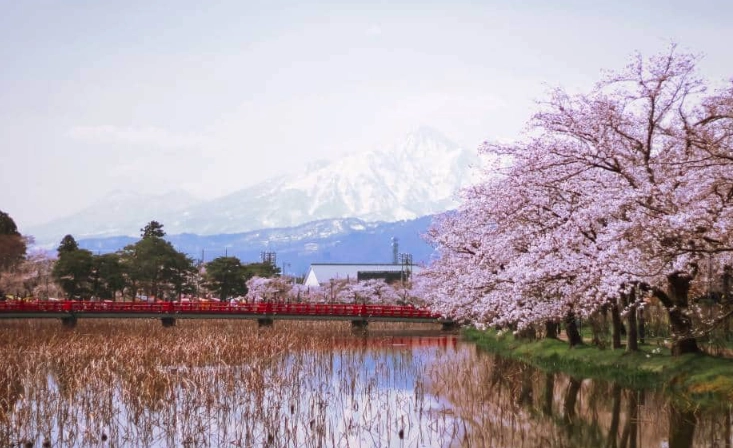
This guide is for travelers who want to move past the postcard and understand how to experience Niigata authentically. We'll cover the must-sees like Sado Island, the essential sake immersion, and then get into the details most blogs gloss over—like why the train system can be frustrating for certain routes and how to navigate the weather, which is a character in its own right here.
What You'll Find in This Niigata Guide
Sado Island: A World Apart
Forget "day trip." Sado Island (Sado-ga-shima) is the heart of Niigata's identity and deserves at least two nights. This isn't just an island; it's a time capsule of history, nature, and a unique hybrid culture. The island was a place of exile for intellectuals and emperors, which ironically cultivated a rich artistic and political history. Later, it became famous for its gold mines.
Getting there is part of the adventure. The car ferry from Niigata City's Ryotsu Port takes about 2.5 hours. There's also a faster jetfoil (about 1 hour). I recommend the ferry if you have a car or don't mind the slower pace—watching the mainland disappear is a ritual. Schedules change seasonally, so check the Sado Kisen website. A common frustration? The main ferry terminal in Niigata City isn't super close to the main train station. Budget a 20-minute taxi ride or a bus transfer.
Pro Tip: Rent a car on Sado. Public buses exist but are infrequent, especially outside summer. Exploring the dramatic coastlines, remote temples, and quiet fishing villages at your own pace is the only way to do it right. Rental agencies are at both Ryotsu and Ogi ports.
Top Sights You Can't Miss
Sado Kinzan Gold Mine: This is the big one. Don't just walk through the illuminated tunnels (which are cool). The real story is outside. The mine's operation shaped the entire island's ecosystem and society for centuries. The surrounding area has hauntingly beautiful slag heaps now reclaimed by nature. Address: 1305 Shimoaikawa, Sado. Open 8:00 AM to 5:30 PM (Apr-Oct), 8:30 AM to 5:00 PM (Nov-Mar). Admission: 900 yen for the main tunnel course.
Toki Forest Park (Sado Japanese Crested Ibis Conservation Center): The toki (crested ibis) is Japan's national treasure, and it was extinct in the wild until Sado's successful breeding program. Seeing these elegant pink birds isn't just a photo op; it's a lesson in environmental perseverance. Address: 383-2 Niibonaga, Sado. Open 8:30 AM to 5:00 PM. Admission: 400 yen.
The Shukunegi District: A preserved fishing village on the southern tip with narrow lanes and houses built from ship parts. It feels utterly real, not manufactured for tourists. Walk slowly. Look for the tiny family-run sushi shop tucked away—it has maybe six seats and serves fish that was in the sea that morning.
The Niigata Sake Journey: More Than Just Tasting
Yes, Niigata's sake is legendary, thanks to its perfect water, rice (Koshihikari), and cold winters. But visiting a brewery here is different from Kyoto or Hiroshima. It's often more subdued, technical, and deeply connected to the local community. The "micro-climate" within the prefecture matters. Sake from the snowy interior Uonuma region has a different profile from sake brewed near the coast.
You have two main approaches: the curated city experience or the rural pilgrimage.
In Niigata City: The Ponshukan sake tasting room inside Niigata Station is famous for its 500-yen, five-sake tasting wall. It's fun, but it's a circus. For a calmer, more educational experience, head to the Niigata Sake Museum (Furusato Mura) near the river. It's quieter and gives better context. Then, visit a proper brewery in the city like Imayo Tsukasa Brewery. They offer tours (sometimes in English if booked ahead) that explain the kimoto yeast-starting method they use, which is a slower, more traditional process.
The Rural Pilgrimage: Rent a car and head south to Nagaoka or Shiozawa. Breweries like Kubota (Asahi Shuzo) in Nagaoka or Hakkaisan in Minamiuonuma offer stunning settings at the foot of mountains. Hakkaisan's museum and tour are exceptionally well-done. You'll taste sake that rarely leaves the prefecture. Address (Hakkaisan): 1777 Koshiji, Minamiuonuma. Tour reservations are highly recommended.
| Brewery / Location | Key Feature / Style | Tour & Tasting Notes |
|---|---|---|
| Ponshukan (Niigata Station) | 108-sake tasting wall; quick intro. | 500 yen for 5 tokens. Crowded, best for a quick sample. |
| Imayo Tsukasa (Niigata City) | Traditional kimoto method; dry, robust sake. | Advance booking needed for English tour. Small, authentic feel. |
| Hakkaisan (Minamiuonuma) | Mountain water; elegant, clean junmai styles. | Beautiful facility, informative museum. Reservations essential. |
| Kubota (Asahi Shuzo) (Nagaoka) | Prestigious brand; refined and aromatic. | Tour focuses on precise brewing techniques. Call ahead. |
When to Visit: Niigata's Seasonal Personality
Niigata has four distinct faces. Your experience hinges on picking the right one.
Winter (Dec-Feb): This is the Snow Country. Cities like Tokamachi get several meters of snow. It's magical but restrictive. The Tokamachi Snow Festival features massive, intricate snow sculptures. Hot springs (onsen) like those in Yuzawa (Echigo-Yuzawa Onsen) are at their best. However, travel on non-major roads requires caution, and some rural attractions on Sado may have reduced hours. This is the season for introspection and warmth, not beachcombing.
Spring (Apr-May): The snow melts, revealing lush green. Cherry blossoms come later here than in Tokyo, around mid-April. It's a quiet, lovely time with fewer crowds.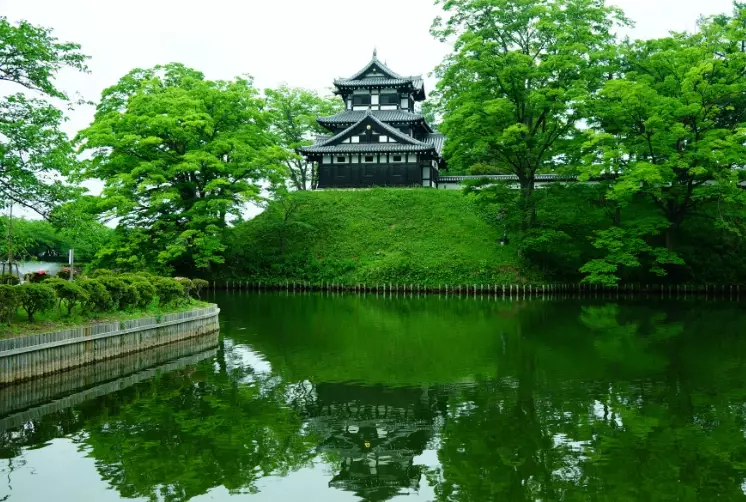
Summer (Jun-Aug): Vibrant and lively. The Niigata City Festival in August has huge floats and dancing. Sado Island's Earth Celebration music festival, hosted by the Kodo taiko drummers, is a world-class event drawing international artists. Book everything far in advance if you come for this. The Sea of Japan coast is surprisingly refreshing.
Autumn (Sep-Nov): My personal favorite. The mountains explode in color. The rice harvest happens, and the air is crisp. It's perfect for hiking, driving, and enjoying hearty local food like hegi soba (buckwheat noodles with funori seaweed).
Building Your Practical Niigata Itinerary
Here’s a realistic 4-day/3-night framework focusing on depth over breadth. This assumes you have a Japan Rail Pass or are comfortable with trains and a ferry.
Day 1: Arrival & Niigata City Foundations. Arrive at Niigata Station (Shinkansen from Tokyo takes about 2 hours). Don't rush out. Explore Ponshukan for a quick sake primer, then walk to the Niigata City History Museum (Minatopia) to understand the port's past. Have dinner in the Furumachi district—try a izakaya serving noppe (a local root vegetable stew) and fresh sashimi. Stay in Niigata City.
Day 2-3: Sado Island Immersion. Morning ferry to Sado (Ryotsu Port). Pick up your rental car. Day 2: Focus on the north—visit the Gold Mine, Toki Center, and the scenic Onogame rock formation. Stay in a ryokan in Ryotsu or Aikawa. Day 3: Explore the south—Shukunegi village, the Sado Nishimikawa Gold Park (try gold panning), and the rugged coastline around Sawada. Take the late afternoon ferry back to Niigata City.
Day 4: Inland Sake & Departure. Check out, store luggage at the station. Take a train south to Kashiwazaki or Nagaoka (30-60 mins). Visit one of the rural breweries like Kubota. Have a lunch of koshihikari rice and local fish. Return to Niigata Station for your onward journey.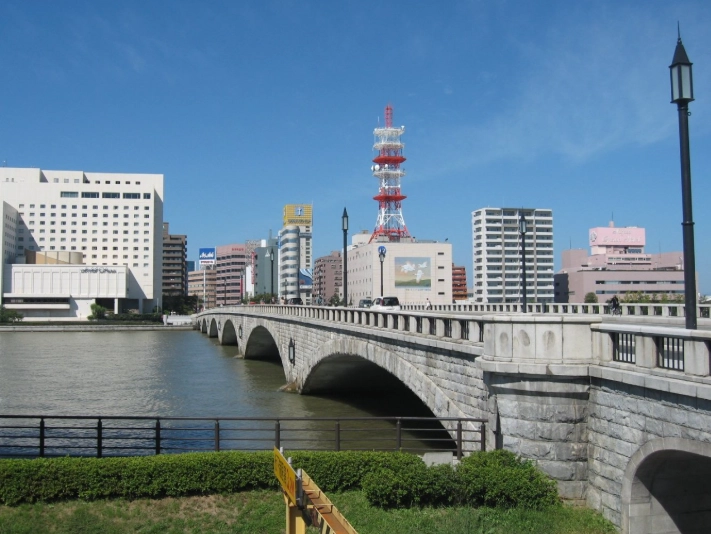
Local Travel Tips & Common Pitfalls
The transport web within Niigata can trip you up. The Shinkansen runs along the west coast, but many key inland areas (like the great ski and onsen town Yuzawa) are on a different, older line. Switching from the Joetsu Shinkansen to the local JR lines takes planning. Google Maps is reliable for schedules.
While the Japan National Tourism Organization provides good overviews, for real-time info on local festivals or road conditions, the Niigata Prefecture Official Tourism Website is your best bet.
Food is a highlight, but it's not just sushi. Seek out sasadango (mochi wrapped in bamboo leaves), kakinomoto (persimmon leaf sushi), and the aforementioned hegi soba. In winter, everything cooked in a nabe hotpot tastes better.
A subtle mistake? Underestimating the distances. Niigata is large. Driving from Niigata City to the southern border can take over 3 hours. Focus on one or two sub-regions per trip.

Comments