Quick Guide
- Where Your Money Goes: The Big Three Expenses
- The Monthly Breakdown: A Side-by-Side Look
- City Showdown: Where Your Yen Stretches (or Shrinks)
- The Hidden & Recurring Costs (The "Oh Right" Moments)
- How to Actually Budget and Save Money
- Official Data and Reliable Sources
- Common Questions (The Stuff You're Actually Searching For)
- The Final Word: It's About Balance
Let's cut to the chase. You're probably Googling "life cost in Japan per month" because you're thinking about moving here, maybe for work, study, or a fresh start. I remember doing the same search years ago, and honestly, a lot of the information out there felt either too vague or weirdly optimistic.
Some blogs made it sound like you could live like a king on peanuts, while others painted a picture of relentless financial struggle. The truth, as always, is firmly in the messy middle and depends almost entirely on you—your location, lifestyle, and tolerance for small apartments.
So, here's my take after several years of navigating bills, rent, and the ever-tempting convenience store. This isn't just a list of averages; it's a breakdown of what you'll actually see leaving your bank account, where you can save, and where you'll likely splurge. We'll cover everything from the non-negotiable rent to the sneaky costs nobody tells you about upfront.
The Bottom Line Up Front: For a single person living in a major city like Tokyo or Osaka, a realistic, comfortable (not lavish) monthly cost of living in Japan falls between 150,000 to 250,000 JPY. Outside major urban centers, you can shave a significant chunk off that, especially from your housing costs. For families, the equation changes dramatically.
Where Your Money Goes: The Big Three Expenses
When you're calculating your potential life cost in Japan per month, three categories will dominate your budget: Housing, Food, and Transportation. Get a handle on these, and you've won half the battle.
Housing: Your Biggest Battle (and Expense)
This is the elephant in the tiny, well-designed room. Rent is the single largest line item for most people. And it's not just the monthly rent you need to worry about.
First, the infamous "key money" (reikin) and deposit (shikikin). When you first sign a lease, you can often be required to pay a non-refundable "gift" to the landlord (reikin) equal to 1-2 months' rent, plus a refundable deposit (1-2 months' rent), plus the first month's rent, plus an agency fee. It's a massive upfront hit that can easily total 5-6 months' rent. It's a brutal system, and frankly, one of the worst parts of setting up life here. Some newer share houses or apartments aimed at foreigners skip this, which is a huge relief.
Now, for the actual monthly cost. It's a spectrum wider than a sumo wrestler's stance.
- Tokyo (23 Wards): A modest, older 1K/1DK apartment (one room + kitchen) in a decent but not central area like Nakano or Koenji: 70,000 - 100,000 JPY. Something newer, closer to a station, or in trendier spots like Shimokitazawa or parts of Setagaya: 100,000 - 140,000 JPY. Want a newer 1LDK (separate living/dining/kitchen) in a semi-central location? Brace for 140,000 - 200,000+ JPY.
- Osaka, Kyoto, Yokohama: Generally 10-25% cheaper than central Tokyo for comparable space and quality. You might find nice 1Ks starting around 60,000 JPY in reasonable neighborhoods.
- Regional Cities (Fukuoka, Sapporo, Sendai, Hiroshima): This is where value appears. A nice, modern 1LDK can often be found for 60,000 - 90,000 JPY. The quality of life-to-cost ratio improves noticeably.
- Inaka (Countryside): Rent can be shockingly low. 30,000 - 50,000 JPY for a house isn't unheard of. The trade-off, of course, is access to amenities and jobs.
Don't forget utilities! They're usually separate. For a single person in a small apartment:
- Electricity: 5,000 - 10,000 JPY (summer AC and winter heating are killers).
- Gas: 3,000 - 6,000 JPY.
- Water: 2,000 - 4,000 JPY (often billed bi-monthly).
- Internet/Mobile: A fiber line is about 5,000 JPY. A decent mobile data plan can range from 2,000 JPY (low-data MVNO) to 8,000 JPY (major carrier).
So, just for a roof and basic utilities in a Tokyo 1K, you're looking at a baseline of roughly 85,000 - 130,000 JPY per month before you've even eaten a single bite of sushi.
Food: From Konbini Survival to Cooking at Home
Your food budget is the most flexible part of your life cost in Japan per month. You can survive on convenience store (konbini) rice balls and cup noodles for a shockingly low amount, but you'll feel terrible. Or you can eat out for every meal and watch your savings vanish faster than cherry blossoms in the rain.
Pro-Tip: Learning to cook, even basics, is the #1 money-saver. Groceries from supermarkets like Life, Ito Yokado, or budget chains like OK Store or Hanamasa are reasonably priced, especially for vegetables, tofu, chicken, and rice. Go in the evening for time sale discounts on prepared foods and meat.
Here's a rough breakdown for a single adult:
- Ultra-Frugal (mostly cooking, minimal meat): 25,000 - 35,000 JPY.
- Moderate (mix of cooking and occasional cheap eats like ramen/gyudon): 35,000 - 50,000 JPY. This is the sweet spot for most.
- Comfortable (regular cooking with good ingredients, eating out 1-2 times a week at mid-range places): 50,000 - 70,000 JPY.
- Foodie (frequent dining out, higher-end ingredients, lots of imported goods): 70,000 JPY and up. The sky's the limit.
Eating out costs: A bowl of ramen or gyudon (beef bowl) is 500-1,000 JPY. A set lunch (teishoku) at a casual restaurant is 800-1,500 JPY. Dinner at a decent izakaya with a couple of drinks can run 3,000-5,000 JPY per person. A coffee at a cafe is 300-500 JPY.
My personal strategy? I cook breakfast and dinner most days, which keeps my grocery bill around 40,000 JPY. I allow myself a nice lunch out or an izakaya visit on weekends. It feels balanced without breaking the bank.
Transportation: Trains, Bikes, and the Occasional Taxi
Japan's public transport is legendary, efficient, and... can be expensive if you're commuting long distances. But it's also highly manageable.
- Commuter Pass (Teiki): If you commute to work/school by train or subway, this is essential. You pay a fixed monthly fee for unlimited travel between two specific stations. A typical 30-45 minute commute in Tokyo might cost 8,000 - 12,000 JPY per month. Your employer may subsidize this.
- Pay-as-you-go: Without a pass, fares add up quickly. A few short trips a day can easily hit 500-700 JPY.
- Bicycle: The unsung hero of monthly living costs in Japan. In flat cities, a cheap mamachari (shopping bike) is a one-time investment that saves thousands per month. Best purchase I ever made here.
- Taxi: Treat as a luxury or for emergencies. The starting fare is high (around 500 JPY for the first km).
Budget 5,000 - 15,000 JPY for transport, heavily dependent on your commute.
The Monthly Breakdown: A Side-by-Side Look
Let's put it all together. The table below shows estimated monthly cost of living in Japan for different lifestyles and locations. These are estimates for a single person and assume you're already settled (no initial setup costs).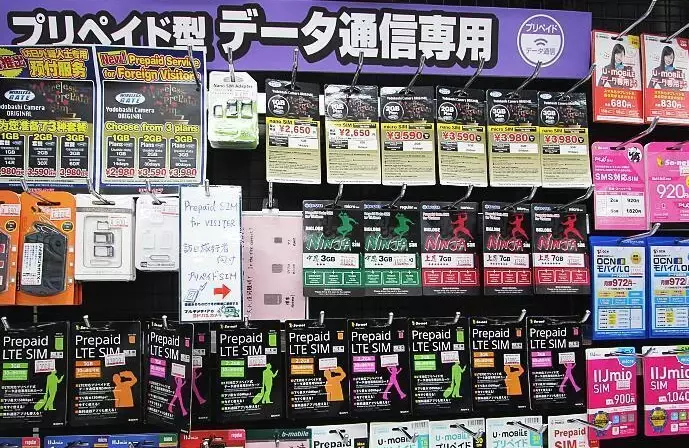
| Expense Category | Frugal Single (Regional City) | Comfortable Single (Tokyo) | Comfortable Couple (Tokyo) |
|---|---|---|---|
| Rent (1K/1LDK) | 50,000 - 65,000 JPY | 95,000 - 120,000 JPY | 130,000 - 180,000 JPY (for 1LDK/2K) |
| Utilities (Elec, Gas, Water) | 10,000 - 13,000 JPY | 12,000 - 18,000 JPY | 18,000 - 25,000 JPY |
| Internet & Mobile Phone | 7,000 - 9,000 JPY | 8,000 - 12,000 JPY | 12,000 - 16,000 JPY |
| Food & Groceries | 28,000 - 35,000 JPY | 45,000 - 60,000 JPY | 75,000 - 95,000 JPY |
| Transportation | 3,000 - 8,000 JPY | 8,000 - 12,000 JPY (Commuter Pass) | 16,000 - 20,000 JPY (x2 passes) |
| Insurance (National Health) | ~15,000 - 20,000 JPY* | ~15,000 - 20,000 JPY* | ~30,000 - 40,000 JPY* (x2) |
| Misc./Discretionary | 15,000 - 25,000 JPY | 30,000 - 50,000 JPY | 50,000 - 80,000 JPY |
| Estimated Monthly Total | 128,000 - 175,000 JPY | 213,000 - 292,000 JPY | 331,000 - 456,000 JPY |
*National Health Insurance premiums vary by municipality and previous year's income. For a first-year resident with no Japanese income history, it's often a low flat rate. This is a critical and mandatory cost.
City Showdown: Where Your Yen Stretches (or Shrinks)
Location is everything. Let's quickly compare the vibe and cost impact of a few key places. This isn't just about raw numbers; it's about what kind of life cost in Japan per month you're buying into.
Tokyo: The Alluring Money Pit
Everything is here. Jobs, entertainment, food from every corner of the globe, 24/7 energy. But you pay for the privilege. Rent is the obvious hit, but also daily temptations—that new pop-up cafe, the concert, the fancy department store basement food hall. Your discretionary spending needs a tight leash. The trade-off is convenience and opportunity. For many careers, it's the only place to be.
Osaka: Tokyo's More Relaxed (and Slightly Cheaper) Sibling
The people are famously direct and funny. Food is a religion, and arguably better for everyday eating (takoyaki, okonomiyaki, kushikatsu). Rent is 10-20% lower than Tokyo for similar space. The overall pace feels a bit slower, a bit grittier in a good way. Your monthly expenses in Japan will see a noticeable dip, especially if you live outside the core Namba/Umeda hubs.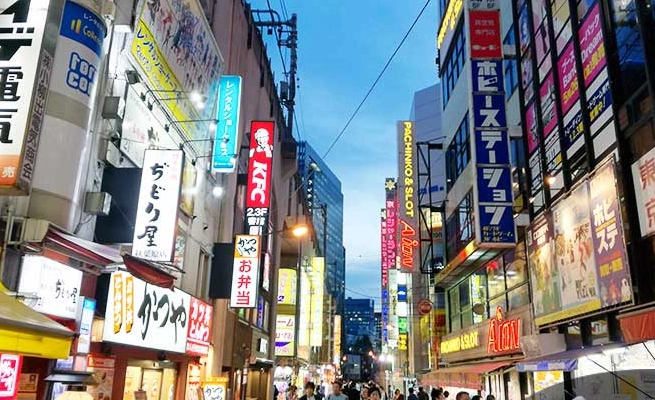
Fukuoka: The Rising Star
Sunny, compact, fantastic food (hakata ramen, mentaiko), and close to beaches and Asia. It's regularly ranked as one of the most livable cities in Japan. Rent is significantly cheaper than the big two. You can often walk or bike everywhere. The startup scene is growing. For a balanced, sunny lifestyle without the Tokyo price tag, it's hard to beat. Your monthly outgoings will thank you.
Kyoto: Beauty Has a Price
It's stunning, steeped in history, and... inconvenient for modern living in many ways. Apartments can be older, less insulated (cold winters, hot summers), and surprisingly expensive due to high tourist demand and preservation laws. It's not a cheap alternative to Tokyo. You're paying for the postcard view out your window (maybe).
The Hidden & Recurring Costs (The "Oh Right" Moments)
Beyond the big tickets, little things chip away at your budget. These are the costs that sneak up on you when planning your life cost in Japan per month.
Watch Out For:
- Resident Tax (Juminzei): This is a huge one people forget. If you live in Japan as of January 1st, you owe resident tax for that entire previous year. It's billed from June the following year. If you start a job in April, you won't see this bill until 14 months later. It's typically 10% of your previous year's income. For an average salary, this can mean a surprise bill of 200,000+ JPY split over four quarterly payments. Budget for this early.
- Ward/Town Fees: Garbage disposal fees, local park maintenance fees. Usually a few hundred yen a month, but they exist.
- Apartment Maintenance Fees (共益費): For condos or some apartment buildings, often 2,000 - 10,000 JPY monthly.
- Consumables: Things like shampoo, detergent, toilet paper—they cost about the same or slightly more than in many Western countries.
- Clothing: Uniqlo and GU are lifesavers for affordable basics. But if you're a specific size (especially tall or large shoe size), options shrink and prices jump.
- Hobbies & Leisure: Gym membership? 7,000 - 10,000 JPY/month. Ski trip? Photography? These add up fast.
How to Actually Budget and Save Money
Knowing the costs is one thing. Managing them is another. Here's what works, from obvious to less obvious.
- Housing is Your Lever. Choosing a slightly older building, being 7-10 minutes from the station instead of 3, or picking a less trendy neighborhood saves tens of thousands monthly. It's the most powerful choice you have.
- Embrace the Bicycle. I can't stress this enough. For local errands, it eliminates transport costs and is often faster than short train hops.
- Master the Supermarket Timing. The 30% off stickers that appear in the evening are your friend. Plan some meals around what's on sale.
- Use Cash-Back Apps & Point Cards. PayPay, Rakuten Pay, and store-specific point cards (like T-Point or Ponta) give back 0.5% to 5% or more. It adds up over a year.
- Re-evaluate Your Mobile Plan. Do you really need Docomo or SoftBank? MVNOs like IIJmio, LINE Mobile, or Ahamo offer massive data at half the price if you're okay with slightly lower priority speeds (often unnoticeable).
- Utilities Awareness: Unplug appliances. Use a fan instead of AC when possible. Take shorter showers. Small habits lower those bills.
- Free & Cheap Entertainment: Hiking, parks, temple grounds (often free to enter), people-watching, window-shopping, city festivals (matsuri). Japan offers incredible free experiences.
I track my spending in a simple spreadsheet for the first few months of any major change. It's boring, but it shows you exactly where the leaks are. For me, it was convenience store lunches and vending machine drinks. Cutting those down made a real difference.
Official Data and Reliable Sources
It's good to ground this in some official numbers. The Statistics Bureau of Japan conducts the Family Income and Expenditure Survey, which provides detailed breakdowns of average spending by household type and region. It's a dense but authoritative resource.
For more accessible and constantly updated comparative data, websites like Numbeo offer user-submitted cost of living figures for cities worldwide, including Japan. While user-generated, it gives a good real-time snapshot and allows for city-to-city comparisons. Another useful resource for expats is the JapanGov official portal, which has guides on living and working.
Remember, these are averages. Your personal life cost in Japan per month will be a unique creature based on your choices.
Common Questions (The Stuff You're Actually Searching For)
Is 250,000 JPY per month enough to live in Tokyo?
Can I live in Japan on 150,000 JPY a month?
How much does a family of four need per month?
What about student budgets?
Are there major differences between Japanese and foreigner costs?
The Final Word: It's About Balance
Figuring out your potential life cost in Japan per month isn't about finding one magic number. It's about understanding the trade-offs. You can have a tiny apartment in a fantastic location, or a spacious one in the suburbs. You can eat out every day or become a kitchen wizard. You can spend your weekends traveling or exploring free local gems.
Japan can be as expensive or as affordable as you make it. The infrastructure for a frugal, high-quality life is all here—excellent public transit, safe streets, affordable healthcare, and an abundance of low-cost or free cultural experiences. The temptations to spend are also everywhere.
Do your research, be brutally honest about your lifestyle, and always budget for the hidden and annual costs like resident tax.
For me, the slightly higher monthly cost of living in Japan is worth it for the safety, convenience, and sheer interesting-ness of daily life here. But I also know exactly where my yen goes, and I've made my peace with a smaller living space to afford the things I truly enjoy. That's the real calculation you need to make.


Comments