Quick Guide to Tochigi
- The Undisputed Crown Jewel: Nikko's World Heritage
- A Feast for the Senses: What Tochigi is Known For Foodies
- Natural Wonders and Onsen Escapes
- Seasons and Festivals: The Annual Highlights
- Crafts, Culture, and Quirky Finds
- Planning Your Visit: Practical Tochigi Travel Tips
- Common Questions About Tochigi (FAQs)
Let's be honest. When you think of Japan travel, Tokyo's Shibuya Crossing, Kyoto's temples, and Osaka's street food probably jump to mind first. Tochigi? It might not ring a bell immediately. But that's the thing – it's one of Japan's best-kept secrets, a place that often surprises visitors who venture just a couple of hours north of the capital.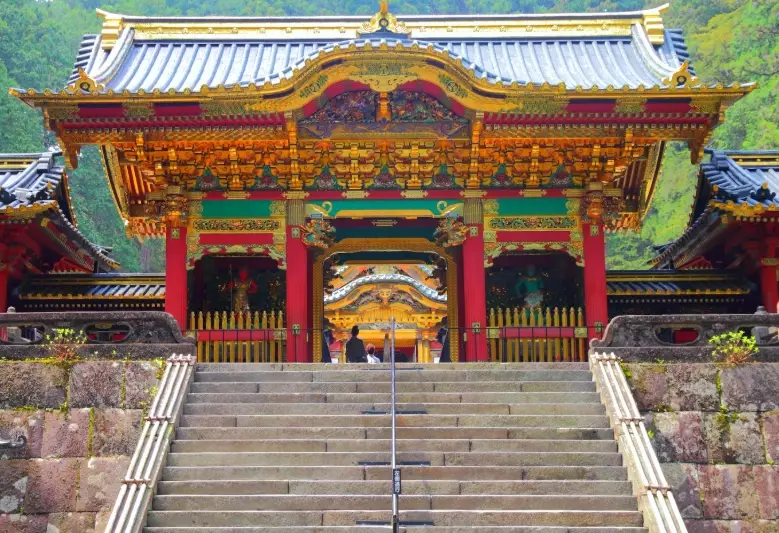
I remember my first trip there. I was expecting... well, I wasn't sure. A quiet countryside maybe. What I found instead was a powerhouse of history, nature, and flavor that completely reshaped my view of Japan's Kanto region. Asking "what is Tochigi Japan known for?" opens a door to a surprisingly diverse list.
Most people who know a bit will immediately say "Nikko." And they're not wrong. But there's so much more beyond the famous shrine. We're talking about some of Japan's most stunning autumn vistas, hot springs that locals swear by, strawberries so good they're considered luxury items, and a slower, more authentic pace of life that feels worlds away from Tokyo's frenzy.
The Core Answer: If you need the quick version, Tochigi is primarily known for the UNESCO World Heritage sites of Nikko (especially Toshogu Shrine), breathtaking natural scenery (Kegon Falls, Lake Chuzenji, Nikko National Park), its status as Japan's top strawberry producer, and traditional craft sake and gyoza culture in Utsunomiya. It's a perfect blend of cultural awe and natural retreat.
The Undisputed Crown Jewel: Nikko's World Heritage
You simply cannot talk about what Tochigi is known for without starting with Nikko. It's the headline act. For centuries, it's been a major center of Shinto and Buddhist mountain worship. But its global fame really took off when it became the final resting place of Tokugawa Ieyasu, the founder of the Tokugawa shogunate that ruled Japan for over 250 years.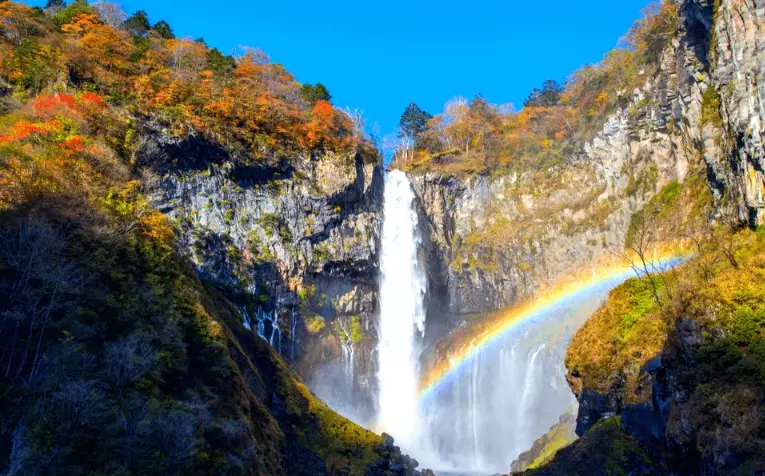
Toshogu Shrine: A Gilded Masterpiece
The Toshogu Shrine is... excessive in the best way possible. Forget the usual serene, minimalist Japanese aesthetics. This place is a riot of color, gold leaf, and intricate carving. The famous "See no evil, hear no evil, speak no evil" three monkeys? They're here, carved into a sacred stable. The Yomeimon Gate, nicknamed the "Gate of Sunlight," is so densely decorated it can make your head spin.
My take? It's breathtaking, but also incredibly crowded. The main path feels like a conveyor belt of tourists during peak seasons. The key is to go early, right when it opens, or explore the quieter sub-shrines deeper in the forest. The atmosphere there is completely different.
Local's Tip: Don't just snap a photo of the sleeping cat (Nemuri-neko) and leave. The path behind it leads up to Ieyasu's tomb through a stunning cedar forest. It's a steep climb, but 99% of the crowd doesn't bother, so you get peace, quiet, and a real sense of reverence.
The other shrines and temples in the complex—Futarasan Shrine and Rinnoji Temple—are often overlooked but are historically and spiritually just as significant. They offer a more contemplative experience.
Beyond the Shrine Gates: Lake Chuzenji & Kegon Falls
This is where answering "what is Tochigi Japan known for" gets interesting. The cultural treasure of Toshogu is just the beginning. A winding mountain road (Irohazaka) takes you up to a whole other world around Lake Chuzenji.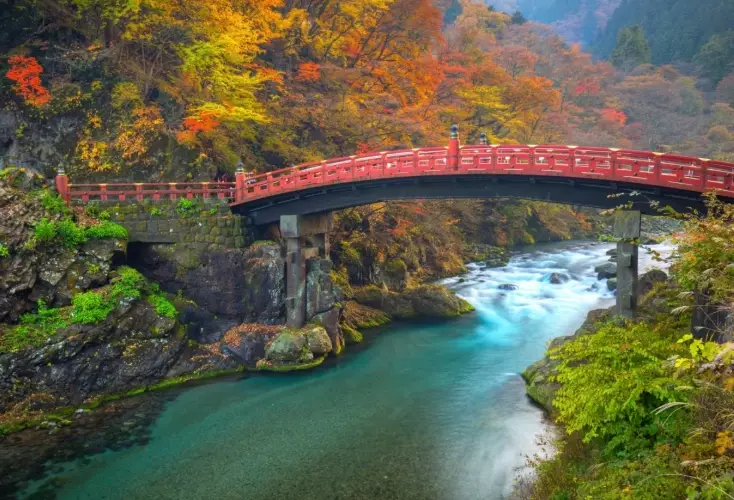
Kegon Falls is the star. Water plunges 97 meters straight down a sheer rock face. There's an observation platform at the base (reachable by elevator) where the mist and roar are powerful. In autumn, when the surrounding cliffs are on fire with red and orange leaves, it's arguably one of Japan's most iconic views. I've seen a lot of waterfalls, but this one, framed by that seasonal color, is special.
Lake Chuzenji itself is a serene spot for boat rides, lakeside walks, and just soaking in the mountain air. The whole area is part of Nikko National Park, a haven for hiking, camping, and escaping the summer heat. It’s this combination of profound history and raw natural beauty that really defines the area.
Nikko's Top Sights at a Glance
- Toshogu Shrine: UNESCO site, famous carvings, Tokugawa Ieyasu's mausoleum.
- Kegon Falls: One of Japan's three most beautiful waterfalls.
- Lake Chuzenji: Scenic crater lake, hiking and boating hub.
- Shinkyo Bridge: The sacred bright red bridge at the entrance to the shrines.
- Irohazaka Winding Road: The famous series of hairpin turns leading to the lake.
A Feast for the Senses: What Tochigi is Known For Foodies
Okay, let's talk about the real reason I keep going back: the food. If you're wondering what is Tochigi Japan known for in terms of cuisine, prepare for a delicious journey.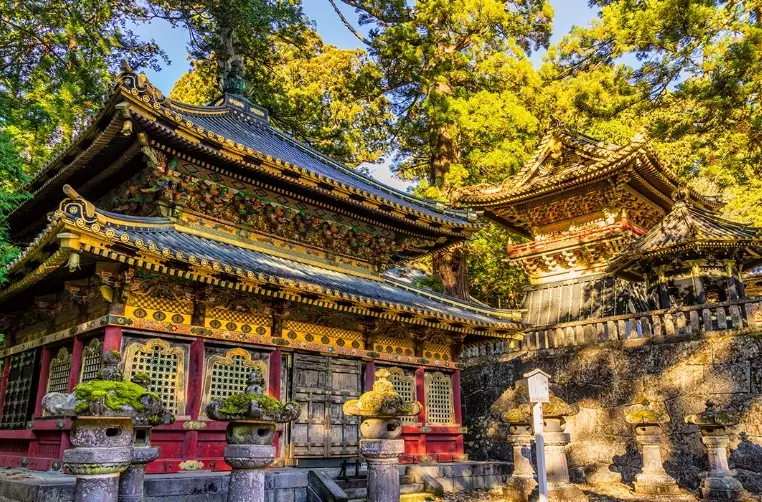
Strawberries: The King of Fruits
Tochigi is the number one strawberry-producing prefecture in Japan, and has been for decades. We're not talking about ordinary strawberries. Japanese varieties like Tochiotome (born in Tochigi), Skyberry, and the rare, white-and-red "Mouikko" are cultivated with insane care. They're larger, sweeter, and more aromatic than anything you've likely tried.
The best way to experience this is through "ichigo-gari" (strawberry picking). For a fixed time and price, you can enter a greenhouse and pick and eat as many perfectly ripe strawberries as you want, often dipped in condensed milk. It's a simple, joyful experience. Farms like Ichigo no Sato near Nikko are popular for this.
You'll find strawberry everything: strawberry daifuku (mochi), strawberry soft serve, strawberry wine, even strawberry curry (an acquired taste, I admit).
Utsunomiya: The Gyoza Kingdom
This is a fun one. The prefectural capital, Utsunomiya, is obsessed with gyoza (Japanese dumplings). They consume more per household than any other city in Japan. We're talking about a serious culinary identity.
The Utsunomiya style typically features a thin, crispy skin and a juicy filling of pork, cabbage, and garlic, with a focus on the perfect sear. The city is dotted with specialized gyoza shops, each with its own slight variation. You can even go on a "gyoza crawl." Is it life-changing? For dumpling enthusiasts, maybe. It's definitely a unique and tasty claim to fame.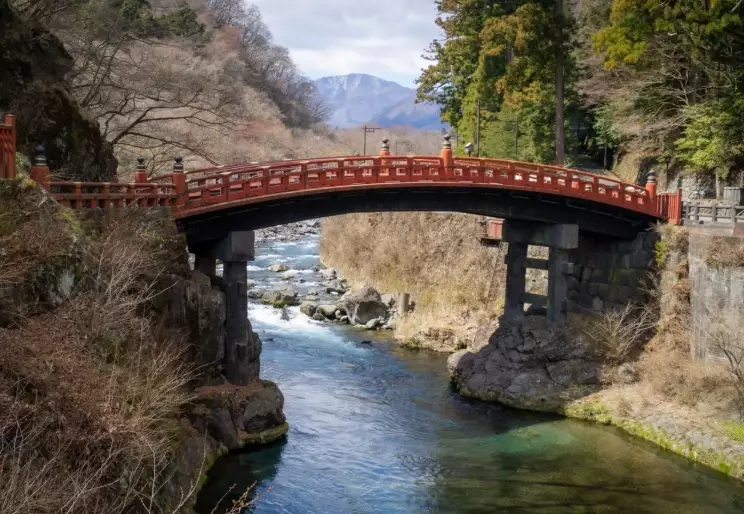
My personal favorite spot is a tiny, standing-only bar tucked away in an alley. Their gyoza are smaller, with an extra-garlicky punch, and they pair it with a local sake. It's not fancy, but it feels like the real deal.
Sake, Yuba, and More
Tochigi's clear water from the mountains makes for excellent sake. Breweries in the northern city of Nasu and elsewhere produce refined, drinkable sakes that are highly regarded. A sake tasting tour is a great way for adults to dive deeper.
Then there's yuba (tofu skin). A specialty of Nikko, it's a delicate, creamy byproduct of tofu-making, served in hot pots, as sashimi, or in various dishes at shojin ryori (Buddhist vegetarian cuisine) restaurants. It's a texture and flavor unique to the area.
| Tochigi Food Speciality | Where to Find It Best | Must-Try Form |
|---|---|---|
| Tochigi Strawberries (Tochiotome) | Strawberry farms around Nasu & Moka | All-you-can-eat picking (Winter-Spring) |
| Utsunomiya Gyoza | Gyoza Street in Utsunomiya Station area | Mixed order (yaki-gyoza & sui-gyoza) |
| Nikko Yuba | Restaurants in Nikko town | Yuba Kaiseki or Yuba Sashimi |
| Tochigi Sake (e.g., Kame no O) | Sake breweries in Nasu, Utsunomiya | Sake tasting set at an izakaya |
| Shimotsukare (local stew) | Local homes & some traditional restaurants | During New Year celebrations |
Natural Wonders and Onsen Escapes
Beyond Nikko, Tochigi's geography gifts it with incredible hot springs and landscapes. This is a huge part of what Tochigi is known for among Japanese travelers seeking relaxation.
Nasu: Volcanic Highlands and Royal Retreats
Nasu is a resort area centered around Mount Nasu, an active volcano. It's known for its highland climate (cool in summer), sprawling ranch parks, art museums, and most importantly, its onsen (hot springs). The Nasu Onsen area has several historic bathhouses with milky, sulfurous waters said to be good for the skin.
It also has a quirky side—like the Nasu Animal Kingdom, which is more interactive than a typical zoo, and the former villa of the Imperial Family, which is now a public park. It's a different vibe from Nikko—more leisurely and resort-like.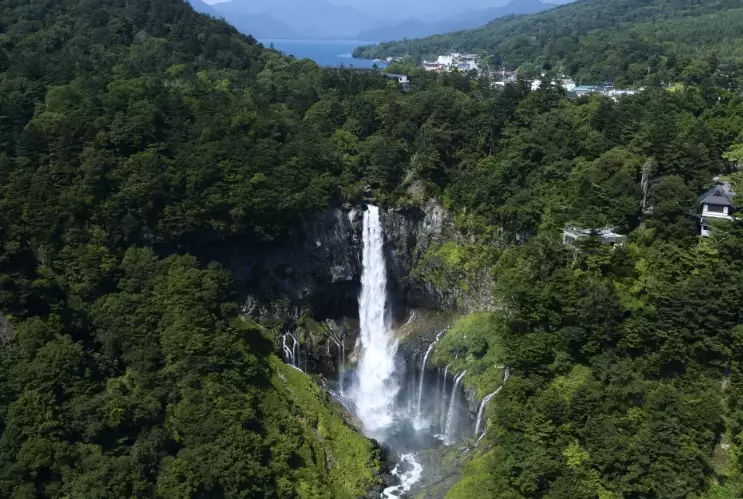
Kinugawa and Kawaji Onsen
These two hot spring towns along the Kinugawa River were massively popular in the Showa era (mid-20th century). You'll see large, sometimes retro, resort hotels built in a distinctive style. While some feel a bit dated, they offer incredible value. You can often get a room with a private river-view bath and a massive kaiseki dinner for a fraction of the price of a famous onsen town like Hakone.
The vibe is nostalgic. It's not chic or minimalist; it's about family trips, group tours, and enjoying the simple pleasure of soaking in therapeutic waters while listening to the river below. I find it charming in its unpretentiousness.
“The moment you sink into an outdoor bath in Kinugawa, with the cool mountain air on your face and the warm water easing your muscles, you understand why this region has been a getaway for Tokyo residents for over a hundred years.”
Seasons and Festivals: The Annual Highlights
What Tochigi is known for changes dramatically with the calendar. Each season paints the prefecture in a new light.
Spring (April-May): Cherry blossoms are lovely, but the real spring stars are the azaleas at Omoigawa Park and, of course, the end of the strawberry season. The Nikko Toshogu Grand Festival in mid-May features a spectacular procession of over a thousand people in samurai armor, recreating the movement of Ieyasu's spirit to the shrine.
Summer (June-August): Nikko and Nasu become cool escapes from Tokyo's humidity. Lake Chuzenji is especially pleasant. Summer festivals light up towns with fireworks and dancing.
Autumn (October-November): This is THE time. The question of what is Tochigi Japan known for gets its most photogenic answer. The foliage in Nikko is legendary. The combination of the ornate shrines and the fiery maple trees is unreal. It's crowded, yes, but for a reason. Irohazaka road becomes a one-way downhill route to manage traffic, which is an experience in itself.
Winter (December-February): Snow transforms Toshogu into a silent, majestic wonderland. The crowds thin out. Kegon Falls partially freezes, creating a stunning ice pillar. It's cold but magical. The Nasu area sometimes gets enough snow for skiing.
Crafts, Culture, and Quirky Finds
Digging deeper into what Tochigi is known for reveals some unique cultural gems.
Tochigi Leather: The city of Tochigi (same name as the prefecture) has a 400-year history of leather craftsmanship, particularly for zōri (traditional sandals) and drum skins. You can find high-quality leather goods here.
Oya Stone: A unique greenish volcanic rock quarried in Utsunomiya. It's been used for centuries in building (parts of the Imperial Hotel in Tokyo) and is soft enough to carve. The Oya History Museum is actually a vast, atmospheric underground quarry you can explore.
Ashikaga Flower Park: While not in Tochigi city (it's in Ashikaga), this park put the prefecture on the map for garden lovers. Its Great Wisteria trellis, with tunnels of purple and white blossoms in late April/early May, is a scene straight from a fairy tale. It's worth planning a trip around.
Planning Your Visit: Practical Tochigi Travel Tips
So you're convinced. Here’s how to tackle a trip to experience what Tochigi is known for.
Getting There and Around
From Tokyo, it's easy. The Tohoku Shinkansen gets you to Utsunomiya or Nasu-Shiobara in under an hour. For Nikko, the Tobu Railway from Asakusa is the classic route (about 2 hours on the limited express). The Tobu Railway website is your best friend for passes like the Nikko Pass, which covers trains and local buses—a money-saver.
Once there, buses are essential for reaching Lake Chuzenji, Kegon Falls, and Oku-Nikko. They can get packed. Renting a car gives you ultimate freedom to explore strawberry farms, smaller onsen towns, and the countryside, but parking in central Nikko can be a headache.
Transport Truth: Public transport in Nikko is good for the main sights, but infrequent for deeper exploration. If you want to visit places like the stunning Ryuzu Waterfall or Senjogahara marshland hiking trails at your own pace, a car is worth considering. Just book your rental early during peak foliage season.
Sample Itineraries: How Many Days?
The Nikko Blitz (1-2 Days): Focus solely on Nikko. Day 1: Toshogu, Futarasan, Rinnoji. Day 2: Travel up to Lake Chuzenji, Kegon Falls, and maybe a short hike. This is the classic intro.
The Tochigi Sampler (3-4 Days): This lets you answer "what is Tochigi Japan known for" more fully. Day 1-2: Nikko. Day 3: Travel to Utsunomiya for a gyoza lunch, visit Oya History Museum, then head to a Kinugawa onsen hotel to soak. Day 4: Visit a strawberry farm (in season) or explore Nasu highlands before heading back to Tokyo.
The Deep Dive (5+ Days): Add a night in a Nasu onsen, visit Ashikaga Flower Park in season, explore the pottery town of Mashiko (just over the border in Ibaraki, but often combined), and really take time to hike in Oku-Nikko.
Common Questions About Tochigi (FAQs)
Let's tackle some of the specific things people search for when they're asking what is Tochigi Japan known for.
One last thing I often get asked: How does it compare to Hakone? Both are popular getaways from Tokyo with hot springs and nature. Hakone has the views of Mt. Fuji and a more polished, internationally-known resort feel. Nikko/Tochigi has deeper, more extravagant history (Toshogu vs. Hakone's simpler shrines) and feels more "wild" in its natural offerings. Hakone's circuit is more integrated with different transport (train, cable car, boat). Tochigi feels more spread out. I love both, but for sheer historical impact, Tochigi wins.
So, what is Tochigi Japan known for? It's not just one thing. It's the overwhelming sensory experience of gold-leafed shrines hidden in ancient forests. It's the sweet burst of a perfect strawberry on a cool spring morning. It's the deep relaxation of a riverside hot spring after a day of hiking. It's a prefecture that rewards those who look beyond the obvious Tokyo-Kyoto trail, offering a richer, more layered understanding of Japan's culture, seasons, and flavors. It’s a place you visit, and then find yourself wanting to return to, season after season, to see it in a new light.
Hopefully, this gives you a real, practical sense of what to expect. It's a fantastic part of Japan that deserves every bit of its quiet fame. Now go book that trip—and save some gyoza for me.

Comments