Your Quick Guide to Safe Swimming in Japan
Let's cut right to the chase. You're planning a trip to Japan, you've seen those stunning pictures of Okinawa's turquoise water or the dramatic coastlines near Kamakura, and the question pops into your head: is it safe to swim in Japanese beaches? It's a smart question to ask. The short, honest answer is this: for the most part, yes, it is remarkably safe, but with a handful of very specific, very real "buts" that you absolutely need to know about. Ignoring them is where people get into trouble.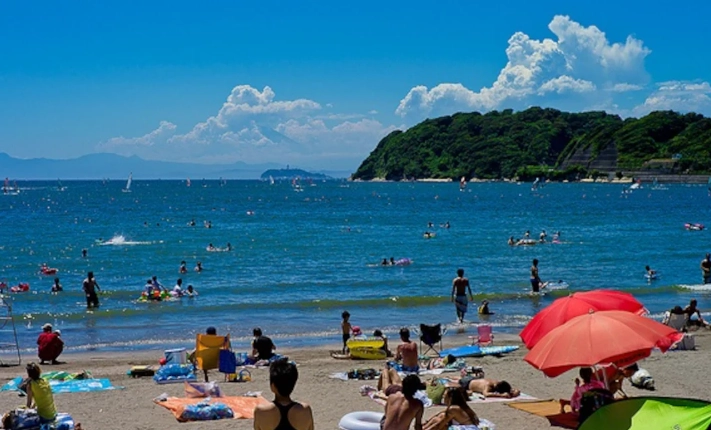
I've swum at dozens of beaches across Japan, from Hokkaido down to the remote islands of Okinawa. I've had blissful, perfect days where the water was like glass. I've also had days where I decided to stay firmly on the sand after reading the warning flags. The difference between those experiences was knowledge.
This isn't a fluffy promotional piece. We're going to dig into what actually makes a beach safe or risky in Japan. We'll talk about the invisible killers (rip currents), the painful nuisances (jellyfish), the bureaucratic stuff (water quality ratings), and the simple common sense that applies anywhere in the world. My goal is to give you the full picture, so you can make your own informed decision and have an amazing, safe time.
The Big Picture: How Safe Are Japan's Beaches Really?
Japan takes public safety seriously, and this extends to its coastline. The country has a well-developed system for managing its popular swimming beaches, especially during the official swimming season (typically late July to late August, longer in the south).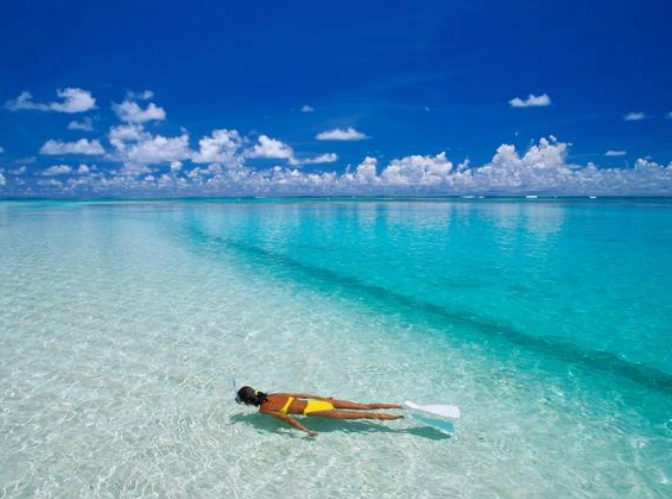
On the plus side: Many managed beaches have lifeguards (hogan'in), clear flag systems, clean facilities, and regularly monitored water quality. The general cleanliness and order you experience in Japanese cities often translates to the beach environment.
But here's the thing. Japan is a long archipelago with incredibly diverse geography and weather. The safety of a beach in Okinawa in August is a completely different conversation from a beach on the Sea of Japan coast in June. The risks aren't uniform.
So, asking "is it safe to swim in Japanese beaches?" is like asking if it's safe to drive in America. On a clear, dry day on a well-maintained highway with you following the rules? Very safe. In a blizzard on a mountain pass with bald tires? Not so much. Context is everything.
The Real Hazards: What You Actually Need to Worry About
Forget sharks. Statistically, they're a non-issue in Japan for swimmers. The real concerns are more mundane but far more likely to affect you. Let's rank them.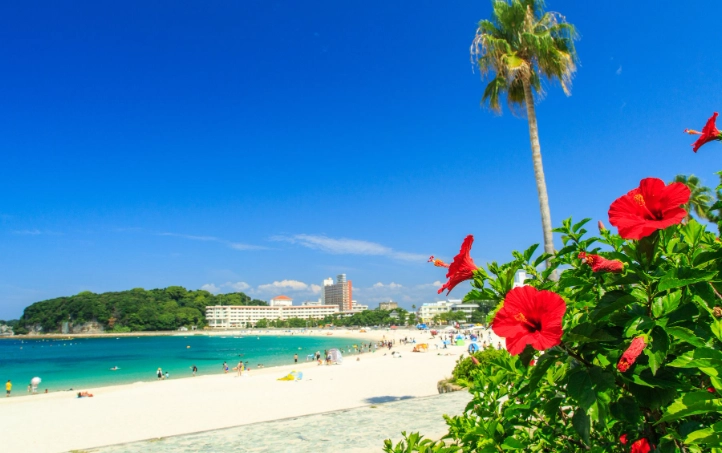
#1 The Silent Killer: Rip Currents (Rip Tides)
This is, without a doubt, the number one objective danger at any ocean beach in the world, and Japan is no exception. A rip current is a powerful, narrow channel of fast-moving water flowing away from the shore. It can pull even the strongest swimmer out to sea in seconds. Panic leads to exhaustion, and that's how tragedies happen.
I remember standing on the beautiful, wide sands of Zushi Beach near Tokyo. The waves looked strong but normal. Then I saw the red flag flying and the sign with detailed Japanese and pictograms explaining rip currents (yokodzuri or 離岸流). It was a sobering reminder.
What to do: Never, ever fight a rip current by swimming directly back to shore. You'll lose. Swim parallel to the shoreline until you feel the pull stop, then swim in. Always look for and obey the flag system.
#2 The Stinging Menace: Jellyfish (Kurage)
This is the most common negative experience for swimmers in Japan, particularly in southern regions and during specific times of the year. We're not talking about the tiny, harmless ones. Some species, like the habu-kurage (Box Jellyfish) found in Okinawan waters from about July to September, can deliver extremely painful and potentially dangerous stings.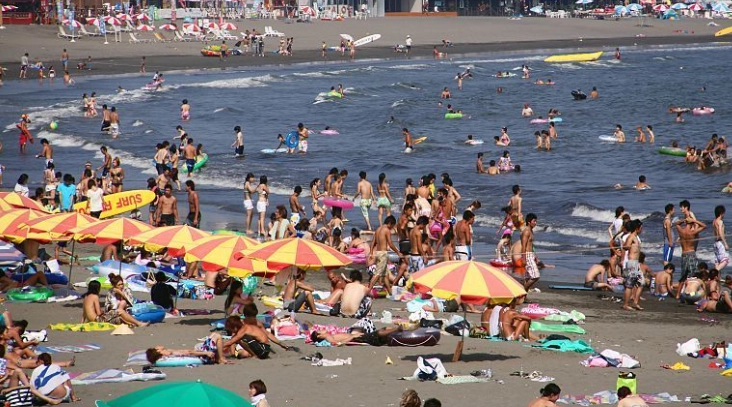
Other common ones are the moon jellyfish (mostly harmless but creepy) and the Portuguese man o' war (which isn't a true jellyfish but acts like one). Local news and beach signs will often post warnings when jellyfish blooms are occurring.
Personal gripe? The information on jellyfish can be sporadic. One beach will have clear warning posters; another nearby might not mention it. You have to be proactive.
#3 Water Quality and Pollution
This is a major concern for many travelers. Is the water clean? The good news is that Japan has a rigorous national system for monitoring bathing water quality. The Ministry of the Environment (環境省) sets standards and local governments conduct regular tests during the season.
Beaches are graded. A top-rated "AA" beach means excellent water quality that consistently meets standards. An "A" is good. Anything below that, and you might want to think twice. You can often find these ratings posted at the beach or on the local municipality's website.
The main pollution risks aren't usually industrial. They're often related to heavy rainfall, which can cause sewage overflow (in older systems) or wash animal waste and debris from land into the sea. After a big typhoon or heavy rain, it's wise to avoid swimming for a day or two.
For the most current and official data, you can check the Japanese Ministry of the Environment's bathing water quality page. It's a bit technical, but it's the source.
#4 Weather and Sudden Changes
The weather in coastal Japan can shift rapidly. Typhoons (late summer/autumn) are the big, obvious threat, but even a standard summer afternoon can bring sudden squalls, strong winds, and crashing waves. Lightning is also a real danger. Lifeguards will clear the water if a storm approaches.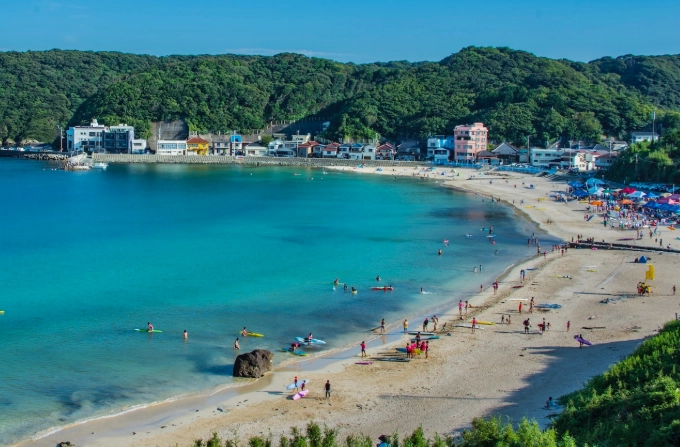
#5 The "Unofficial" Beach Problem
This is a critical distinction. A managed, official swimming beach (yokujo or 海水浴場) during the official season is your safest bet. It has lifeguards, flags, toilets, and maybe even shark nets.
Then there's the countless miles of beautiful, wild coastline that is not an official swimming beach. No lifeguards, no flags, no safety infrastructure. Swimming here is at your own risk, and the risks are significantly higher. The allure is understandable—no crowds, pristine nature—but you need to be an experienced, cautious ocean swimmer to even consider it.
Your Practical Safety Checklist: How to Swim Safely in Japan
Okay, enough about the problems. Let's talk solutions. Here is your actionable, step-by-step guide to ensuring your swim is as safe as possible.
Before You Go:
- Choose the right beach. Opt for an official yokujo during the swimming season. Research its water quality grade (AA or A is ideal).
- Check the flags. Learn the system: Red = No Swimming. Yellow = Caution (often for currents or jellyfish). Green = Safe. Sometimes you'll see a checkered red/yellow flag indicating a designated swimming area between flags.
- Listen to the lifeguards. (Hogan'in). If they blow a whistle or make an announcement, pay attention.
- Check for jellyfish warnings. Look for signs or ask a lifeguard. In high-risk areas like Okinawa, consider wearing a "rash guard" or lycra suit for protection.
Once you're there, the real work starts.
- Never swim alone. This is rule number one for any ocean swimming.
- Watch the water for 10 minutes. Before you even get your feet wet, observe the wave patterns. Can you see channels of choppy, discolored water moving away from shore? That's likely a rip. Pick a different spot.
- Don't overestimate your ability. Ocean swimming is different from pool swimming. Fatigue sets in faster.
- Keep children within arm's reach. Waves can knock little ones over in an instant.
- Stay hydrated and use sunscreen. Sunstroke and burns can ruin your trip faster than a jellyfish sting.
What if something goes wrong? For a jellyfish sting, the standard first aid in Japan is to rinse with seawater (NOT fresh water, which can trigger more stinging), carefully remove any tentacles with tweezers or a card, and then apply vinegar if available (it helps with some species). For severe pain or breathing difficulties, seek medical help immediately.
If caught in a rip current, remember: Don't panic. Don't fight it. Swim parallel.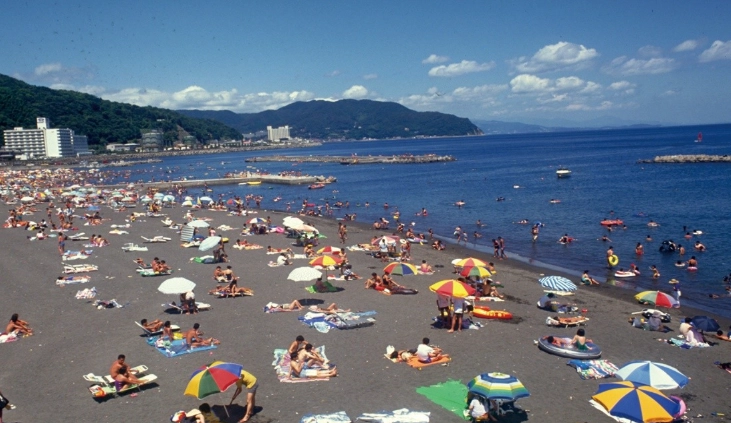
Regional Breakdown: Safety Varies Wildly
You can't talk about safety without looking at the map. Let's break it down by area.
| Region | Swimming Season | Primary Hazards | Safety Notes |
|---|---|---|---|
| Okinawa & Southern Islands | Late April - October | Strong sun, Box Jellyfish (Jul-Sep), occasional typhoons, strong currents on east coasts. | Stunningly beautiful but take jellyfish warnings extremely seriously. Many beaches have vinegar stations. Water is warm but dehydrating. |
| Pacific Coast (Shonan, Izu, Shikoku, etc.) | July - August (short!) | Rip currents, large waves, crowded waters, cooler water temps. | The classic Japanese summer beach experience. Flags and lifeguards are crucial. Water can be surprisingly cold outside peak summer. |
| Sea of Japan Coast | July - August | Strong undertows, colder water, fewer managed beaches. | Less developed for swimming than the Pacific side. Beautiful but often wilder. Choose official beaches carefully. |
| Seto Inland Sea | June - September | Generally calmer waters, water quality can vary near ports. | Often considered safer for families due to sheltered, calmer conditions. Still check water quality ratings. |
See what I mean? Asking "is it safe to swim in Japanese beaches?" needs this regional lens. A calm, shallow beach in the Seto Inland Sea is a world apart from the powerful surf of the Pacific coast.
Answering Your Burning Questions (FAQ)
Are there sharks in Japanese beaches?
Yes, there are sharks in the ocean around Japan. However, unprovoked shark attacks on swimmers are extremely rare. You are far, far more likely to be injured in a car accident on the way to the beach than by a shark. Some managed beaches even use nets to create safer swimming enclosures. It's a fear that makes for good movies but poor risk assessment.
Is the water warm enough to swim?
In Okinawa, it's bath-like from June onward. On the main islands (Honshu, Shikoku, Kyushu), the water is only comfortably warm during the peak summer months of July and August. Even in late June, the Pacific can be bracingly cold. If you're not used to cooler water, a wetsuit top can make the experience much more enjoyable outside of high summer.
Can you swim at Japanese beaches outside of summer?
Officially, no. Lifeguard services end, facilities close, and swimming is prohibited at managed beaches. People do swim at their own risk at wild beaches, but this is when hazards like cold water shock, stronger currents, and no emergency services make it most dangerous. I don't recommend it.
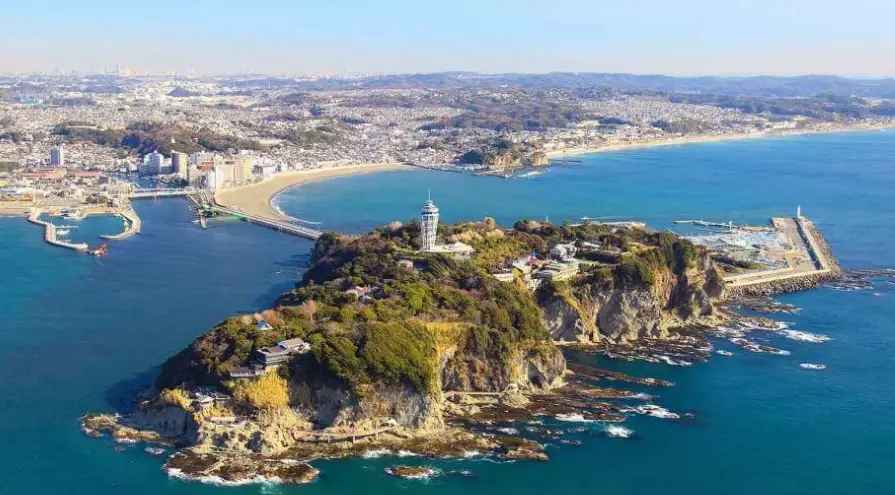
What about beaches near Tokyo, like Kamakura or Zushi?
They are popular for a reason and are generally safe during the official season with lifeguards present. But they are the poster children for rip current risks on the Pacific side. They get incredibly crowded, which itself can be a hazard. Go on a weekday if you can, and be hyper-aware of the flags. The water quality is usually good (AA/A ratings), but always check after rain.
Is it safe for children?
On a managed beach with calm conditions (like many in the Seto Inland Sea or specific family-friendly bays in Okinawa), it can be perfectly safe and wonderful. Constant, direct supervision is non-negotiable. Look for beaches with very gentle slopes and small waves. The Japan National Tourism Organization's safety guide has general tips that apply to beach outings too.
The key is choosing the right environment for their skill level.
What should I do if I see a warning sign in Japanese I don't understand?
If you see a sign with lots of text and red characters, the safe assumption is that it's a warning not to swim. Look for universal pictograms: a swimmer with a red cross over it, a wave, a jellyfish. When in doubt, find a lifeguard or simply choose a different beach. It's not worth the risk.
The Bottom Line: So, Is It Safe?
Let's circle back to the core question one last time: is it safe to swim in Japanese beaches?
If you do it right, the answer is a resounding yes. Japan offers some of the most beautiful and accessible coastal swimming in the world. The safety systems in place at official beaches are robust.
But "doing it right" means being an informed participant, not a passive tourist. It means respecting the ocean's power, heeding local warnings, and understanding that safety isn't a guarantee—it's a partnership between the services provided and your own good judgement.
Your safety checklist is simple: Official beach + Swimming season + Green flag + Lifeguard present + No rain advisories + Jellyfish check = Go for it. Miss one or more of those elements, and you need to pause and seriously reconsider.
I've had some of my best travel memories in the water here. The key was never assuming it was completely safe, but knowing how to make it safe. Do your homework, keep your eyes open, and you'll be rewarded with an incredible experience. The ocean doesn't care if you're on vacation. But with a little preparation, you can enjoy it with confidence.
Now go find that perfect stretch of sand.



Comments