The short answer is yes, Japan remains one of the safest countries in the world to visit, even with its seismic activity. But that "yes" comes with crucial context most generic travel blogs skip. The real question isn't just about safety from earthquakes, but safety because of how Japan handles them. Having traveled across the country multiple times, including periods following smaller tremors, I've seen firsthand how preparedness is woven into the fabric of daily life. Your safety hinges less on luck and more on your own awareness and the robust systems already in place. Let's cut through the fear and look at the practical reality for travelers.
Your Quick Travel Safety Guide
How Safe is Japan's Infrastructure After an Earthquake?
Japan doesn't just rebuild after quakes; it re-engineers. The building codes here are arguably the strictest globally. After the devastating 1995 Kobe earthquake, regulations were overhauled. Modern skyscrapers in Tokyo and Osaka are built with base isolation systems and damping technologies that allow them to sway, not break. Shinkansen (bullet train) lines have seismic sensors that trigger emergency brakes at the first sign of tremors.
Here’s a comparison of how different travel infrastructure holds up, based on official data from the Japan Tourism Agency and my own observations: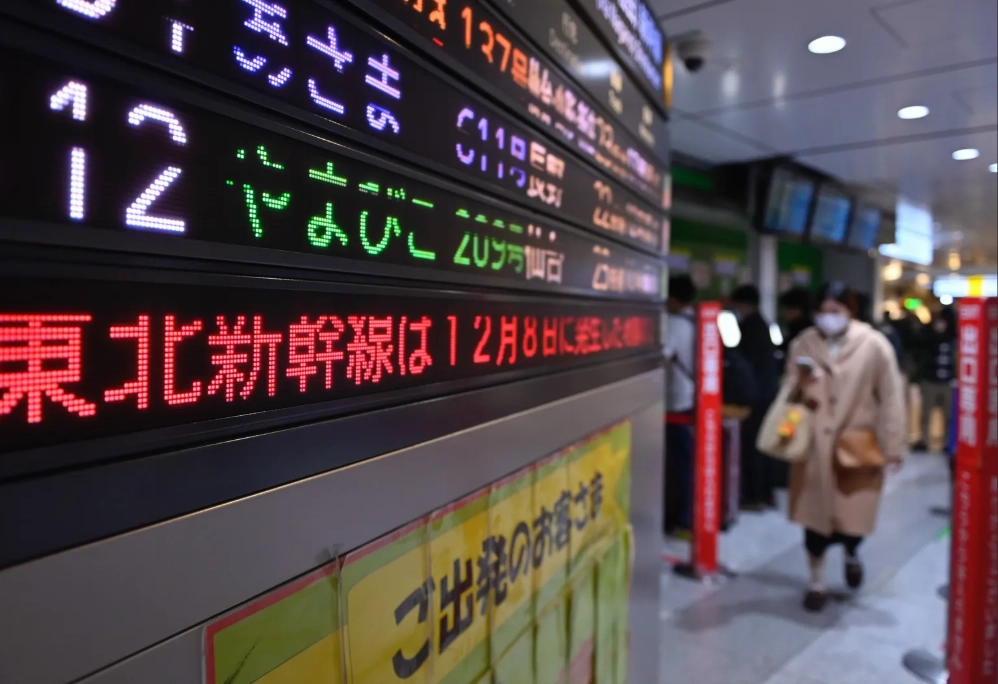
| Infrastructure | Safety & Resilience Features | Traveler Impact |
|---|---|---|
| Buildings (Hotels, Malls) | Rigorous anti-seismic design, mandatory regular inspections. Older wooden structures in rural areas are more vulnerable. | You are extremely safe inside modern structures. Look for hotels built or renovated after 1981. |
| Public Transport (Trains, Subways) | Automatic earthquake detection triggering immediate stops. Extensive emergency protocols for passenger evacuation. | Major delays are likely immediately after a significant quake. Service resumes only after safety checks. |
| Roads & Bridges | Continuous monitoring and retrofitting. Priority given to lifeline routes for emergency vehicles. | Local road damage possible in epicenter area. Major highways are resilient and repaired quickly. |
| Utilities (Water, Power) | Decentralized grids and backup systems. Gas lines have automatic shut-off valves. | Temporary outages possible. Always have a power bank and some bottled water in your room. |
One thing most tourists miss: The biggest post-quake inconvenience isn't collapsed buildings—it's transportation shutdowns. A moderate quake in Tokyo can halt all trains for hours while they're inspected. This is a safety feature, not a flaw. Always have a "Plan B" for getting back to your hotel, like knowing the location of a major taxi stand or being prepared to wait it out comfortably in a cafe.
Real-Time Safety: Alerts, Apps, and What to Do During a Quake
Japan's early warning system is your best friend. The Earthquake Early Warning (EEW) is broadcast on TV, radio, and directly to smartphones. You'll get a loud alarm and a message (in Japanese and often English) seconds to tens of seconds before strong shaking arrives. Don't panic. Those seconds are for you to act.
Essential Apps for Your Phone
Download these before you land. They're more reliable than hoping your foreign mobile plan will push local alerts quickly.
Yurekuru Call (Free): The gold standard. Provides early warnings in English, with estimated intensity and epicenter. It’s clunky-looking but it works.
Safety Tips (Official Japan Tourism Agency App): Offers emergency info, including disaster alerts and a list of nearby shelters.
NHK World TV: For reliable, calm news in English if a major event occurs.
The Drill: What to Do When the Alarm Sounds
If you are indoors (Hotel, Restaurant, Store):
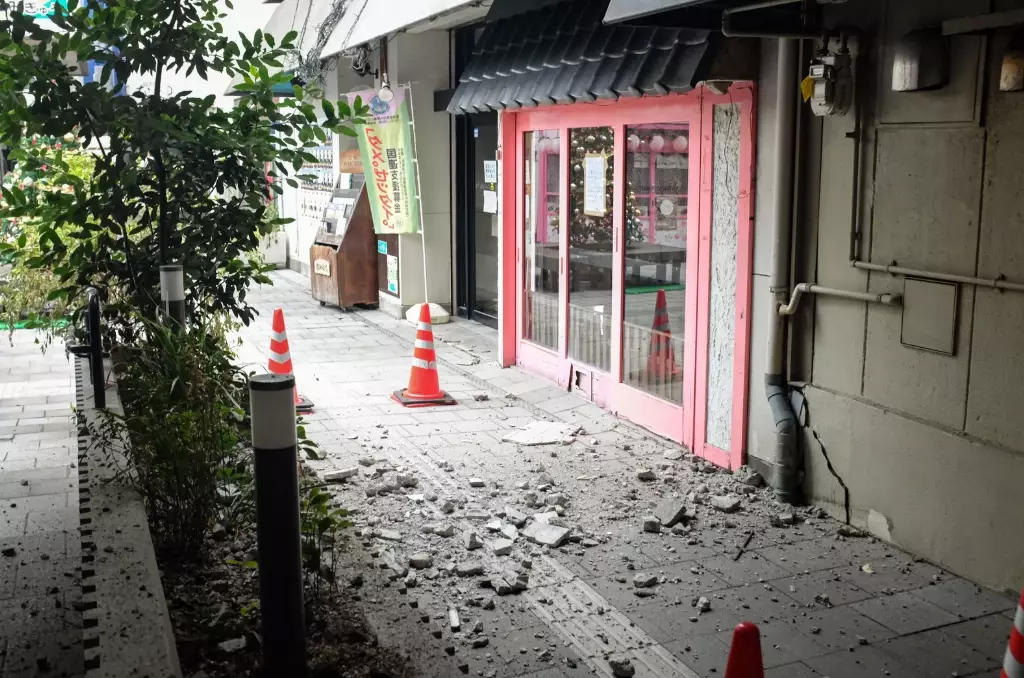
**Drop, Cover, and Hold On.** Get under a sturdy table. Protect your head. Stay away from windows. Do not run outside. Falling glass and debris are the main hazards.
If you are in a train or subway:
Hold onto a strap or handrail. The train will likely brake automatically. Listen for announcements from the conductor.
If you are outdoors:
Move to an open space away from buildings, walls, and power lines. Use your bag to protect your head.
I was in a Tokyo department store during a small tremor. The calm was striking—staff immediately guided people under display tables. It was a practiced, routine response.
Planning Your Trip: Itinerary Advice and Regional Considerations
Seismic risk varies. Tohoku (northeast) and the Pacific coast have higher historical activity. That doesn't mean you shouldn't visit beautiful places like Sendai or Matsushima—their reconstruction and preparedness are now state-of-the-art. But it does inform planning.
Avoid the "Golden Route" Tunnel Vision. Everyone flocks to Tokyo-Kyoto-Osaka. Consider spreading your risk and supporting recovery regions. Here’s a 7-day sample itinerary focusing on resilient, beautiful, and slightly less conventional destinations:
Day 1-2: Kanazawa. A cultural gem on the Sea of Japan coast, less prone to major Pacific quakes. Visit Kenrokuen Garden, the 21st Century Museum, and the samurai districts. Stay at the Hotel Nikko Kanazawa (modern high-rise with great views) or a traditional machiya guesthouse. Train from Tokyo via the Hokuriku Shinkansen (about 2.5 hours).
Day 3-4: Takayama & Shirakawa-go. In the Japanese Alps. Explore the old town, visit the Hida Folk Village, and take a bus to the UNESCO thatched-roof villages of Shirakawa-go. Stay at a ryokan like Honjin Hiranoya Bekkan. Note: Older wooden buildings here are more vulnerable, but the seismic risk in the mountains is different from the coast.
Day 5-7: Hiroshima & Miyajima. A powerful lesson in resilience. Visit the Peace Memorial Park and Museum. Take a short train and ferry to Miyajima Island (Itsukushima Shrine). Stay at the Sheraton Grand Hiroshima Hotel (directly connected to the station). The Seto Inland Sea area is seismically quieter than the Pacific side.
This route uses the robust JR rail network, stays in modern or well-maintained accommodations, and avoids the highest-density tourist corridors.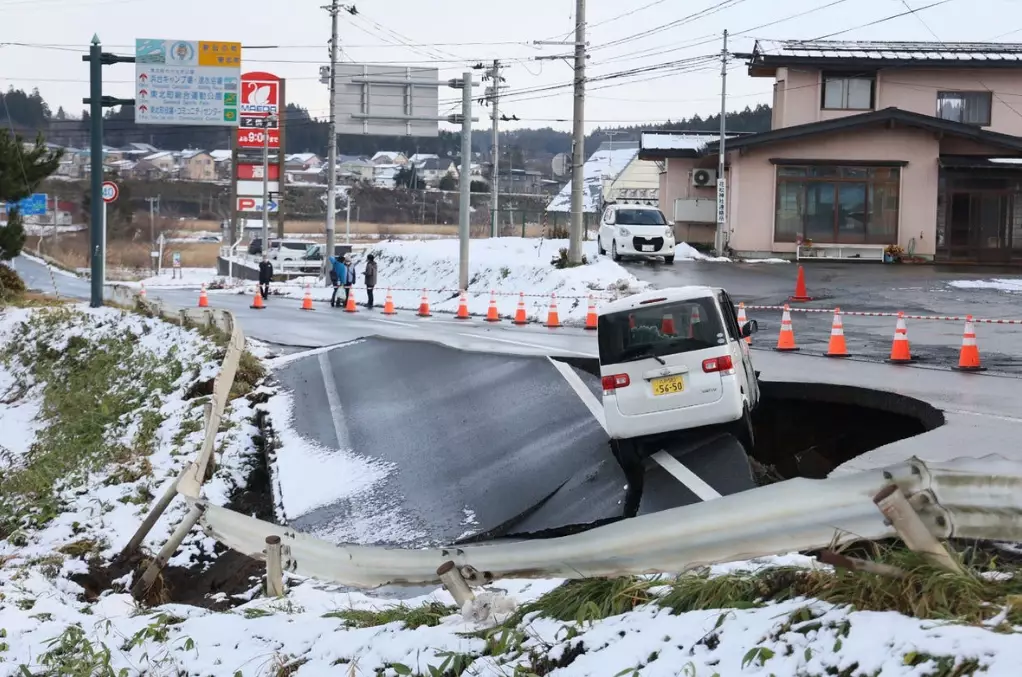
Your Pre-Departure and On-Ground Safety Checklist
Before You Go:
**1. Buy comprehensive travel insurance.** Ensure it explicitly covers "natural disasters" and trip interruption/cancellation. Read the fine print.
**2. Register with your embassy's smart traveler program.** (e.g., STEP for U.S. citizens).
**3. Download the essential apps** mentioned above.
**4. Share your detailed itinerary** with a contact back home.
**5. Pack a mini emergency kit:** Power bank, small flashlight, a dust mask (useful for dust/debris), and a list of emergency phrases in Japanese.
When You Arrive:
**1. Locate emergency exits** and stairs in your hotel (don't rely on elevators).
**2. Identify the nearest open space** (park, wide street) from your hotel and major sights.
**3. Note the location of your embassy/consulate** in Tokyo or Osaka.
**4. Keep your phone charged** and carry a physical map or hotel business card.
**5. When checking in, ask staff about the hotel's emergency procedure.** A good hotel will have a guide in the room or be happy to explain.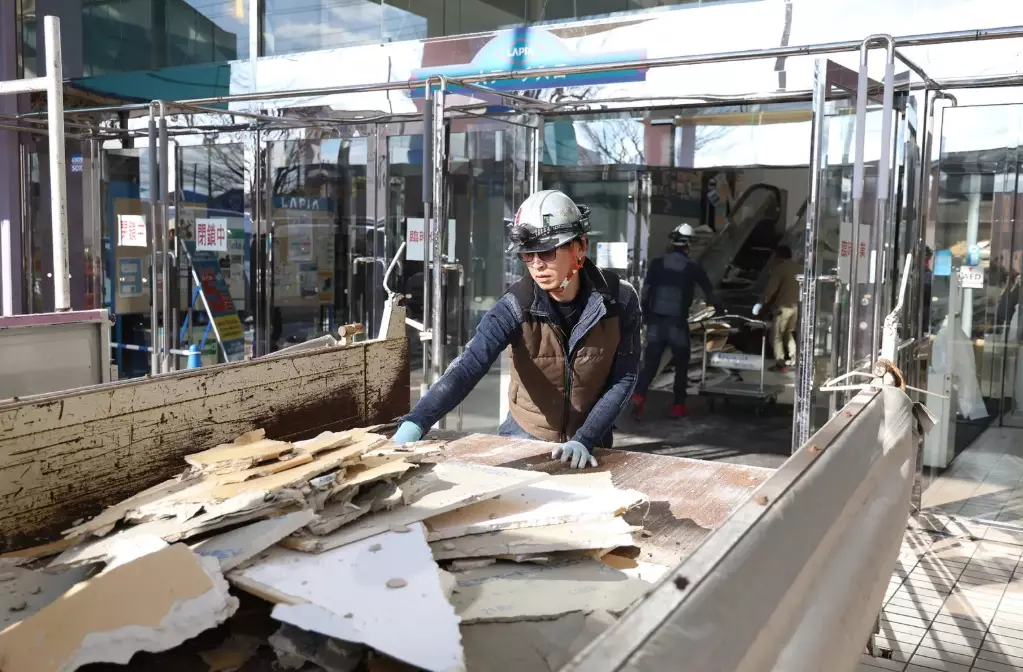
Your Top Safety Questions Answered (FAQ)
 How do I find a tsunami evacuation route if I'm staying at a coastal onsen town?
The bottom line is perspective. Japan's approach to seismic risk is proactive, not reactive. Your safety is supported by world-class engineering, drilled public awareness, and real-time technology. The goal isn't to eliminate risk—that's impossible anywhere—but to manage it to an exceptionally high standard. By incorporating the practical steps above, you're not just hoping for safety; you're actively partnering with one of the most prepared societies on Earth to ensure it. That confidence is what lets you relax and truly enjoy the incredible experience of traveling in Japan.
Comments