Let's cut to the chase. A realistic trip to Japan costs between $1,500 and $5,000+ per person for a two-week trip, excluding flights. The final number depends entirely on you. I've been traveling to Japan for over a decade, from shoestring student trips to more comfortable visits, and the biggest mistake I see is people using outdated cost estimates or failing to budget for Japan's unique spending traps.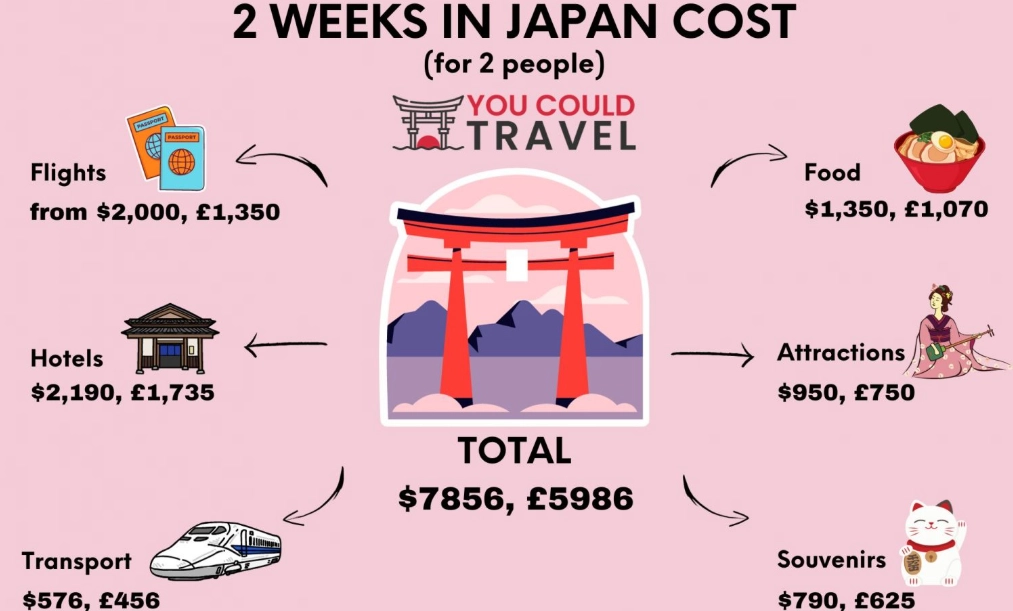
The good news? With smart planning, Japan doesn't have to break the bank. This guide won't just throw a single number at you. We'll dissect every cost, from the unavoidable (like transport) to the easily overlooked (like shrine entrance fees), and show you how to build a budget that matches your travel style.
Your Budget Roadmap
Budget Scenarios: From Shoestring to Splurge
To make this tangible, let's look at three realistic two-week itineraries. These are based on current 2024 prices and assume travel between major cities like Tokyo, Kyoto, and Osaka.
| Budget Category | Economy Traveler (per person) | Comfort Traveler (per person) | Luxury Traveler (per person) |
|---|---|---|---|
| Daily Accommodation | $40 - $70 (Hostels, Capsules, Business Hotels) | $100 - $200 (3-4* Hotels, Ryokan) | $300+ (5* Hotels, Luxury Ryokan) |
| Daily Food & Drink | $25 - $40 (Convenience Stores, Fast Food, Stand-up Soba) | $50 - $100 (Casual Restaurants, Izakaya, Cafe Stops) | $150+ (Fine Dining, Renowned Sushi/Kaiseki) |
| Intercity Transport (e.g., Tokyo-Kyoto) | $130 (One-way Shinkansen, or Night Bus ~$50) | $260 (Round-trip Shinkansen) | $260+ (Round-trip Shinkansen + Green Car) |
| Local Transport & Attractions | $10 - $15 per day | $20 - $30 per day | $40+ per day |
| Souvenirs & Misc. | $100 - $200 total | $300 - $500 total | $1000+ total |
| TOTAL (14 days, ex. flights) | $1,500 - $2,500 | $3,000 - $4,500 | $6,500+ |
See the range? The economy budget is tight but doable, focusing on essentials. The comfort budget allows for a fantastic, well-rounded experience—this is the sweet spot for most travelers. Luxury is, well, limitless.
Flight Costs: Timing is Everything
Flights are your biggest wildcard. From North America or Europe, expect to pay between $800 and $1,800 for a round-trip economy ticket to Tokyo (NRT/HND).
The secret isn't a magic website—it's flexibility. Shoulder seasons (March-April, October-November) often offer better prices than peak cherry blossom or autumn foliage periods. I once saved $400 by flying into Osaka (KIX) instead of Tokyo and starting my trip in Kyoto. Use flight search engines' "flexible date" view religiously. Setting price alerts 4-6 months out is your best bet.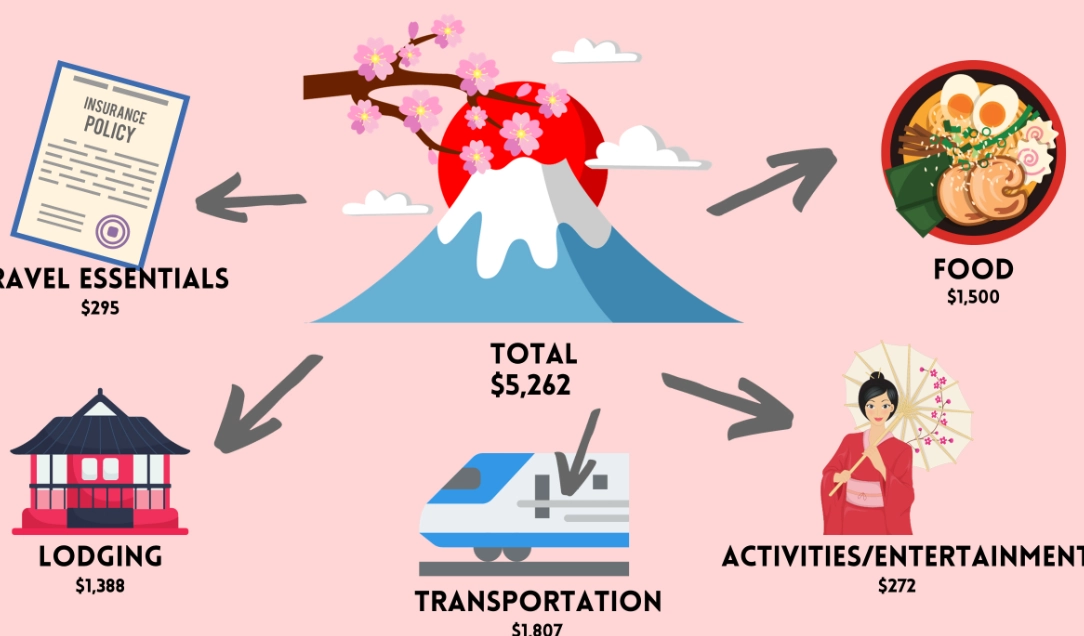
Accommodation: Where Your Money Sleeps
Japan's accommodation is a spectrum of efficiency. Space is a premium, so don't expect huge rooms unless you pay for them.
Capsule Hotels & Hostels: ($25-$50/night) Great for solo travelers on a tight budget. Capsule hotels are an experience—just pack light, as your large luggage might live in a separate locker. Many hostels now offer private pods.
Business Hotels: ($60-$120/night) My default choice for value. Think APA, Dormy Inn, Toyoko Inn. Rooms are compact but impeccably clean, with private bathrooms and often include breakfast. Location near a major train station is key.
Ryokan (Traditional Inns): ($150-$500+ per person, with meals) This is a cultural experience and a major cost. The price usually includes exquisite kaiseki dinner and breakfast. For a first-timer, I recommend one night in a ryokan in Hakone or Kyoto as a splurge, not your entire stay.
Book early, especially for popular cities and seasons. Platforms like Booking.com are reliable, but for ryokans, direct booking or a specialized site like Japanican can be better.
Navigating the Transportation Maze (and Budget)
This is where budgets go off the rails, literally. Japan's transport is fantastic but can be expensive.
Is the JR Pass Worth It?
The Japan Rail Pass price increased significantly in late 2023. Now, it's only a clear financial win if you're doing a whirlwind multi-city trip within 7-14 days. Example: A 7-day ordinary Pass is about $335. A round-trip Shinkansen ticket from Tokyo to Kyoto is roughly $260. So you'd need additional long-distance travel within that week to make it pay off.
Calculate meticulously. Use the official JR Pass calculator or a tool like Japan Guide's Fare Calculator. For regional travel, consider regional passes like the JR Kansai Area Pass.
Essential Local Tools
- Suica / Pasmo / ICOCA Cards: Reloadable tap-and-go cards for trains, buses, convenience stores, and vending machines. They save you from buying individual tickets and are non-negotiable for convenience.
- Local Day Passes: Cities offer them. The Tokyo Metro 24-hour Ticket (600 yen) is gold if you plan multiple subway trips in a day.
- Highway Buses: Willing to trade time for money? Overnight buses (e.g., Willer Express) between Tokyo and Kyoto/Osaka can cost as little as $50 one-way, saving you a night's accommodation.
My Personal Rule: I never take a taxi from an airport to a city center. The Narita Express train or even the friendly Limousine Bus is a fraction of the cost. Save taxis for rare situations when you're lost, exhausted, or with a group late at night.
Food & Drink: From Conveyor Belts to Kaiseki
You can eat incredibly well in Japan at any budget. The quality baseline is so high.
Budget Champions ($5-$15 per meal):
Convenience stores (7-Eleven, FamilyMart, Lawson) are lifesavers. Their ready meals, onigiri, and sandwiches are fresh, delicious, and cheap. Stand-up soba/udon shops, gyudon chains like Sukiya, and ramen stalls are your best friends. A fulfilling bowl of ramen costs $8-$12.
Mid-Range Feasting ($15-$40 per meal):
This is where you enjoy Japan. Casual izakaya (pub) dinners with drinks, tonkatsu restaurants, kaiten-zushi (conveyor belt sushi), and local tempura shops. Lunch is your secret weapon—many high-quality restaurants offer spectacularly priced set lunches (teishoku) that are 30-50% cheaper than dinner.
High-End Experiences ($80+ per meal):
Sushi omakase, kaiseki ryori, or Kobe beef teppanyaki. Reservations are often essential. This is a major splurge item. For most people, one or two such meals are a memorable highlight rather than the daily norm.
Drinks: Water is free and safe from taps. Vending machine drinks are $1-$2. Beer in an izakaya is $5-$7. Coffee shop culture is big, with a latte costing $4-$5.
Activities, Souvenirs & The Extras
These "small" costs add up fast.
Temples & Castles: Entrance fees range from $3 to $10. Visiting ten sites adds $30-$100 to your budget.
Museums: Major museums like the Tokyo National Museum or teamLab Planets cost $10-$25.
Shopping: Set a limit. Don Quijote discount stores are dangerous for your wallet! Unique souvenirs like knives, ceramics, or high-quality snacks can be pricey. Factor in $100-$300 minimum if you plan to bring gifts home.
WiFi/SIM Card: Essential. A pocket WiFi rental is $50-$80 for two weeks. A local data SIM is similar. Don't rely on spotty free WiFi.
Pro Tips to Stretch Your Yen Further
Here's the advice you won't find in every generic list.
Cash is still king in many places, especially outside major cities and at smaller restaurants/shops. Withdraw larger amounts from 7-Eleven ATMs (they accept foreign cards) to minimize fees.
If you see a line at a restaurant with no English menu, join it. That's often a sign of fantastic local food at a great price.
Consider a credit card with no foreign transaction fees. Using your home bank's debit card at an ATM usually gives a better exchange rate than currency exchange counters.
My biggest hack? Stay longer in fewer places. The cost of hopping between cities every two days (Shinkansen tickets, time lost) is huge. Pick a base like Tokyo and do day trips (Kamakura, Nikko), or split your time between just Tokyo and Kansai (Kyoto/Osaka). Depth over breadth saves money and sanity.
Your Japan Budget Questions Answered
 Can I realistically do Japan on $100 a day?
So, what's the final number? For a first-time traveler wanting a comfortable, immersive two-week trip with a mix of culture, food, and city energy, I'd plan for a base of $3,000 to $4,000 per person, excluding international flights. This allows you to stay in decent hotels, take the Shinkansen, enjoy great food daily, enter attractions freely, and bring home souvenirs without constant stress.
Start saving, start planning, and get ready for an amazing trip. Japan is worth every yen.


Comments