Let's cut to the chase. Is Japan worth a two-week trip? Absolutely, but with a massive caveat. Two weeks is the minimum viable product for a first-time visit to Japan. It's enough to scratch the surface of its contrasts—the serene temples and neon chaos, the meticulous cuisine and fast-paced cities—but you'll leave wanting more, which is the point of a great trip. I've been five times over a decade, and my first two-week trip felt like a whirlwind teaser. This guide isn't just a cheerleading squad; it's a practical blueprint to ensure those 14 days are intensely rewarding, not overwhelming.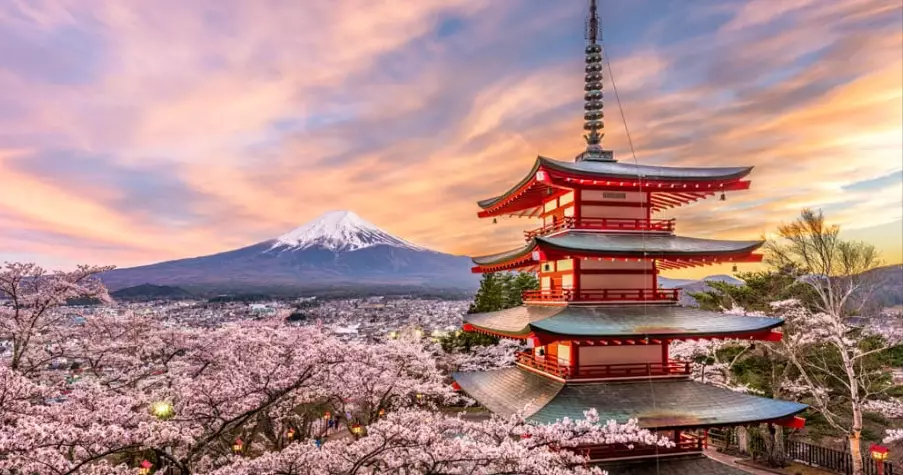
Your 2-Week Japan Trip at a Glance
- Why Two Weeks is the Sweet Spot for Japan
- A Realistic 2-Week Japan Itinerary: Tokyo, Kyoto, Osaka & More
- Japan Travel Cost: A Transparent Budget Breakdown for 2 Weeks
- Going Beyond the Tourist Checklist: Unique Experiences
- Common Mistakes First-Timers Make (And How to Avoid Them)
- Your Japan Trip Questions Answered
Why Two Weeks is the Sweet Spot for Japan
One week is a rushed city sprint (usually just Tokyo and maybe a day trip). Three weeks allows deep regional exploration. Two weeks sits perfectly in between, letting you execute the classic "Golden Route" with breathing room. You can experience the core triad: the hyper-modernity of Tokyo, the historical heart of Kyoto, and the culinary dynamism of Osaka. Crucially, it gives you time for a wildcard—maybe the deer in Nara, the atomic peace memorial in Hiroshima, or an onsen town like Hakone.
The logistics work in your favor. A 14-day Japan Rail Pass can be cost-effective for this route. You're not moving hotels every night; you can base yourself in 3-4 key locations. The pace is brisk but sustainable. You'll be walking 8-10 miles a day, so this itinerary builds in half-days to wander without a plan, which is when you often find the best ramen shop or tiny shrine.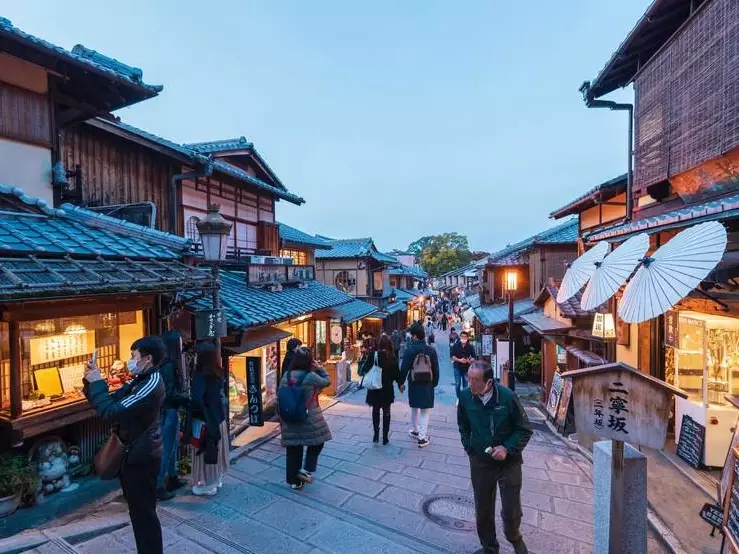
The Non-Consensus View: Most guides tell you to cram everything in. I advise the opposite. Under-schedule. For every major temple visit, block out an equal amount of time with no agenda. Japan's magic is in its details: the vending machine selling hot corn soup, the impeccable gardening in a random neighborhood, the quiet backstreet izakaya. A two-week trip gives you the luxury to notice these things.
A Realistic 2-Week Japan Itinerary: Tokyo, Kyoto, Osaka & More
Here's a balanced 14-day plan that mixes icons with local flavor. It assumes you're flying into Tokyo (Narita or Haneda) and out of Osaka (Kansai International), or vice-versa, to avoid backtracking.
| Day | Base | Highlights & Activities | Practical Notes |
|---|---|---|---|
| 1-4 | Tokyo | Shibuya Crossing, Shinjuku Gyoen, Meiji Jingu, teamLab Planets, Tsukiji Outer Market, Akihabara, a night in Shinjuku's Omoide Yokocho. | Get a Suica/Pasmo card. Stay near a Yamanote Line station (Shibuya, Shinjuku, Ueno). Book teamLab in advance. |
| 5 | Hakone | Open-Air Museum, Lake Ashi pirate ship, Hakone Shrine, traditional ryokan stay with kaiseki dinner and onsen. | Use the Hakone Free Pass. Forward main luggage to Kyoto via takuhaibin service (costs ~¥2000). |
| 6-9 | Kyoto | Fushimi Inari (go early!), Arashiyama Bamboo Grove & Monkey Park, Kinkaku-ji, Gion district, Nishiki Market, Philosopher's Path. | Rent a bicycle. Temples get packed; visit iconic ones at opening or near closing. Consider a cooking class. |
| 10 | Nara (Day Trip) | Todai-ji Temple (home to the giant Buddha), Nara Park's friendly deer, Kasuga Taisha. | 30-40 min train from Kyoto. Deer crackers are ¥200. Watch out for assertive deer! |
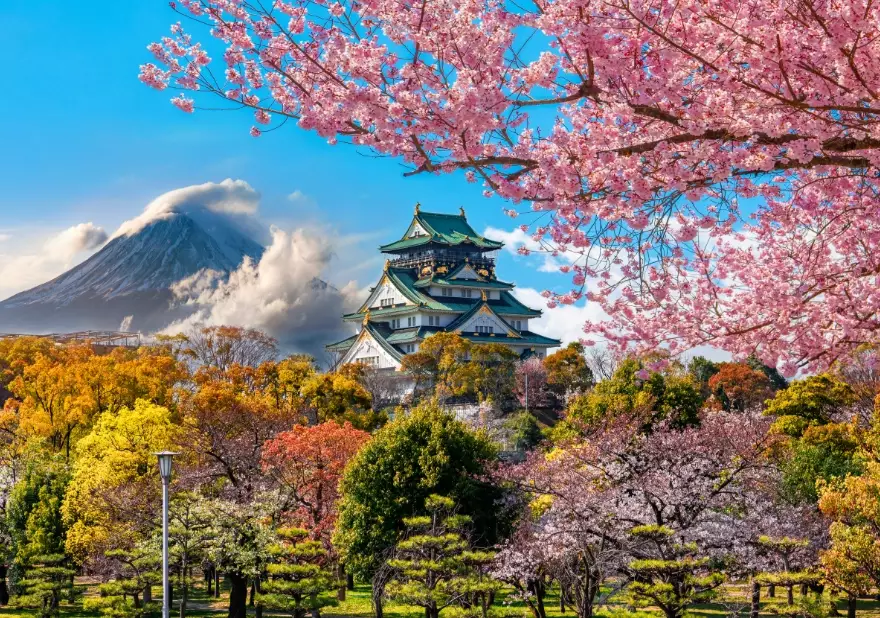
| 11-13 | Osaka | Dotonbori street food crawl, Osaka Castle (exterior is better than interior), Shinsekai, Kuromon Ichiba Market, Umeda Sky Building. | Osaka is for eating. Try takoyaki, okonomiyaki, and kushikatsu. It's a more relaxed, gregarious city. |
| 14 | Departure | Last-minute shopping in Shinsaibashi, head to Kansai International Airport (KIX). | Allow 60+ mins for train from central Osaka to KIX. |
This itinerary is a template. Love manga? Add a day in Tokyo. Prefer hiking? Swap Hakone for a day in the Kamikochi mountains (season permitting). The Japan National Tourism Organization website is an authoritative source for seasonal events and lesser-known destinations.
Where to Stay: Specific Recommendations
Accommodation fills fast. Here are picks across budgets:
Tokyo (Shibuya): The Millennials Shibuya. A high-tech capsule hotel with a great social lounge. Pods from ¥5,000/night. Perfect for solo travelers.
Kyoto (Central): Hotel Resol Kyoto Kawaramachi Sanjo. Modern hotel in a fantastic location near shopping and dining. Rooms from ¥15,000/night.
Osaka (Namba): Cross Hotel Osaka. Stylish, directly connected to Dotonbori's food scene. Rooms from ¥18,000/night.
Hakone (Onsen Ryokan): Gora Hanaougi. A traditional inn with private and public onsens, incredible multi-course meals. From ¥40,000/person with dinner & breakfast—a splurge but the quintessential experience.
Japan Travel Cost: A Transparent Budget Breakdown for 2 Weeks
Japan isn't cheap, but it's not as expensive as rumors suggest. Value for money is high. Here's a mid-range budget per person, excluding flights.
| Category | Cost (Per Person) | Details & Tips |
|---|---|---|
| Accommodation | ¥150,000 - ¥200,000 | Mix of business hotels (¥8-12k/night) and 1-2 special ryokan nights. Book 3-6 months ahead. |
| Transport | ¥60,000 | 14-day Japan Rail Pass (¥47,250) + local subway/buses. The pass pays off for this itinerary. Calculate on JR Pass official site. |
| Food & Drink | ¥80,000 - ¥100,000 | ¥3-5k per day is comfortable. Conveyor belt sushi (¥2,000), ramen (¥1,000), department store basements (depachika) for lunch. |
| Attractions & Activities | ¥20,000 | Temples (¥300-¥600), museums, occasional guided tour. |
| Sim Card / Pocket WiFi | ¥5,000 - ¥8,000 | Essential for navigation. Pick up at airport. |
| Total (Approx.) | ¥315,000 - ¥388,000 | Roughly $2,000 - $2,500 USD. Flights are extra. |
You can go cheaper with hostels and combini meals, or much higher with luxury hotels and fine dining. A major cost-saving tip: eat your big meal at lunch. Many high-quality restaurants offer spectacular set lunches (teishoku) for half the dinner price.
Going Beyond the Tourist Checklist: Unique Experiences
Skip the overcrowded Robot Restaurant (it's closed anyway). Here's what to do instead:
Take a Day Trip to Kamakura: An hour from Tokyo, it's the "Kyoto of the East" with the Great Buddha and charming hiking trails. Less hectic.
Visit Naoshima Art Island: If you love modern art, this requires an overnight from Osaka/Kyoto. It's a game-changer.
Attend a Morning Sumo Practice: In Tokyo, some stables allow visitors to watch the brutal, ritualistic training sessions. Requires advance booking and absolute silence.
Get a Reservation for the Ghibli Museum: Tickets sell out months in advance. If you miss out, the Ghibli Park near Nagoya (also requiring tickets) is a new alternative, as reported by CNN Travel.
Common Mistakes First-Timers Make (And How to Avoid Them)
I've made some of these myself.
Overpacking the Schedule: You cannot see "all of Kyoto" in two days. Pick 2-3 sights per day max. Transit takes time.
Not Using Luggage Forwarding: The takuhaibin service (like Yamato Transport) is a godsend. Send your big suitcase from Tokyo to Kyoto hotel for about ¥2,000. Travel with a day pack to Hakone. It's worth every yen.
Assuming Everyone Speaks English: Learn basic phrases (Arigatou gozaimasu, Sumimasen). Use Google Translate's camera function for menus.
Forgetting About Cash: While cards are more common now, many small restaurants, temples, and markets are cash-only. Always have ¥10,000-¥20,000 on you.
Misjudging Restaurant Etiquette: Don't stick chopsticks upright in rice. Don't walk and eat. It's okay to slurp noodles. At a counter, you might be handed an oshibori (hot towel)—use it only on your hands.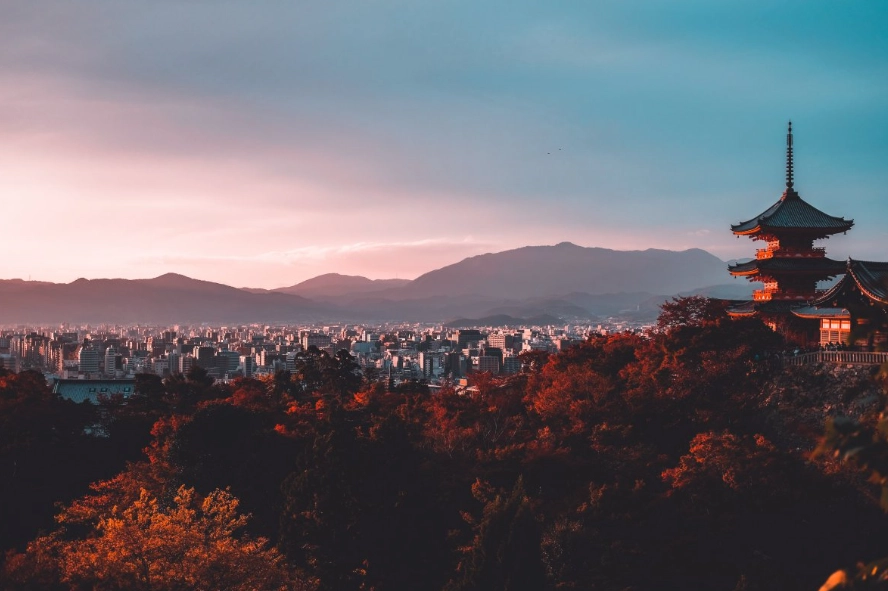
Your Japan Trip Questions Answered
 Can I do Japan on a tight budget for two weeks, and how?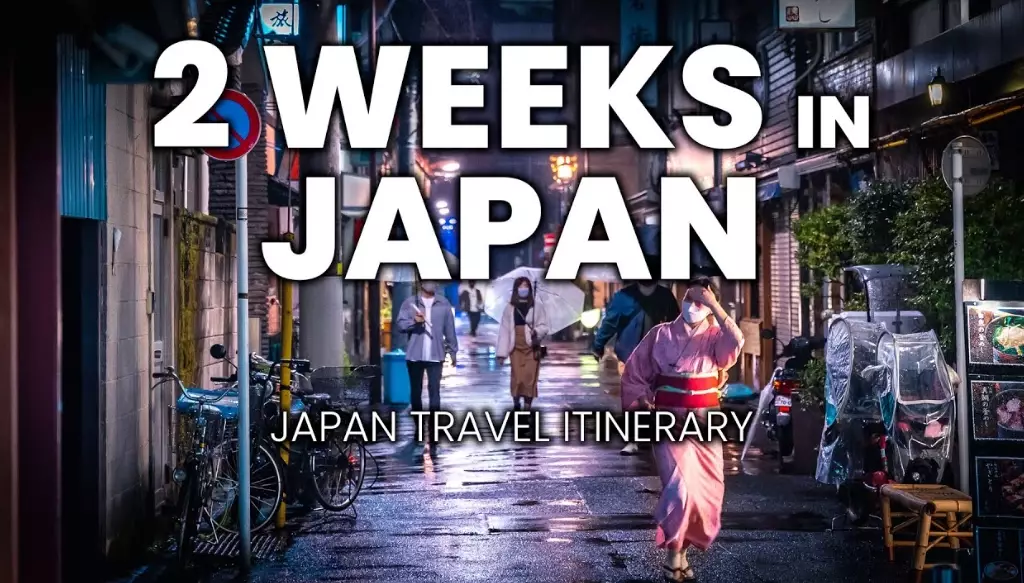
Comments