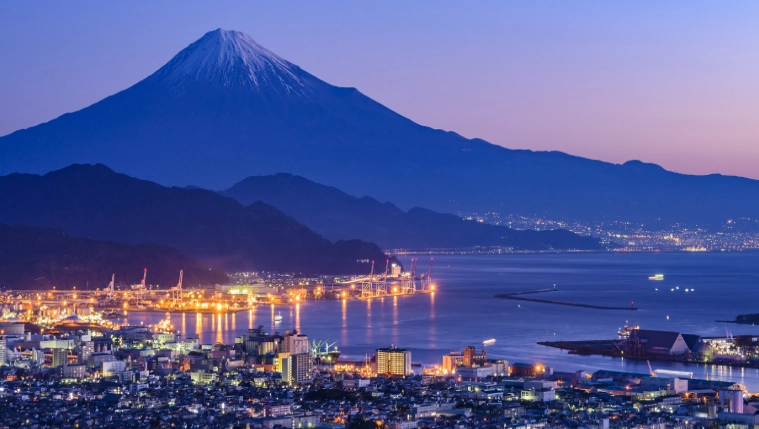
Kyushu feels different. It's not the Japan of endless Tokyo skyscrapers or the polished temples of Kyoto. It's earthier, more volcanic, and somehow more relaxed. As Japan's third-largest island, Kyushu packs in steaming hot spring towns, ancient samurai castles, tragic yet resilient modern history, and arguably the country's best food scene into one incredibly diverse package. Forget the crowds elbowing for a view of Mount Fuji – here, you're more likely to be sharing a serene outdoor bath with a local or hunting down the perfect bowl of tonkotsu ramen where it was invented.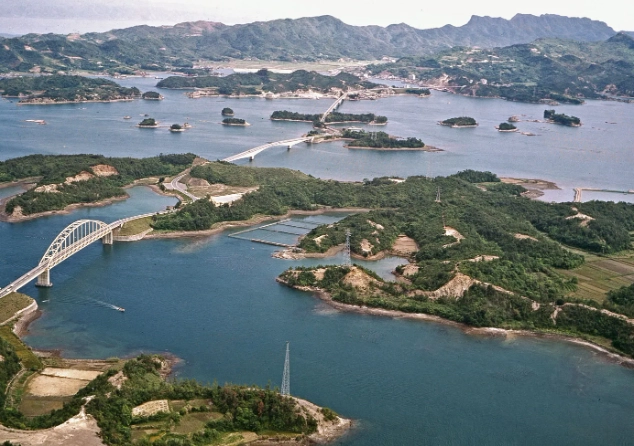
I've lost count of my trips there, and each time I find a new valley, a hidden onsen, or a mom-and-pop shop serving something unforgettable. This guide isn't just a list of places. It's the trip I wish someone had planned for me the first time, full of the practical details you need and the little insights you only get from spending time there.
Your Kyushu Travel Blueprint
Why Kyushu Should Be Your Next Japan Trip
Most first-time visitors stick to the golden route. That's fine, but it means they miss out on what makes Japan truly fascinating beyond its famous icons. Kyushu is where you go to feel Japan's geothermal heartbeat. The island sits on a volcanic belt, which gifts it with thousands of natural hot springs. This geothermal activity isn't just for bathing; it creates surreal landscapes of steaming vents and colored ponds, and it enriches the soil for agriculture, leading to incredible produce, tea, and even spirits like shochu.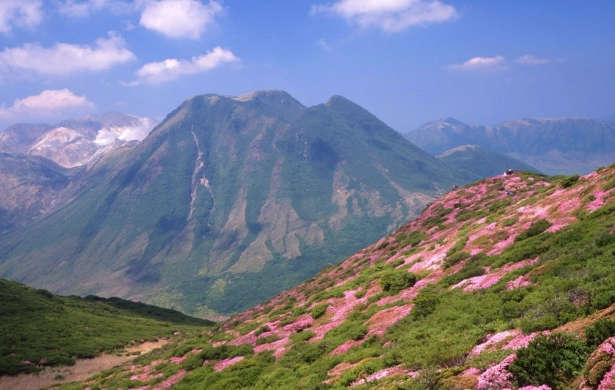
The history here is layered and profound. Nagasaki tells a story of unique international exchange and profound tragedy. Kumamoto's castle is a testament to feudal power and modern resilience. The region was Japan's gateway to Korea and China for centuries, leaving a distinct cultural and culinary imprint you won't find up north.
And then there's the pace. Even in Fukuoka, the largest city, there's a palpable laid-back vibe. People aren't in the same frantic rush. You can sit by the waterfront yatai (food stalls) for hours, and no one will rush you out. It's a side of Japan that invites you to slow down and soak it in, literally and figuratively.
Top Things to See and Do in Kyushu
Let's break it down by area. Trying to see all of Kyushu in one go is like trying to see all of Italy in a week – possible, but you'll be exhausted. Focus on two or three bases.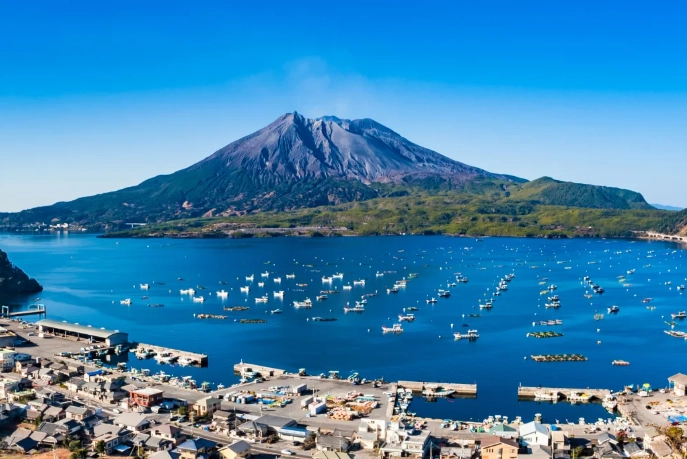
Fukuoka Prefecture: Gateway and Food Capital
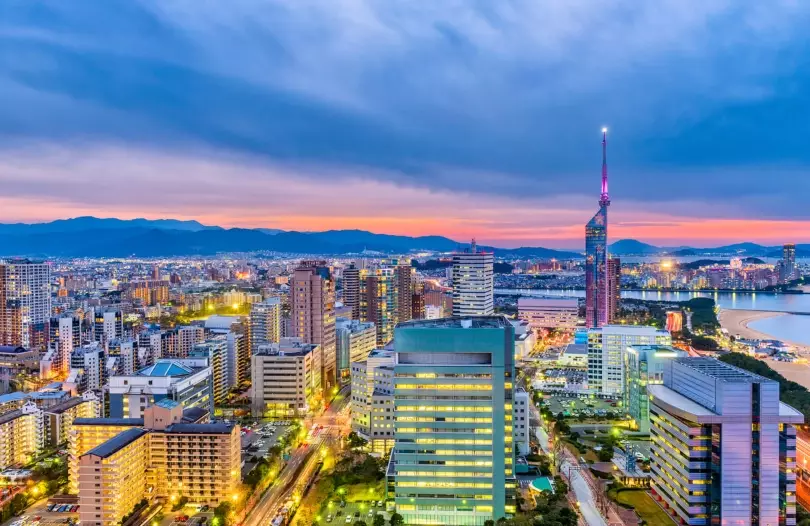
Fukuoka City is where most people start. It's a modern, vibrant city that's easy to navigate. Don't just treat it as an arrival airport.
- Ohori Park & Fukuoka Castle Ruins: A beautiful Japanese-style park built around a large pond, perfect for a morning stroll. The nearby castle ruins offer a quiet, green escape and nice city views. (Address: 1 Ohorikoen, Chuo Ward. Free, open 24/7).
- Yatai (Food Stalls) at Nakasu: This is non-negotiable. Around 7 PM, dozens of tiny stalls set up along the river. Squeeze in, order some yakitori and a beer, and chat with the chef. It's the soul of Fukuoka. (Location: Nakasu island, Tenjin side. Open from ~6:30 PM to ~2 AM, some closed Sundays).
- Dazaifu Tenmangu Shrine: A short train ride from the city, this is one of Japan's most important Tenmangu shrines, dedicated to the god of learning. Students flock here during exam season. The approach is lined with shops selling the local specialty, umegae mochi (grilled rice cake with red bean paste). (Address: 4-7-1 Saifu, Dazaifu. Free, shrine grounds open 24/7, museum has hours/fee).
Oita Prefecture: The Onsen Kingdom
This is why you come to Kyushu for relaxation.
- Beppu's "Hells" (Jigoku): These are spectacular, multi-colored geothermal hot springs for viewing, not bathing. The cobalt blue "Sea Hell" (Umi Jigoku) and the bubbling red mud "Blood Pond Hell" (Chinoike Jigoku) are the most famous. They're touristy, yes, but genuinely unique. (Umi Jigoku: 559-1 Kannawa, Beppu. Admission: 450 yen. Open 8:00-17:00). A local tip? Visit right at opening to avoid the massive tour bus crowds that arrive around 10 AM.
- Yufuin: My personal favorite. Less commercial than Beppu, it's a picturesque valley town with a beautiful lake (Lake Kinrin), art galleries, cafes, and fantastic ryokans. Rent a bike and explore the countryside. The view of Mount Yufu is postcard-perfect.
Nagasaki Prefecture: History and Harbor Views
A city with a heavy but essential story.
- Nagasaki Peace Park & Atomic Bomb Museum: A solemn, must-visit experience. The park is quiet and reflective, leading to the epicenter. The museum is factual, harrowing, and focuses on the human cost and the message of peace. (Museum Address: 7-8 Hirano-machi. Admission: 200 yen. Open 8:30-17:30, last entry 17:00).
- Glover Garden & Oura Church: Perched on a hill, this open-air museum features former homes of Western merchants from the late 1800s when Nagasaki was Japan's only open port. The views of the harbor are stunning. Oura Church nearby is the oldest Christian church in Japan. (Glover Garden Address: 8-1 Minamiyamatemachi. Admission: 610 yen. Open 8:00-18:00).
- Mount Inasa Night View: Often ranked among the top three night views in the world. Take the ropeway up just before sunset. The 360-degree panorama of the city lights sprawling around the harbor is breathtaking. (Ropeway fare: 1,250 yen round trip. Operates until 22:00).
Kumamoto Prefecture: The Castle and the Countryside
- Kumamoto Castle: Severely damaged in the 2016 earthquakes, the ongoing restoration is a marvel of modern engineering mixed with traditional craft. You can see the painstaking work up close. The scale of the original stone walls is immense and gives you a real sense of feudal power. (Address: 1-1 Honmaru, Chuo Ward. Admission: 800 yen for main keep/500 yen for grounds only. Open 9:00-17:00). Check the official Kumamoto Tourism website for latest restoration progress and access details.
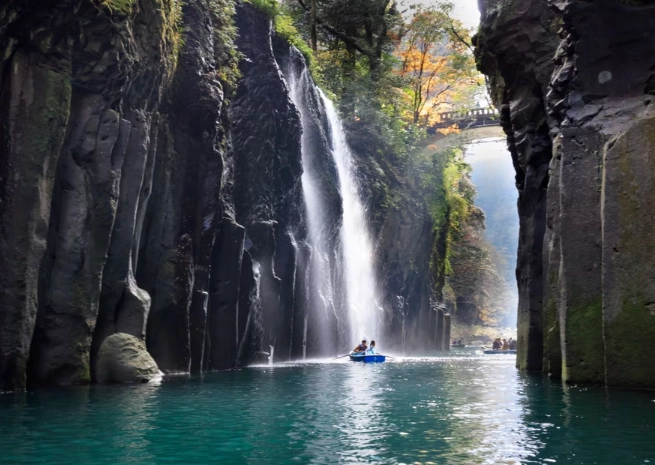
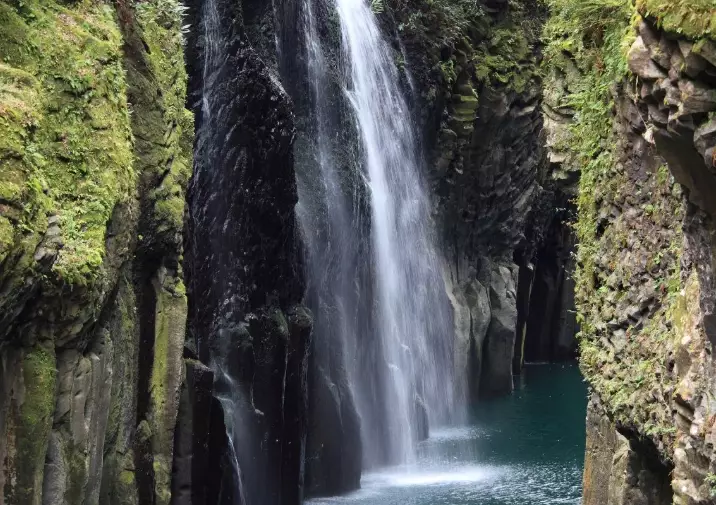
- Takachiho Gorge (Miyazaki Prefecture, but often accessed from Kumamoto): A mythical, dramatic gorge with sheer cliffs and the stunning Minainotaki waterfall. You can rent a rowboat to get right under the falls (1,000 yen for 30 mins). It's a long trip (about 2.5 hours by bus from Kumamoto), so go early and make a day of it.
Pro Tip on Crowds: A common mistake is trying to hit Beppu's Hells, Yufuin, and a major city like Nagasaki all in one day. It's geographically impossible without a helicopter. The trains are great but not that fast over mountains. Cluster your destinations. Pair Beppu/Yufuin together for 2 nights. Use Kumamoto as a base for the castle and a day trip to Takachiho. This saves hours of backtracking.
The Kyushu Food Guide: What and Where to Eat
This could be a book on its own. Kyushu's food is bold, pork-centric, and deeply satisfying.
Must-Try Dishes:
- Tonkotsu Ramen: The creamy, pork-bone broth originated in Kurume, Fukuoka. It's richer and thicker than Tokyo-style shoyu ramen. Try it at a yatai or a local chain like Ichiran (the original is here) or Ippudo.
- Motsunabe: A Fukuoka hotpot with beef or pork offal (intestines) and vegetables in a miso or soy sauce broth. Sounds challenging, tastes incredible—rich and savory. Motsunabe Yamaya in Hakata is a classic.
- Basashi: Horse sashimi, a Kumamoto specialty. It's lean, slightly sweet, and often served with ginger and garlic. Try it at a local izakaya like Aoyagi near Kumamoto Castle.
- Chicken Nanban: From Miyazaki, this is fried chicken dressed with sweet vinegar and tartar sauce. Simple, addictive comfort food.
- Nagasaki Champon: A hearty noodle soup loaded with seafood, pork, and vegetables, born from Chinese influence. Shikairou near Glover Garden is the most famous spot.
| Restaurant / Spot | Location & Address (Area) | Specialty & Note | Approx. Price Per Person |
|---|---|---|---|
| Yatai Stalls | Nakasu, Tenjin (Fukuoka) | Tonkotsu Ramen, Yakitori, Oden. Go for the atmosphere. | 1,500 - 3,000 yen |
| Ippudo (Tenjin Main Store) | 1-13-14 Daimyo, Chuo-ku (Fukuoka) | Classic Tonkotsu Ramen. Often has a queue. | 800 - 1,200 yen |
| Chikae Miso Katsu | 8-13 Tetorihoncho, Nagasaki | Nagasaki-style miso katsu (pork cutlet). Small, local favorite. | 1,000 - 1,800 yen |
| Milch (Yufuin) | 1502-3 Yufuincho Kawakami, Yufu | Fresh cheesecake, pudding, and soft-serve. A sweet stop. | 500 - 800 yen |
Where to Stay: Onsen Ryokans and City Hotels
Your accommodation in Kyushu can be a highlight. Splurge at least one night on a traditional ryokan with a private onsen bath.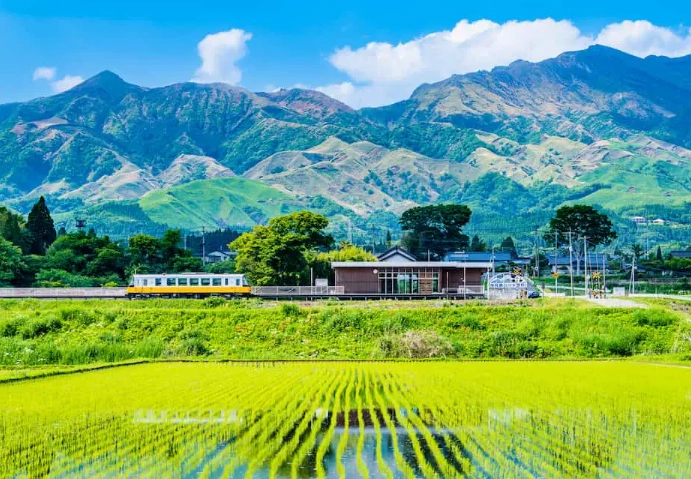
- Luxury Ryokan (Yufuin): Yufuin Sansuikan. Traditional rooms with stunning mountain views, exquisite kaiseki meals, and multiple private and public baths. You're paying for serenity and top-tier service. (Address: 1081-1 Kawakami, Yufuincho. Price: ~50,000+ yen per person with meals).
- Mid-Range Ryokan (Beppu): Suginoi Hotel. A massive resort complex with a famous "100-dish" buffet, multiple themed baths (including a rooftop one), and both Japanese and Western-style rooms. Great for families. (Address: Kankaiji, Beppu. Price: ~20,000-30,000 yen per person with meals).
- City Hotel (Fukuoka): The Blossom Hakata Premier. Modern, sleek, and directly connected to Hakata Station. Perfect for exploring the city and catching early trains. The breakfast is fantastic. (Address: 4-8-15 Hakataekimae, Hakata-ku. Price: ~15,000-25,000 yen per room).
- Budget-Friendly (Nagasaki): Dormy Inn Nagasaki. Reliable business hotel chain with a decent public onsen bath on the top floor and free late-night ramen. Excellent location near the station. (Address: 2-29 Goto-machi. Price: ~8,000-12,000 yen per room).
Crafting Your Perfect Kyushu Itinerary
Here’s a realistic 7-day framework you can adapt. It assumes you have a 7-day JR Kyushu Rail Pass.
Day 1-2: Fukuoka. Arrive at Fukuoka Airport (FUK). Explore Ohori Park, Canal City shopping complex, and hit the yatai at night. On day 2, take a half-day trip to Dazaifu Tenmangu.
Day 3-4: Onsen Relaxation. Take the limited express train to Beppu (about 2 hours). Spend the afternoon seeing the "Hells." Stay overnight in Beppu or, better yet, take a local bus to Yufuin (1 hour) for a more scenic stay. Next day, enjoy Yufuin's cafes and lake before moving on.
Day 5-6: Nagasaki. Train from Yufuin/Beppu to Nagasaki (requires a transfer, about 3 hours total). Visit the Peace Park and Museum in the afternoon. On Day 6, see Glover Garden and Oura Church, then take the ropeway up Mount Inasa for the night view.
Day 7: Kumamoto & Departure. Shinkansen from Nagasaki to Kumamoto (about 2 hours). Stroll around Kumamoto Castle (see how much is accessible), have a lunch of basashi, then take the shinkansen back to Fukuoka (35 mins) for your flight out.
If you have 10 days: Add a night in Kagoshima to see Sakurajima volcano, or spend a night near Takachiho Gorge to explore it properly without a rushed day trip.
Essential Kyushu Travel Tips
- Get the JR Pass: The JR Kyushu Rail Pass is almost always worth it for tourists. Calculate your planned trips on JR Kyushu's official site. You can buy it online before you go.
- Book Ryokans Early: The best ones, especially in Yufuin, book up months in advance, especially for peak seasons (cherry blossom, autumn leaves, Golden Week).
- Cash is Still King: While credit cards are common in cities, smaller ryokans, rural restaurants, buses, and many onsens still prefer cash.
- Onsen Etiquette: Wash thoroughly at the shower stations before entering the bath. No swimsuits. Small towels can be used for modesty but don't let them touch the bath water. Tie long hair up.
- Google Maps is Your Friend: It works flawlessly for train/bus schedules and walking directions in Japan.
Your Kyushu Questions Answered
Kyushu has a way of getting under your skin. It's not about checking off a list of sights; it's about the feeling of soaking in a cliffside onsen as the sun sets, the taste of that first slurp of rich tonkotsu broth, and the quiet reflection in Nagasaki's Peace Park. It's a deeper, warmer, more varied Japan waiting to be discovered. Start planning—you won't regret making it your destination.

Comments