Kagawa. It's Japan's smallest prefecture, but that fact is wildly misleading. Packed into this corner of Shikoku is a density of culture, flavor, and surreal beauty that punches far above its geographical weight. Forget Tokyo's frenzy or Kyoto's temple fatigue. Kagawa offers a different rhythm—one dictated by the slurp of perfect udon noodles, the silent contemplation of a Yayoi Kusama pumpkin, and the gentle lapping of the Seto Inland Sea against ancient stone ports.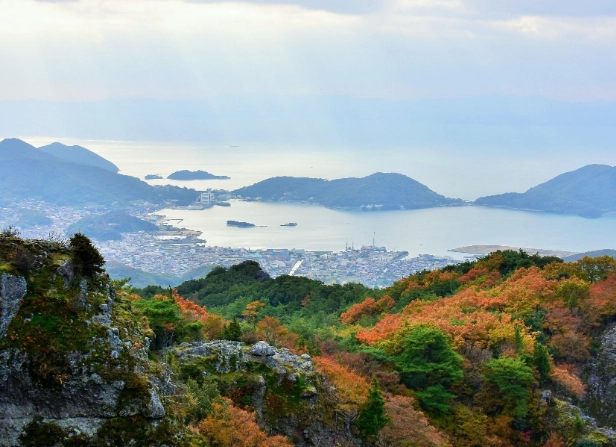
Most guides will tell you about the two big draws: Sanuki udon and the art islands. They're right, of course. But they often miss the connective tissue—the quiet villages, the local festivals nobody blogs about, the specific etiquette of udon eating that marks you as a novice. I've spent weeks here over multiple trips, sometimes getting it wonderfully right, sometimes making clumsy tourist mistakes. This guide is the one I wish I'd had first.
Your Kagawa Journey at a Glance
The Udon Pilgrimage: How to Eat Like a Local in Kagawa
Let's start with the soul food. Sanuki udon isn't just a dish; it's a cultural artifact. The noodles are famously chewy, square-edged, and served in a deceptively simple broth. The biggest mistake first-timers make? Going to just one famous shop and thinking they've "done" udon. The reality is a spectrum of styles, from minimalist to modern.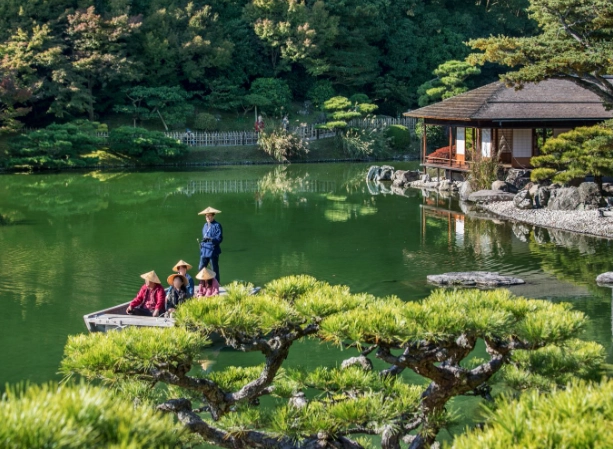
Here’s a breakdown of three distinct udon experiences, from the classic to the contemporary:
| Shop Name & Style | Address & Access | What to Order & Price | The Vibe & Pro Tip |
|---|---|---|---|
| Tamaru (たまる) The Purist's Choice |
3-11 Hanazono-cho, Takamatsu. 5-min walk from Kawaramachi Station. |
Kake udon (plain broth). ~¥450. Add tempura (tenpura) for ~¥200. |
No-frills, often a line. The broth is the star—clear, delicate, umami-rich. Don't ask for a spoon; drink from the bowl. |
| Waraya (わら家) The Self-Service Classic |
91-1 Motoimabizuki, Ayauta District (near airport). | Grab cold zaru udon (~¥400), then pick tempura from the counter. Total ~¥700-1000. | Rustic, bustling. The tempura is fresh and varied. The process is part of the fun. Go for lunch. |
| Udon Honjin (うどん本陣) Modern & Experimental |
Multiple locations, main in Takamatsu. | Butter soy sauce udon or seasonal specials. ¥800-1200. |
Bright, clean, tourist-friendly. Perfect if you want to try creative toppings beyond the basics. |
One subtle error I see? People drowning their noodles in soy sauce or tenkasu (tempura bits) before tasting the broth. Try the first few slurps plain. Feel the texture, taste the wheat and the dashi. Then customize. And for heaven's sake, slurp loudly. It's not rude; it's a compliment to the chef and cools the noodles.
Udon School Secret: Want the true insider experience? Book a short udon-making workshop. The Kagawa Prefecture official tourism site lists several. It gives you a profound appreciation for the chew—it's all in the footwork during kneading.
The Art Islands, Deconstructed: Naoshima, Teshima, Inujima
The Setouchi Triennale art festival put these islands on the map, but they're year-round destinations. Each island has a distinct personality. Trying to "do" more than one major island in a day is the classic tourist trap. You'll spend more time on ferries than with art.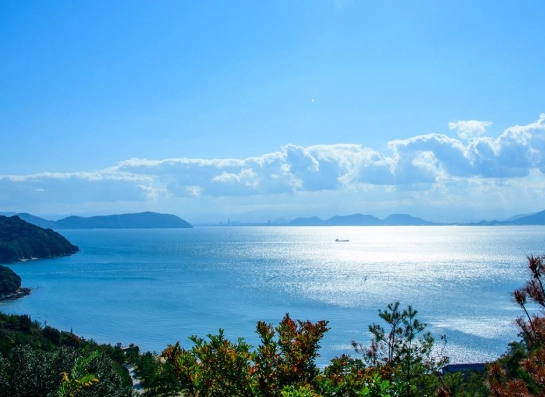
Naoshima: The Icon
Yes, you must see the yellow pumpkin. But the real magic is in the museums. Book tickets for the Chichu Art Museum and Benesse House Museum online weeks in advance, especially on weekends. The Chichu, built into a hill, uses only natural light to illuminate works by Monet, Walter De Maria, and James Turrell. It's an architectural marvel. A common regret? Rushing through. Plan for at least 2 hours at Chichu.
Transport on Naoshima: Rent an electric bicycle. The hills are no joke, and the bus service is infrequent. Biking between the southern art clusters (Miyanoura, Honmura, Benesse area) is the most freeing way to explore.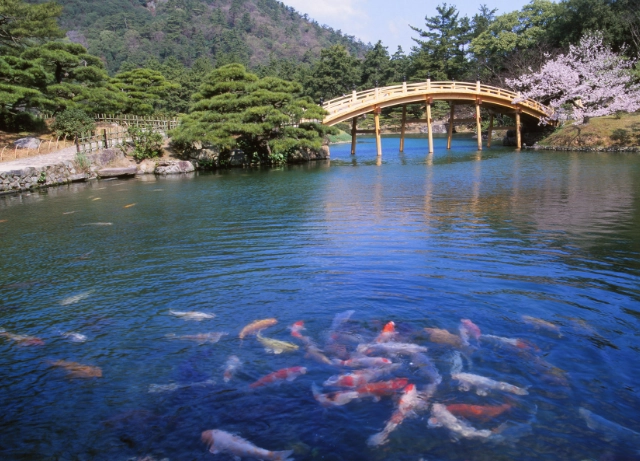
Teshima: The Soulful One
If Naoshima feels curated, Teshima feels organic. The Teshima Art Museum is not a building full of objects; it's a single, breathtaking concrete shell housing water droplets that move across a floor. It's about feeling, not just seeing. Nearby, the Les Archives du Cœur by Christian Boltanski is a powerfully intimate sound installation of human heartbeats. Teshima is quieter, more contemplative. Pack a lunch, as dining options are sparse.
Inujima: The Hidden Gem
Small and often overlooked, Inujima is a 90-minute adventure. The Inujima Seirensho Art Museum is built on the ruins of a copper refinery, blending industrial archaeology with art and environmental themes. It's stark, powerful, and you might have it mostly to yourself. Perfect for the off-beat traveler.
Ferry Reality Check: Ferry schedules are gospel. Miss one, and you might be stranded for hours. Always check the latest timetables on the Setouchi Triennale official site or at the port. The connections between islands (e.g., Naoshima to Teshima) are less frequent than from Takamatsu.
The Hidden Kagawa Most Travelers Miss
While everyone heads to the islands, the mainland holds treasures. Ritsurin Garden in Takamatsu is often called one of Japan's best gardens. It's true. Go early in the morning when the light is soft and the tour groups haven't arrived. Spend an hour sipping matcha in the teahouse overlooking the koi ponds—it's worth the extra ¥700.
Up north in the Shonai Peninsula, Angel Road is a sandbar that appears at low tide, connecting several small islands. It's a beautiful, almost spiritual walk. Check the tide tables religiously.
For a dose of old Japan, the Shikoku Mura (Shikoku Village) open-air museum near Takamatsu transplants traditional thatched-roof houses from across Shikoku. It's more atmospheric and less crowded than similar museums elsewhere.
Getting Around Kagawa: Logistics Made Simple
Takamatsu is the transport hub. It has an airport (TAK) with domestic flights and a major shinkansen-connected station (via the Seto-Ohashi Bridge to Okayama).
- To the Art Islands: Ferries depart from Takamatsu Port (Miyanoura, Naoshima) and nearby Uno Port (in Okayama). The Takamatsu-Naoshima ferry is about 50 minutes.
- Local Travel: The Kotoden train lines are handy for northern Kagawa. For wider exploration, renting a car from Takamatsu Station is a fantastic idea. Driving is easy, and it unlocks the peninsula and rural udon shops.
- Passes: The Setouchi Area Pass (JR West) can be economical if coming from Osaka/Kyoto and using JR trains extensively. For just Kagawa, the local Sanuki Udon Taxi Tour or a rental car often offers better value and flexibility.
Crafting Your Perfect 3-Day Kagawa Itinerary
Here’s a balanced mix of must-sees and local flavor.
Day 1: Takamatsu & Udon Immersion
Morning: Stroll through Ritsurin Garden. Lunch at a classic udon shop like Tamaru. Afternoon: Explore Takamatsu Castle ruins and the nearby shopping arcades. Evening: Try a modern udon spot or head to Sunport Takamatsu for harbor views.
Day 2: Naoshima Deep Dive
Take the morning ferry to Naoshima (Miyanoura). Rent bikes. Visit the Chichu Art Museum (booked), then the Lee Ufan Museum. Lunch near Benesse House. Afternoon: Art House Project in Honmura, the red pumpkin, and the yellow pumpkin. Catch a late afternoon ferry back.
Day 3: Choose Your Adventure
Option A (Art): Ferry to Teshima for the Teshima Art Museum and exploring the island's scattered art sites.
Option B (Culture/Scenery): Rent a car and drive to the Shonai Peninsula for Angel Road, then visit Shikoku Mura on the way back.
Option C (Udon Pilgrimage): Use a rental car or local trains to visit two distinct udon shops in the countryside, like Waraya and another local favorite.



Comments