Let's cut to the chase. If you're looking for the single best time to visit Japan for pleasant weather, the answer is simple: spring (March to May) and autumn (September to November). The temperatures are mild, the skies are often clear, and the scenery is stunning. But that's the internet's common answer, and it only scratches the surface. The real question is: which of these seasons is right for *you*, and are you missing out by blindly avoiding summer or winter?
I've spent years traveling through Japan in every season, from the humid, buzzing summers of Osaka to the silent, snow-deep winters of Hokkaido. The "perfect" time isn't just about a thermometer reading. It's about what you want to experience, your tolerance for crowds, and your budget. Sticking only to the cherry blossom period means facing peak prices and packed trains. Meanwhile, a summer trip to the Japan Alps can be surprisingly cool and utterly magical.
Your Quick Guide to Japan's Seasons
- Understanding Japan's Diverse Climate
- Spring in Japan: Cherry Blossoms and Mild Days
- Summer in Japan: Festivals, Heat, and Mountain Escapes
- Autumn in Japan: Crisp Air and Vibrant Foliage
- Winter in Japan: Snowscapes, Onsen, and Quiet Cities
- Japan Weather by Month: A Detailed Breakdown
- Your Japan Travel Season Questions Answered
Understanding Japan's Diverse Climate
Japan isn't one climate zone; it's several. A day in subtropical Okinawa can feel completely different from a day in subarctic Hokkaido, even in the same month. This north-south stretch creates massive variety. Most first-time itineraries focus on the central "Golden Route" (Tokyo, Kyoto, Osaka, Hiroshima), which has a temperate climate with four distinct seasons. When we talk about best time to visit Japan temperature, we're usually referring to this central belt.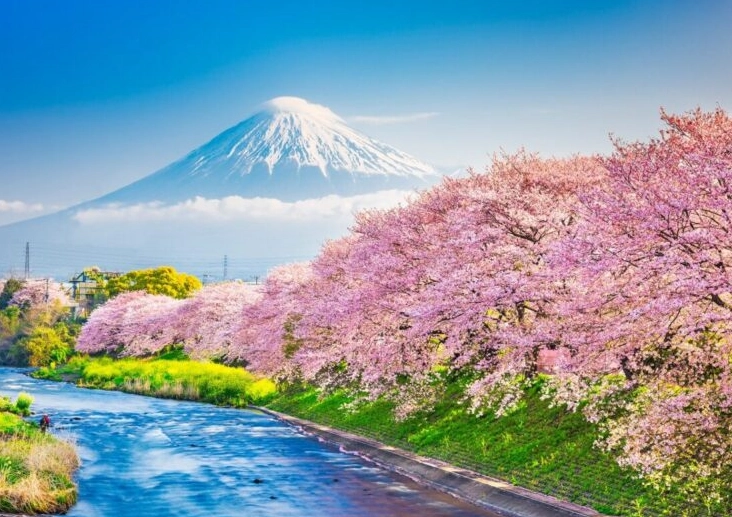
The other huge factor is humidity. Summers aren't just hot; they're oppressively humid, which makes the heat feel more intense. Winters, especially on the Sea of Japan side, are wet with heavy snow, not just dry cold. This moisture in the air is a crucial detail most temperature charts miss.
Spring in Japan: Cherry Blossoms and Mild Days
Spring is the poster child for Japanese tourism. And for good reason. After the chill of winter, the country wakes up. Temperatures rise from cool to comfortably warm.
The Cherry Blossom (Sakura) Phenomenon
This is the main event. The bloom sweeps north from Kyushu in late March to Hokkaido in early May. In Tokyo and Kyoto, peak bloom typically hits the last week of March or first week of April. It's breathtaking. It's also insanely crowded.
My non-consensus tip? Don't fixate on the famous parks like Tokyo's Ueno Park. They're a human sea. For a more serene experience, visit a local neighborhood park or the grounds of a smaller temple. In Kyoto, try the Philosopher's Path early in the morning, before 8 AM. The light is soft, and you might have it mostly to yourself.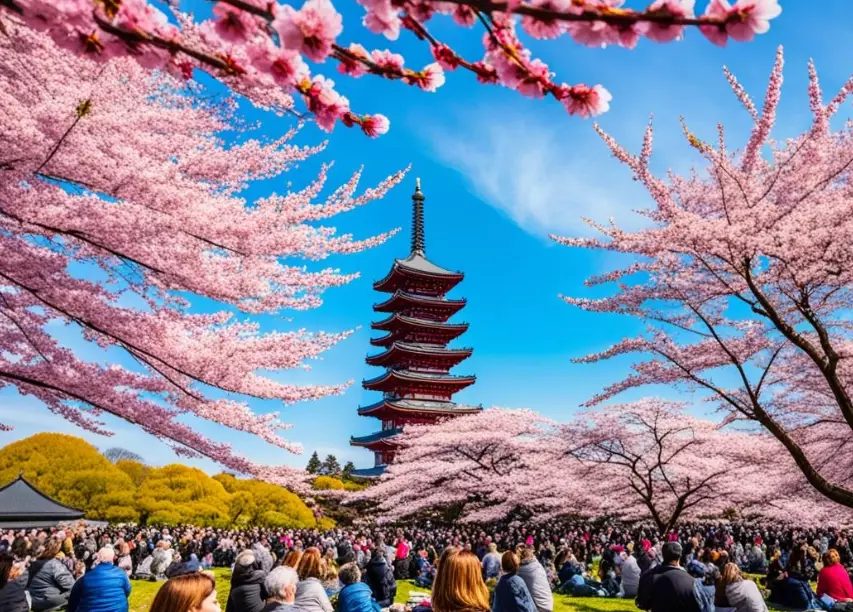
Spring Travel Reality Check: Yes, the weather is ideal (10-20°C / 50-68°F). But hotel prices can double or triple. Restaurants in tourist areas are packed. You must book flights and accommodation 6-8 months in advance. If you hate crowds, consider late April to May, after the sakura frenzy. You'll get lush green scenery and lovely weather, a period the Japanese call "Shinryoku" (new green).
Summer in Japan: Festivals, Heat, and Mountain Escapes
Most guides tell you to avoid summer. I think that's lazy advice. Summer (June-August) has major drawbacks—the infamous tsuyu (rainy season) in June/early July, followed by brutal heat and humidity in July and August. Walking around Kyoto in August afternoon feels like moving through soup.
But summer also has Japan's most vibrant energy.
- Festivals (Matsuri): The Gion Matsuri in Kyoto (July), Tenjin Matsuri in Osaka (July), and Nebuta Matsuri in Aomori (August) are cultural spectacles you can't see any other time.
- Mountain & Northern Escapes: This is the secret. While the cities swelter, the Japanese Alps and Hokkaido are perfect for hiking. The average high in Furano, Hokkaido in August is a pleasant 26°C (79°F). Climbing Mount Fuji is only officially possible from early July to early September.
- Beaches: The coastlines, like those in Okinawa or the Izu Peninsula, come alive.
If you can handle the heat, plan your days strategically: sightsee early, retreat indoors or to a park during the midday furnace, and explore again in the cooler evening.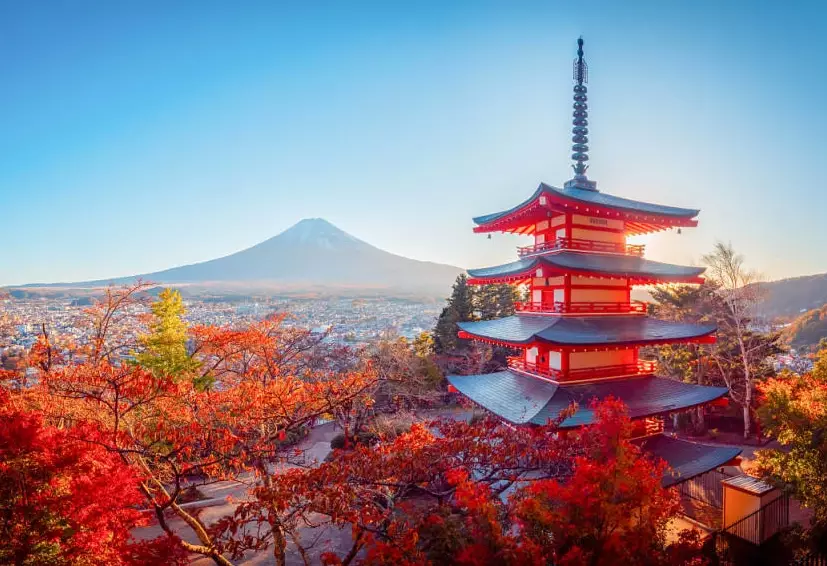
Autumn in Japan: Crisp Air and Vibrant Foliage
For me, autumn is Japan's true winner. You get spring-like mildness without spring's insane crowds (though it's still popular). The humidity vanishes, replaced by dry, crisp air. The landscape explodes in reds, oranges, and yellows during the koyo (autumn leaves) season, which moves south to north from October to December.
The temperature range is perfect for active exploration—hiking, cycling, long walks through temple gardens. I remember cycling the Kibi Plain in Okayama in late November under a clear blue sky, with just a light sweater needed. It was peaceful in a way the cherry blossom season never is.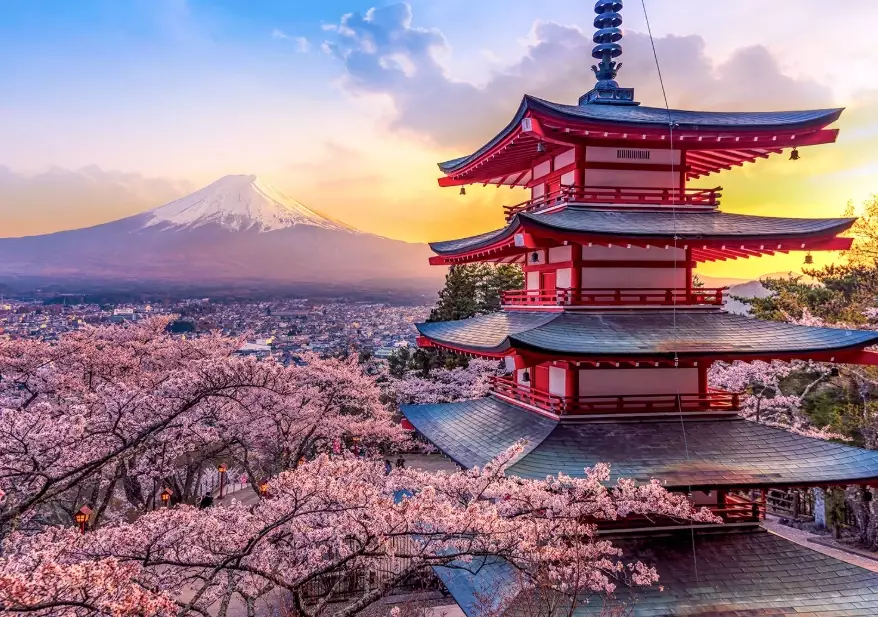
Food is another highlight. Autumn is the season for sanma (Pacific saury), matsutake mushrooms, and the new rice harvest. Menus feel richer and more earthy.
Winter in Japan: Snowscapes, Onsen, and Quiet Cities
Winter (December-February) is Japan's most underrated season for travelers not seeking beach holidays. The temperatures in Tokyo, Kyoto, and Osaka are cold but manageable, usually ranging from 0-10°C (32-50°F). It rarely snows heavily in these cities, but you'll see snow-capped mountains in the distance.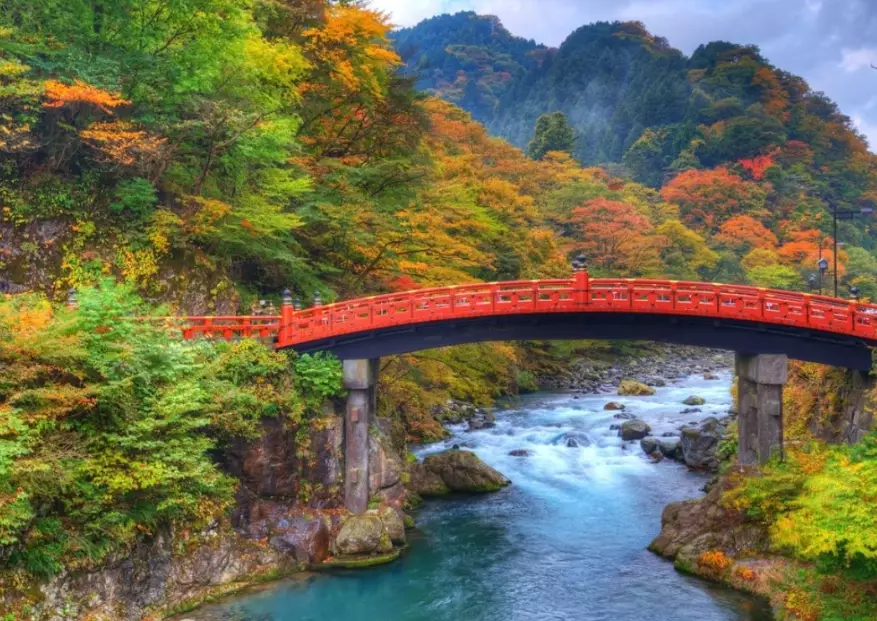
The advantages are huge:
- Fewer Crowds & Lower Prices: Outside of the New Year holiday (Dec 29-Jan 3), you'll have famous sites almost to yourself.
- Onsen Heaven: Soaking in a natural hot spring while snow falls around you is a quintessential Japanese experience. Head to Hakone, Nozawa Onsen, or Gero Onsen.
- World-Class Snow: Japan's powder snow in Hokkaido (Niseko, Furano) and Nagano (Hakuba) is legendary for skiers and snowboarders.
- Illuminations: Cities put on spectacular winter light displays, like Tokyo's Midtown Christmas or Nabana no Sato near Nagoya.
The cold is dry, so with a good coat, scarf, and gloves, urban exploration is very comfortable.
Japan Weather by Month: A Detailed Breakdown
This table gives you a snapshot of what to expect in the key tourist areas (Tokyo/Kyoto) each month. Remember, Hokkaido will be 5-10°C colder, and Okinawa 5-10°C warmer.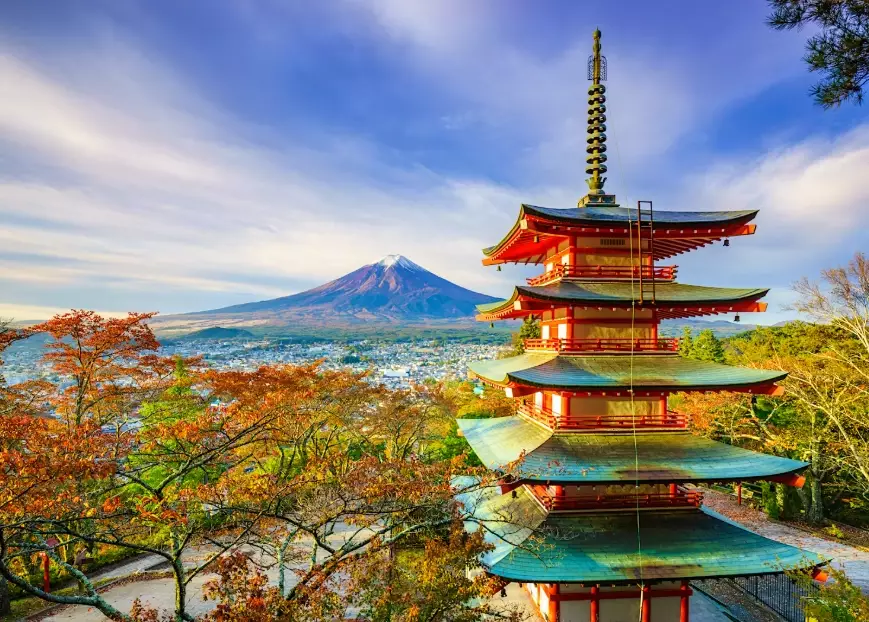
| Month | Avg. High / Low (°C) | Avg. High / Low (°F) | Key Things to Know |
|---|---|---|---|
| March | 13°C / 4°C | 55°F / 39°F | Start of spring. Can be chilly, especially early month. Late March sees first cherry blossoms. |
| April | 18°C / 9°C | 64°F / 48°F | Peak cherry blossom season. Perfect mild weather. Peak crowds and prices. |
| May | 23°C / 14°C | 73°F / 57°F | Golden Week holiday (early May) is busy. Otherwise, lovely, warm, and green. |
| June | 25°C / 18°C | 77°F / 64°F | Rainy season (tsuyu) begins. Humid with frequent rainy days. Hydrangeas bloom beautifully. |
| July | 29°C / 22°C | 84°F / 72°F | Hot and very humid. Rainy season ends mid-month. Major festivals begin. |
| August | 31°C / 24°C | 88°F / 75°F | Hottest, most humid month. Obon festival (mid-August) means domestic travel is busy. |
| September | 27°C / 20°C | 81°F / 68°F | Heat and humidity start to fade. Typhoon season peaks. A transitional month. |
| October | 21°C / 14°C | 70°F / 57°F | Pleasant autumn weather. Foliage begins in northern/alpine regions. Great travel month. |
| November | 16°C / 8°C | 61°F / 46°F | Peak autumn foliage in Kyoto/Tokyo. Crisp, cool air. Very popular. |
| December | 12°C / 3°C | 54°F / 37°F | Winter begins. Dry and cold. Cities are decorated for Christmas. Ski season starts. |
| January | 9°C / 1°C | 48°F / 34°F | Coldest month. Clear, sunny days often. New Year holiday is a major domestic travel period. |
| February | 10°C / 1°C | 50°F / 34°F | Still cold, but days get longer. Plum blossoms start blooming late month. |
Your Japan Travel Season Questions Answered
It's challenging, not bad. If your primary goal is to walk 20,000 steps a day visiting temples and museums in Kyoto and Tokyo, summer's heat and humidity will be exhausting. However, if you plan a trip focused on northern Japan (Hokkaido, Tohoku) or the Japanese Alps for hiking, summer is ideal. You can also mix city visits with strategic retreats to cooler mountain towns or coastal areas.
Mid-January to early March (excluding the Sapporo Snow Festival period) is typically the cheapest for flights and accommodation. The weather is cold but dry, and tourist numbers are low. Late June, during the rainy season, can also offer good deals before the summer festival rush. Always avoid Golden Week (late April/early May), Obon (mid-August), and New Year.
Practically, no. The sakura bloom lasts about a week in any given location, and the peak foliage period is similarly brief. They are separated by about six months. To see both, you'd need to be in Japan in late March/early April for blossoms in central Japan, then travel to the extreme north (like Hokkaido) in late September/early October for early autumn colors, or vice-versa in the spring. It's logistically very difficult and not recommended for a single trip.
For the peak cherry blossom (late March) or peak foliage (late November) weeks, book as soon as you can commit to dates. For popular hotels in Kyoto and Tokyo, that means 8-10 months in advance. For flights, 6-8 months out usually gets you the best fares. If you're flexible and travel in the shoulder weeks (late April or early October), you can often book 4-6 months ahead with more options.
Not necessarily. It doesn't rain every minute of every day. It's characterized by overcast skies and periods of steady, sometimes heavy rain. You can still travel, but you need a Plan B. Focus on indoor activities: museums, aquariums, department stores, cooking classes, or relaxing in a cafe. The silver lining? The countryside is incredibly lush and green, and the famous hydrangea flowers are at their best. Just pack a good umbrella and waterproof shoes.
So, what's the final verdict on the best time to visit Japan? It depends entirely on your personal travel recipe. For classic sightseeing with guaranteed great weather, shoot for late October to early November. For the iconic cultural experience (with a side of crowds), target late March to early April. For adventure, festivals, and lower prices, give summer in the mountains or winter anywhere a serious look. Japan has no bad season, only mismatched expectations.
Use the monthly temperature guide as your starting point, but let your interests—food, hiking, photography, festivals—make the final call. That's how you plan a trip you'll truly love.



Comments