Let's be honest. When you think "onsen in Japan," you probably picture a steaming outdoor pool with a mountain view. That's part of it, sure. But treating it like just another item to check off your travel list is missing the point entirely. An onsen is a ritual, a slice of local life, and sometimes, a test of your comfort zone. I've spent years hopping between remote mountain springs and bustling town baths, and the mistakes I see first-timers make are almost always about mindset, not mechanics.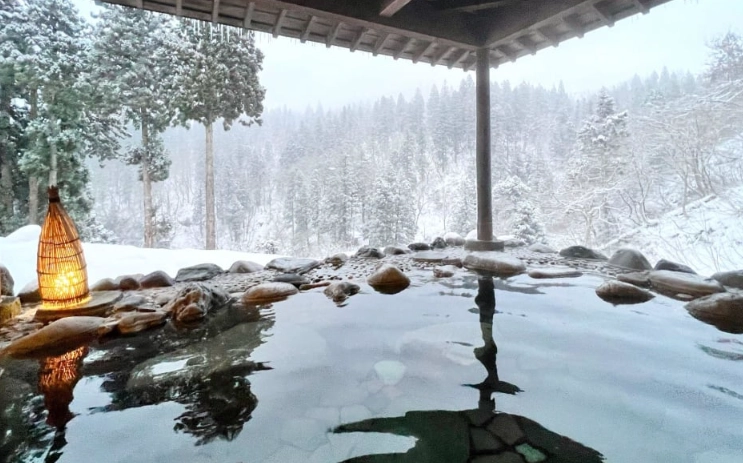
The biggest one? Rushing. You don't "do" an onsen; you settle into it. This guide is here to strip away the anxiety and give you the context most blogs skip. We'll go beyond the postcard images and talk about how to pick the right spring for you, navigate the unspoken rules without stress, and plan a trip that's about relaxation, not just photography.
Your Onsen Journey Starts Here
What Kind of Onsen Suits You? A Simple Breakdown
Not all hot springs are created equal. The mineral content changes everything—from the color and smell to the purported health benefits. Knowing the basics helps you choose.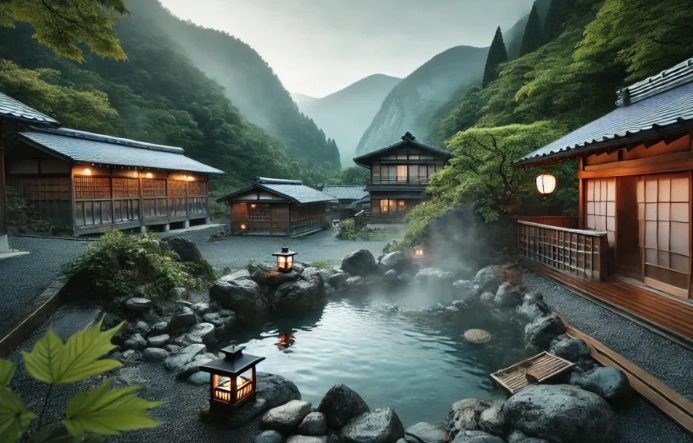
By Water Type (The Nuts and Bolts)
Sulfur Springs (Iō-onsen): You'll smell these before you see them. That distinct "rotten egg" aroma comes from hydrogen sulfide. The water is often milky white or cloudy. Locals swear by them for skin conditions and chronic fatigue. I find the smell fades once you're in, and the silky feeling on your skin afterwards is unreal. Be warned: silver jewelry can tarnish here.
Simple Thermal Springs (Tansan-onsen): Clear, often colorless, and generally odorless. These are the gentle giants of the onsen world, perfect for first-timers or anyone with sensitive skin. Great for overall relaxation without any strong mineral sensations.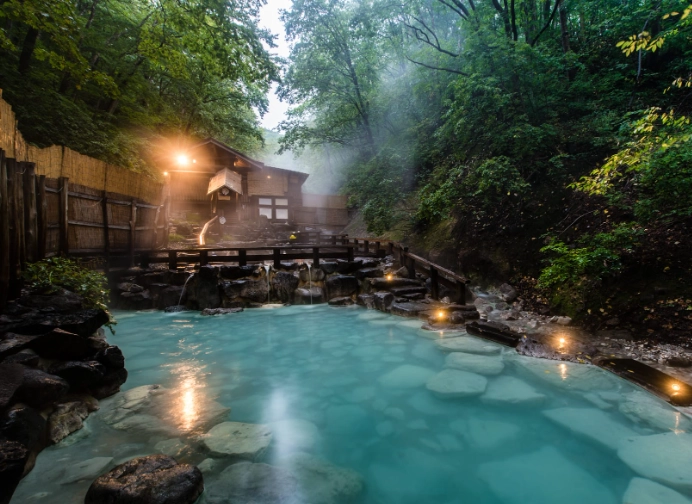
Iron Springs (Tetsu-onsen): The water has a reddish-brown hue from iron carbonate. It feels smooth and is said to be good for anemia. The bath might have a rusty ring around it—that's normal, not dirty.
Acidic Springs (Sansei-onsen): These have a low pH. They can have a tingling, almost prickly sensation on the skin and are potent. Often recommended for specific skin issues, but if you have cuts or very sensitive skin, maybe start with something milder.
By Setting (The Vibe)
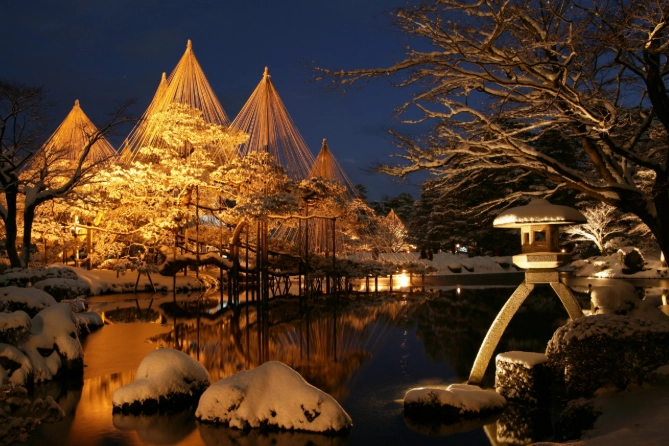
Rotenburo : Outdoor baths. This is the classic image. Soaking under the open sky, maybe with snow falling or leaves changing color, is a core part of the experience. The temperature fluctuation between the air and water is key.
Uchiyu : Indoor baths. Don't dismiss them. They're often hotter, more steamy, and can be just as atmospheric, especially in a historic wooden building.
Konyoku : Mixed-gender bathing. Becoming rarer, but still exists in some traditional or rural areas. Critical rule: You always use the provided modesty towel properly. It's not about swimming attire; it's about a specific cultural practice. If you're uncomfortable, just skip it—plenty of other options exist.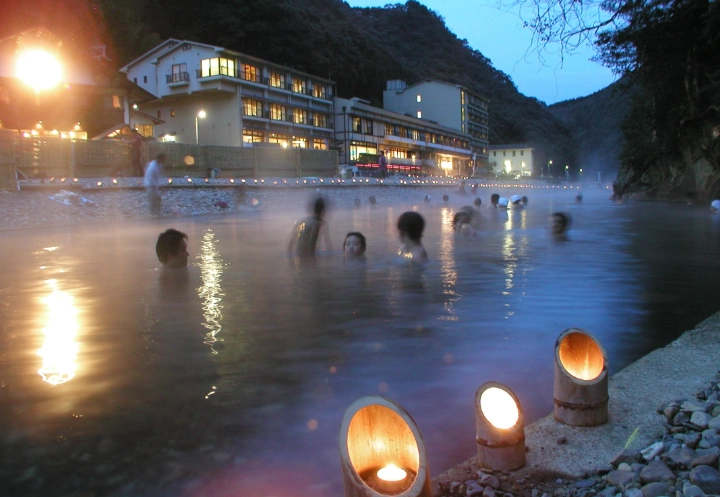
How to Choose the Right Onsen for You
Picking an onsen isn't just about picking the prettiest one online. Think about your travel style.
Are you a planner who wants a luxurious, all-inclusive ryokan stay with kaiseki meals served in your room? Or are you a spontaneous explorer happy to drop into a local day-trip bath (日帰り温泉) for 500-1000 yen?
For first-timers, I often suggest starting with a day-trip bath at a large, modern facility. They have clear English signage, provide towels and toiletries, and are less intimidating. You get the bathing process down before committing to a ryokan stay where the bath might be more intimate.
Onsen Etiquette: The Unwritten Rules (Simplified)
Here's the thing—onsen rules aren't there to trip you up. They're about hygiene and respect. Get these right, and you'll blend right in.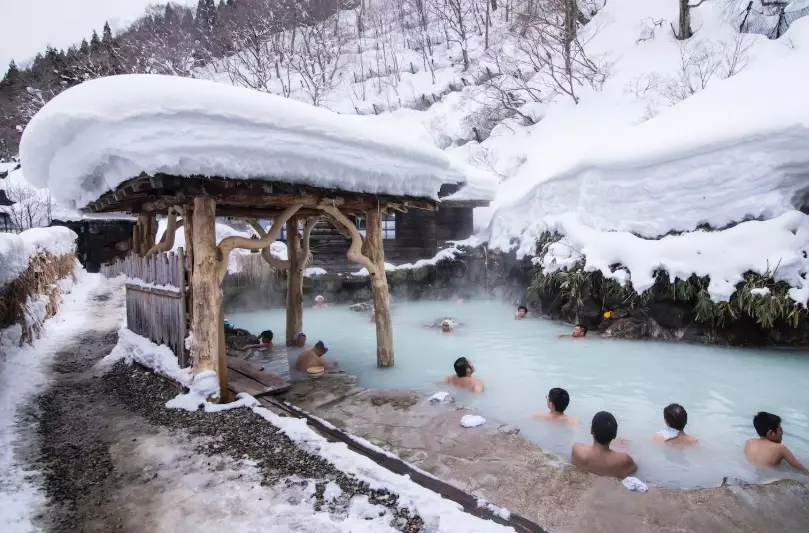
The Non-Negotiables (The Do's)
Wash First, Soak After: Every bath area has a shower station with a stool, a bucket, and soap/shampoo. You must sit on the stool and thoroughly wash and rinse every part of your body before entering the communal bath. No exceptions.
Keep the Towel Out of the Water: Your small towel is for modesty while walking and for wiping sweat from your brow. You can fold it and place it on your head while soaking, or leave it on the side of the bath. It never goes in the water.
Rinse Off Again: After soaking, give yourself a quick rinse at the shower station to remove any minerals before drying off.
The Big Taboos (The Don'ts)
No Swimming, No Splashing: The bath is for soaking quietly. It's not a pool.
No Clothes or Swimsuits: You bathe naked. This is the hardest rule for many, but it's the foundation of the experience. Everyone else is doing the same, and nobody is looking.
No Phones or Cameras: Absolutely forbidden. This is a strict privacy zone.
Beyond the Guidebook: 3 Top Onsen Destinations Decoded
Here are three iconic areas, each with a totally different personality. I'm giving you the practical details most articles gloss over.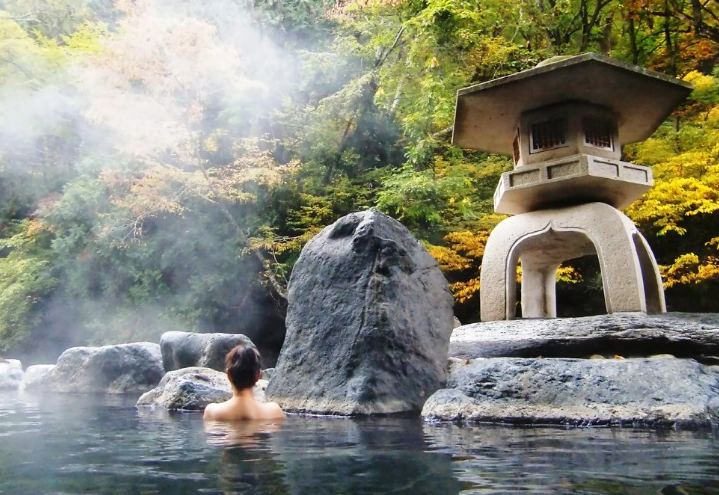
| Destination | Best For | Key Info & Vibe | Sample Ryokan (Mid-Range) |
|---|---|---|---|
| Kusatsu Onsen (Gunma) | Authentic, powerful waters & traditional town vibe. | Famous for its acidic, sulfurous springs. Must-see: "Yumomi" show (water cooling with paddles). Central Yubatake (hot water field) is the heart of town. Access: ~3.5h from Tokyo (train/bus). Day-trip bath cost: ~1000 yen. | Sainokawara Rotenburo: Massive outdoor bath. Address: 521-3 Kusatsu, Agatsuma District. Open 7:00-20:00 (seasonal variations). |
| Yufuin (Oita, Kyushu) | Scenic beauty, artsy cafes, & relaxed pacing. | Less commercial than nearby Beppu. Centered around Lake Kinrin. Perfect for strolls, boutique shopping, and softer springs. Access: Direct buses from Fukuoka or Beppu. Vibe: Cosmopolitan countryside. | Yufuin Sanso Murata: Beautiful gardens, private baths available. Address: 1281-1 Yufuincho Kawakami. Expect ~40,000+ yen per person with meals. |
| Noboribetsu (Hokkaido) | Dramatic hell valleys & diverse spring types. | Visit Jigokudani (Hell Valley) to see the volcanic source. Many ryokan offer baths with different mineral waters. Access: ~1h by train from Sapporo. Best for: A mix of nature hiking and soaking. | Dai-ichi Takimotokan: One of Japan's largest bath complexes with multiple springs. Address: 55 Noboribetsuonsencho. Day bath: ~2,500 yen. |
I personally love Kusatsu for its raw, traditional feel, but the sulfur smell can be intense. Yufuin is easier for a first-time visitor who wants more than just baths. Noboribetsu is fantastic if you're already in Hokkaido and want that powerful volcanic atmosphere.
Putting It All Together: Planning Your Onsen Trip
A sample 3-day, 2-night onsen getaway from Tokyo (using Kusatsu as an example):
Day 1: Take the early JR Kusatsu Shinkansen to Naganohara-Kusatsuguchi Station (approx. 2.5 hrs), then a 25-minute bus to Kusatsu. Check into your ryokan in the afternoon. Soak in their bath. Enjoy a multi-course dinner served in your room. Do a short evening walk to see the Yubatake lit up. Have a late-night soak before bed.
Day 2: Morning bath. After breakfast, explore the town. Visit the Netsunoyu for the Yumomi performance (check times). Try different public day-trip baths like Sainokawara Rotenburo. Have lunch at a local soba shop. Maybe get a foot bath. Return to your ryokan for another relaxing evening of baths and food.
Day 3: Final morning bath and breakfast. Check out, leave luggage at station or ryokan. Do one last activity (hike Mt. Shirane if accessible) or souvenir shopping. Bus/train back to Tokyo.
Budgeting: A good mid-range ryokan with two meals costs 25,000-45,000 yen per person per night. Day-trip baths are 500-2,500 yen. Transportation can be significant—look for bus packages or discount passes like the JR Tokyo Wide Pass if it covers your area.
Your Burning Onsen Questions, Answered
Can I visit an onsen if I have tattoos?
This is the biggest practical hurdle. Many public baths and ryokan still prohibit visible tattoos due to their association with yakuza. Policies are slowly changing, especially in tourist areas. Your best bets are: 1) Book a ryokan with a private bath in your room. 2) Use the private rental baths (kashikiri) offered by many places. 3) Research ahead. Some larger, modern facilities in places like Hakone or Beppu are more lenient. 4) Use high-coverage waterproof bandages or patches to conceal small tattoos. Always check the specific policy on the establishment's website or email them directly before booking.
Is it okay to go to an onsen during my period?
Medically, there's no issue. Culturally, it's a gray area with old superstitions, but in modern practice, it's generally accepted as long as you use a tampon or menstrual cup. The key is discretion—no one should know. If you're using the bath for pain relief, a quiet soak can be very helpful. Use your best judgment based on your own flow. If you're concerned, sticking to private baths during that time is a stress-free option.
What's the difference between an onsen and a sento (public bath)?
It's all about the water source. By law, an onsen must use naturally heated water from a geothermal spring with a defined mineral content. A sento uses heated tap water. The bathing ritual and etiquette are identical. Sento are cheaper (often 500 yen or less) and are fantastic cultural experiences found in neighborhoods. They lack the mineral benefits but offer a slice of local life. For first-time practice of the bathing routine, a clean, modern sento can be a great low-pressure start.
How hot is the water, and what if I can't handle it?
Temperatures vary from a warm 38°C (100°F) to a scalding 45°C (113°F) or more. Always test with your foot first. Don't just plunge in. Enter slowly, up to your waist, and let your body adjust. Sit on the underwater ledge. If it's too hot, look for a cooler pool—many facilities have multiple baths at different temps. Outdoor baths (rotenburo) are often cooler than indoor ones. The trick is to get in slowly and relax your muscles; fighting the heat makes it worse. It's okay to just dip your feet if that's all you can manage.
Are onsens suitable for children?
Yes, but with caveats. Kids are welcome, and many Japanese families bring them. However, the water is often very hot for small children. Always check the temperature first. Supervise them closely—no running or splashing. Many family-friendly ryokan have special shallow kids' baths or cooler pools. For very young children, using a private family bath is ideal. Teach them the basic rules (wash first, be quiet) to ensure everyone has a good experience.
Remember, the goal is relaxation. If you forget a step, just observe what others are doing. Most Japanese bathers are understanding of tourists and appreciate the effort. Take a deep breath, wash thoroughly, slip into the water, and let the heat and minerals do their work. That moment of stillness, often surrounded by nature, is what keeps people coming back to onsens in Japan for centuries.

Comments