Let's be honest. You've seen the photos. A perfect pink tunnel, a castle framed by blossoms, petals floating on a moat. The Japan sakura dream is powerful. But showing up in late March with no plan? That's a recipe for fighting crowds and seeing more smartphone screens than flowers. I've made that mistake. After a decade of chasing blooms from Hokkaido to Kyushu, I've learned that a great sakura trip isn't about luck—it's about strategy.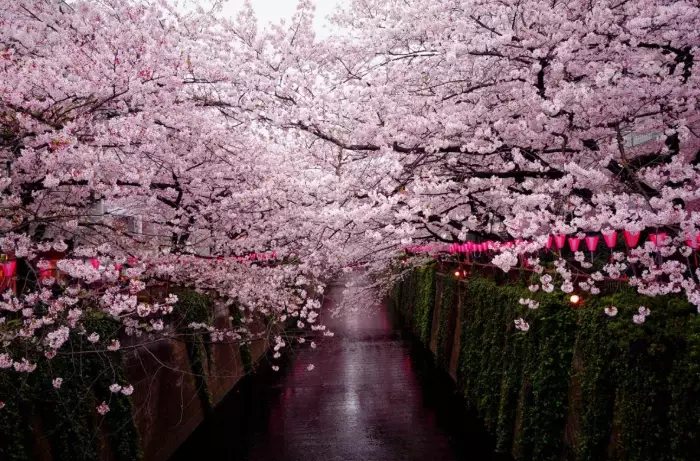
This guide cuts through the fluff. We'll talk about the spots actually worth your time (and which famous ones to skip if you hate queues), the food you must try, and how to structure your days. I'll even tell you the one forecasting mistake almost every first-timer makes.
Your Sakura Trip Quick Guide
Where to See the Best Sakura in Japan (Without Losing Your Mind)
Forget just listing places. The key is matching the spot to your travel style. Do you want the classic postcard shot, a peaceful stroll, or a wild party under the trees? Here’s my breakdown.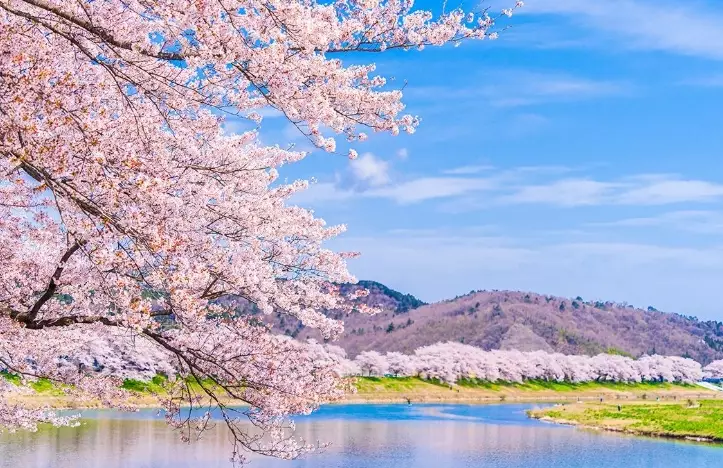
The Classics (Worth the Hype, If You Time It Right)
These are famous for a reason. Go very early in the morning (think sunrise) or on a weekday to enjoy them.
| Spot & Location | Best For | Key Info (Address, Fee, Hours) | My Take |
|---|---|---|---|
| Shinjuku Gyoen, Tokyo | Variety & Picnics | 11 Naitomachi, Shinjuku City. 500 yen entry. 9:00-16:30. Multiple garden styles with early & late blooming trees. | The spacious lawns are perfect for a proper, relaxed hanami (flower viewing picnic). It's orderly and clean, but can feel a bit tame. |
| Philosopher's Path, Kyoto | Picturesque Stroll | Along the canal from Ginkaku-ji to Nanzen-ji. Free, 24/7. Best light is late afternoon. | Crowded beyond belief midday. Go at 7 AM. The charm is the canal, but the cherry trees here are older and sparser than you might imagine. |
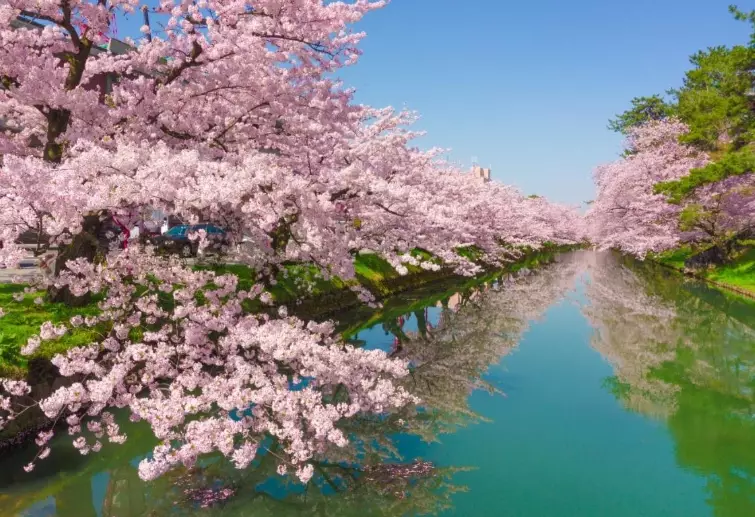
| Hirosaki Park, Aomori | Castle & Massive Scale | 1 Shimoshiroganecho, Hirosaki. Free for park, castle keep extra. Late April bloom. | If you're in the north, it's unbeatable. The moat filled with petals is real. But it's a trek from Tokyo. |
The Local Favorites (Less Crowded, More Authentic)
These are where you'll see Tokyoites and Kyoto locals escaping the tourist throngs.
Meguro River, Tokyo: Yes, it's known, but the 4km stretch of illuminated trees at night (yozakura) is magical. The crowds are moving, not stationary. Free, best after 7 PM. The riverside cafes are overpriced—grab a drink from a conbini instead.
Nara Park, Nara: You get ancient temples, roaming deer, and sakura all in one frame. It's vast, so people spread out. The area around Ukimido Pavilion is stunning. Free, 24/7. Just watch your mapo tofu buns—the deer are shameless.
Here's a tip most blogs miss: look for neighborhood sento (public bathhouse) gardens. Many have a single, magnificent old sakura tree out back. It's a deeply local scene.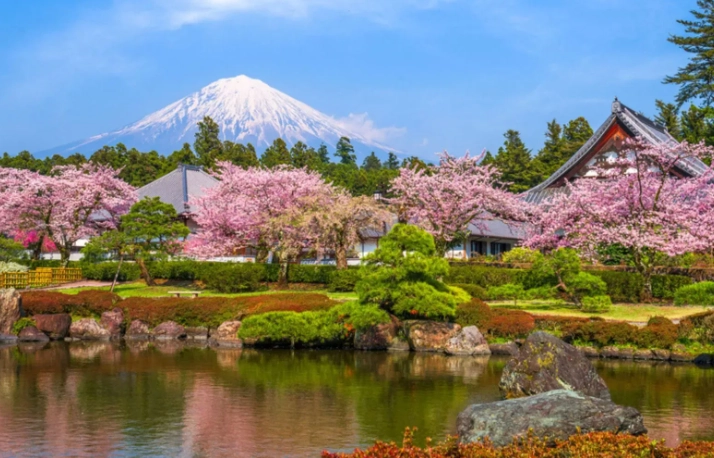
More Than Just Viewing: Sakura Food & Activities
Hanami is a full sensory experience. The taste is as important as the sight.
Must-Try Sakura Flavors
Sakura leaves are pickled in salt and used to wrap mochi (sakura mochi), creating a unique sweet-salty-floral taste. Don't just buy the plastic-wrapped ones from train stations. Look for traditional wagashi shops. In Kyoto, try Kameyama Yoshinaga near Kiyomizu-dera for a fresher version.
Sakura Latte/Tea: Starbucks Japan's seasonal drink is famous, but local cafes often do it better with real petal syrup.
Sakura Beer & Sake: Major breweries like Asahi and Kirin release limited editions. They're subtle, slightly floral. Best enjoyed at a hanami picnic. You can find them at any large supermarket in March.
Beyond the Picnic Blanket
Night Viewing (Yozakura): Parks like Ueno, Chidorigafuchi in Tokyo, and Maruyama Park in Kyoto are lit up. The atmosphere shifts from daytime family picnic to evening date spot. It's a different, more dramatic beauty.
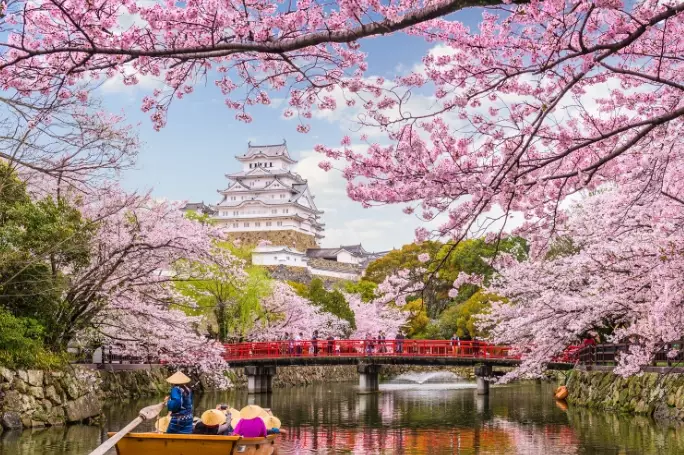
Sakura River Boating: In Tokyo, you can rent a rowboat at Chidorigafuchi Moat. In Kyoto, try the rowboats at Arashiyama (though the sakura there is less dense). It's a peaceful, if slightly awkward (you have to row yourself), perspective. Book slots online in advance.
The biggest mistake? Spending all your time hunting for "the spot." Sometimes, the best memory is the unplanned alley you turned down, lined with a few perfect trees, with no one else around.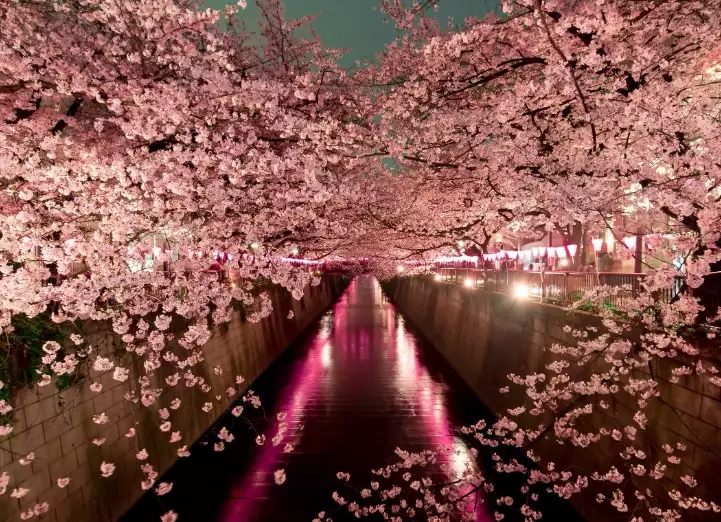
Building Your 5-Day Sakura Itinerary: Tokyo & Kyoto
This is a realistic, paced plan focusing on the Kanto and Kansai regions, where sakura typically blooms late March to early April. Adjust dates based on the annual forecast from the Japan Meteorological Corporation.
Day 1-2: Tokyo (Arrival & Urban Blossoms)
- Morning (Day 1): Head straight to Shinjuku Gyoen at opening. Enjoy the varied gardens.
- Afternoon: Walk to the nearby Imperial Palace East Gardens (free). The stone walls and pines create a different aesthetic.
- Evening: Experience yozakura at Meguro River. Grab dinner in Nakameguro.
- Day 2: Day trip to Kawagoe ("Little Edo"). Its warehouse district has lovely trees, blending sakura with historical scenery. Less crowded than central Tokyo spots.
Day 3: Travel to Kyoto & Philosopher's Path
- Take the morning Shinkansen to Kyoto. Store luggage at your hotel or station.
- Late Afternoon: Walk the Philosopher's Path from Nanzen-ji end. The light is golden, crowds thinning. Have a simple dinner in the Higashiyama area.
Day 4: Kyoto Temples & Nara Day Trip
- Early Morning (7 AM): Visit Kiyomizu-dera (opens 6 AM during spring). You'll beat the buses.
- Mid-Morning: Train to Nara (45 mins). Spend the day with deer and sakura at Nara Park, visiting Todai-ji temple.
- Evening: Back to Kyoto. If you have energy, see Maruyama Park lit up.
Day 5: Arashiyama & Departure
- Morning: Explore Arashiyama. The Togetsukyo Bridge area has sakura, and the bamboo grove is nearby. Consider the riverboat if you booked.
- Depart from Osaka's KIX or return to Tokyo.
This plan builds in travel time and avoids the exhausting "sakura sprint." It mixes iconic sights with breathing room.
Sakura Trip Questions Answered (From a Real Traveler)

Comments